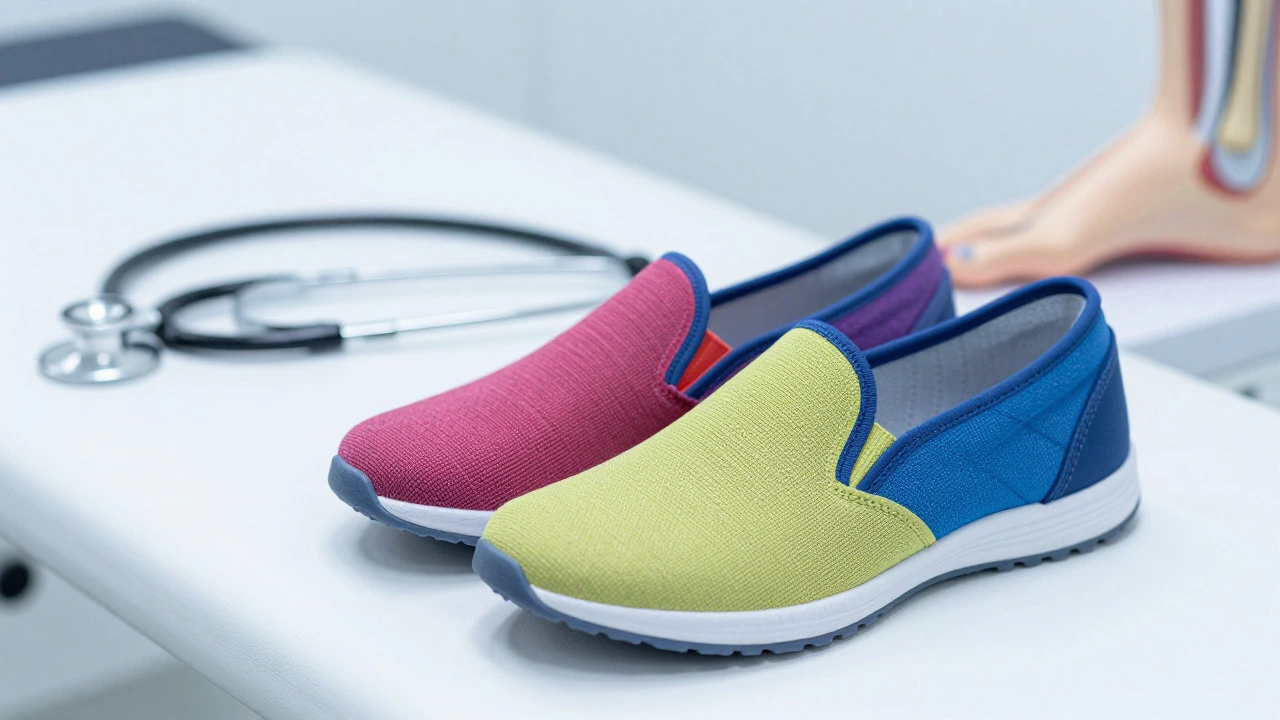
Hey Dude Footwear Suitability Checker
Based on podiatric reviews, determine if Hey Dudes are suitable for your specific foot type and work environment.
They are everywhere. You see them at the grocery store, in hospital hallways, and on construction sites. Are Hey Dudes bad for your feet? This is the question that has divided podiatrists, nurses, and everyday wearers since the brand exploded in popularity. On one side, you have people who swear these lightweight sneakers saved their plantar fasciitis. On the other, you have experts warning that walking in near-flat soles can wreck your posture and joints over time.
The truth isn't a simple yes or no. It depends entirely on how your feet are built, how long you stand each day, and whether you treat them as casual slip-ons or all-day work gear. Let’s break down the biomechanics, the risks, and who should actually avoid wearing them.
Why Hey Dudes Feel So Good (At First)
To understand the controversy, you first need to understand why they feel like clouds. The secret lies in the material. Hey Dude shoes use a proprietary fabric called Shoe Fit technology, which combines a stretchy upper with an ultra-lightweight sole. A single shoe weighs roughly 7 ounces, which is significantly lighter than standard leather work boots or even many athletic trainers.
This lightness reduces the energy cost of lifting your foot. When you’re on your feet for ten hours, every ounce matters. Less weight means less fatigue in your calves and hips. Additionally, the wide toe box allows your toes to splay naturally. Unlike narrow dress shoes or tight running sneakers, Hey Dudes don’t squeeze your forefoot into a cone shape. For people with bunions or wide feet, this lack of compression provides immediate relief.
However, comfort is not the same as support. Just because something feels good when you put it on doesn’t mean it’s protecting your structural integrity during eight hours of standing. This is where the debate gets heated.
The Arch Support Problem
The biggest criticism leveled against Hey Dudes is their lack of structured arch support. Most models feature a removable insole that is relatively thin and flat. While some newer versions include a "contoured" footbed, it rarely offers the rigid medial posting found in orthopedic shoes or high-end running brands like Brooks or Asics.
If you have neutral arches, this might not be an issue. Your foot muscles are strong enough to stabilize your stride without external help. But if you have flat feet (pes planus) or high arches (pes cavus), the story changes.
- Flat Feet: Without adequate arch support, your foot may overpronate (roll inward) excessively. This can strain the posterior tibial tendon and lead to shin splints or knee pain.
- High Arches: These feet are rigid and don’t absorb shock well. A soft, flat sole like Hey Dudes offers little cushioning, transferring impact forces directly up your legs to your hips and lower back.
Podiatrists often warn that relying on soft, flexible soles for all-day standing can weaken the intrinsic muscles of the foot over time. Think of it like wearing a cast: if your foot doesn’t have to do any work to stay stable, those muscles atrophy.
Heel Height and Posture
Another factor is the heel-to-toe drop. Hey Dudes typically have a very low drop, meaning your heel and toe are almost at the same level relative to the ground. Some models have a slight heel lift of about 1 inch, but it’s minimal compared to traditional work boots.
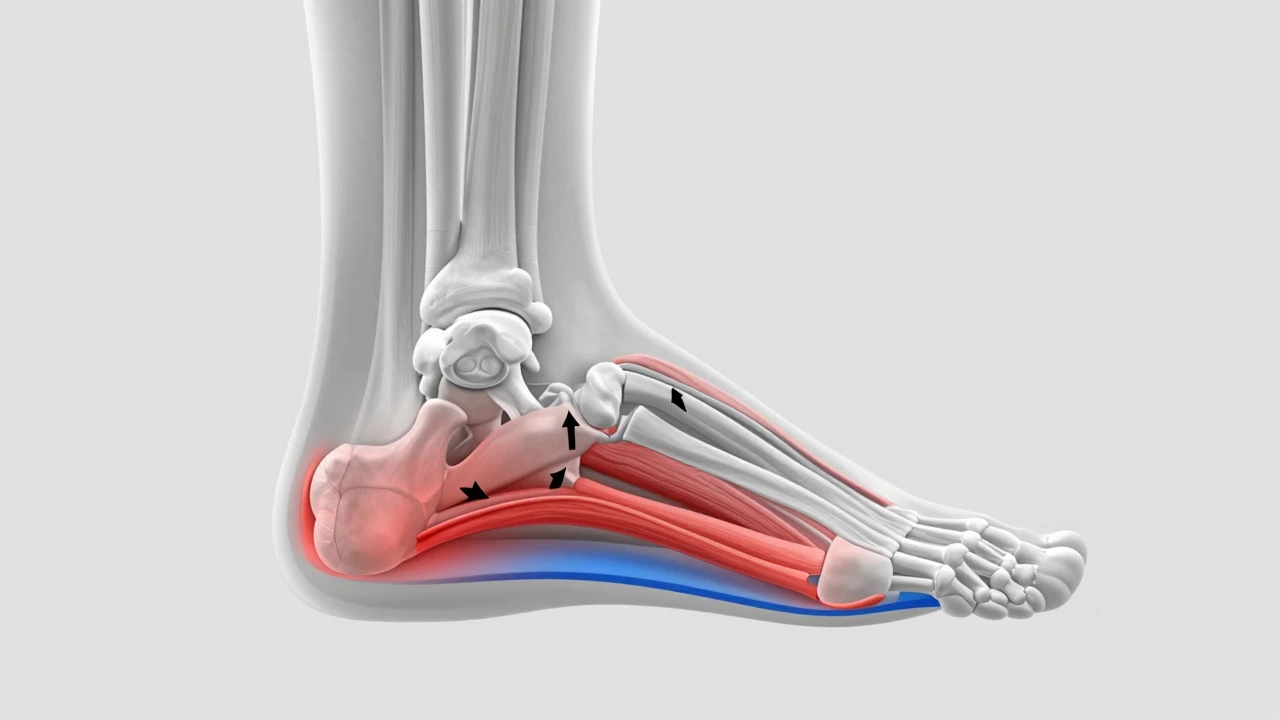
A low drop encourages a more natural gait cycle, which some physical therapists prefer. However, for people accustomed to elevated heels, switching to a nearly flat surface can alter your center of gravity. This shift places more pressure on the Achilles tendon and the plantar fascia (the band of tissue connecting your heel to your toes).
If you have existing plantar fasciitis, this transition can be painful. The sudden change in angle can stretch the inflamed tissue, causing sharp morning pain or discomfort after prolonged sitting. Conversely, if you suffer from Achilles tendinitis, a slightly elevated heel might relieve tension, making Hey Dudes a poor choice unless you add a custom orthotic.
Are They Safe for Work Environments?
Many healthcare workers, teachers, and retail employees choose Hey Dudes because they are easy to slip on and off. But are they safe for professional settings? Here is what you need to consider regarding workplace safety standards.
| Feature | Hey Dudes | Standard Work Sneakers/Boots |
|---|---|---|
| Torque Control | Low (flexible sole) | High (stiff midsole) |
| Toe Protection | Rarely available (soft toe) | Often steel/composite toe |
| Sole Grip | Moderate (rubber outsole) | Variable (often oil-resistant) |
| Ankle Stability | None (low cut) | High (high-top boots) |
| Weight | ~7 oz per shoe | 16-24 oz per shoe |
In environments like hospitals, where spills are common, the rubber outsole of Hey Dudes provides decent traction. However, they lack the torsional rigidity of dedicated work shoes. If you twist your ankle on a wet floor, a flexible sole offers less protection than a stiff, supportive boot. Furthermore, most Hey Dudes are not rated for electrical hazard (EH) protection or puncture resistance, making them unsuitable for construction sites or industrial kitchens.
Who Should Avoid Hey Dudes?
Not every foot is created equal. Based on clinical observations and biomechanical principles, certain groups should think twice before buying a pair.
- People with Severe Plantar Fasciitis: While some find relief, others experience increased pain due to the lack of firm arch support. Consult a specialist before switching.
- Those with Diabetic Neuropathy: Diabetics often lose sensation in their feet. The thin, flexible nature of Hey Dudes may not protect against small debris or uneven surfaces, increasing the risk of unnoticed injuries.
- Individuals with Chronic Ankle Instability: If you sprain your ankles frequently, the low-cut, loose-fitting design of Hey Dudes provides zero lateral support.
- Heavy Laborers: If your job involves lifting heavy objects or walking on rough terrain, the soft sole will compress too much, leading to instability and faster fatigue.

How to Make Them Safer and More Comfortable
If you love the look and lightness of Hey Dudes but want to mitigate the risks, there are several modifications you can make. You don’t necessarily have to throw them away.
Add Custom Orthotics: The removable insole is your best friend here. Replace the stock footbed with a high-quality orthotic insert designed for your specific arch type. Brands like Superfeet or Dr. Scholl’s offer inserts with rigid arch support that can transform the shoe’s biomechanics. Just ensure the insert fits without crowding your toes.
Rotate Your Footwear: Never wear the same pair of shoes two days in a row. Rotating between Hey Dudes and a more supportive sneaker allows the materials to decompress and gives your feet variety in stimulation. This prevents overuse injuries associated with repetitive motion in a single shoe type.
Check the Sizing: Hey Dudes run large. Many people buy their normal size and end up with excess space, causing their foot to slide around inside the shoe. This slippage creates friction blisters and forces your toes to grip the shoe to keep it on, leading to cramping. Size down by half or a full size, depending on the model, for a snugger, more secure fit.
The Verdict: Convenience vs. Care
So, are Hey Dudes bad for your feet? For short-term wear, casual outings, or light-duty jobs where you aren’t lifting heavy loads, they are generally fine. Their lightweight design and wide toe box offer genuine benefits for comfort and circulation.
However, for all-day standing on hard surfaces, especially if you have pre-existing foot conditions like flat feet or plantar fasciitis, they fall short on support. They are a luxury comfort shoe, not a medical device. Treat them as such. Use them for errands, travel, or relaxed days, but invest in proper orthopedic footwear for demanding work shifts. Your knees and back will thank you later.
Do Hey Dudes cause plantar fasciitis?
Hey Dudes do not directly cause plantar fasciitis, but their lack of arch support can exacerbate existing symptoms or contribute to its development in susceptible individuals. If you already have plantar fasciitis, the soft, flexible sole may allow excessive stretching of the plantar fascia during walking, leading to increased pain. Adding a supportive orthotic insert can mitigate this risk.
Are Hey Dudes good for nurses who stand all day?
Many nurses love Hey Dudes for their lightweight feel and ease of cleaning. However, for 12-hour shifts, the lack of structural support can lead to fatigue and joint pain. They are best used as part of a rotation with more supportive shoes. If you choose to wear them exclusively, invest in high-quality aftermarket insoles to provide necessary arch support and cushioning.
Can I wear Hey Dudes for walking long distances?
For short walks, yes. For long-distance hiking or marathon training, probably not. The flexible sole lacks the stability and durability needed for rigorous activity. Over long distances, the minimal cushioning may compress completely, leading to impact-related pain in your shins, knees, and hips. Stick to dedicated walking or running shoes for extended activities.
What is the best insole for Hey Dudes?
The best insole depends on your foot type. For flat feet, look for firm arch support like Superfeet Green or Powerstep Pinnacle. For high arches, choose cushioned options like Spenco Polysorb or Dr. Scholl’s Work. Ensure the insole is thin enough to fit comfortably without forcing your toes against the front of the shoe.
Do Hey Dudes help with swelling?
Yes, indirectly. Because Hey Dudes have a wide toe box and stretchy upper material, they accommodate swollen feet better than rigid leather shoes. This makes them a popular choice for pregnant women or people with edema. However, they do not actively reduce swelling; they simply prevent constriction.