Leather Shoe Health Score Calculator
Ready to Assess
Enter your footwear details to see how they impact your foot health.
Have you ever stood at the end of a long day, peeled off your sneakers, and wondered if that tightness in your arches was just fatigue or something more structural? You are not alone. We spend roughly 70% of our waking hours on our feet, yet we often treat footwear as an afterthought. The question of whether leather shoes are genuinely better for your feet is one of the most common debates in podiatry and fashion circles alike. It is not just about looking sharp; it is about biomechanics, skin health, and long-term joint stability.
The short answer is yes, but with significant caveats. Natural leather offers superior breathability and moldability compared to most synthetics, which can reduce moisture buildup and improve fit over time. However, "leather" is a broad term, and the construction of the shoe matters just as much as the material itself. A poorly designed leather shoe will still cause pain, while a well-engineered synthetic might outperform a cheap leather alternative. Let’s break down why this material has remained the gold standard for centuries and when you might actually want to avoid it.
The Breathability Factor: Why Airflow Matters
Your feet contain around 250,000 sweat glands. On average, a single foot can produce up to half a cup of sweat per day. When that moisture gets trapped inside a non-breathable enclosure, it creates a breeding ground for bacteria and fungi. This is where natural leather shines. Unlike plastic-based synthetics like PVC or cheap PU (polyurethane), genuine leather is porous. These microscopic pores allow air to circulate and moisture vapor to escape.
Why is breathability important for foot health?
Breathability prevents excessive moisture buildup, which reduces the risk of fungal infections like athlete's foot and bacterial odors. It also helps regulate temperature, keeping feet cooler in summer and preventing overheating.
If you have ever dealt with athlete’s foot or chronic foot odor, you know how miserable it is. Synthetic materials often seal the foot in a humid environment. While some modern synthetics claim to be "breathable," they rarely match the passive ventilation of full-grain leather. For people who stand all day-teachers, nurses, retail workers-this airflow can mean the difference between dry, comfortable feet and soggy, irritated skin by mid-afternoon.
Moldability: The Shoe That Fits Your Foot, Not the Other Way Around
One of the biggest misconceptions about leather is that it is stiff and unyielding. In reality, high-quality leather is highly malleable. When you first buy a pair of leather dress shoes or boots, they may feel firm. But as you wear them, the material warms up from your body heat and begins to soften. Over weeks and months, the leather stretches and molds specifically to the unique contours of your foot.
This process is known as "breaking in." It is not just a marketing term; it is a physical transformation. The collagen fibers in the leather relax and align with your foot’s shape. This custom fit provides better support than a generic foam insert ever could. If you have a bunion, a wide forefoot, or a high instep, leather accommodates these irregularities without creating pressure points. Synthetic materials, by contrast, tend to stretch uniformly and then lose their structural integrity, leading to sagging and poor support.
Durability and Structural Integrity
Comfort is not just about softness; it is about support. A shoe that collapses under your weight forces your muscles and joints to work harder to stabilize your gait. This leads to fatigue, knee pain, and even lower back issues. Leather is incredibly durable. It resists tearing and maintains its shape far longer than fabric or plastic alternatives.
Consider the sole attachment. Many high-quality leather shoes use Goodyear welt construction or Blake stitching. These methods allow the sole to be replaced multiple times without destroying the upper part of the shoe. This means you can keep the same supportive structure for years, simply swapping out worn-out soles. Cheap synthetic shoes are often glued together. Once the glue fails or the sole wears thin, the entire shoe becomes unstable and must be discarded. From a biomechanical standpoint, consistent support is crucial for maintaining proper alignment.
| Attribute | Full-Grain Leather | Synthetic (PU/PVC) |
|---|---|---|
| Breathability | High (Natural pores) | Low to Moderate (Depends on mesh) |
| Moldability | Excellent (Custom fit over time) | Poor (Stretches unevenly) |
| Durability | 10+ Years (With care) | 1-3 Years |
| Water Resistance | Moderate (Needs treatment) | High (Inherently waterproof) |
| Environmental Impact | Biodegradable (If untreated) | Non-biodegradable (Plastic-based) |
The Hidden Risks: When Leather Is Not the Answer
While leather has many benefits, it is not a magic bullet. There are scenarios where synthetic or alternative materials might be better for your specific needs. First, consider water exposure. Leather absorbs water. If you live in a rainy climate like Auckland, where sudden downpours are common, walking in untreated leather shoes can lead to soaked socks and cold feet. While leather dries out, repeated wetting and drying can crack the material and degrade its supportive properties unless properly conditioned.
Second, there is the issue of allergies. Some people are sensitive to the tanning agents used in leather production, particularly chromium salts. If you experience itching or rashes inside your shoes, it might not be the leather itself but the chemicals used to preserve it. In such cases, vegan leather or high-tech synthetics might be a safer option, provided they offer adequate breathability.
Third, cost and maintenance matter. Quality leather requires regular cleaning, polishing, and conditioning. If you are unwilling to invest the time, the material will deteriorate faster than a low-maintenance synthetic. Neglected leather becomes stiff and brittle, negating its comfort benefits.
How to Choose the Right Leather Shoes for Your Feet
Not all leather is created equal. To get the foot-health benefits, you need to look beyond the label. Here is what to check:
- Type of Leather: Look for "full-grain" or "top-grain" leather. These retain the natural grain and pores of the hide. Avoid "genuine leather" if it feels plasticky; this is often corrected grain or bonded leather, which lacks breathability.
- Fit Test: Buy shoes in the afternoon when your feet are slightly swollen. Ensure there is a thumb’s width of space between your longest toe and the end of the shoe. The heel should not slip.
- Sole Flexibility: Bend the shoe at the ball of the foot. It should flex easily. If it bends in the middle (the arch), it lacks proper support and can strain your plantar fascia.
- Insole Quality: Check if the insole is removable. This allows you to swap in orthotic inserts if you have specific medical needs like flat feet or high arches.
For office wear, opt for derbies or oxfords with a slight heel drop (about 1-2 cm) to reduce strain on the Achilles tendon. For casual wear, loafers or boat shoes made from suede or soft calfskin offer flexibility and ease of movement.
Caring for Your Leather to Protect Your Feet
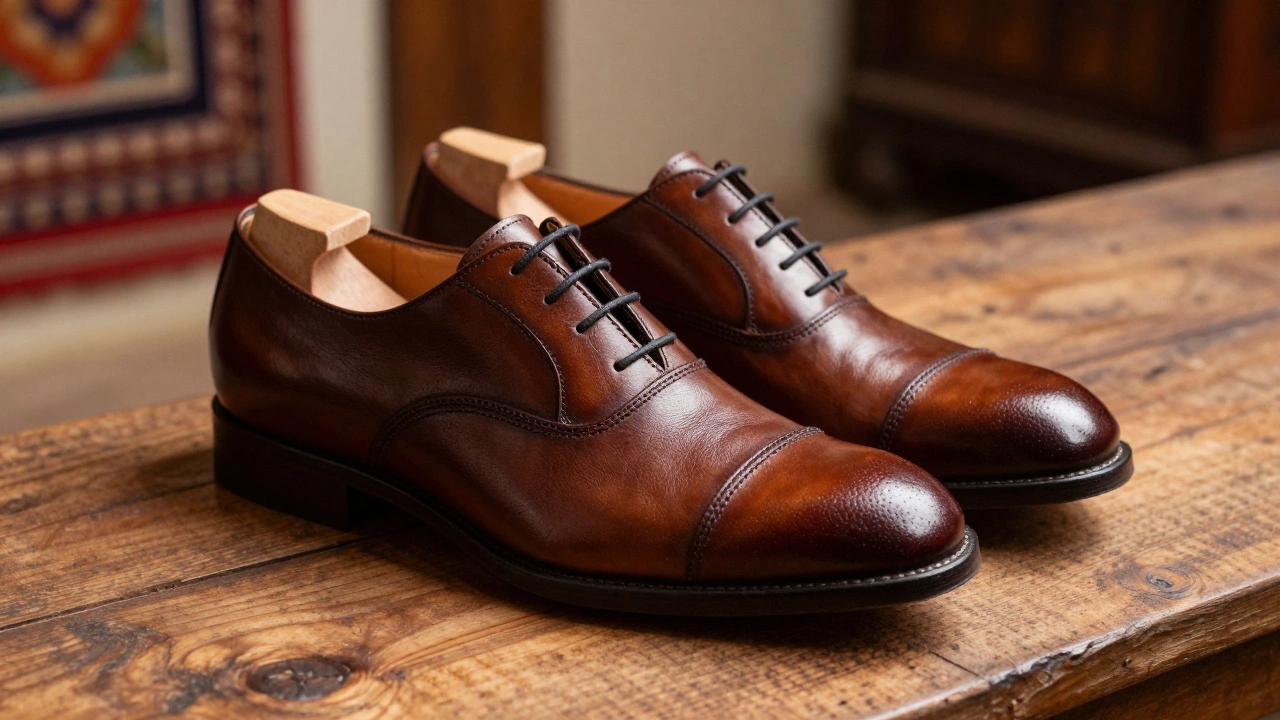
To ensure your leather shoes continue to support your feet, basic maintenance is essential. Start by using cedar shoe trees after every wear. They absorb moisture and help maintain the shoe’s shape, preventing creases that can dig into your toes. Clean the exterior with a damp cloth and apply a quality leather conditioner every few months to keep the material supple. Stiff leather causes blisters; supple leather conforms to your foot.
Avoid wearing the same pair two days in a row. Leather needs 24 hours to fully dry out internally. Rotating your shoes ensures they remain dry and resilient, extending their lifespan and keeping your feet healthy.
Final Thoughts on Foot Health
Are leather shoes better for feet? Generally, yes. Their breathability, durability, and ability to mold to your unique foot shape make them a superior choice for long-term comfort and health. However, they require proper selection and care. If you prioritize convenience, waterproofing, or minimal maintenance, high-quality synthetics may serve you better. Ultimately, the best shoe is the one that fits your lifestyle, supports your biomechanics, and keeps your feet dry and healthy. Listen to your body, inspect your feet regularly for signs of irritation, and choose materials that respect the complex machinery of your feet.
Do leather shoes cause blisters?
New leather shoes can cause blisters during the break-in period because the material is initially stiff. However, once broken in, leather molds to the foot and significantly reduces friction compared to rigid synthetics. Using blister prevention patches during the first few wears can help.
Is vegan leather good for foot health?
Most vegan leathers are made from polyurethane (PU) or polyvinyl chloride (PVC), which are plastics. They generally lack the breathability and moldability of natural leather, potentially leading to more sweat and less customized fit. However, newer bio-based materials are improving in this area.
How often should I replace my leather shoes?
With proper care and rotation, high-quality leather shoes can last 5-10 years. You should replace them when the soles are worn through, the interior cushioning is compressed, or the leather has cracked irreparably. Regular sole replacements can extend this lifespan significantly.
Can I wear leather shoes if I have diabetes?
Leather shoes can be suitable for diabetics due to their smooth interior and moldability, which reduces pressure points. However, it is crucial to ensure a perfect fit and check feet daily for any signs of rubbing or injury. Consult a podiatrist for personalized advice.
What is the difference between full-grain and genuine leather?
Full-grain leather is the highest quality, retaining the natural grain and pores for maximum breathability and durability. "Genuine leather" is a marketing term that often refers to lower-quality splits or bonded leather, which are sanded and coated, reducing breathability and comfort.