
Denim Trend Calculator: Are Your Jeans Still In Style?
Select your options and click "Check Trend Status" to see how your outfit scores in 2026.
Walk down any high street in Auckland or scroll through your Instagram feed, and you’ll notice a shift. The aggressive, knee-baring holes that dominated the early 2010s have largely vanished from mainstream racks. But does that mean ripped jeans are dead? Not exactly. They’ve just evolved. If you’re standing in front of your closet wondering whether to donate those shredded pairs or dig them out for one last summer, you’re not alone. The answer isn’t a simple yes or no-it’s about how you wear them now.
The Rise and Fall of Extreme Distressing
To understand where we are in 2026, we have to look back at where we came from. Around 2013-2015, distressed denim became the uniform of cool. Brands like Topshop, Forever 21, and even high-end designers competed to see who could make the most destroyed pair of pants. We’re talking frayed hems, massive thigh gaps, and knees so exposed they looked like structural failures.
This trend was driven by a specific aesthetic: the "effortless" look that actually required a lot of effort (and often poor quality control). It aligned with the rise of fast fashion, where clothes were cheap enough to discard after a few wears. But by 2020, the tide began to turn. Why? Because people got tired of looking like they’d been in a motorcycle accident every time they went to brunch.
Why the Trend Shifted in 2024-2025
Several factors contributed to the decline of extreme ripped jeans. First, sustainability became a genuine concern for consumers. Shredding fabric intentionally felt wasteful when the world was grappling with textile waste crises. Second, the workplace changed. Even casual offices moved away from overly rugged aesthetics toward cleaner, more polished looks. Third, and perhaps most importantly, comfort won. Those sharp threads rubbing against skin? Not great for daily wear.
By 2025, major retailers reported a 40% drop in sales of heavily distressed styles. Meanwhile, searches for "clean denim," "straight leg jeans," and "vintage wash" skyrocketed. This wasn’t just a fad; it was a correction. Fashion cycles tend to swing between extremes, and we’ve swung back toward simplicity.
What Replaced Ripped Jeans?
If you’re trying to update your wardrobe without buying entirely new pieces, you might be curious about what’s trending now. Here’s what replaced the shredded look:
- Straight-leg cuts: Inspired by ’90s minimalism, these offer a relaxed fit without the drama of rips.
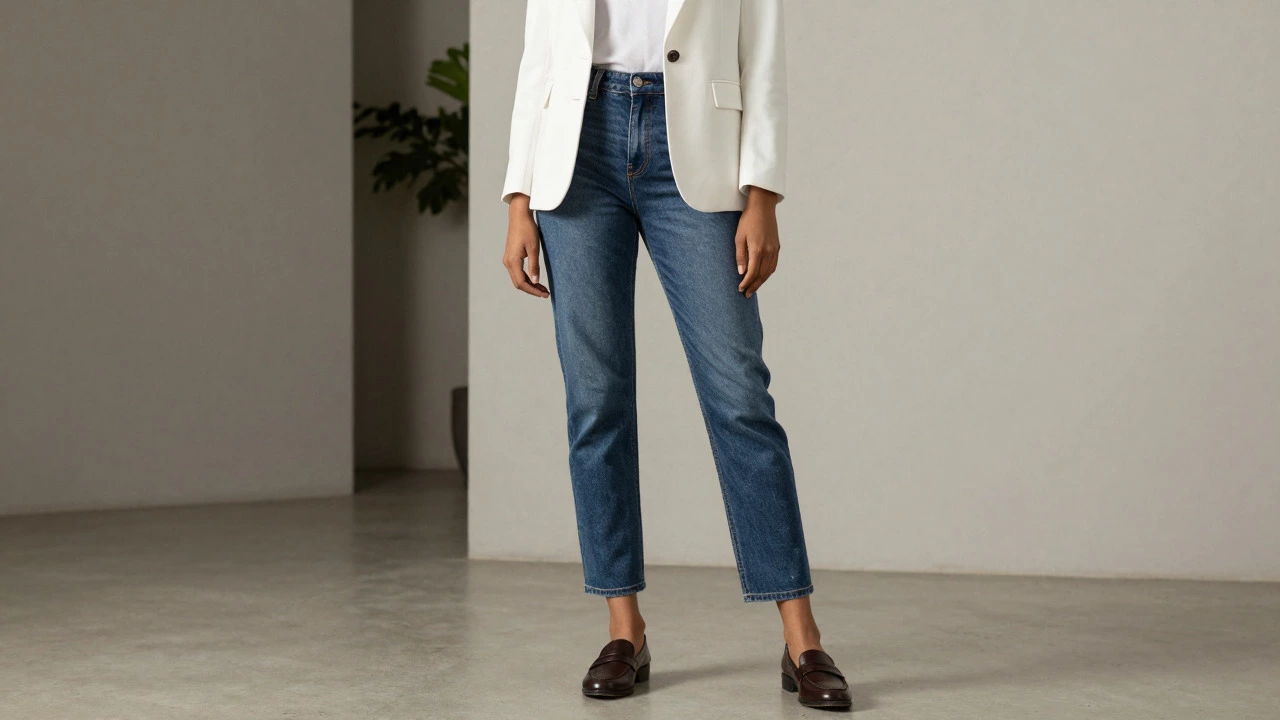
- High-waisted classics: Timeless silhouettes that flatter most body types and pair easily with blazers or t-shirts.
- Raw denim: Unwashed, sturdy fabric that ages naturally with wear-no artificial distressing needed.
- Pleated trousers: A formal alternative that adds structure to casual outfits.
These styles emphasize longevity over novelty. They’re built to last, both physically and stylistically. And if you still love some texture, subtle fading or whiskering is preferred over outright destruction.
Can You Still Wear Ripped Jeans in 2026?
Absolutely-but context matters. Wearing fully shredded jeans to a job interview? Probably not. Wearing lightly faded jeans with small, intentional tears to a weekend market? Totally fine. The key is subtlety. Think "lived-in" rather than "destroyed."
Here’s how to style them today:
- Pair with structured tops: Balance the casualness of ripped jeans with a crisp button-down or tailored blazer.
- Choose darker washes: Dark indigo or black denim with minor distressing looks more sophisticated than light blue with gaping holes.
- Keep footwear elevated: Swap chunky sneakers for loafers, ankle boots, or minimalist trainers.
- Add accessories: A leather belt or silk scarf can elevate the entire outfit.
Remember, fashion rules are suggestions, not laws. If you feel confident in your ripped jeans, own it. Confidence always looks better than perfection.
The Sustainability Angle
One reason many people are moving away from ripped jeans is environmental impact. Fast fashion brands produced millions of pairs annually, much of which ended up in landfills within months. In contrast, investing in fewer, higher-quality pairs reduces waste significantly.
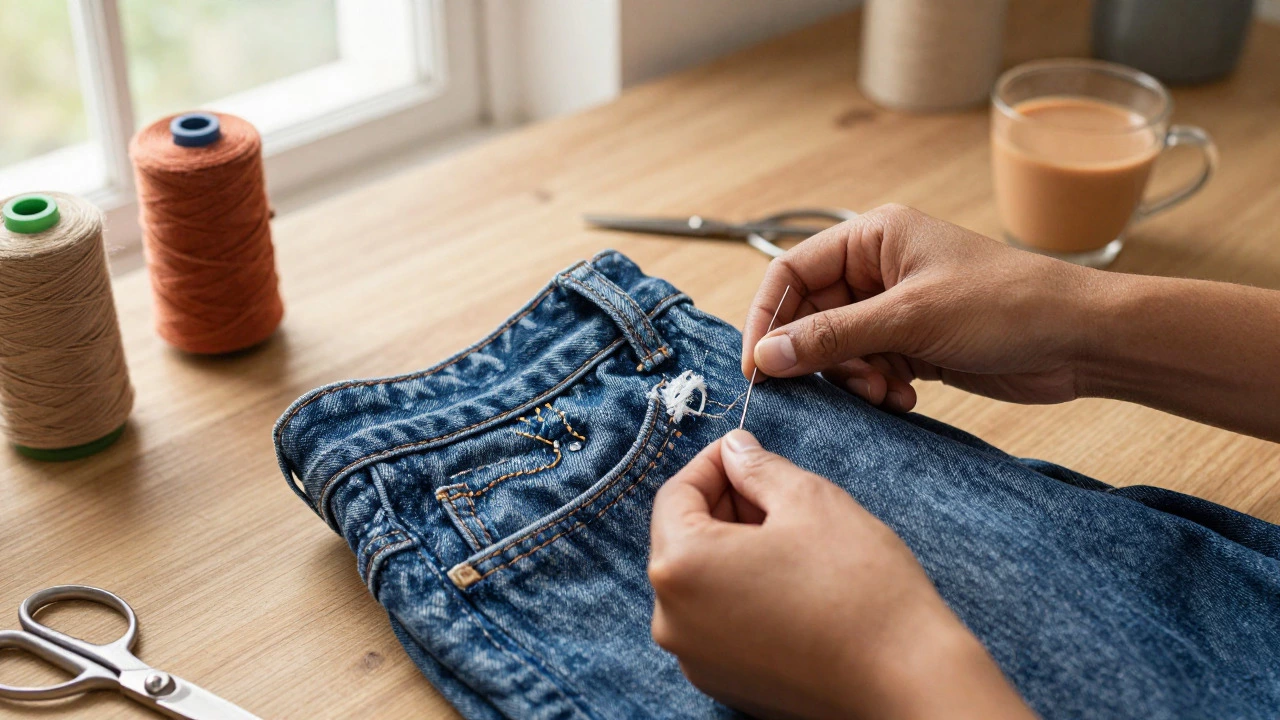
If you already own several pairs of heavily distressed jeans, consider repairing them instead of discarding them. Patchwork techniques using contrasting fabrics can turn old rips into unique design features. Many tailors in Auckland offer affordable mending services, extending the life of your favorite garments while reducing landfill contributions.
Comparison Table: Ripped vs. Clean Denim Styles
| Feature | Ripped Jeans | Clean Denim |
|---|---|---|
| Style Era | 2010-2020 | Pre-2010 & Post-2023 |
| Comfort Level | Low (threads irritate) | High (smooth finish) |
| Versatility | Limited (casual only) | High (office to evening) |
| Sustainability | Poor (fast fashion) | Better (longer lifespan) |
| Current Popularity | d>Niche/retroMainstream |
How to Decide What Works for You
Your personal style should reflect who you are, not what’s currently trending. Ask yourself:
- Do I wear these jeans regularly?
- Do they make me feel confident?
- Can I style them in multiple ways?
Where to Find Modern Alternatives
If you’re ready to refresh your denim collection, look for brands focusing on ethical production and timeless designs. Local boutiques in New Zealand often carry sustainable options made from organic cotton or recycled materials. Online retailers also provide filters for eco-friendly collections, making it easier than ever to shop consciously.
When shopping, prioritize fit over brand name. Well-fitting jeans will always look better than expensive ones that don’t suit your body shape. Try different cuts until you find what feels right-not just what looks good on a model.
Final Thoughts on Denim Evolution
Ripped jeans aren’t outdated-they’ve simply matured. Like wine, denim improves with age. Instead of chasing trends, focus on building a capsule wardrobe with versatile pieces that serve you well across seasons and occasions. Whether you choose classic straight legs or lightly distressed favorites, ensure each piece aligns with your values and lifestyle.
Fashion evolves, but authenticity remains constant. Wear what makes you feel like the best version of yourself, regardless of current trends. After all, true style comes from within.
Are ripped jeans completely out of style in 2026?
Not completely, but their popularity has decreased significantly. Heavily distressed styles are considered niche or retro, while subtle distressing remains acceptable in casual settings.
What replaced ripped jeans as the dominant denim trend?
Straight-leg, high-waisted, and raw denim styles have taken over. These emphasize clean lines, durability, and versatility over dramatic effects.
Is it environmentally friendly to wear ripped jeans?
It depends. Mass-produced, heavily distressed jeans contribute to textile waste due to short lifespans. Repairing existing pairs or choosing minimally distressed options is more sustainable.
How can I style ripped jeans appropriately in 2026?
Balance casual elements with structured pieces. Pair dark-wash, lightly distressed jeans with blazers, loafers, or tailored shirts to create a polished yet relaxed look.
Should I throw away my old ripped jeans?
Only if they no longer fit or bring you joy. Consider donating gently used pairs, repurposing them into shorts, or sending them to repair shops for creative patchwork solutions.