Slipper Health & Safety Calculator
Evaluate Your Footwear
Worn-out slippers can lead to knee and back pain due to misalignment up the kinetic chain. Replace them every 6-12 months.
You kick off your shoes at the door, slide into those soft, fluffy house shoes, and sigh with relief. It feels like heaven for your tired soles. But here is the uncomfortable truth: that comfort might be setting you up for pain later. Wearing the wrong kind of slippers all day can actually weaken your foot muscles, cause arch collapse, and lead to chronic heel pain.
The question isn't just whether slippers are good or bad. It is about which ones help your feet recover and which ones sabotage your biomechanics. If you spend hours standing or walking on hard floors, what you wear indoors matters almost as much as your outdoor sneakers. Let's break down why your current pair might be hurting you and how to fix it without sacrificing comfort.
Why Barefoot Isn't Always Best Indoors
Many people think going barefoot inside is the natural, healthy choice. In a controlled environment, it can be. But most homes have hard surfaces-tile, wood, laminate-that offer zero shock absorption. When you walk barefoot on these surfaces, your feet absorb every impact directly. Over time, this repetitive stress can inflame the plantar fascia, the thick band of tissue connecting your heel to your toes.
This is where proper indoor footwear comes in. A well-designed slipper acts as a buffer between your sensitive foot structures and the unyielding floor. However, not all buffers are created equal. Think about driving a car with worn-out suspension versus one with high-quality shocks. Both get you from A to B, but one protects the vehicle (and your body) from the rough road. Your feet are no different. They need support, not just cushioning.
The Hidden Dangers of Fluffy, Unsupported Slippers
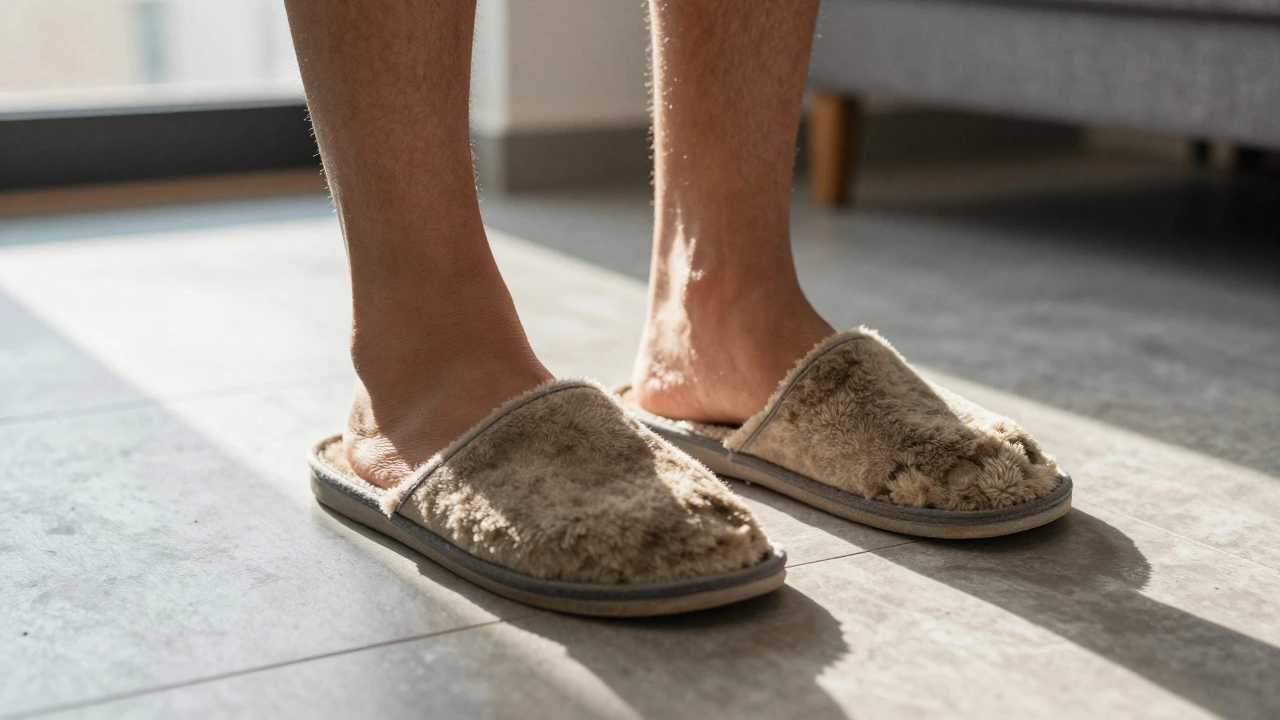
That cloud-like feeling when you step into a plush, floppy slipper? That is often a trap. These types of slippers usually lack any structural integrity. They bend in half easily, forcing your foot to grip the sole to keep the shoe on. This constant gripping action tires out the intrinsic muscles of your feet.
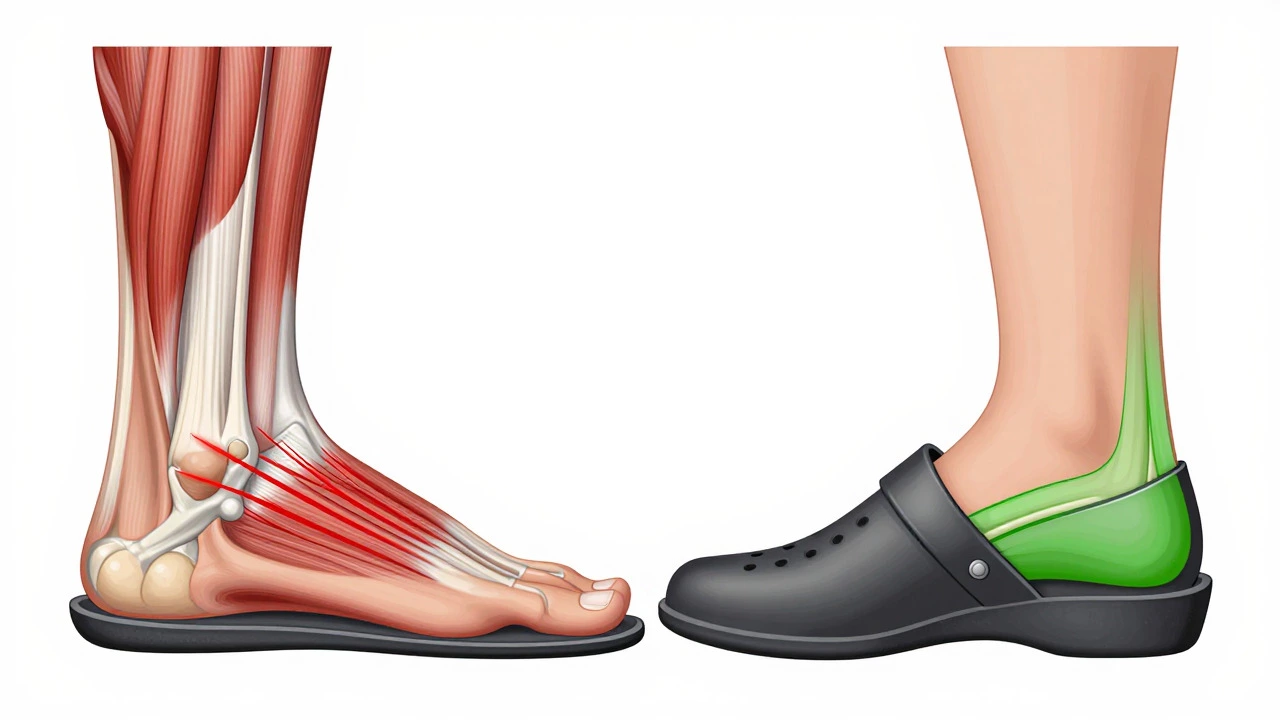
When your foot muscles are exhausted, they stop supporting your arches effectively. Your arches then drop, leading to overpronation-a condition where your foot rolls inward excessively. This misalignment doesn't stay in your feet. It travels up your kinetic chain, causing knee pain, hip discomfort, and even lower back issues. You might blame your office chair for your backache, but the root cause could be those floppy house shoes you've been wearing since breakfast.
Additionally, many cheap slippers have slippery soles. On smooth indoor flooring, this increases the risk of slips and falls, especially for older adults. A minor fall can result in significant injuries like wrist fractures or head trauma. Safety should never be an afterthought when choosing indoor footwear.
What Makes a Slipper Actually Healthy?
To determine if a slipper is good for your feet, you need to look beyond the exterior material. You need to evaluate its construction based on three critical factors: arch support, heel stability, and sole rigidity.
- Arch Support: Look for a contoured footbed that matches the natural curve of your foot. Flat, cookie-cutter insoles do nothing for your arches. Proper support reduces strain on the plantar fascia and prevents the arch from collapsing during movement.
- Heel Stability: Avoid open-back slippers if you plan to walk around the house. An open back allows your heel to lift out of the shoe with every step, creating instability. Closed-back designs or mules with a secure fit provide better alignment and reduce the risk of blisters and calluses caused by friction.
- Sole Rigidity: The sole should be flexible enough to allow natural toe-off but rigid enough to prevent excessive bending at the ball of the foot. If you can twist the slipper into a pretzel, it lacks the necessary structure to support your midfoot.
Materials matter too. Leather and breathable fabrics allow air circulation, reducing moisture buildup that leads to fungal infections like athlete's foot. Synthetic materials often trap heat and sweat, creating a breeding ground for bacteria. For cold climates, wool-lined options provide warmth without compromising breathability if the outer layer is natural fiber.
Comparison: Common Slipper Types and Their Impact
| Slipper Type | Support Level | Stability | Best Use Case | Risk Factors |
|---|---|---|---|---|
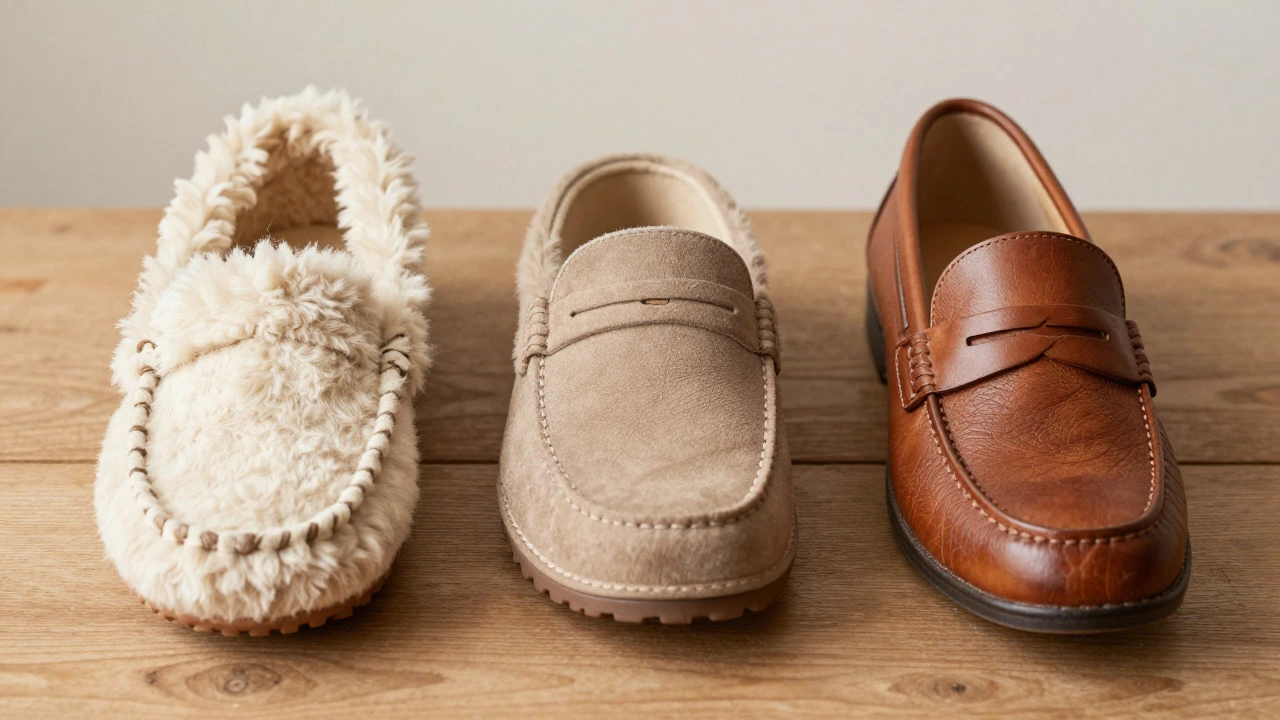
| Fluffy Moccasins | Low | Poor | Sitting only | Arch collapse, muscle fatigue |
| Clogs (e.g., Crocs-style) | Moderate | Good | Short walks, kitchen work | Toe stubbing, tripping hazard |
| Orthopedic House Shoes | High | Excellent | All-day wear, standing jobs | Bulky appearance, higher cost |
| Slide Sandals | Variable | Poor | Post-shower, warm weather | Lack of heel support, slipping |
| Leather Loafers | Moderate | Good | Formal indoor settings | Break-in period required |
As the table shows, "fluffy" does not mean "functional." Orthopedic house shoes, while less aesthetically pleasing to some, offer the best protection for long-term foot health. Clogs provide a decent middle ground for quick tasks but lack the full enclosure needed for extended walking.
Special Considerations for Specific Foot Conditions
If you already deal with foot problems, your slipper choice becomes even more critical. Here is how different conditions interact with indoor footwear:
- Plantar Fasciitis: You need maximum arch support and a deep heel cup. Avoid flat slippers entirely. Look for brands specifically designed for plantar fasciitis relief, often featuring gel inserts or specialized foam densities.
- Flat Feet: Your arches need external reinforcement. Custom orthotics can be inserted into many structured slippers. Ensure the slipper has a removable insole to accommodate these devices.
- Diabetes: Circulation issues and neuropathy require seamless interiors to prevent blisters. Wide toe boxes are essential to avoid constriction. Non-slip soles are non-negotiable due to balance concerns.
- Bunions: Soft, wide openings prevent rubbing against the bunion joint. Rigid leather or structured synthetics can aggravate the condition, so opt for flexible, padded materials.
Ignoring these specific needs can turn a manageable condition into a painful daily struggle. For instance, a diabetic person wearing tight, poorly ventilated slippers risks developing ulcers that heal slowly due to poor blood flow. Prevention through proper footwear is far easier than treatment.
How to Choose the Right Slippers for You
Finding the perfect pair involves a bit of trial and error, but you can narrow down your options by following these steps:
- Measure Your Feet: Feet swell throughout the day. Measure them in the evening when they are largest. Ensure there is about a thumb's width of space between your longest toe and the end of the slipper.
- Test the Fit: Walk around the store or your home. Pay attention to any pressure points. Your heel should sit securely in the heel cup without sliding up and down.
- Check the Sole: Press your thumb into the midsole. It should compress slightly but spring back quickly. This indicates good energy return and durability.
- Consider the Environment: If you live in a cold climate, prioritize insulation. In humid areas, prioritize breathability. Don't let fashion dictate function if it compromises comfort or health.
- Replace Regularly: Like running shoes, slippers lose their support over time. Check the wear pattern on the soles and the compression of the insoles every six months. If they look flattened, it's time for a new pair.
Investing in quality slippers is an investment in your mobility. Cheap slippers may save money upfront but can lead to expensive medical bills later if they contribute to chronic pain or injury.
Alternatives to Traditional Slippers
If traditional slippers don't suit your lifestyle, consider these alternatives:
- Indoor Sneakers: Lightweight trainers designed for indoor use provide excellent support and are easy to slip on and off. They are ideal for active households.
- Custom Orthotics: If you love your current slippers but they lack support, adding custom-made orthotic inserts can transform them. This is a cost-effective solution if you want to keep your favorite style.
- Barefoot Shoes: Minimalist shoes with thin, flexible soles mimic barefoot walking while offering protection from debris and temperature extremes. They encourage natural foot movement and strengthen foot muscles over time.
The key is consistency. Whether you choose slippers, sneakers, or go barefoot, make sure your choice aligns with your activity level and foot health needs. Mixing and matching randomly can confuse your body's adaptation process.
Can wearing slippers cause bunions?
Wearing ill-fitting slippers can exacerbate existing bunions but rarely cause them from scratch. Bunions are primarily genetic, influenced by foot shape and inherited tendencies. However, slippers that are too narrow or have rigid seams pressing against the big toe joint can increase inflammation and pain, making the bunion appear worse over time. Opt for wide-toe-box designs to minimize pressure.
Is it better to wear socks or slippers indoors?
It depends on your activity level. Socks alone provide warmth but no structural support or shock absorption. If you are mostly sitting, socks are fine. If you are walking around, slippers with supportive soles are better because they protect your feet from hard floors and reduce impact stress on joints. For the best of both worlds, wear thin, moisture-wicking socks inside supportive slippers.
How often should I replace my slippers?
You should replace your slippers every 6 to 12 months, depending on usage. Signs it's time for a new pair include visible wear on the soles, flattened insoles that no longer provide cushioning, or loose stitching. Worn-out slippers lose their ability to support your arches and absorb shock, potentially leading to foot pain and postural issues.
Do orthopedic slippers really work?
Yes, orthopedic slippers can significantly reduce foot pain for people with conditions like plantar fasciitis, flat feet, or arthritis. They are designed with features such as firm arch support, deep heel cups, and shock-absorbing materials. While they may look bulky, their structured design helps maintain proper foot alignment and distributes weight evenly, alleviating pressure on painful areas.
Are open-back slippers bad for your feet?
Open-back slippers can be problematic if worn for extended periods or while walking long distances. Without a heel counter, your foot must constantly grip the sole to keep the slipper on, which fatigues foot muscles and can lead to cramping or blisters. They are acceptable for short trips, like going to the mailbox, but closed-back styles are superior for general indoor use.