Athleisure vs. Sportswear: Which Fits Your Day?
Tell us how you plan to wear it, and we'll recommend the right category plus practical tips.
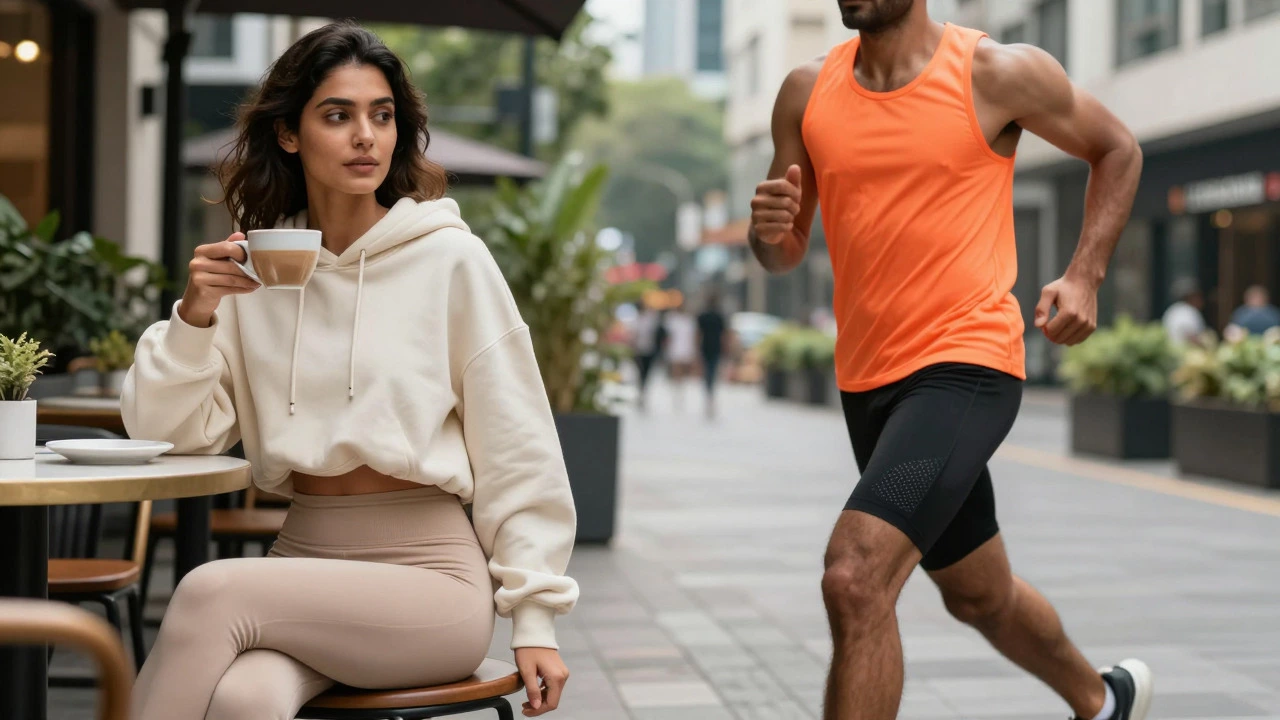
Walking down the street in Auckland, you might see someone wearing a sleek pair of leggings and a cropped hoodie to grab a flat white, while another person is sprinting past in a moisture-wicking tank top and compression shorts. Both are wearing "active" clothes, but they aren't necessarily the same thing. The line between Athleisure is a style category that blends athletic apparel with casual everyday wear for comfort and aesthetics and traditional Sportswear is functional clothing designed specifically for physical exercise and performance optimization has blurred significantly over the last decade. Understanding this distinction helps you buy the right gear for the right moment, saving money and ensuring you look good whether you're hitting the gym or sitting in a boardroom.
The Core Purpose: Function vs. Style
The fundamental difference lies in intent. When you pick up a piece of sportswear, your brain is focused on mechanics. You want to know if the fabric will stretch during a squat, if the seams will chafe during a run, or if the material will dry quickly after a heavy lift. Performance metrics drive these choices. Brands like Nike and Under Armour engineer their lines with specific technologies in mind, such as Dri-FIT or ClimaCool, which actively manage body temperature and sweat.
Athleisure, on the other hand, prioritizes the transition from activity to life. It’s about how the garment looks when you’re not moving. A pair of high-end yoga pants might have four-way stretch, but its primary selling point is often the cut-whether it’s high-waisted, tapered, or seamless-and how it pairs with a blazer or a simple t-shirt. The aesthetic is relaxed but polished. You aren’t buying athleisure to break a personal record; you’re buying it because it feels better than denim and looks sharper than old sweatpants.
Fabric Technology and Material Composition
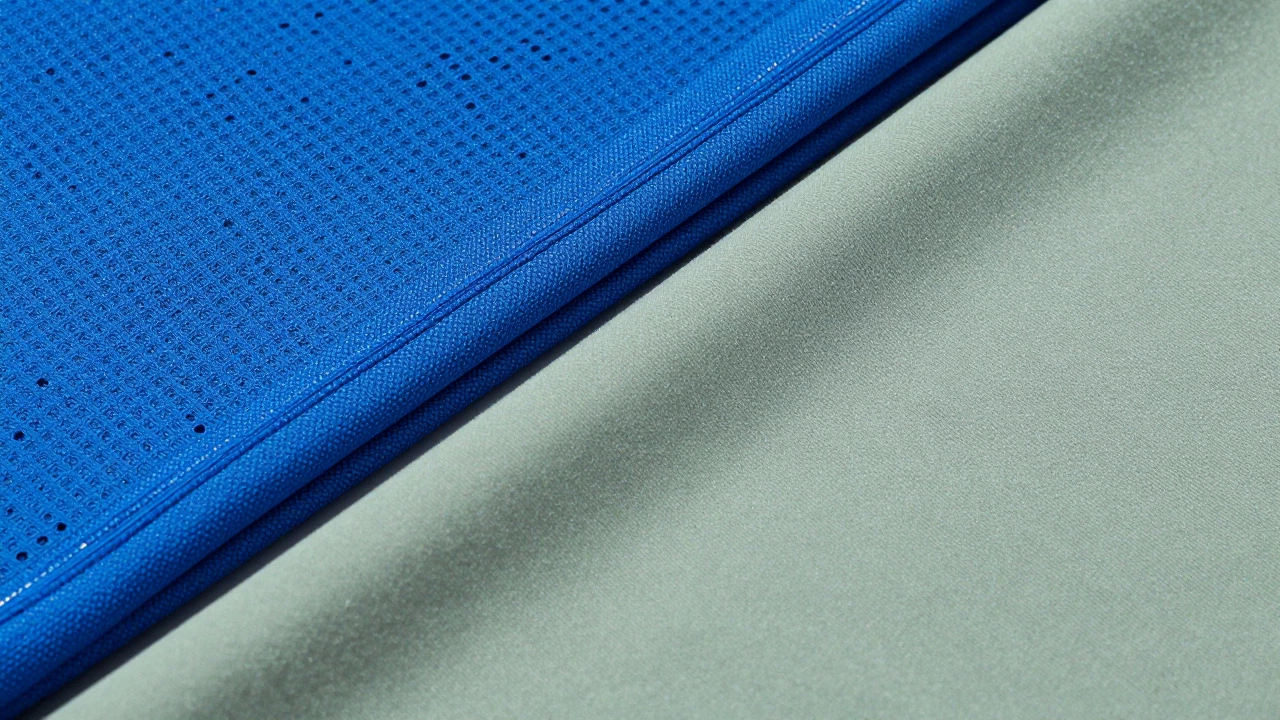
If you examine the label, the materials tell the story. Traditional sportswear relies heavily on synthetic technical fabrics. Polyester and nylon dominate here because they offer durability, quick-drying properties, and resistance to odor. For example, a running shirt made of 100% polyester mesh is designed to be lightweight and breathable under intense heat. Spandex (or Lycra) is added for elasticity, allowing full range of motion without restriction.
Athleisure often incorporates softer, more comfortable blends. While it still uses synthetics for stretch, you’ll frequently see higher percentages of cotton or modal mixed in to reduce that "plastic" feel against the skin. Seamless knitting techniques are also popular in athleisure, creating smooth lines that mimic second-skin fits without visible seams that can dig in. This makes athleisure pieces suitable for long periods of sitting, like working from home or traveling, whereas pure technical sportswear might feel too slick or thin for prolonged static use.
Design Aesthetics and Silhouettes
Visually, the two categories diverge in their design language. Sportswear tends to be bold, with high-visibility colors, large logos, and functional details like zip pockets, reflective strips, and adjustable hems. The silhouette is often form-fitting to reduce air resistance or provide muscle support. Think of a marathon runner’s kit: aerodynamic, minimal, and purpose-built.
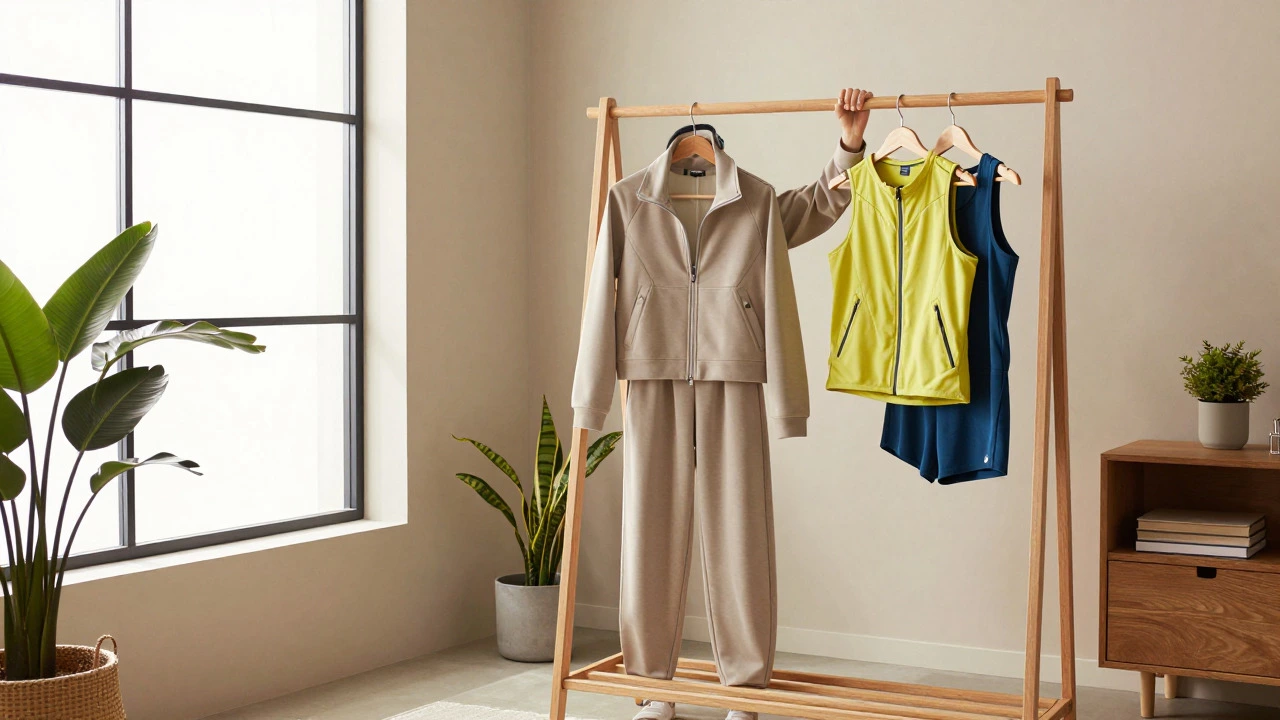
Athleisure leans into neutral tones, earthy palettes, and minimalist branding. Logos are small or hidden. The silhouettes are more varied, including oversized hoodies, wide-leg joggers, and structured crop tops. The goal is versatility. An athleisure jacket should look just as appropriate paired with jeans as it does with leggings. This crossover appeal is what drove the explosion of brands like Lululemon and Alo Yoga, which started as niche fitness labels but became mainstream fashion staples due to their stylish yet comfortable designs.
| Feature | Athleisure | Sportswear |
|---|---|---|
| Primary Goal | Comfort and everyday style | Performance and function |
| Typical Fabrics | Cotton blends, Modal, Soft Synthetics | Polyester, Nylon, Technical Mesh |
| Key Feature | Seamless construction, Neutral colors | Moisture-wicking, Compression, Reflectivity |
| Best Use Case | Casual outings, WFH, Light exercise | Gym, Running, High-intensity sports |
| Price Point | Mid to High (Fashion premium) | Low to Mid (Value for performance) |
When to Choose Which: Practical Scenarios
So, which one do you actually need? If you’re training for a half-marathon, invest in dedicated sportswear. Your body generates significant heat and sweat, and technical fabrics will keep you cooler and drier than a cotton-blend athleisure set. Chafing prevention is also a major factor here; sportswear garments are often laser-cut or bonded to eliminate friction points.
However, if your "workout" consists of a 30-minute walk or a gentle yoga session, and you plan to head straight to lunch afterward, athleisure is the smarter choice. The comfort level is higher for extended wear, and the style ensures you don’t look like you’ve just rolled out of bed. Many people now adopt a hybrid approach, keeping a core wardrobe of technical basics for serious training and a collection of stylish athleisure pieces for daily life. This strategy maximizes utility without sacrificing appearance.
The Blurring Lines and Future Trends
It’s worth noting that the boundary continues to shift. Major sportswear brands are launching "lifestyle" collections that incorporate softer fabrics and muted colors, effectively entering the athleisure space. Conversely, athleisure-focused brands are adding more technical features, such as UV protection and enhanced breathability, to appeal to active consumers. In 2026, we’re seeing a rise in "smart" textiles that bridge both worlds, offering the look of premium fashion with the functionality of lab-grade performance gear. This convergence means that while the definitions remain distinct in theory, in practice, many modern garments serve both roles seamlessly.
Building Your Wardrobe: A Balanced Approach
To get the most value from your active wardrobe, consider categorizing your purchases by frequency of use. Keep your high-performance items strictly for the gym or outdoor activities where conditions are demanding. Reserve your athleisure pieces for days when comfort is priority number one, but you still want to maintain a put-together look. By understanding the specific strengths of each category, you avoid the common mistake of wearing cheap, non-breathable activewear to the office or expensive, non-functional fashion pieces to the track. Each serves a distinct purpose, and respecting that distinction leads to a happier, more comfortable daily routine.
Can I wear sportswear as athleisure?
Yes, but with caveats. Technical sportswear often has visible logos, bright colors, or shiny fabrics that may not suit formal or semi-formal settings. However, neutral-colored, minimal-logo sportswear can double as casual athleisure for errands or light social gatherings.
Is athleisure more expensive than sportswear?
Generally, yes. Athleisure carries a fashion premium due to design focus and brand positioning. Basic sportswear from mass-market retailers is often cheaper because the cost is driven by fabric technology rather than aesthetic trendiness.
What is the best fabric for all-day comfort?
For all-day comfort, look for blends containing modal or cotton mixed with spandex. These materials offer softness and breathability without the clingy feel of pure polyester, making them ideal for athleisure-style wear.
Do I need special care for athleisure vs. sportswear?
Both require gentle washing to preserve elasticity. Avoid dryer heat for both, as it degrades spandex. For sportswear, wash immediately after sweating to prevent odor buildup in synthetic fibers. Athleisure items can usually be washed less frequently unless soiled.
Which category is better for travel?
Athleisure is generally better for travel. Its wrinkle-resistant nature, soft touch, and versatile styling make it perfect for long flights and varying temperatures. Technical sportswear can be too thin or slippery for extended sitting.