Foot Health Assessment Tool
Find the Right Footwear for Your Home
Answer a few questions to get personalized recommendations based on the latest foot health research.
Personalized Recommendations
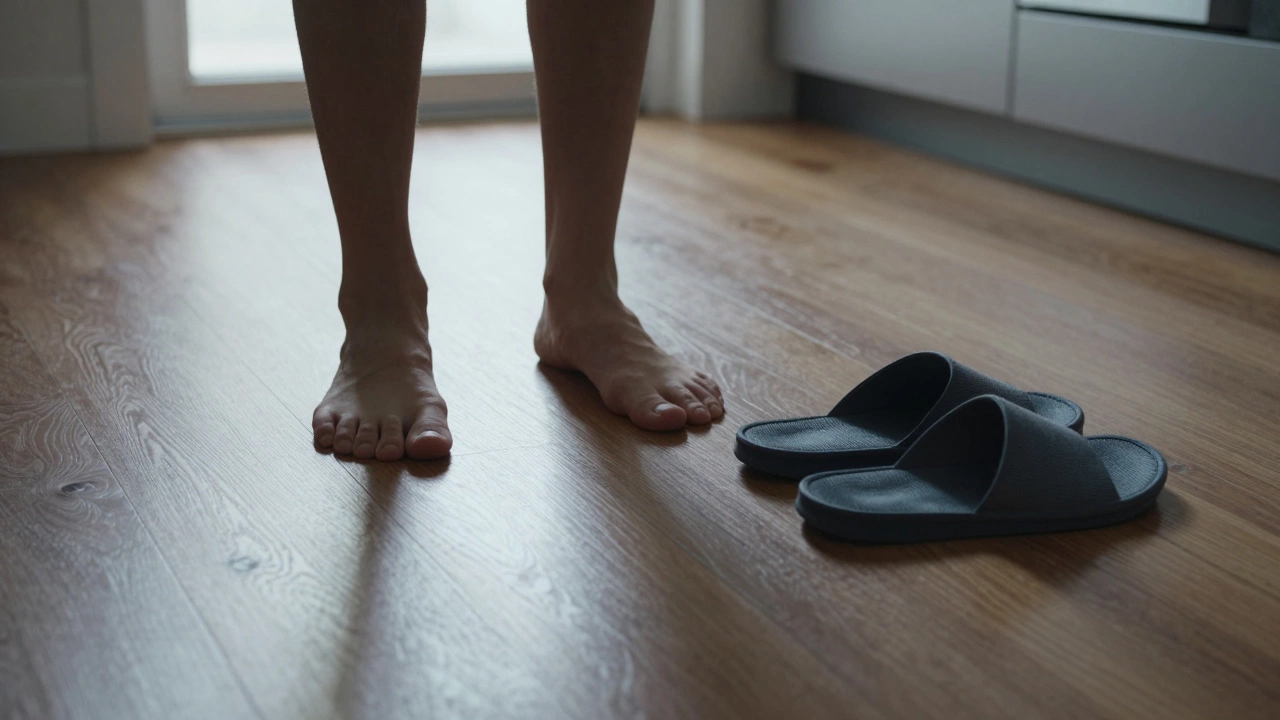
Most people think walking barefoot at home is natural-free, unshackled, like how our ancestors lived. But then there’s the slipper. Soft, cozy, always within reach. So which one actually helps your feet more? It’s not just about comfort. It’s about structure, support, and long-term health. And the answer isn’t as simple as ‘go barefoot’ or ‘wear slippers’-it depends on your floor, your feet, and how you move through your day.
Your Floor Matters More Than You Think
Hardwood, tile, concrete, laminate-these surfaces don’t care if you’re barefoot or wearing slippers. But they care a lot about your joints. In Auckland, where many homes have polished timber or cold ceramic tiles, walking barefoot means every step transfers impact directly into your arches, knees, and lower back. No cushioning. No shock absorption. Over time, that adds up. A 2023 study from the University of Otago found that people who walked barefoot on hard indoor surfaces for more than two hours a day showed 22% more foot fatigue than those wearing cushioned slippers.
Slippers with a soft, molded sole-especially ones with a slight heel cup and arch support-reduce that impact by up to 40%. That doesn’t mean you need orthopedic slippers. Even a basic foam or rubber-soled slipper from a local store makes a difference. Think of it like this: you wouldn’t run barefoot on asphalt. Why do it on your kitchen floor?
What Barefoot Walking Does to Your Feet
Barefoot walking isn’t bad. In fact, it can be great-if your feet are strong and your floors are soft. Grass, sand, thick carpet? Go for it. Your toes grip, your arches activate, and your foot muscles wake up. That’s why some physiotherapists recommend short barefoot sessions to improve balance and proprioception.
But here’s the catch: most people’s feet aren’t conditioned for that. Years of wearing shoes have weakened the small muscles in the feet. When you suddenly go barefoot on hard surfaces, your plantar fascia-the band of tissue running from heel to toe-gets overstretched. That’s how plantar fasciitis starts. And it doesn’t show up right away. It creeps in over months of daily barefoot walking on cold tiles.
Try this: stand barefoot on your bathroom floor for 60 seconds. If your toes curl, your arch feels tight, or your heel aches, your feet are telling you they need help.
Not All Slippers Are Created Equal
Not every slipper you find at the supermarket is worth wearing. Some are just fabric with a thin plastic sole-basically glorified socks. They offer zero support. Others have a contoured footbed, a rubber outsole, and a slight heel lift. Those are the ones that actually help.
Look for slippers with these features:
- A firm, molded midsole (not squishy foam)
- A heel cup that cradles your heel
- A flexible but supportive arch band
- A non-slip rubber sole (especially important if you have kids or pets)
Brands like Birkenstock, Finn Comfort, or even local New Zealand-made options like Footprints NZ use these designs. You don’t need to spend $100. A decent pair costs $30-$50 and lasts over a year with regular use.
And don’t fall for the myth that ‘the softer, the better.’ Too-soft soles force your foot to work harder to stabilize itself. That’s worse than walking barefoot.
Who Should Wear Slippers Every Day
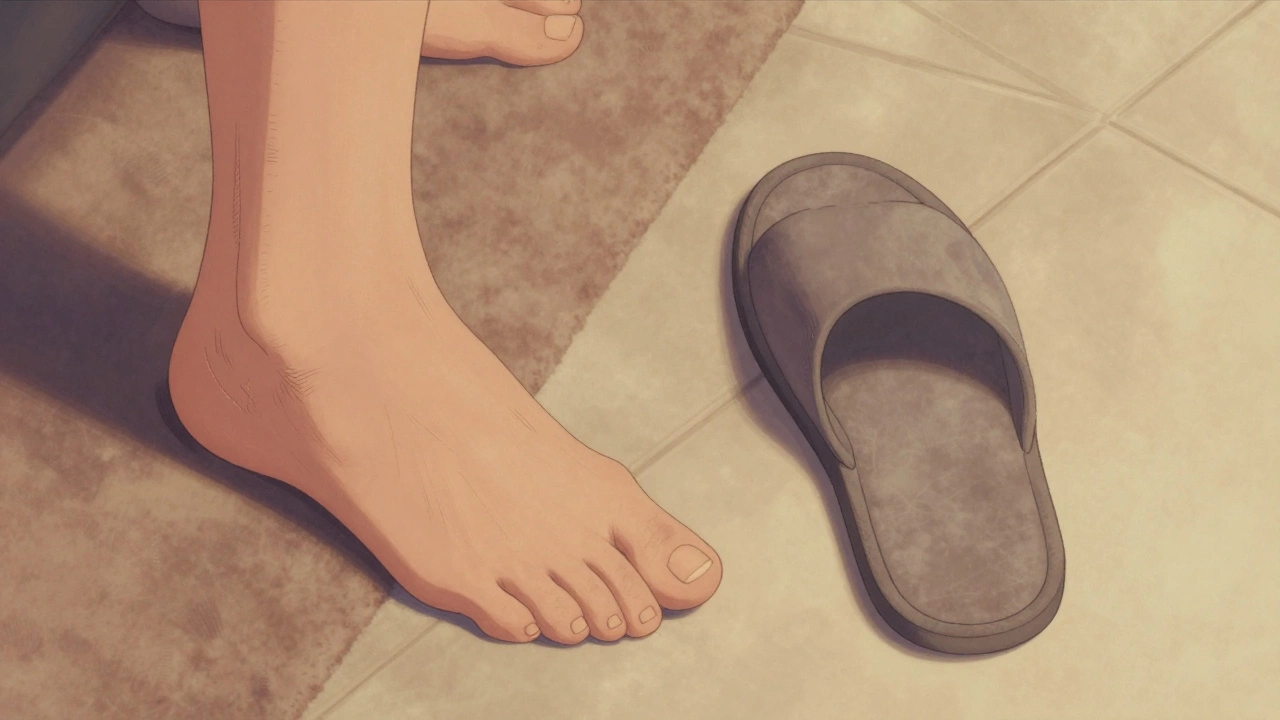
If you have flat feet, high arches, or any kind of foot pain, slippers aren’t optional-they’re necessary. Same if you’re over 40. As we age, the fat pads under our heels thin out. That natural cushioning disappears. Slippers with padding become a medical necessity, not a luxury.
Diabetics? Absolutely wear slippers. Numb feet can’t feel heat, sharp objects, or pressure points. A tiny pebble or a hot radiator can cause serious damage without you noticing. Closed-back slippers with a seamless interior are the safest choice.
Even if you don’t have pain now, if you stand for long periods while cooking, cleaning, or working from home, slippers protect your body from repetitive stress. Your knees and hips will thank you five years from now.
When Barefoot Is Actually Better
There are times when going barefoot is the smart move. After a long day, take 10 minutes to walk barefoot on a thick rug or foam mat. It helps reset your foot muscles and improves circulation. Some people even do toe curls on a towel to strengthen their arches.
Children under 8 should walk barefoot indoors as much as possible. Their feet are still developing. The sensory feedback from the ground helps build coordination and strength. Just make sure the floor is clean and safe.
And if you have a home with carpeted floors or heated concrete? Barefoot walking is perfectly fine. The surface absorbs enough impact to protect your joints.
The Middle Ground: Hybrid Approach
You don’t have to pick one. Most people do both, just not at the same time.
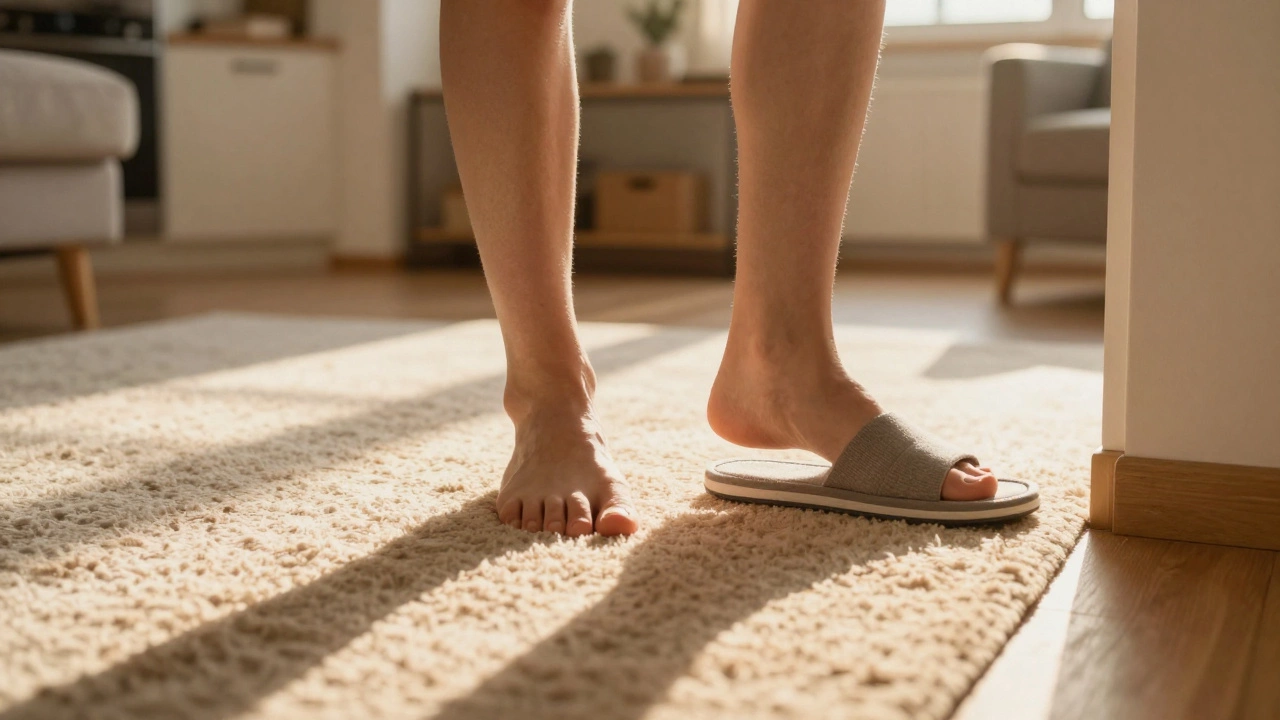
Wear supportive slippers during chores, meal prep, or while working at the kitchen counter. Then, take them off and walk barefoot on the rug while watching TV. Or wear slippers in the morning and evening, when floors are coldest, and go barefoot during the day if your home has soft flooring.
This approach gives you the benefits of both: protection when you need it, and natural movement when you can afford it.
What Experts Really Say
Podiatrists in New Zealand and Australia don’t tell people to avoid barefoot walking. They tell people to be smart about it. Dr. Lisa Chen, a senior podiatrist at Auckland Foot & Ankle Clinic, says: ‘We see patients every week with heel pain caused by walking barefoot on hard floors. It’s not the barefoot part-it’s the hard surface. The solution isn’t to stop going barefoot. It’s to add the right support when it matters most.’
She recommends a simple rule: if you can’t see your foot arch when standing barefoot on a hard floor, you need more support. If your foot rolls inward (overpronation) when you walk barefoot, slippers with arch support can prevent long-term alignment issues.
Practical Tips to Get It Right
- Keep a pair of supportive slippers by every door and in every main room.
- Replace slippers when the sole flattens or the heel cup breaks down-usually every 12-18 months.
- Wash slippers regularly. Bacteria and fungi thrive in warm, damp environments.
- Try walking barefoot on a textured mat (like a massage mat) for 5 minutes a day to stimulate foot nerves.
- If you feel pain in your heel, arch, or ball of the foot after walking barefoot, switch to slippers for a week and see if it improves.
There’s no universal rule. But there is a smart rule: match your footwear to your environment. Your feet aren’t designed for concrete. They’re designed for movement-with support when needed, and freedom when safe.
Final Thought: It’s Not About Tradition. It’s About Function.
Our grandparents walked barefoot because they didn’t have slippers. We have them. And we have better understanding of how our bodies work. Choosing slippers isn’t giving in. It’s choosing to protect your body so you can keep moving-without pain-for years to come.
Is walking barefoot at home good for your feet?
It can be, but only if your floors are soft-like thick carpet or foam mats. On hard surfaces like tile or wood, barefoot walking increases pressure on your arches and heels, which can lead to plantar fasciitis or joint pain over time. If you have foot conditions like flat feet or diabetes, it’s better to wear supportive slippers.
What kind of slippers are best for home use?
Look for slippers with a firm, molded midsole, a heel cup that holds your heel in place, and a flexible but supportive arch band. Avoid flimsy foam soles or fabric-only slippers-they offer no real support. Rubber soles with non-slip treads are essential for safety, especially in kitchens or bathrooms.
Can wearing slippers weaken your feet?
Only if they’re too soft or lack structure. Slippers with cushioned but supportive soles don’t weaken feet-they protect them. But if you wear slippers with no arch support all day, your foot muscles may become lazy. The key is balance: wear supportive slippers for chores, then take them off to walk barefoot on soft surfaces to keep your feet active.
Are slippers better than shoes indoors?
Yes, for most people. Shoes are designed for outdoor use-rigid, heavy, and often restrictive. Slippers are lighter, more flexible, and still provide enough support for indoor walking. Unless you’re doing heavy lifting or moving furniture, slippers are the better indoor choice.
Should kids walk barefoot at home?
Yes, children under 8 benefit from walking barefoot indoors on safe, clean surfaces. It helps develop foot strength, balance, and sensory awareness. Just avoid hard, cold floors for long periods. A soft rug or foam mat is ideal.
How often should I replace my home slippers?
Replace them every 12 to 18 months, or sooner if the sole flattens, the heel cup collapses, or the grip wears down. Worn-out slippers offer no support and can be a slipping hazard. Don’t wait until they’re uncomfortable-replace them before they stop working.