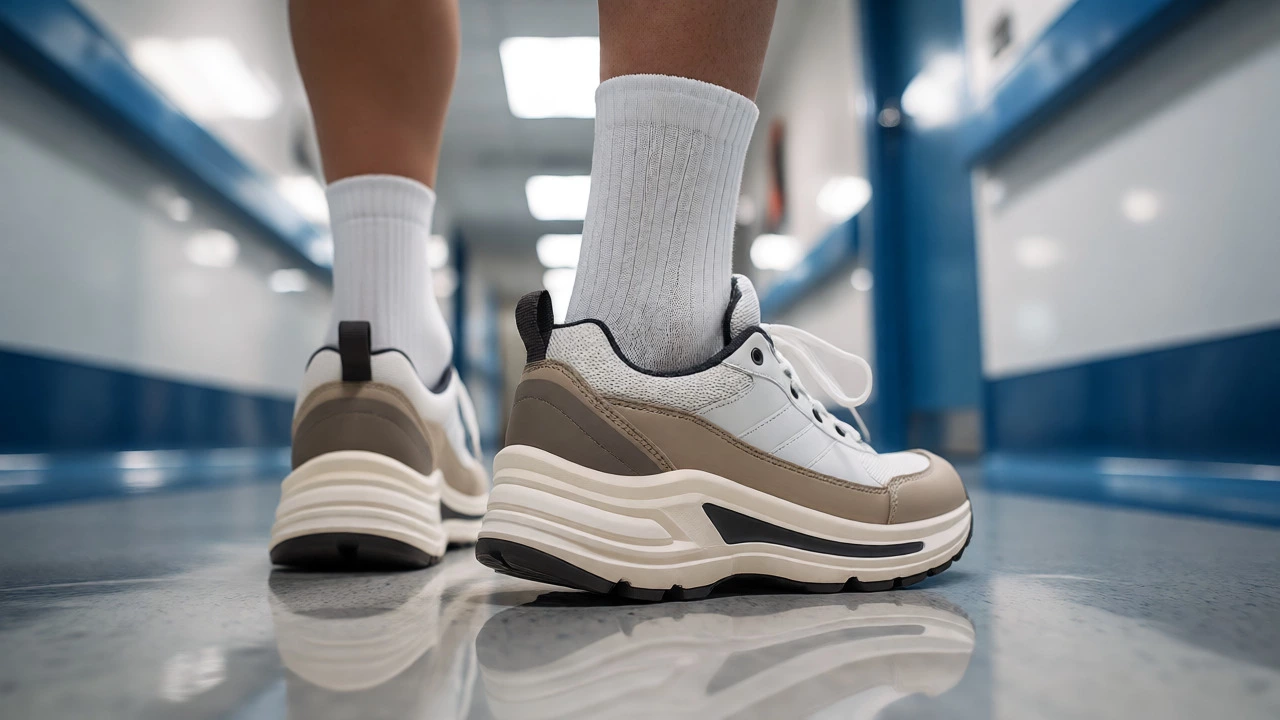
Work Shoe Comfort & Fit Checker
Not sure if those expensive shoes are right for you? Or wondering why your current pair hurts? Answer these questions to get a personalized comfort score and specific recommendations based on ergonomic principles.
You know that feeling. It’s 3 PM, you’ve been on your feet since 7 AM, and your lower back starts to ache while your heels throb with every step. You look down at your feet and wonder if they’re actually swelling up like balloons. If you work in retail, healthcare, hospitality, or any job that keeps you vertical for eight hours or more, your choice of footwear isn't just about style-it's about survival.
Here is the hard truth: there is no single "magic shoe" that fixes everything for everyone. Your foot shape, arch type, weight, and even the floor surface (concrete vs. carpet) change what works best. But there are specific features that separate a comfortable work shoe from one that will leave you limping by Friday. This guide breaks down exactly what to look for, which brands actually deliver, and how to break them in without suffering.
The Key Features That Actually Matter
Before you buy anything, you need to understand the mechanics of why standing hurts. When you stand still, blood pools in your legs, and your muscles have to work constantly to keep you upright. Without support, your joints take the hit. So, ignore the flashy marketing and focus on these three non-negotiables.
First, cushioning is the material layer between your foot and the ground that absorbs impact energy. For standing, you don't want the squishy, unstable foam found in running shoes designed for forward motion. You want firm, responsive cushioning that returns energy. Look for materials like EVA (ethylene-vinyl acetate) or polyurethane midsoles. They compress under load but spring back, reducing fatigue over thousands of steps.
Second, arch support is the structural element that maintains the natural curve of your foot. If you have flat feet, you need strong medial posts to prevent overpronation (rolling inward). If you have high arches, you need deeper contouring to fill the gap so your plantar fascia doesn't stretch too far. Generic flat insoles often fail here because they assume an average foot, which rarely exists.
Third, consider the drop height, which is the difference in thickness between the heel and the forefoot. A moderate drop (4-8mm) is usually best for standing. Too low (zero drop), and you strain your calves and Achilles tendon. Too high (10mm+), and you shift your weight onto your toes, causing metatarsalgia (ball-of-foot pain).
Top Contenders by Profession
Different jobs demand different protections and comfort levels. Here is a breakdown of what tends to work best based on real-world usage in various industries.
| Shoe Type | Best For | Cushioning Level | Durability | Price Range (NZD) |
|---|---|---|---|---|
| Hoka Bondi | Nurses, Retail Staff | Maximum | Moderate | $250 - $300 |
| New Balance 990 Series | Office Workers, Teachers | High | High | $280 - $350 |
| Dansko Professional Clog | Kitchen Staff, Chefs | Firm Rocker | Very High | $220 - $260 |
| Birkenstock Arizona | Light Duty, Indoor | Customizable Cork | High | $180 - $220 |
| Timberland PRO Pit Boss | Construction, Warehousing | Anti-Fatigue Insole | Extreme | $200 - $250 |
Let’s unpack this. Hoka has become the default recommendation for nurses and doctors for a reason. Their oversized midsoles provide a massive amount of shock absorption. However, some people find them too soft, leading to instability if you walk fast. If you prefer stability over pure squish, Brooks Ghost or Adidas Ultraboost are excellent alternatives that offer a firmer ride.
For those in hospitality or kitchens, slip resistance is critical. Dansko clogs use a rocker-bottom sole design. This forces your foot to roll through the step rather than planting flat, which reduces strain on the knees and hips. The downside? They are heavy. If you aren't used to that weight, give yourself two weeks to adjust.
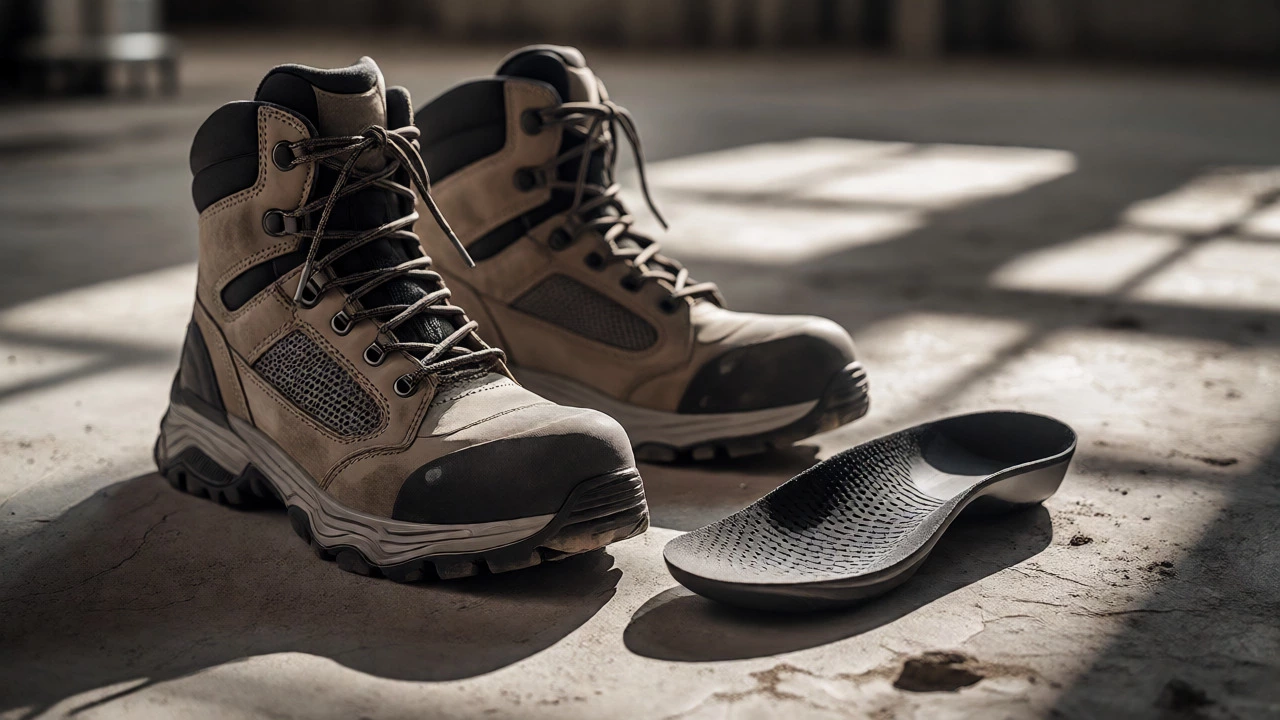
If you wear steel-toe boots for construction or warehouse work, modern options have improved drastically. Old-school boots were rigid bricks. Today, composite toe caps and breathable mesh panels make them feel closer to athletic sneakers. Brands like Keen Utility and Timberland PRO integrate anti-fatigue technology directly into the insole, which helps combat the vibration fatigue from concrete floors.
The Secret Weapon: Custom Insoles
Sometimes, the shoe itself isn't the problem-the factory insole is. Most mass-produced shoes come with thin, generic foam inserts that flatten out after a month. If you have already bought a good shoe but still hurt, swap the insole before buying another pair.
Over-the-counter orthotics from brands like Superfeet or Dr. Scholl's can transform a mediocre shoe. Superfeet Green, for example, offers high arch support and deep heel cups that stabilize the rearfoot. This prevents your ankle from rolling, which aligns your knees and hips. Many podiatrists recommend trying a $60-$80 quality insole before spending $300 on new shoes. It’s a cheaper experiment that often solves the issue.
However, be careful. Adding a thick insole takes up volume inside the shoe. If your current shoes fit snugly, adding an orthotic might make them too tight, cutting off circulation. Always try the insole first. If it feels cramped, you may need to go up half a size when purchasing new footwear.
How to Break Them In Without Pain
Never wear brand-new work shoes for a full 10-hour shift on day one. This is the fastest way to get blisters and ruined confidence. Follow this gradual break-in schedule:
- Day 1-2: Wear them around the house for 1-2 hours. Check for hot spots-areas where the material rubs aggressively against your skin.
- Day 3-4: Wear them for short errands or part of your work shift (if possible). Use thick socks to protect your feet.
- Day 5-7: Gradually increase wear time. If you feel sharp pain (not just muscle fatigue), stop. Sharp pain indicates a structural mismatch.
Pro tip: Rotate your shoes. Wearing the same pair every day prevents the foam from recovering its shape. Having two pairs allows each to decompress overnight, extending their lifespan and keeping them fresher. This also lets you alternate pressure points slightly, which can reduce repetitive strain injuries.
When to Replace Your Work Shoes
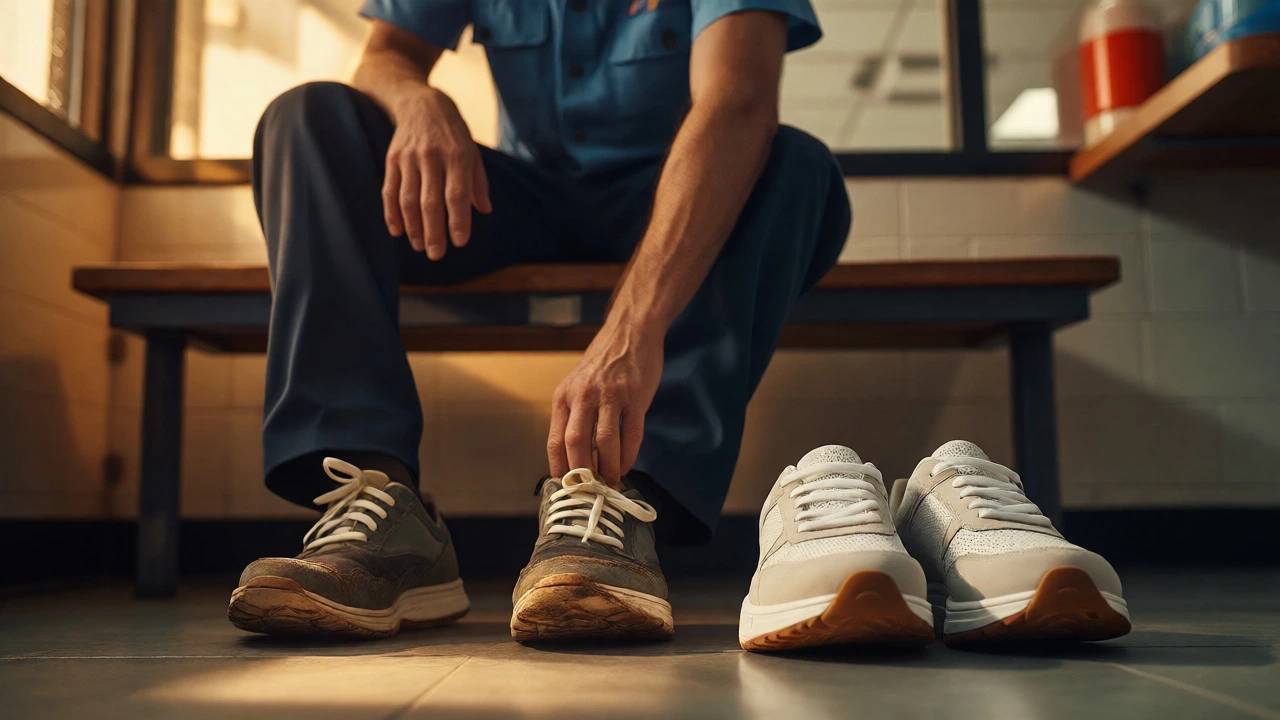
How long do work shoes last? It depends on your weight and activity level, but generally, expect 6 to 12 months of daily use. Don't wait until the sole falls off. Watch for these signs:
- Uneven wear patterns: If one side of the heel wears down faster, your alignment is off, and the shoe can no longer correct it.
- Loss of rebound: Press your thumb into the midsole. If it stays depressed and doesn't spring back quickly, the cushioning is dead.
- New pains: If you start getting knee or hip pain that wasn't there before, your shoes have likely lost their support structure.
Ignoring worn-out shoes transfers stress to your joints. Replacing them early is cheaper than physical therapy.
Frequently Asked Questions
Are running shoes good for standing all day?
Yes, many running shoes are excellent for standing because they prioritize cushioning. However, avoid shoes designed specifically for speed or racing, as they often have minimal support. Look for "stability" or "neutral cushioning" models like Brooks Adrenaline or Hoka Clifton. Ensure they have a wide enough toe box to accommodate slight swelling during the day.
Why do my feet swell at work?
Gravity causes fluid to accumulate in your extremities when you stand still for long periods. This is normal physiological response. To mitigate it, wear compression socks, which help push blood back up toward the heart. Also, ensure your shoes are not too tight; lacing them loosely can allow for expansion without losing security.
Do expensive shoes really make a difference?
Not always. Price does not guarantee comfort. A $100 New Balance sneaker with proper sizing and a good insole can outperform a $300 designer boot. The key factors are fit, arch support, and cushioning density. Test the shoe on your own foot rather than relying solely on brand reputation or price tag.
What is the best sock to wear with work shoes?
Avoid 100% cotton socks, as they retain sweat and cause blisters. Choose synthetic blends (like Coolmax) or Merino wool, which wick moisture away and regulate temperature. For extra support, consider graduated compression socks, which improve circulation and reduce leg fatigue significantly during long shifts.
Can I wear sandals to work if I'm allowed?
Only if they are structured support sandals, not flip-flops. Birkenstocks or Tevas with contoured footbeds provide necessary arch support. Flat, unsupportive sandals force your toes to grip the sole, leading to claw toe deformities and calf strain over time. If you must wear open shoes, ensure they have a secure strap across the instep.