Leather Shoe Troubleshooter
Select the issue you are experiencing with your leather shoes to get a diagnosis and step-by-step fix.
The Cause
The Solution
Step-by-Step Instructions:
You step out in your favorite pair of leather boots, only to realize later that a sudden downpour left them stiff and cracked. Or maybe you used the wrong cleaner, and now the finish looks cloudy and dull. The short answer is yes, you can absolutely ruin leather shoes. But here is the good news: most damage is either preventable or reversible if you catch it early.
Leather is a living material. It breathes, expands, and contracts with temperature and humidity. Treat it like plastic, and it will fail. Treat it like skin, and it can last for decades. Understanding what actually harms leather-and how to fix those mistakes-is the difference between tossing a $200 pair into the trash and wearing them until they are worn out by time, not neglect.
The Silent Killers: Moisture and Heat
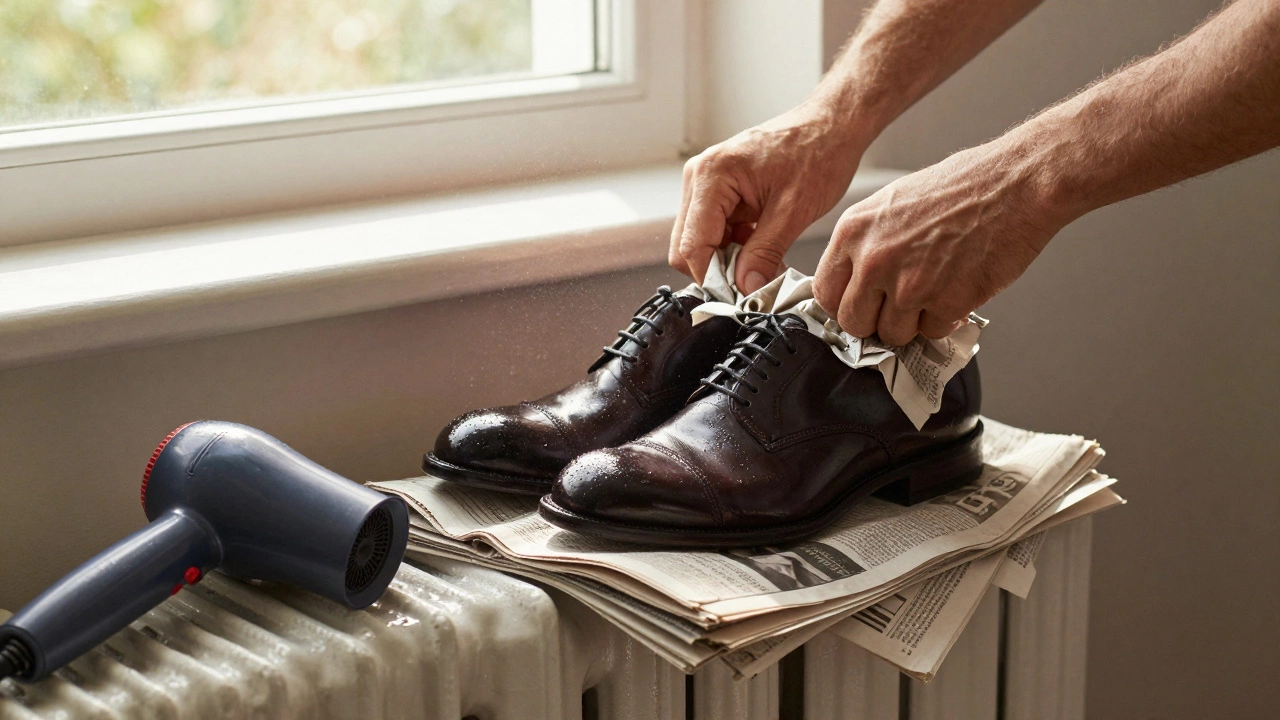
If there is one thing that destroys leather faster than anything else, it is improper drying. When your leather shoes get wet, the instinct is often to blast them with heat to dry them quickly. This is a massive mistake. High heat from radiators, hairdryers, or direct sunlight causes the natural oils in the leather to evaporate rapidly. Without these oils, the fibers become brittle. As they cool, they shrink and crack, creating permanent lines that no amount of polish can hide.
In Auckland, where weather shifts from sun to rain in minutes, this is a common trap. If your shoes get soaked, do not panic. Stuff them with newspaper or shoe trees to absorb moisture from the inside. Let them air dry at room temperature, away from direct heat sources. It might take 24 hours, but the result is a shoe that retains its shape and flexibility.
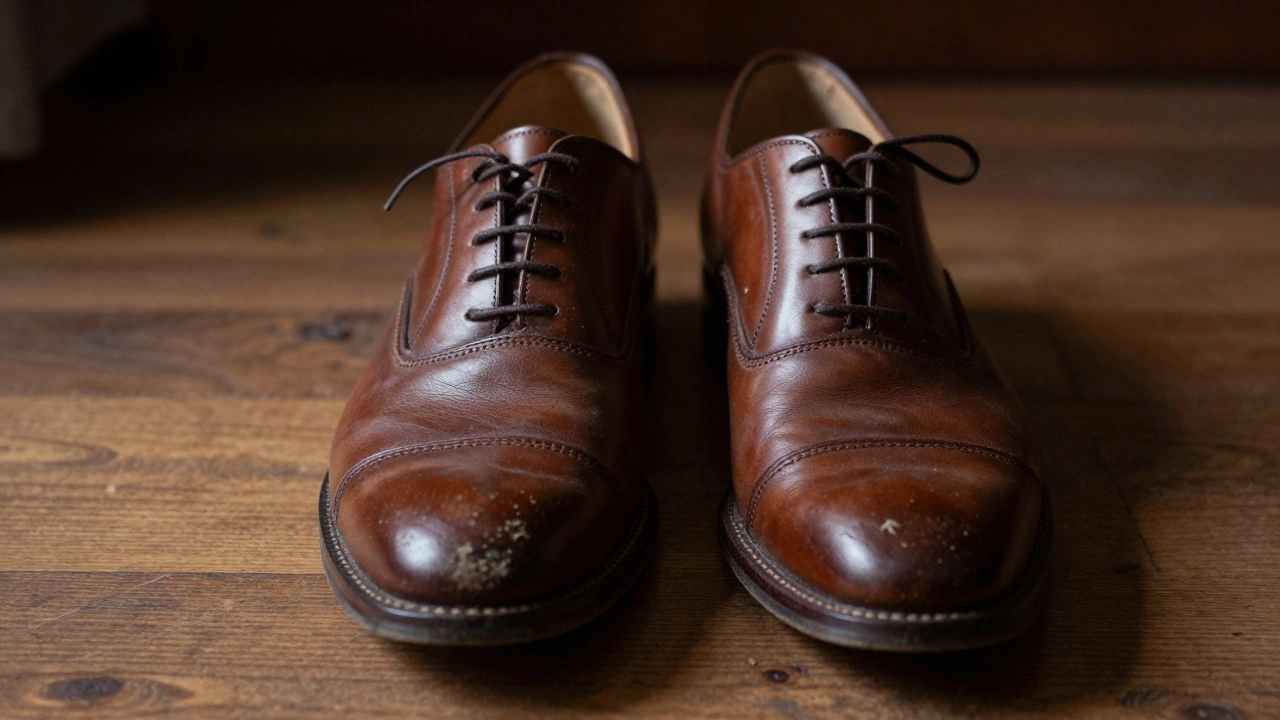
Another moisture-related issue is mold. If you store damp shoes in a closed box, mold spores thrive in that dark, humid environment. You will see white or green fuzzy spots on the surface. While unsightly, mild mold can often be brushed off gently with a soft brush and treated with a specialized leather antifungal solution. However, deep mold penetration can rot the leather structure, making the shoe unsafe to wear.
Chemical Burns and Wrong Cleaners
Using household cleaners on leather is another quick way to ruin your footwear. Products containing ammonia, bleach, or harsh solvents strip the protective topcoat and degrade the leather fibers. You might think a quick wipe with all-purpose cleaner saves time, but it often leaves a sticky residue or causes discoloration that spreads unevenly.
Even some "leather-safe" products can cause issues if misused. For example, using a heavy wax-based conditioner on suede or nubuck leather will clog the nap, turning the soft texture into a hard, shiny mess. Always check the type of leather before applying any product. Smooth calfskin needs different care than full-grain cowhide or delicate suede.
If you accidentally use the wrong cleaner, act fast. Wipe the area immediately with a damp cloth to remove as much chemical as possible. Then, apply a small amount of neutral leather conditioner to restore some lost moisture. If the discoloration persists, professional restoration may be necessary.
Mechanical Damage: Scratches, Scuffs, and Creases
Physical abuse takes a toll too. Dragging your feet, kicking curbs, or stepping on rough surfaces creates scuffs and scratches. While minor scuffs can often be buffed out with a soft cloth or eraser, deep gouges expose the raw leather underneath. These exposed areas are vulnerable to further cracking and dirt accumulation.
Creasing is an inevitable part of wearing leather shoes, but excessive creasing can lead to stress fractures. This happens when the leather bends repeatedly without adequate support. Using a proper fit is crucial; shoes that are too loose allow the foot to slide forward, causing unnatural bending at the toe box. Conversely, shoes that are too tight stretch the leather beyond its elastic limit, leading to permanent deformation.
To minimize creasing, use cedar shoe trees. They maintain the shoe's shape and help wick away moisture. Insert them while the shoes are still slightly warm from wear. Over time, this habit significantly reduces deep crease formation and extends the life of the upper leather.
Neglect: The Slow Death of Leather
Sometimes, ruining leather shoes isn't about doing something wrong-it's about doing nothing at all. Leather loses its natural oils over time through wear and exposure to the elements. Without regular conditioning, it becomes dry and prone to cracking. Think of it like human skin; without moisturizer, it gets flaky and fragile.
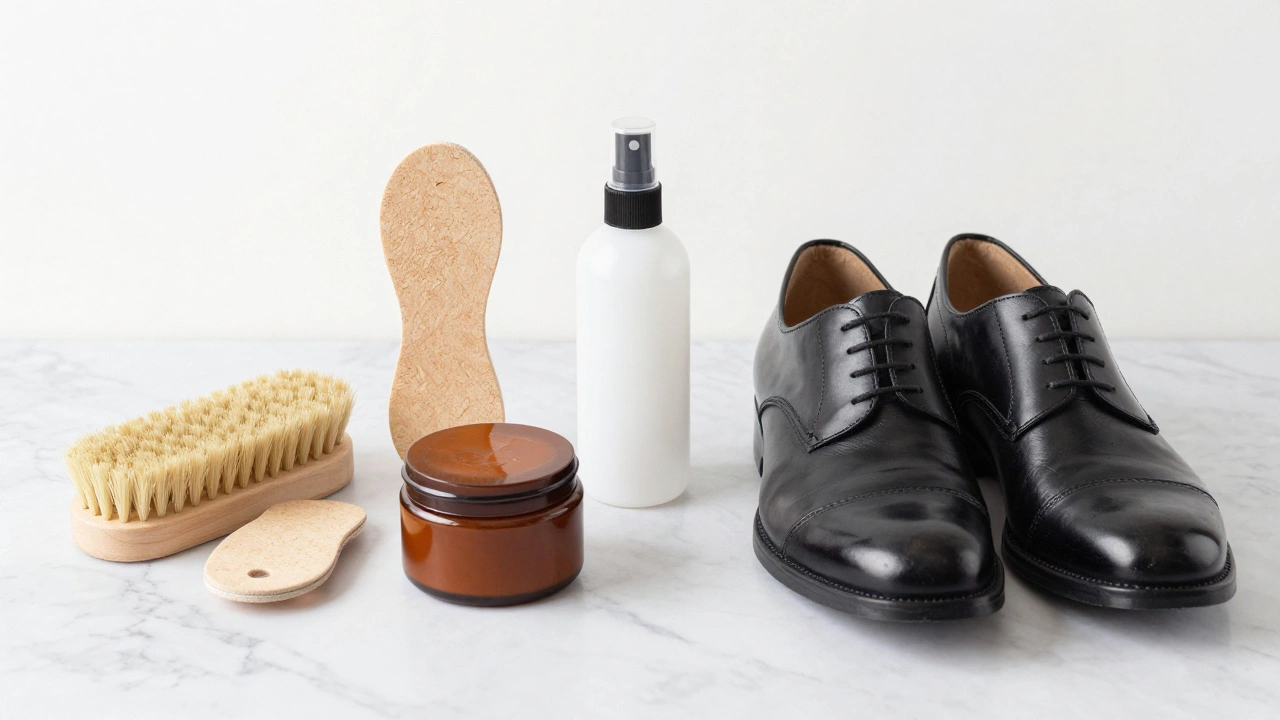
A simple maintenance routine goes a long way. After every few wears, brush off dirt and dust. Once a month, apply a high-quality leather conditioner. Look for products containing lanolin, beeswax, or mink oil, which penetrate deeply without leaving a greasy film. Avoid silicone-based conditioners, which sit on the surface and create a false shine that traps moisture and leads to rot.
Polishing serves both aesthetic and protective purposes. A good layer of wax polish fills in micro-scratches and provides a water-resistant barrier. Don't skip this step just because you prefer a matte look; even unpolished leather benefits from the protection offered by a thin coat of cream or balm.
How to Fix Common Leather Shoe Problems
Have you already made a mistake? Here is how to address specific issues:
- Dry, Cracked Leather: Apply a generous amount of rich leather conditioner. Let it soak in for several hours or overnight. Repeat if necessary. Deep cracks may require a leather filler followed by recoloring.
- Water Stains: Often, water stains disappear once the leather dries completely. If they persist, gently rub the area with a damp sponge, then condition thoroughly to equalize the moisture level across the surface.
- Stiffness: If shoes have become stiff due to drying out, massage in a flexible leather conditioner. Wear them indoors for short periods to help the leather regain its pliability.
- Discoloration: Use a leather dye or color restorer matched to your shoe's shade. Test on an inconspicuous area first. Apply thinly with a sponge or cloth, building up layers gradually.
| Problem | Cause | Solution |
|---|---|---|
| Cracking | Dryness, heat damage | Deep conditioning, avoid heat |
| Stiffness | Lack of movement, old leather | Conditioner, gentle stretching |
| Water Spots | Uneven drying | Re-wet evenly, dry slowly, condition |
| Fading | Sun exposure, friction | Color restorer, UV protectant |
| Mold | Damp storage | Antifungal treatment, thorough drying |
Prevention Is Better Than Cure
The best way to ensure your leather shoes don't end up ruined is to adopt preventive habits. Start with quality materials. Full-grain leather is more durable and ages better than corrected grain or bonded leather. Invest in good shoe horns to avoid crushing the heel counter when putting them on.
Rotate your shoes. Wearing the same pair two days in a row doesn't give them enough time to dry out internally. Sweat from your feet adds significant moisture. Giving each pair at least 24 hours of rest allows the leather to breathe and recover its shape.
Use waterproofing sprays designed for leather. These create an invisible shield against rain and spills without altering the appearance. Reapply every few months, especially after cleaning.
Finally, know when to seek professional help. Cobbler services can resole shoes, replace heels, and perform major repairs that DIY kits cannot handle. Regular professional maintenance can extend the life of high-quality leather shoes by years.
Can I put leather shoes in the dryer?
Absolutely not. The intense heat will warp the shape, shrink the leather, and cause severe cracking. Always air dry leather shoes at room temperature.
How do I remove salt stains from leather shoes?
Mix equal parts white vinegar and water. Dampen a cloth with the solution and gently dab the stained area. Wipe with a clean, damp cloth afterward, then condition the leather to restore moisture.
Is Vaseline good for leather shoes?
Vaseline (petroleum jelly) is generally not recommended. It can darken the leather significantly and may clog pores, preventing the material from breathing. Use dedicated leather conditioners instead.
Can I wear leather shoes in the rain?
Yes, but prepare them first. Apply a waterproofing spray suitable for leather. After getting wet, dry them properly away from heat and condition them to replenish lost oils.
How often should I condition my leather shoes?
For regular wear, condition every 1-2 months. If you wear them frequently in harsh conditions, you may need to condition monthly. Less frequent wear requires less frequent conditioning, perhaps every 3-4 months.