Leather Footwear Selector
Answer these questions to find the best leather type for your next pair of shoes.
Why this choice?
| Feature | Cow Leather | Pig Leather |
|---|---|---|
| Durability | High density, resists tearing | Lower density, prone to abrasion |
| Breathability | Moderate (depends on finish) | High (open pore structure) |
| Water Resistance | Good when treated | Poor (absorbs moisture quickly) |
| Best Use Case | Outer soles, dress shoes, boots | Lining, lightweight sneakers |
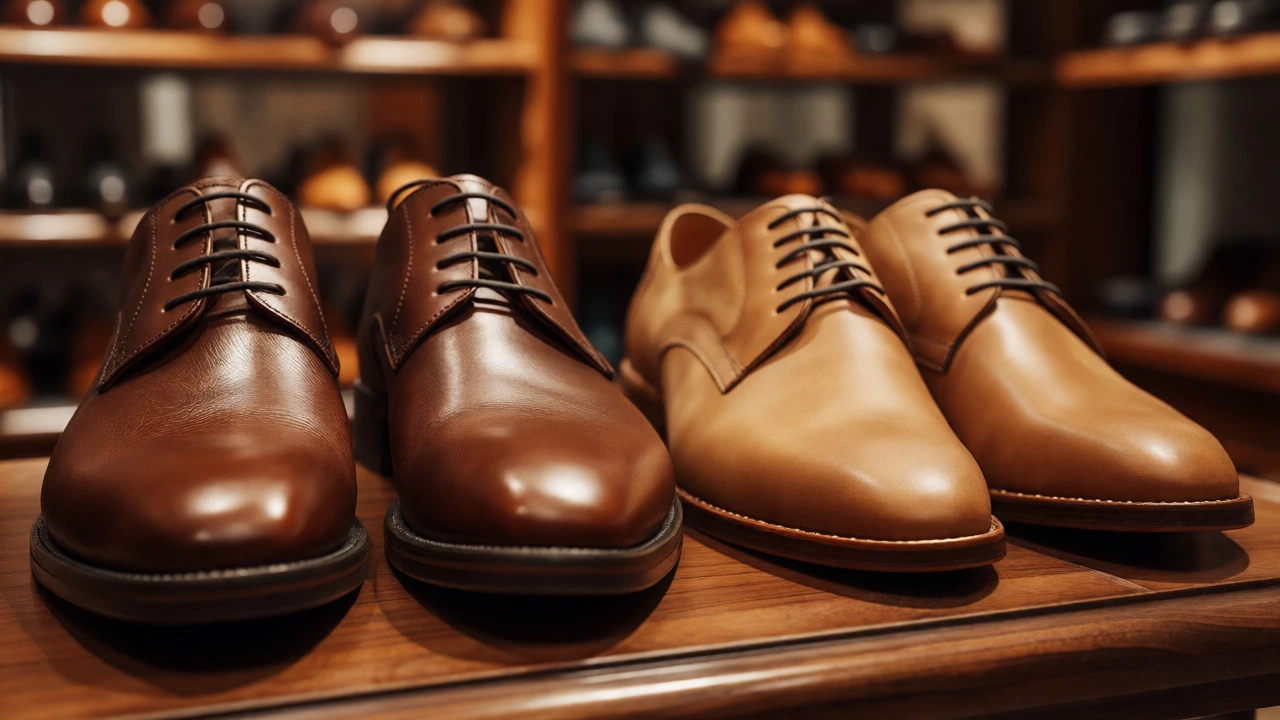
You’re standing in a shoe store, holding two pairs that look identical. One tag says "genuine cowhide," the other says "pigskin." The price difference is negligible, but you know there’s a catch. You’ve heard rumors that one lasts ten years and the other falls apart in two. So, which one should you actually buy? The answer isn't just about what feels tougher; it's about how the fibers are built.
| Feature | Cow Leather | Pig Leather |
|---|---|---|
| Durability | High density, resists tearing | Lower density, prone to abrasion |
| Breathability | Moderate (depends on finish) | High (open pore structure) |
| Water Resistance | Good when treated | Poor (absorbs moisture quickly) |
| Flexibility | Stiff initially, breaks in slowly | Soft immediately, lacks support |
| Best Use Case | Outer soles, dress shoes, boots | Lining, lightweight sneakers |
The Structure Tells the Story
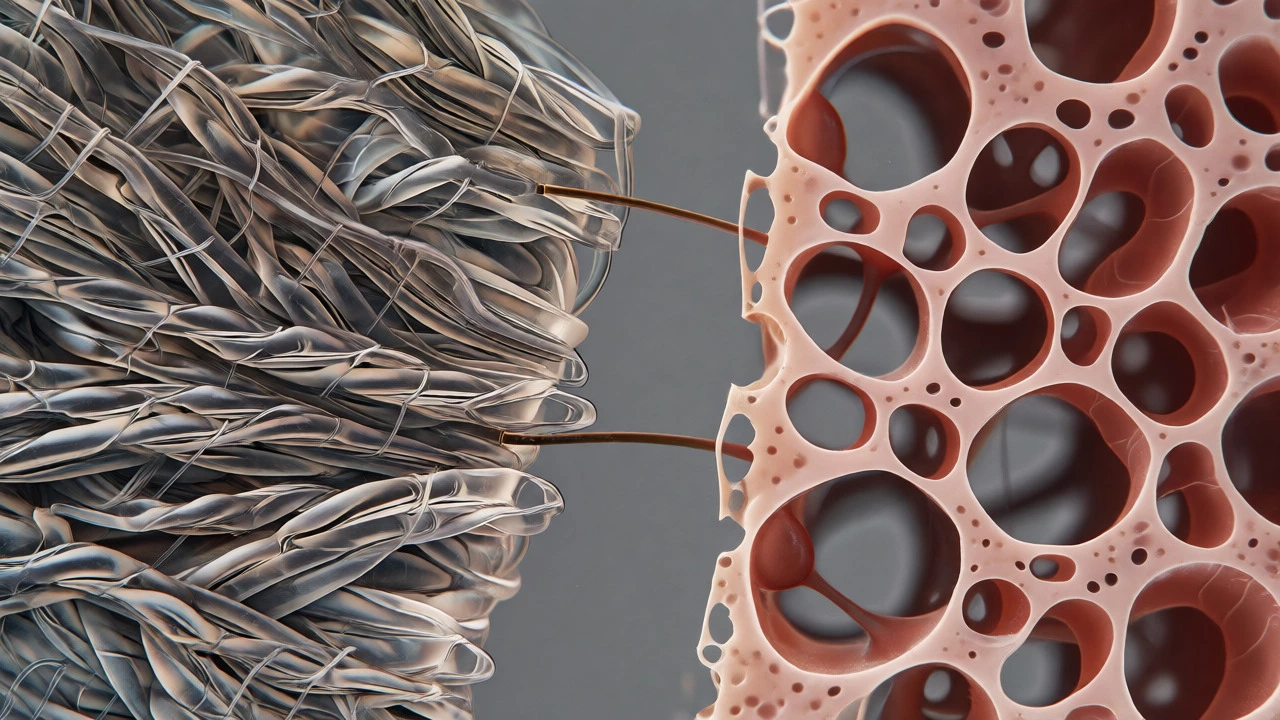
To understand why these materials behave differently, you have to look at the biology. Cow leather, also known as bovine hide, comes from cattle raised primarily for beef or dairy. Its defining characteristic is its fiber density. The collagen fibers in cowhide are tightly packed and interwoven, creating a material that is incredibly resistant to stretching and tearing. This structural integrity is why you see it used in heavy-duty applications like work boots and high-end dress shoes.
In contrast, pig leather is derived from domestic pigs. It has a distinct three-pore pattern visible under magnification, where hair follicles penetrate deep into the dermis. This creates a more open structure. While this makes pig skin naturally breathable and soft, it compromises strength. The fibers aren't as tightly bound, meaning pig leather stretches more easily and wears down faster under friction.
Durability: Where Cow Wins Hands Down
If you drop your keys on a pair of cow leather loafers, you might get a scuff. If you do the same to pig leather, you risk a puncture. Cow leather’s tensile strength is significantly higher. For everyday footwear that takes a beating-commuting on concrete, walking through rain, or kicking off heels-cow leather is the superior choice. It maintains its shape over time. Pig leather, being softer, tends to lose its form after months of wear, leading to sloppy-looking shoes that no longer fit snugly.
Consider the outsole. Most quality leather-soled shoes use vegetable-tanned cow leather because it can withstand the abrasion of pavement. Using pig leather for an outsole would be like putting paper tires on a car. It simply doesn't have the mass or hardness required. However, pig leather excels in areas where durability matters less than comfort.
Breathability and Comfort: The Pig Advantage
Here is where pig leather fights back. Because of those large pores, air moves through pig skin much more freely than through dense cowhide. This is why pig leather is the gold standard for shoe linings. When you slip your foot into a sneaker lined with pigskin, it feels cool and dry. Moisture wicks away quickly, reducing the chance of fungal growth or odor.
Cow leather linings exist, but they often feel clammy unless heavily perforated or finished with breathable membranes. If you live in a hot, humid climate, a fully cow-leather shoe might feel stifling compared to one with pig lining. But remember: lining is different from the upper. You want the outside tough (cow) and the inside breathable (pig). Many manufacturers already do this hybrid approach, giving you the best of both worlds.
Water Resistance and Maintenance
Neither natural leather is waterproof out of the box, but they react to water differently. Cow leather, due to its density, absorbs water slowly. If you treat it with wax or conditioner, it becomes highly water-resistant. Pig leather, however, acts like a sponge. Its porous nature means water soaks in fast, which can lead to stiffening and cracking if not dried properly.
Maintenance routines differ too:
- Cow Leather: Needs regular conditioning to keep oils balanced. Polishing restores shine and adds a protective layer.
- Pig Leather: Requires gentle cleaning. Heavy creams can clog the pores, defeating its breathability advantage. A simple wipe-down is often enough.
If you plan to wear your shoes in wet weather frequently, choose cow leather. If you’re wearing them indoors or in dry climates, pig leather’s ease of care is a nice bonus.
Cost and Value Proposition
Historically, cow leather was more expensive because cattle take longer to raise and process than pigs. Today, supply chains have shifted. Pig leather is abundant because pork consumption is global. This abundance keeps prices low. Cow leather remains pricier, especially full-grain varieties, because the hides are larger, thicker, and require more labor-intensive tanning processes.
Does the higher cost of cow leather justify itself? Yes, if you value longevity. A $200 pair of cow leather boots lasting five years costs less per year than a $100 pair of pig leather shoes that need replacing every eighteen months. Think of it as an investment versus an expense.
When to Choose Which
Don’t think of this as a binary choice between "good" and "bad." Each material has a specific job. Here is a quick decision guide:
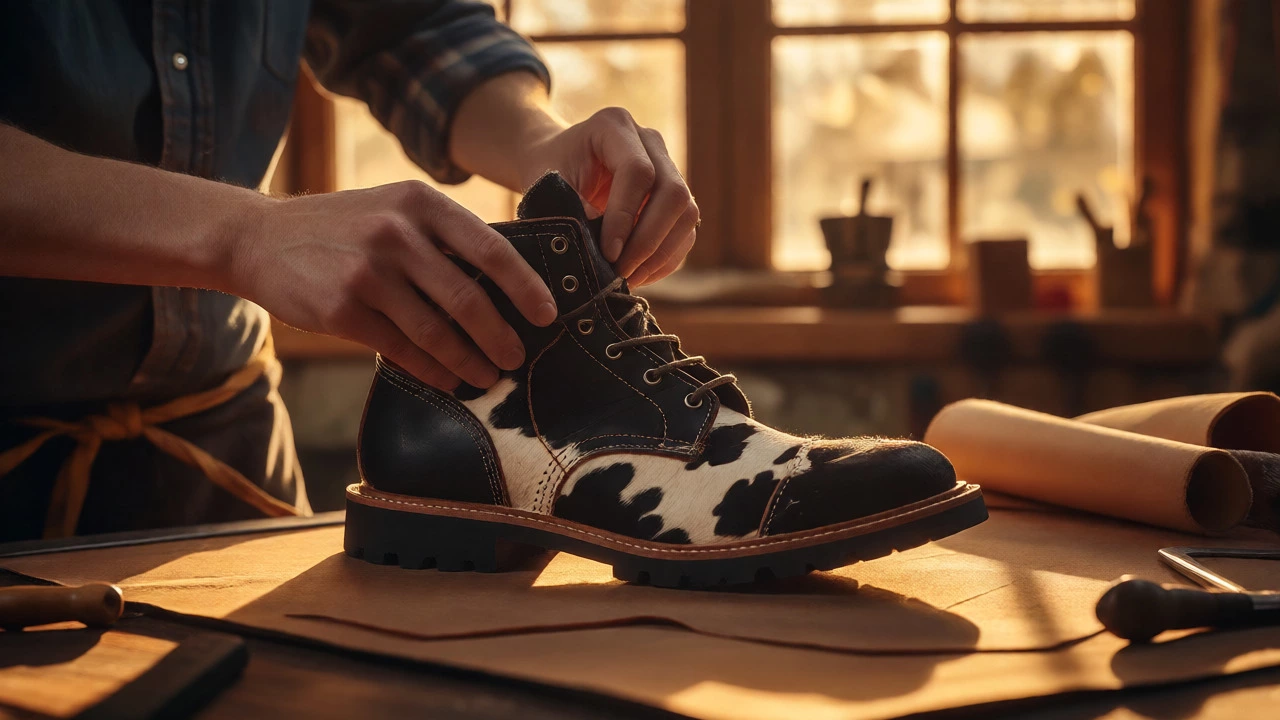
- Choose Cow Leather if: You need outer protection, long-term durability, water resistance, or formal appearance. Ideal for boots, oxfords, brogues, and work shoes.
- Choose Pig Leather if: You prioritize immediate comfort, breathability, and low weight. Ideal for shoe linings, lightweight casual sneakers, or gloves.
- Look for Hybrids: The smartest shoes often combine a cow leather upper with a pig leather lining. This gives you the toughness outside and the comfort inside.
Ethical and Environmental Considerations
Both materials are byproducts of the meat industry, so their environmental impact is tied to livestock farming. However, processing pig leather often requires fewer chemicals than thick cowhide, which needs extensive splitting and shaving to become wearable. On the flip side, cow leather production generates more waste due to the sheer volume of raw material. If sustainability is your main driver, look for certifications like the Leather Working Group (LWG), which audits tanneries regardless of animal source.
Is pig leather real leather?
Yes, pig leather is genuine leather. It is made from the skin of pigs and undergoes tanning processes similar to cow or sheep leather. It is not synthetic or faux leather, though it is generally considered lower grade than premium cowhide due to its thinner structure.
Why is pig leather used in shoe linings?
Pig leather has a unique pore structure that allows for excellent air circulation and moisture absorption. This makes it ideal for lining the inside of shoes, keeping feet cooler and drier than denser leathers like cowhide, which can trap heat and sweat.
Which leather lasts longer, cow or pig?
Cow leather lasts significantly longer. Its dense fiber structure provides superior resistance to abrasion, tearing, and deformation. Pig leather is softer and more flexible but wears out faster under stress, making it unsuitable for high-wear areas like outsoles or toe caps.
Can I tell the difference between cow and pig leather visually?
It can be difficult without experience. Pig leather typically shows a distinctive pattern of three-hole clusters (hair follicle marks) and feels softer and more pliable. Cow leather has a finer grain, feels stiffer, and lacks the prominent pore patterns seen in pig skin.
Is cow leather waterproof?
No natural leather is completely waterproof. However, cow leather is more water-resistant than pig leather because its dense fibers absorb water more slowly. With proper treatment using wax or silicone-based conditioners, cow leather shoes can handle light rain effectively, whereas pig leather will soak up moisture quickly.