Sportswear vs. Activewear Classifier
Not sure if your new sneakers are true Sportswear (performance-focused) or Activewear (lifestyle-focused)? This tool helps you classify your gear based on the key distinctions outlined in the guide: purpose, design focus, and typical usage.
Classification Result
You’re standing in the store aisle, holding a pair of high-performance running trainers in one hand and a moisture-wicking t-shirt in the other. You head to the checkout, but a nagging question pops up: did you just buy sportswear? Or are these two separate categories entirely?
This isn’t just a semantic debate for fashion nerds. It actually matters when you’re packing for a trip, trying to find the right return policy, or searching for specific gear online. If you type "sportswear" into a search engine, do you expect to see sneakers? Most people say yes. But if you ask a retail manager, they might point you to a different department. Let’s clear up the confusion once and for all.
The Short Answer: Yes, But With Caveats
Technically, yes. In modern usage, Sportswear is clothing and accessories designed for sports or physical activity, which typically includes footwear. When brands like Nike, Adidas, or Puma market their "sportswear collections," they almost always include shoes. However, the industry often splits these items into sub-categories for inventory and marketing purposes.
Think of it like this: "Vehicle" includes cars, trucks, and motorcycles. But if you go to a car dealership, you won’t find motorcycles on the showroom floor. Similarly, while shoes are part of the broader sportswear ecosystem, many retailers keep them in a dedicated "Footwear" section. Why? Because shoes require different sizing, fitting advice, and manufacturing processes than shirts or shorts.
Defining Sportswear: More Than Just Gym Clothes
To understand where shoes fit, we need to define what sportswear actually is. It’s not just any comfortable clothing. True sportswear is engineered for performance. It uses specific materials like polyester blends, spandex, or merino wool to manage sweat, reduce friction, and allow freedom of movement.
There are three main pillars of sportswear:
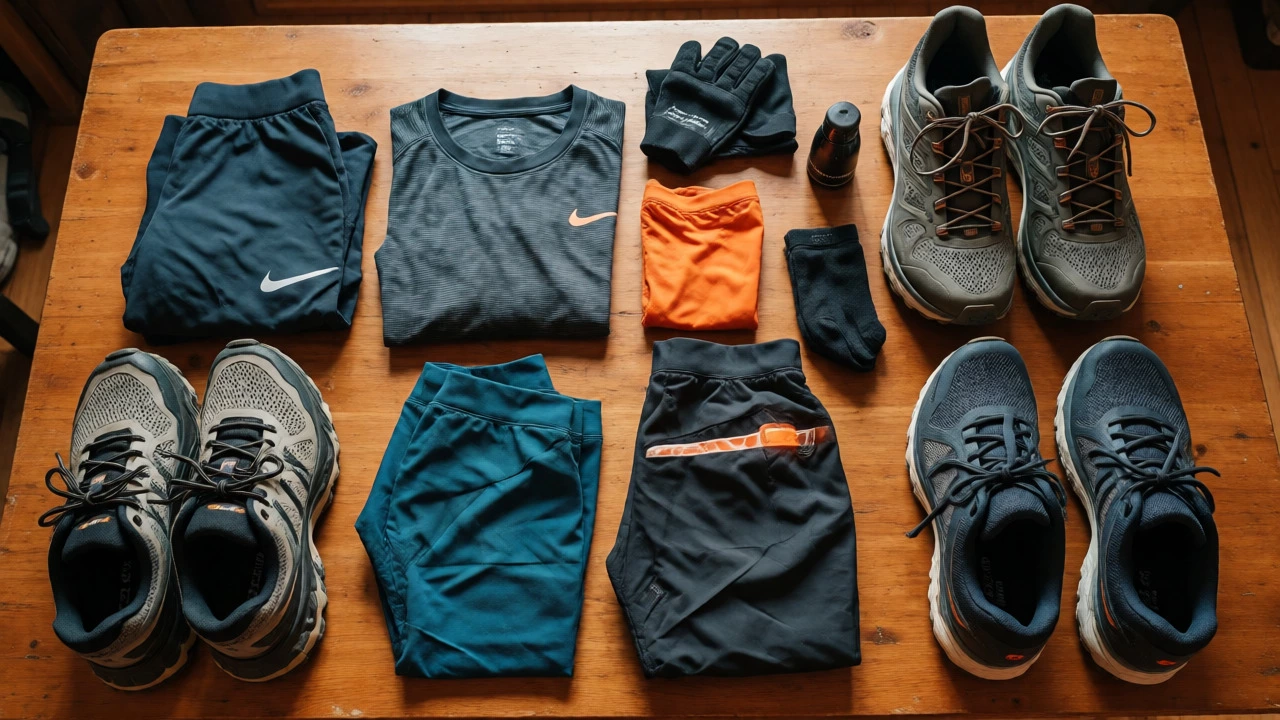
- Apparel: Tops, bottoms, jackets, and compression gear.
- Footwear: Running shoes, cleats, court shoes, and hiking boots.
- Accessories: Hats, socks, gloves, and protective gear.
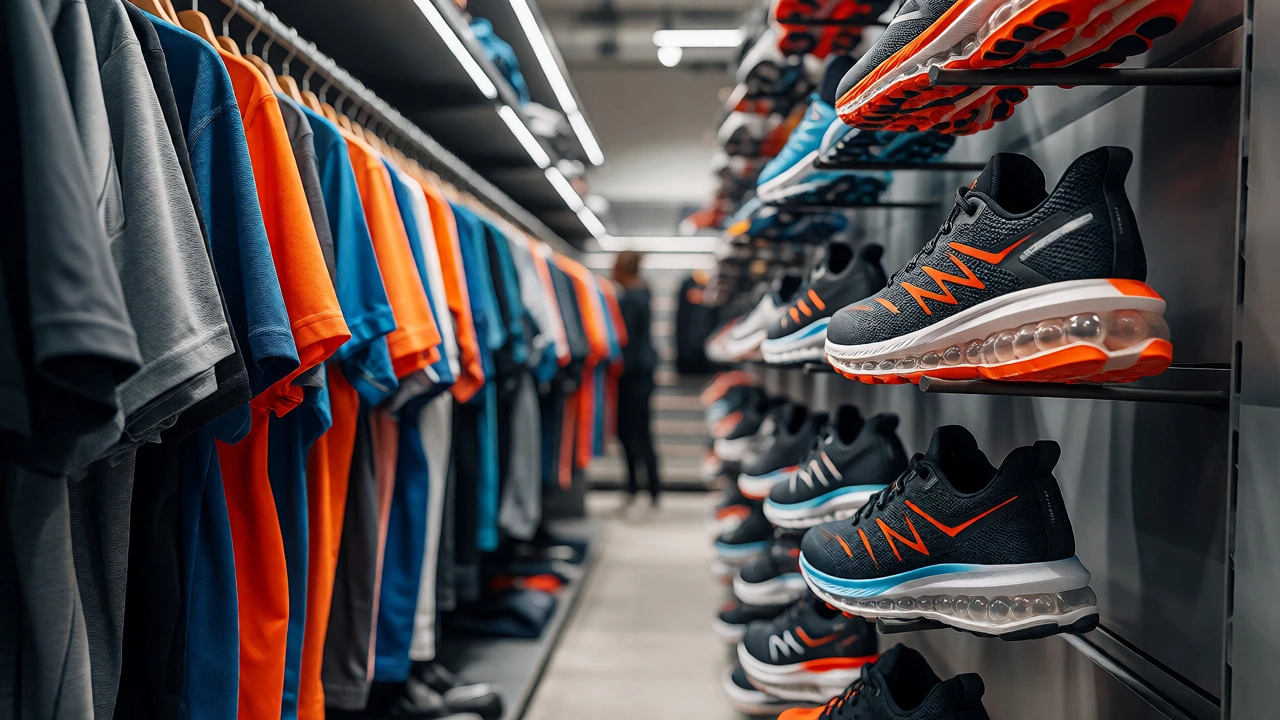
Notice that footwear is listed as a pillar. This confirms its place within the category. However, there is a distinct difference between "athletic shoes" and general "sneakers." Athletic shoes are built with technical features-like cushioning systems (Air Max, Boost, Gel) or traction patterns-specifically for sports. Sneakers might be stylish and comfortable, but unless they have performance specs, some purists argue they belong in casual fashion, not strict sportswear.
Sportswear vs. Activewear: Where Do Shoes Fit?
Here’s where things get tricky. You’ve probably seen the term "activewear" popping up everywhere. Is it the same thing? Not exactly. While the terms are often used interchangeably in casual conversation, there’s a subtle distinction that affects whether your shoes count.
| Feature | Sportswear | Activewear |
|---|---|---|
| Primary Purpose | Performance during specific sports | General fitness and lifestyle comfort |
| Design Focus | Aerodynamics, support, durability | Style, versatility, soft fabrics |
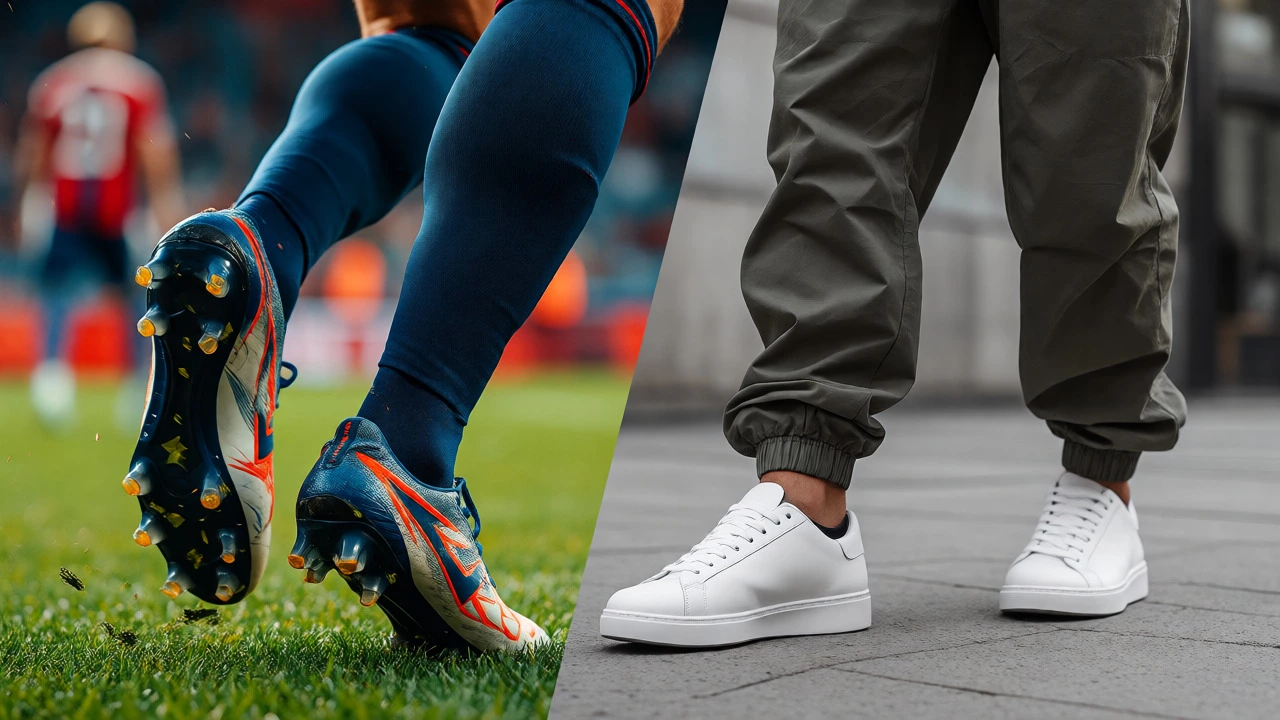
| Includes Shoes? | Yes, highly specialized (e.g., soccer cleats) | Yes, usually generic trainers or slip-ons |
| Typical Brands | Nike Pro, Under Armour Performance | Lululemon, Gymshark |
If you’re buying tennis shoes with clay-court soles, that’s sportswear. If you’re buying stylish white trainers to wear to brunch after a yoga class, that’s closer to activewear or athleisure. Both fall under the broad umbrella, but the intent changes the classification. Retailers often group "hardcore" sportswear shoes separately from "lifestyle" sneaker releases, even if they come from the same brand.
Why Retailers Separate Shoes and Clothing
If shoes are sportswear, why do stores make you walk across the mall to find them? It comes down to logistics and consumer behavior.
First, sizing is a nightmare. A size 10 shoe doesn’t correlate neatly with a medium shirt. Shoe inventory requires complex stock-keeping units (SKUs) based on width, arch type, and heel drop. Clothing is simpler: Small, Medium, Large. Mixing them creates operational chaos.
Second, fitting requirements differ. You can try on a shirt quickly. Trying on running shoes involves checking toe box space, heel lock, and midsole feel. Many shoppers prefer to browse clothes without the pressure of lacing up and walking around. By separating them, stores create a better experience for both types of shoppers.
Third, price points vary significantly. A high-end running shoe can cost $200+, while a basic training tee might be $30. Grouping expensive footwear with cheaper apparel can skew average transaction values and confuse budget-conscious buyers.
The Rise of Athleisure: Blurring the Lines
In recent years, the line between sportswear and everyday fashion has vanished. This trend, known as Athleisure, a style of clothing worn to exercise and also as casual wear, has changed how we view shoes.
Consider chunky dad sneakers or sleek minimalist trainers. Are they sportswear? They look like athletic shoes, but most people wear them to work or dinner. Technically, they originated from sportswear design principles. But functionally, they serve a social purpose rather than an athletic one.
This blurring affects how you shop. If you search for "sportswear," algorithms might show you lifestyle sneakers because they sell well. If you want true performance gear, you need to use more specific keywords like "running shoes," "basketball sneakers," or "training footwear." Don’t rely on the broad term alone.
How to Choose the Right Footwear for Your Sportswear Kit
Now that we know shoes are part of sportswear, how do you pick the right ones? It’s not about matching colors; it’s about matching mechanics.
Ask yourself these questions before buying:
- What surface will I be on? Road running needs cushioned soles. Trail running needs aggressive lugs for grip. Indoor gym floors need flat, stable bases.
- What movements will I make? Basketball involves lateral jumps, requiring ankle support. Long-distance running is linear, prioritizing forward propulsion.
- Do I need specific tech? Look for features like carbon plates for speed, waterproof membranes for outdoor sports, or breathable mesh for hot climates.
Ignoring these factors leads to injury. Wearing basketball shoes for long-distance running can cause shin splints because the soles are too stiff. Conversely, running shoes lack the side-to-side stability needed for tennis, increasing the risk of ankle rolls.
Packing Tip: What Counts as Sportswear for Travel?
If you’re traveling to Auckland or anywhere else, knowing what counts as sportswear helps you pack light. Airlines often have allowances for sports equipment. Usually, this includes bags containing shoes and gear.
Check your airline’s policy. Some treat a pair of trainers as personal item luggage, while others count them as part of your checked baggage weight. If you’re bringing multiple pairs of athletic shoes, consider wearing the bulkiest pair on the plane to save space. Remember, "sportswear" in a customs declaration might include everything from jerseys to football boots, so declare accurately to avoid delays.
Final Verdict
So, does sportswear include shoes? Absolutely. It’s a core component of the category. But don’t let the broad label fool you into thinking all athletic shoes are created equal. Whether you’re shopping for performance gear or lifestyle kicks, understanding the distinction between technical sportswear and casual activewear ensures you get the right product for your needs.
Next time you’re in the store, ignore the department signs. Look at the specs. If it’s built for movement, it’s sportswear. Period.
Are sandals considered sportswear?
Generally, no. Standard sandals are classified as casual footwear. However, specific types like recovery slides or water shoes designed for athletes can fall under sportswear accessories due to their functional design for post-exercise care or aquatic sports.
Is Lululemon considered sportswear or activewear?
Lululemon is primarily categorized as activewear. While they produce technical garments suitable for yoga and running, their focus on lifestyle aesthetics and premium pricing places them in the activewear segment rather than traditional performance sportswear, though the lines are increasingly blurred.
Can I return sportswear shoes if I wore them outside?
Most retailers allow returns only if the shoes are unworn or tried on indoors only. Once the outsole shows wear marks from pavement or grass, they are considered used. Always check the specific store’s return policy for footwear, as it is often stricter than for clothing.
What is the difference between cleats and trainers?
Cleats are sportswear footwear with protruding studs on the sole for traction on natural turf or grass fields, commonly used in soccer, rugby, and baseball. Trainers (or sneakers) have flat rubber soles designed for hard surfaces like roads, courts, or gym floors.
Do socks count as sportswear?
Yes, performance socks are a critical part of sportswear. They are engineered with moisture-wicking fibers, arch support, and blister prevention zones, distinguishing them from regular cotton dress socks.