Build Your Essential Jacket Wardrobe
1 Select Your Climate
2 Select Your Lifestyle Needs
Select all that apply to your daily routine:
3 Quality Preference
Ready to Build?
Configure your settings on the left to see your personalized essential coat list and estimated investment.
Your Essential Wardrobe
Core Essentials
Seasonal Specialists
Lifestyle Wildcards
Pro Tip
Focus on fit first. A tailored cheap jacket looks better than an ill-fitting expensive one.
You stand in front of your closet, shivering slightly as the cold snaps back in. You reach for a coat, but you have three heavy parkas that feel like sleeping bags and no proper layer for a rainy Tuesday commute. Sound familiar? Most men overcomplicate their outerwear. They buy one massive jacket to do everything or hoard cheap windbreakers that fall apart after a season. The truth is simpler. You don’t need a dozen coats. You need a specific number of high-quality pieces that cover every weather scenario and social context.
So, how many coats should a man actually own? For most guys living in a temperate climate with distinct seasons, the sweet spot is between four and six core jackets. This isn't about filling space; it's about function. Each piece has a job. If you try to make one coat do all the jobs, you end up looking ridiculous at a dinner date or freezing on a hike. Let’s break down exactly which coats belong in your rotation and why.
The Non-Negotiables: Your Core Three
Before we talk about niche gear, let’s lock in the foundation. These are the three jackets you cannot skip if you want to look put-together and stay comfortable year-round. Think of these as the pillars of your wardrobe.
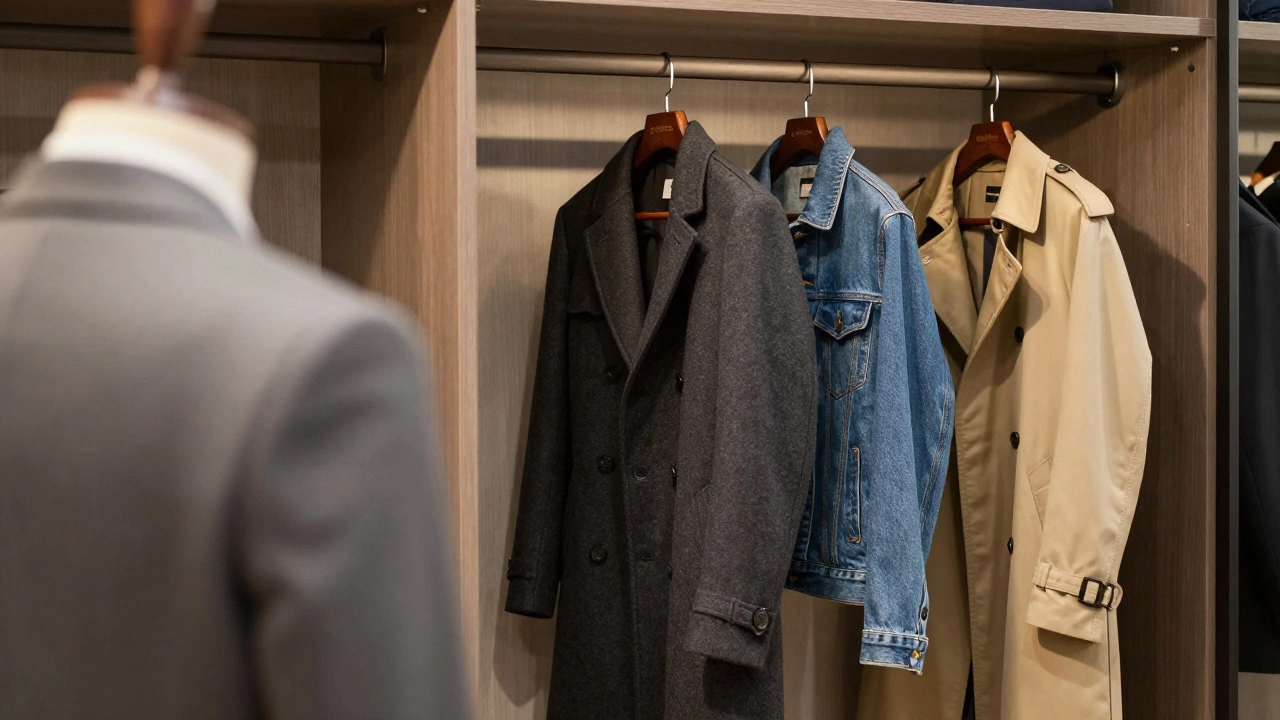
First, you need a Wool Overcoat. This is your formal anchor. It’s not just for weddings; it’s for when you want to look sharp during the colder months. A wool overcoat, typically knee-length, adds structure to your silhouette. It works perfectly over suits, blazers, and even smart casual outfits like chinos and sweaters. In cities like Auckland or London, where winters are damp rather than arctic, a mid-weight wool blend is perfect. It blocks the chill without making you sweat when you step indoors. Keep it classic-navy, charcoal, or camel are colors that never go out of style.
Second, grab a versatile Denim or Trucker Jacket. This is the workhorse of spring and autumn. It’s durable, casual, and pairs with almost anything from t-shirts to button-downs. The beauty of a denim jacket is its longevity. Unlike fast-fashion trends, a good pair of selvedge denim gets better with age. It provides enough warmth for mild days but breathes well enough so you don’t overheat. If you live somewhere with unpredictable weather, this is the layer you throw on before heading out the door without thinking twice.
Third, invest in a reliable Rain Jacket or Trench Coat. Water resistance is non-negotiable. You can look great in a suit, but if you’re soaked to the bone by the time you reach your office, the effort was wasted. A trench coat offers a more polished look for business settings, while a technical rain shell (like those made with Gore-Tex) is better for active lifestyles. Look for sealed seams and adjustable hoods. This coat saves your other clothes from moisture damage, extending the life of your entire wardrobe.
The Seasonal Specialists: Winter and Summer Layers
Once you have the core three, you address the extremes. Weather doesn’t care about your style preferences, so you need gear that handles heat and cold efficiently.
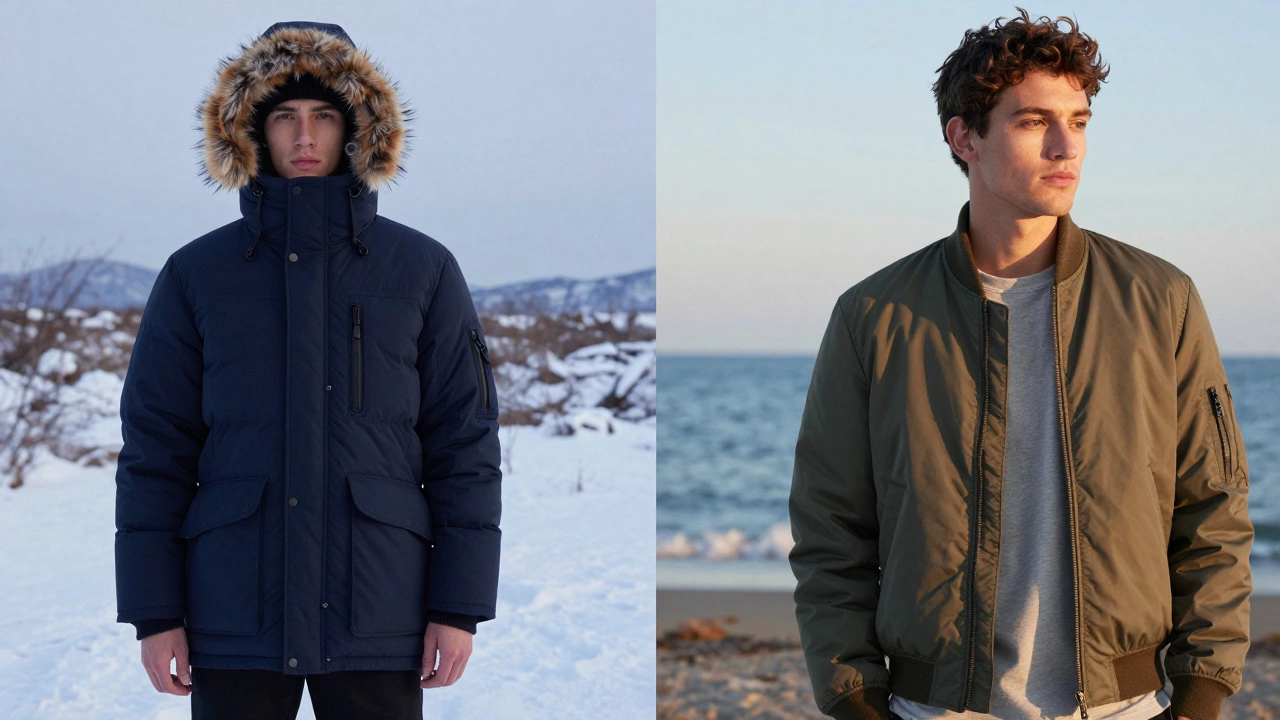
For deep winter, you need an insulated Puffer Jacket or Parka. Don’t skimp here. A thin puffer looks stylish but won’t keep you warm below zero. Look for down fill power ratings above 600 or high-quality synthetic insulation if you’re prone to getting wet. Synthetic options dry faster and maintain warmth when damp, which is crucial for snowy climates. A parka offers more coverage with a longer cut and often includes a fur-trimmed hood (real or faux) to protect your face from wind. This is the jacket you wear when staying warm is the only priority. Pair it with thermal layers underneath for maximum efficiency.
On the flip side, summer nights can get chilly, especially near coasts or in air-conditioned environments. A lightweight Bomber Jacket or Harrington Jacket fills this gap. These are slim-fitting and usually made from nylon or cotton. They provide a light barrier against evening breezes without adding bulk. A bomber jacket leans towards streetwear and casual vibes, while a Harrington jacket, with its zip-front and collar, bridges the gap between casual and smart-casual. Both pack down small, making them easy to carry in a bag until you need them.
The Wildcards: Sport and Utility
Your lifestyle dictates whether you need additional pieces. If you hike, cycle, or play sports, a generic jacket won’t cut it. You need performance gear.
A Technical Shell or Softshell is essential for outdoor enthusiasts. Unlike a standard rain jacket, a softshell offers stretch and breathability, allowing for movement during hiking or climbing. It resists light rain and wind but lets sweat escape. If you’re commuting on a bike, a dedicated cycling jacket with reflective strips and ergonomic shaping is worth the investment. Safety and comfort trump fashion here.
For those who love a rugged aesthetic, a Field Jacket or Chore Coat adds texture and utility. Made from canvas or cotton twill, these jackets feature multiple pockets and a sturdy build. They’re perfect for early spring or late autumn when the temperature is cool but not freezing. They pair well with boots and jeans, creating a grounded, masculine look. However, they lack water resistance, so keep them for dry days.
Quality Over Quantity: Making Smart Choices
Having four excellent coats is better than having ten mediocre ones. Cheap fabrics pill, fade, and lose shape quickly. When shopping, focus on fit and material. A coat should skim your body without pulling at the shoulders or gaping at the waist. Sleeves should end at the wrist bone, allowing a bit of shirt cuff to show if worn formally.
Consider the cost per wear. A $500 wool overcoat worn 50 times a year for five years costs less per use than a $100 jacket that falls apart after one season. Invest in timeless cuts and neutral colors. Avoid loud logos or trendy patterns that will date your wardrobe within a year. Stick to classics that can be mixed and matched effortlessly.
| Jacket Type | Best For | Key Feature | Season |
|---|---|---|---|
| Wool Overcoat | Formal events, city commutes | Structure, elegance | Autumn/Winter |
| Denim Jacket | Casual outings, layering | Durability, versatility | Spring/Autumn |
| Rain Jacket/Trench | Wet weather, travel | Waterproofing, protection | All Seasons |
| Puffer/Parka | Extreme cold, snow | Insulation, warmth | Winter |
| Bomber/Harrington | Mild evenings, smart-casual | Lightweight, slim fit | Summer/Spring |
Maintaining Your Outerwear Investment
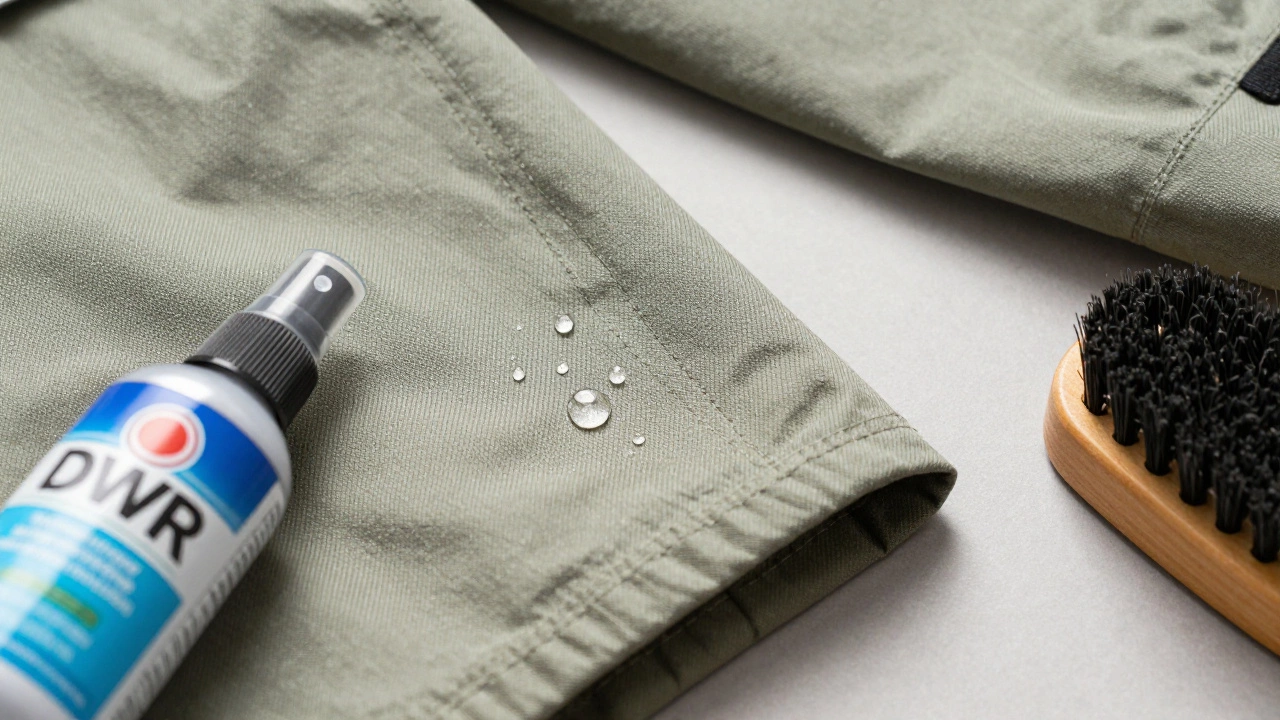
Coats take a beating. They shield you from rain, snow, and friction. Proper care extends their life significantly. Brush off dirt after each wear to prevent stains from setting. Store coats on wide, padded hangers to maintain shoulder shape. Never cram them into small spaces; give them room to breathe. Dry clean wool and structured jackets sparingly, as excessive cleaning breaks down fibers. Spot clean when possible. For waterproof jackets, reapply DWR (Durable Water Repellent) treatments annually to ensure water beads off effectively.
Rotate your coats. Wearing the same jacket every day accelerates wear and tear. Having a few options allows each piece to rest and recover its shape. Inspect zippers, buttons, and seams regularly. Fix minor issues before they become major repairs. A loose thread today prevents a split seam tomorrow.
Tailoring to Your Lifestyle
Your location and daily routine dictate your needs. If you live in a tropical region, you might only need a light bomber and a rain shell. In contrast, someone in Canada or Scandinavia requires heavy insulation and waterproofing. Urban dwellers benefit from sleeker designs that navigate public transport easily, while rural residents might prefer rugged, utilitarian styles.
Think about your social calendar. Do you attend frequent business meetings? Prioritize the wool overcoat. Are you always outdoors? Focus on technical shells and durable field jackets. Align your purchases with your actual life, not aspirational scenarios. You won’t wear a ski jacket if you never ski.
Building a functional coat collection takes time. Start with the core three. Add seasonal specialists as needed. Upgrade quality over quantity. By focusing on versatility, durability, and fit, you’ll create a wardrobe that serves you well for years. Stop guessing what to wear. Know exactly what you need.
Can I substitute a blazer for a wool overcoat?
A blazer is not a direct substitute for a wool overcoat. Blazers are lighter, shorter, and designed for layering under coats or wearing alone in mild weather. An overcoat provides full-body coverage and significant warmth, making it essential for cold, formal occasions. Use a blazer for smart-casual looks and an overcoat for professional or very cold settings.
How often should I replace my winter coat?
High-quality winter coats can last 5-10 years with proper care. Replace them when the insulation loses loft, the fabric becomes thin or torn, or the waterproofing fails completely. Regular maintenance, such as repairing seams and reapplying DWR treatments, can extend their lifespan significantly.
Is a trench coat necessary if I have a rain jacket?
It depends on your style needs. A rain jacket is functional and sporty, ideal for active use. A trench coat offers a more polished, classic aesthetic suitable for business or formal events. If you rarely dress formally, a high-quality rain jacket may suffice. For a complete wardrobe, both serve different social contexts.
What color should my first overcoat be?
Navy or charcoal gray are the best starting colors. They are versatile, hide dirt better than lighter shades, and pair easily with most clothing colors. Camel is also a classic choice but shows stains more easily. Stick to neutrals for maximum flexibility.
Do I need a separate jacket for gym or running?
Yes, if you exercise outdoors regularly. Technical shells or windbreakers designed for athletic use offer breathability and moisture-wicking properties that regular jackets lack. Using everyday coats for intense workouts can lead to odor retention and fabric degradation due to sweat exposure.