Hoodie Quality Score Calculator
Select the characteristics of the hoodie you are inspecting:
1. Fabric & Weight
2. Stitching & Details
3. Hood & Finish
Quality Score
Analysis:
You pull a cheap hoodie from the rack. It feels soft, almost silky, and looks great under the store lights. You buy it, wear it twice, and suddenly it’s pilling like crazy, the cuffs have stretched out, and that once-plush interior now feels rough against your skin. We’ve all been there. But how do you spot a high-quality hoodie before you even try it on?
It isn’t about the brand logo or the price tag alone. Quality is hidden in the details-specifically in the fabric weight, the weave, the stitching, and the hardware. If you know what to look for, you can separate the durable staples from the fast-fashion disposables instantly.
The Fabric Test: Weight and Composition
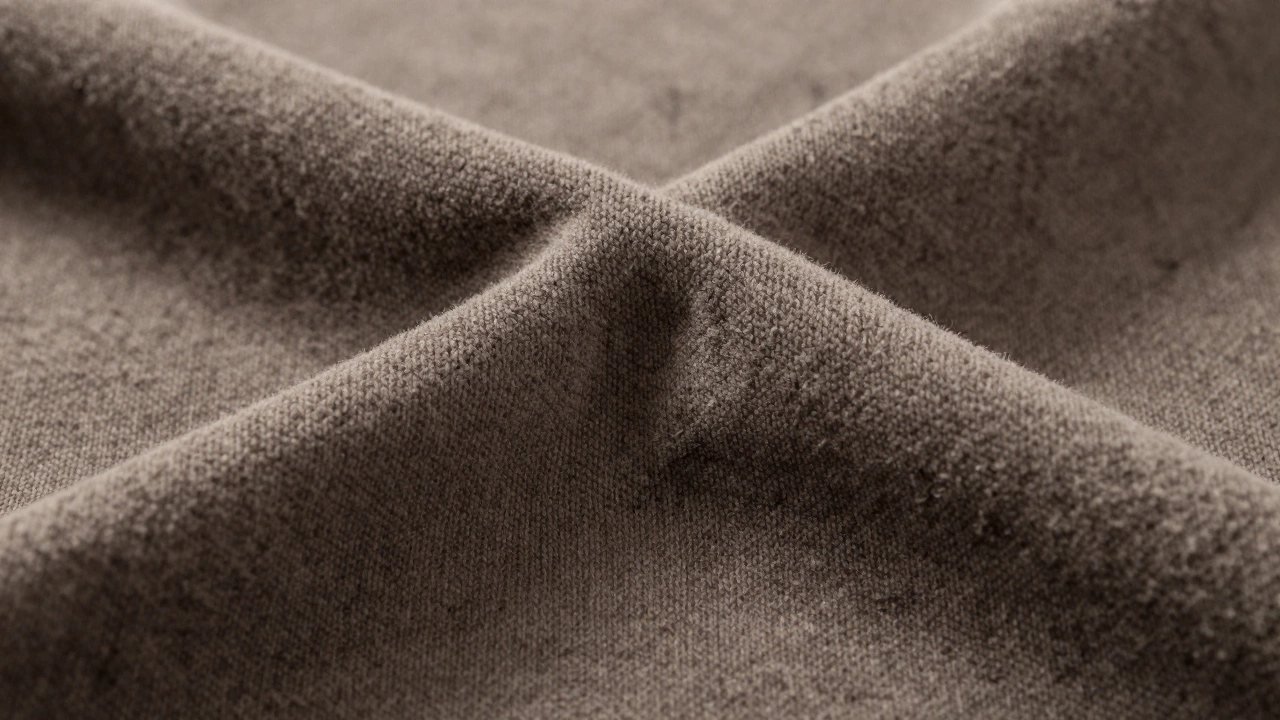
The first thing you need to check is the material itself. Most hoodies are made of cotton, but not all cotton is created equal. The most important metric here is GSM (grams per square meter). This number tells you how heavy and dense the fabric is.
- Lightweight (Below 300 GSM): These feel thin and often see-through. They’re okay for layering but lack structure.
- Mid-weight (300-400 GSM): The sweet spot for everyday wear. Comfortable without being bulky.
- Heavyweight (400+ GSM): Premium quality. These hold their shape, provide warmth, and last for years.
When you pick up the hoodie, give it a gentle shake. A high-quality piece will feel substantial and stiff, not flimsy. If it feels like a t-shirt, put it back. Next, check the label for fiber content. Look for 100% cotton or a cotton-polyester blend where cotton makes up at least 80%. Pure polyester tends to trap heat and smells bad after a workout. Cotton breathes better and gets softer with every wash.
Also, pay attention to the knit type. Single jersey is thin and prone to holes. Double-knit or fleece-backed fabrics are thicker and more durable. Run your hand over the inside; it should feel smooth and dense, not scratchy or loose.
Stitching and Construction Details
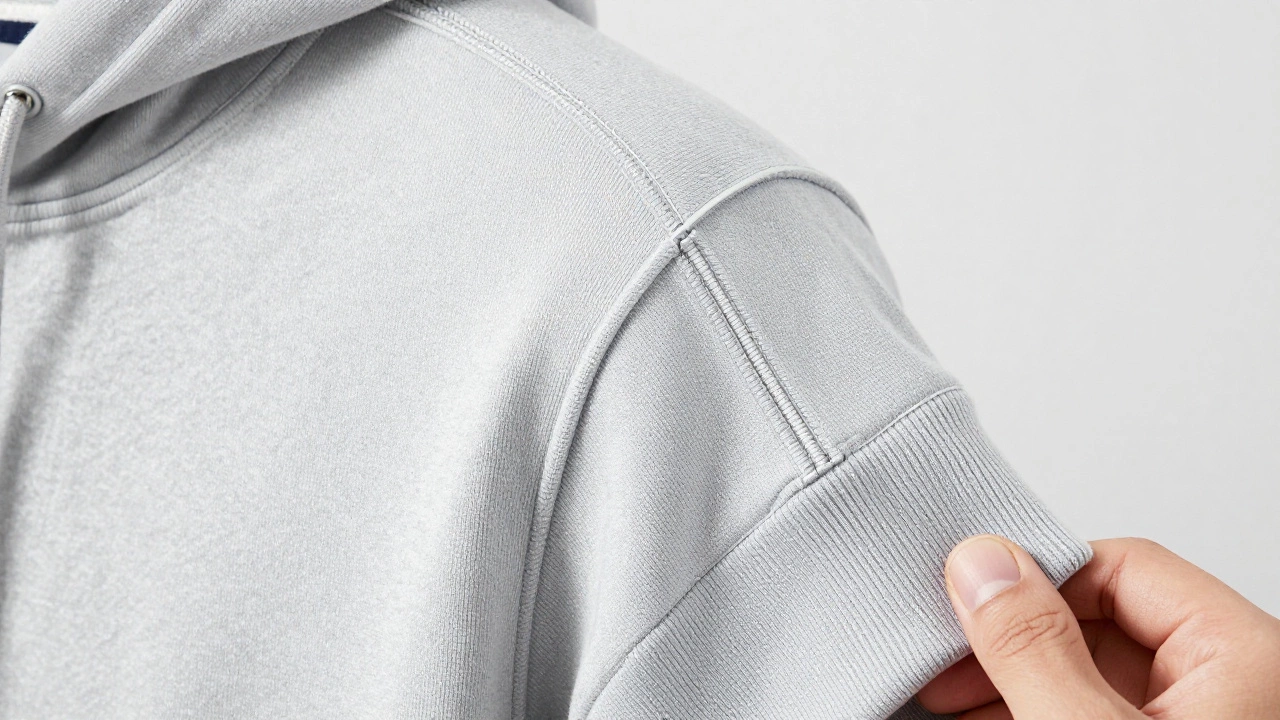
Fabric is only half the battle. How the hoodie is put together determines its lifespan. Flip the hoodie inside out and look closely at the seams. Cheap hoodies use single-needle stitching that unravels quickly. High-quality ones use flatlock stitching or double-needle topstitching along the shoulders and side seams.
Check the tension of the threads. They should be tight and even, with no loose ends hanging around. Loose threads mean poor manufacturing control. Also, look at the ribbing on the cuffs and waistband. This elasticated fabric keeps the wind out and maintains the hoodie’s shape.
Pull gently on the cuffs. If they stretch out and don’t snap back immediately, the elastane content is low or the quality is poor. Good ribbing retains its elasticity for hundreds of washes. Another detail to inspect is the pocket. On budget hoodies, the kangaroo pocket is often just two pieces of fabric sewn together. On premium hoodies, the pocket is reinforced with an extra layer of fabric or binding tape to prevent tearing when you shove your hands in.
The Hood and Hardware
The hood is the defining feature of this garment, so it needs special attention. First, check the drawstrings. Are they flat woven cords or round ropes? Flat woven drawstrings are harder to lose and look more polished. More importantly, look at the aglets-the tips of the strings. Plastic aglets that melt or break easily are a sign of cost-cutting. Metal or reinforced plastic aglets indicate durability.
Now, look at the hood’s structure. Does it have a gusset? A gusset is a triangular piece of fabric inserted into the front of the hood. It allows the hood to sit comfortably on your head without pulling tight across your eyes. Without a gusset, the hood might fit well when you’re standing still but choke you when you bend down.
Check the attachment points where the hood meets the collar. These stress points are prone to ripping. High-quality hoodies reinforce these areas with bar-tacks-small, dense zigzag stitches that anchor the fabric securely. If you see plain straight stitching here, expect gaps to form after a few months of wearing backpacks or jackets over the hoodie.
Dyeing Methods: Garment vs. Piece Dye
Have you ever wondered why some hoodies fade unevenly or develop white marks after washing? It comes down to how the color was applied. There are two main methods: piece dyeing and garment dyeing.
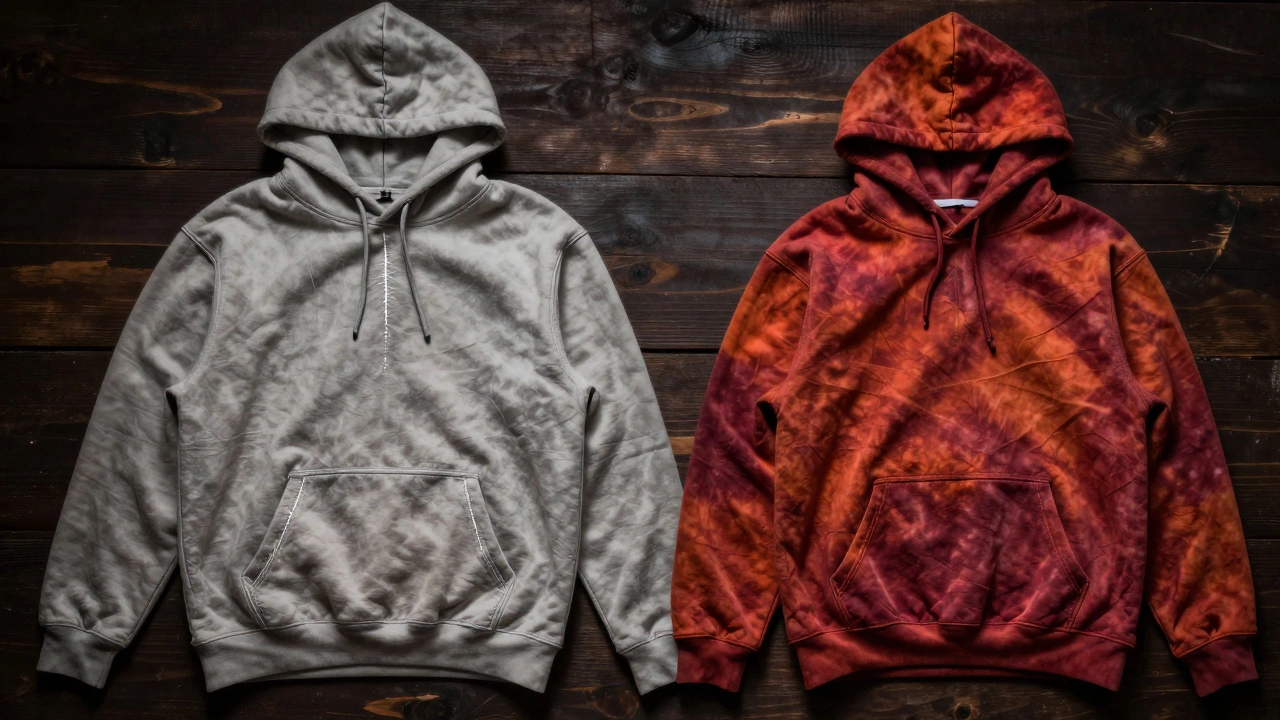
Most mass-market brands use piece dyeing. The fabric is dyed in large rolls before being cut and sewn. This is cheaper but results in inconsistent colors, especially around seams where the dye doesn’t penetrate as deeply. Over time, these white seam lines become visible.
Garment dyeing is the mark of luxury streetwear. The entire hoodie is sewn first, then dipped into a dye bath. This ensures every thread, including the inside of the seams, absorbs the color evenly. Garment-dyed hoodies also tend to have a slightly faded, vintage look right out of the package because the dye rubs off slightly during handling. They resist fading much better than piece-dyed alternatives.
If you want a hoodie that looks good for five years, look for "garment dyed" on the tag or product description. It’s usually more expensive upfront, but the longevity justifies the cost.
Fit and Silhouette
Quality isn’t just about materials; it’s about design intent. A high-quality hoodie has a defined silhouette. It shouldn’t hang limp on your body like a sack. Look for shoulder seams that align with your actual shoulders. If they drop too far down, the hoodie will look sloppy unless it’s specifically designed as an oversized style.
Check the armholes. Tight, high armholes restrict movement and make the hoodie uncomfortable. Deep, wide armholes allow for ease of motion and better layering. Try raising your arms while wearing it. If the entire hem lifts up excessively, the cut is too narrow.
Finally, consider the length. A standard hoodie should cover your belt line. If it’s too short, it rides up when you sit. If it’s too long, it swallows your frame. Premium brands offer consistent sizing charts based on real measurements, not vanity sizing. Always compare the chest and length dimensions to a hoodie you already own and love.
| Feature | Budget Hoodie | Premium Hoodie |
|---|---|---|
| Fabric Weight | Below 300 GSM | 400+ GSM |
| Material | High Polyester Blend | 100% Cotton or Heavy Blend |
| Stitching | Single Needle, Loose Threads | Double Needle, Bar-tacked Seams |
| Hood | No Gusset, Thin Drawstrings | Gusseted, Reinforced Drawstrings |
| Dye Method | Piece Dyed | Garment Dyed |
Care Instructions for Longevity
Even the best hoodie will deteriorate if you treat it poorly. To keep your investment looking new, follow these simple rules. Wash inside out on a cold cycle. Hot water breaks down cotton fibers and causes shrinkage. Avoid using fabric softeners; they coat the fibers and reduce absorbency, making the fleece feel waxy over time.
Never tumble dry on high heat. Air drying is always the safest option. If you must use a dryer, use the lowest heat setting and remove the hoodie while it’s still slightly damp. This prevents excessive shrinkage and keeps the shape intact. Store hoodies folded rather than hung. Hangers can stretch out the shoulders, creating permanent bumps that ruin the silhouette.
What GSM should I look for in a winter hoodie?
For winter wear, aim for a GSM of 400 or higher. This weight provides sufficient insulation and wind resistance without being overly bulky. Anything below 350 GSM may leave you feeling cold in freezing temperatures.
Is organic cotton better for hoodies?
Organic cotton is softer and more environmentally friendly because it avoids harmful pesticides. However, quality depends more on fabric weight and construction than just the source of the cotton. A heavy organic cotton hoodie will outlast a lightweight conventional one.
Why does my hoodie pill after washing?
Pilling occurs when short fibers loosen and tangle into small balls. This is common in low-quality cotton blends or synthetic fabrics. Using a fabric shaver can remove pills temporarily, but preventing them requires buying hoodies with longer staple cotton fibers and tighter weaves.
How do I know if a hoodie is true to size?
Always check the specific brand’s size chart. Measurements for chest width, length, and sleeve length vary significantly between manufacturers. Compare these numbers to a well-fitting garment you already own rather than relying on generic S/M/L labels.
Are zip-up hoodies easier to maintain than pullovers?
Zip-ups offer versatility but introduce potential failure points like broken zippers. Pullovers are simpler in construction and often last longer because they lack mechanical parts. For pure durability, a high-quality pullover is generally the safer bet.