Suit Investment Calculator
Enter Suit Details
Analysis Result
Enter details to see if this suit is a good financial investment.
You stand in front of the mirror. On one side hangs a $200 off-the-rack jacket that looks okay from a distance but feels like cardboard when you move. On the other is a $2,000 bespoke suit that drapes over your shoulders like it was poured on. The question isn't just about money; it's about identity, longevity, and whether the extra cost actually translates to something you can feel and see.
The short answer is yes, but only if you understand what you are paying for. An expensive suit is not just fabric stitched together. It is engineering, heritage, and physics working in harmony to keep you looking sharp while you live your life. If you buy cheap suits repeatedly, you might end up spending more than a single high-end investment piece. Let’s break down why the price tag jumps so dramatically and how to decide if it makes sense for your wallet and your wardrobe.
Understanding the Anatomy of Price
When you look at a suit label, you are seeing a summary of hundreds of decisions made by designers, cutters, and manufacturers. The difference between a budget suit and a luxury one usually comes down to three main factors: construction, fabric, and fit.
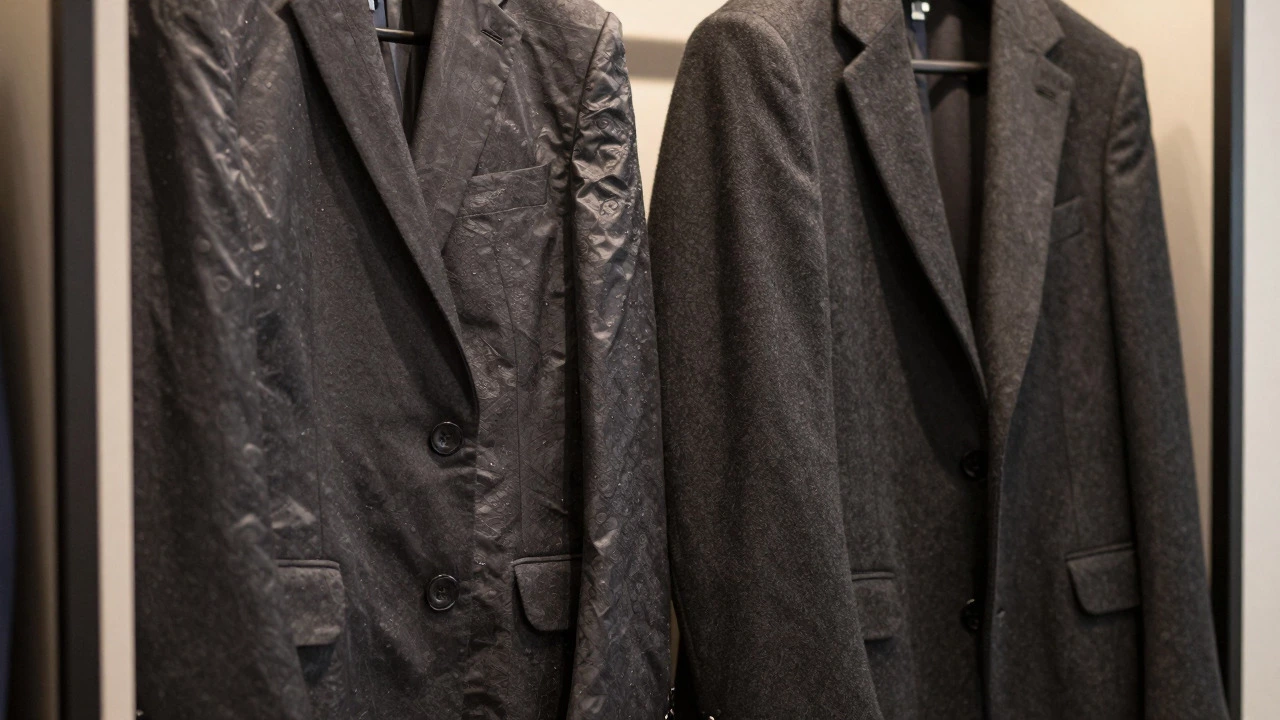
Cheaper suits often use fused construction. This means a layer of glue is used to bond the interfacing (the internal support structure) to the outer fabric. Over time, heat from your body and dry cleaning causes this glue to fail. You’ve probably seen this before-the chest area starts to bubble or wrinkle permanently, ruining the silhouette. In contrast, a high-quality suit uses half-basted or full-canvas construction. Real horsehair canvas is hand-stitched to the inside of the jacket. It moves with your body, breathes better, and maintains its shape for decades. This labor-intensive process requires skilled artisans, which drives up the cost significantly.
| Feature | Fused (Budget) | Half-Canvas (Mid-Range) | Full Canvas (Luxury) |
|---|---|---|---|
| Interfacing Method | Glue bonding | Partial stitching + glue | Hand-stitched horsehair |
| Lifespan | 1-3 years | 5-10 years | 15+ years |
| Moldability | Low | Medium | High |
| Typical Price Range | $200 - $400 | $600 - $1,200 | $1,500+ |
Fabric Matters More Than You Think
If construction is the skeleton, fabric is the skin. Budget suits often rely on synthetic blends like polyester or acrylic. These materials are durable but trap heat and lack natural drape. They reflect light in a way that can look shiny or plastic-like under office lighting. High-end suits use natural fibers, primarily wool, cashmere, or linen.
Wool is the gold standard because it is breathable, resilient, and naturally resistant to wrinkles. The quality of wool is measured in "super" numbers, such as Super 120s or Super 150s. While higher numbers indicate finer, softer fibers, they also mean the fabric is more delicate. A Super 150s wool suit feels incredibly luxurious against the skin but may pill faster than a sturdy Super 120s. For daily wear, many experts recommend sticking to Super 110s to 130s, which offer the best balance of comfort and durability.
Then there is the weight of the fabric, measured in grams per square meter (gsm). Heavier fabrics (300gsm+) hold their shape better and last longer but are warmer. Lighter fabrics (200gsm) are great for summer but can cling to every bump and crease. Choosing the right fabric depends entirely on where you live and how you plan to wear the suit. If you are in a hot climate like Auckland, a lightweight tropical wool is essential. In colder regions, a heavier flannel or tweed provides warmth and texture.
The Fit Factor: Off-the-Rack vs. Made-to-Measure
Even the most expensive fabric will look terrible if the fit is wrong. Off-the-rack suits are designed to fit the "average" male body, which rarely exists. You might find a jacket that fits your shoulders perfectly but is too long in the sleeves or too tight around the waist. Alterations can help, but there are limits. You can easily shorten sleeves or taper the waist, but moving shoulder seams is extremely difficult and expensive.
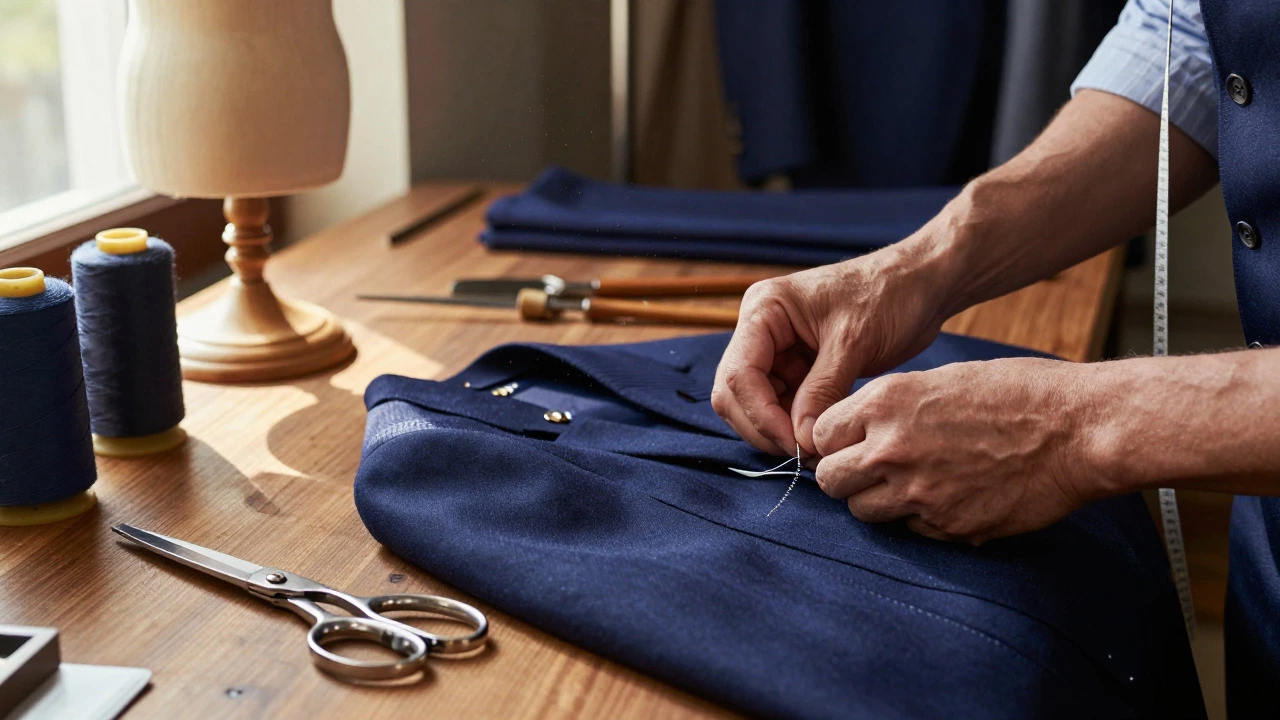
This is where made-to-measure (MTM) and bespoke services come into play. MTM starts with a base pattern that is adjusted to your specific measurements. Bespoke involves creating a unique pattern from scratch for your body. While bespoke is the pinnacle of tailoring, MTM offers a compelling middle ground. It allows you to choose your fabric, lapel style, button stance, and pocket details, ensuring the suit reflects your personal style rather than a mass-market trend.
A well-fitted suit changes how people perceive you. It signals attention to detail and respect for the occasion. Shoulders should sit flush without extending past your natural shoulder line. The jacket should close comfortably without pulling across the chest. Trousers should have a clean break at the shoe-no bunching of fabric around the ankles. These small details accumulate to create an impression of polish and professionalism.
Calculating Cost Per Wear
One of the most effective ways to justify a high-ticket purchase is to calculate the cost per wear. Imagine you buy a $300 suit that lasts two years. If you wear it once a month for work, that’s 24 wears. Your cost per wear is $12.50. Now imagine a $2,000 suit that lasts ten years because of its superior construction and timeless design. If you wear it twice a week for five years (excluding weekends), that’s roughly 520 wears. Your cost per wear drops to approximately $3.85.
Over time, the expensive suit becomes cheaper. Plus, you avoid the hassle of constantly shopping for replacements. High-quality suits age gracefully. With proper care, including professional cleaning only when necessary and storing them on wide wooden hangers, they maintain their appearance year after year. Cheap suits degrade quickly, losing their shape and color, forcing you to replace them frequently.

When Is It Not Worth It?
Despite the benefits, an expensive suit isn’t always the right choice. If you are growing rapidly, changing jobs frequently, or simply don’t know your own style yet, investing heavily might be premature. Young professionals who attend weddings occasionally or need a suit only for interviews might benefit more from renting or buying mid-range options.
Also, consider your lifestyle. If your job involves physical activity, outdoor work, or frequent travel where suits get crumpled in overhead bins, a delicate high-end wool suit might suffer unnecessarily. In these cases, durable stretch fabrics or technical blends designed for travel offer practical advantages that outweigh traditional luxury.
Another factor is versatility. A bright blue or pinstriped suit might look stunning but limit your ability to mix and match separates. Stick to classic colors like navy, charcoal gray, or medium gray. These shades pair well with various shirts, ties, and shoes, maximizing the number of outfits you can create from a single suit.
Signs of a Quality Suit
Before handing over your credit card, inspect the suit closely. Look for functional buttonholes on the sleeve cuffs-a sign of craftsmanship. Check the lining; silk or Bemberg linings feel smoother and breathe better than cheap polyester. Examine the stitching; it should be even and tight, with no loose threads. Press the fabric gently; high-quality wool springs back instantly, resisting wrinkles.
Pay attention to the collar roll. A good jacket has a natural curve where the lapel folds over, known as the gorge line. This creates depth and dimension. Cheap jackets often lie flat against the shirt, looking stiff and artificial. Finally, try moving your arms. Raise them above your head, cross your arms, and sit down. The jacket should move with you, not restrict you. Comfort is key to confidence.
How long should a good suit last?
A well-made suit constructed with canvas and quality wool can last 10 to 20 years with proper care. Regular rotation, avoiding excessive dry cleaning, and timely repairs extend its lifespan significantly.
What is the difference between bespoke and made-to-measure?
Bespoke suits are created from a unique paper pattern drafted specifically for your body, involving multiple fittings. Made-to-measure adjusts an existing base pattern to your measurements, offering customization at a lower price point than bespoke.
Can I alter a cheap suit to fit better?
You can make minor adjustments like shortening sleeves or tapering the waist, but major structural changes like adjusting shoulders are difficult and costly. Cheap suits often lack the seam allowance needed for significant alterations.
Is wool better than synthetic blends for suits?
Yes, wool is superior due to its breathability, wrinkle resistance, and natural drape. Synthetic blends tend to trap heat, look shiny, and lose shape faster, making them less ideal for formal or professional settings.
How do I maintain an expensive suit?
Store it on a wide wooden hanger in a breathable garment bag. Brush off dust regularly instead of washing immediately. Dry clean only when necessary to preserve the fabric's integrity and prevent shrinkage.