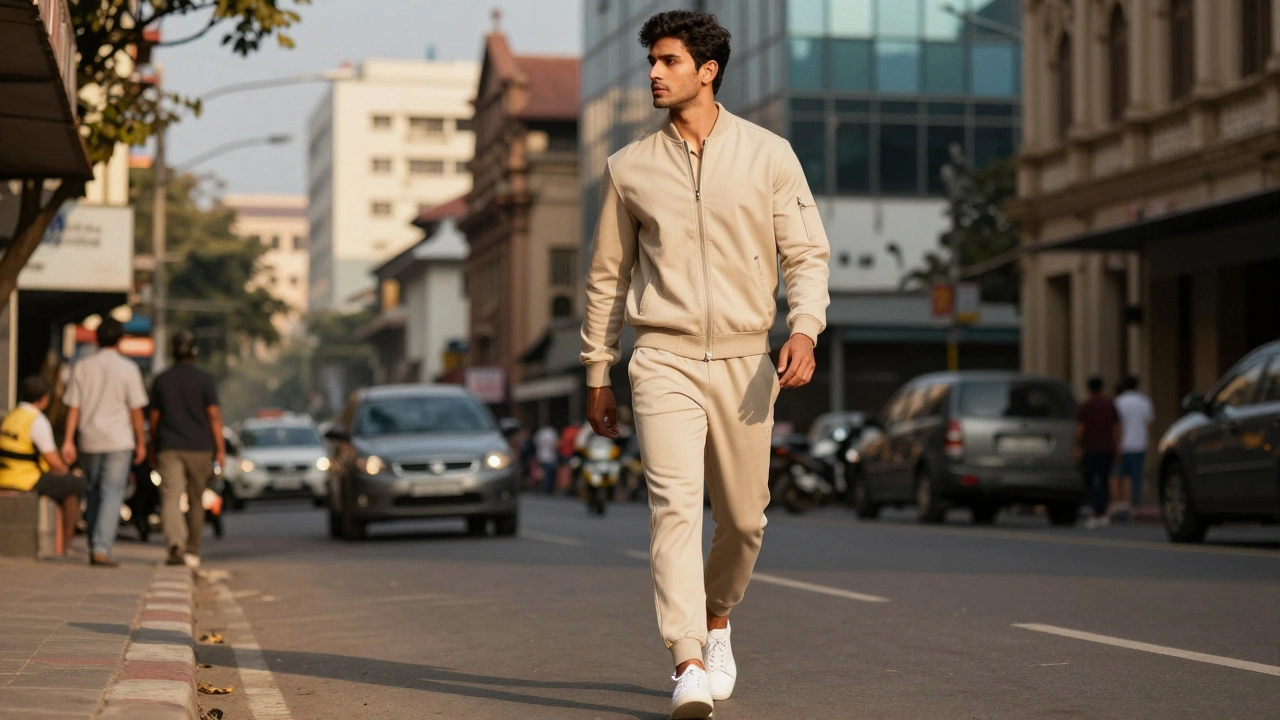
Athleisure Style Analyzer
Build Your Outfit
Fit & Silhouette
Texture Balance
Color Coordination
Overall Polish
Remember when sweatpants were strictly for the gym or lazy Sunday mornings? That era is long gone. Today, you can spot someone in high-end track pants walking into a boardroom, a coffee shop, or even a dinner date without raising an eyebrow. This shift isn't just about comfort; it's a massive cultural pivot. So, is sportswear considered fashion? The short answer is yes. But the longer answer involves a fascinating blend of celebrity influence, technological innovation, and a post-pandemic desire for ease.
We used to draw a hard line between 'performance' gear and 'fashion' clothing. Now, that line is blurred beyond recognition. Understanding this evolution helps us make better choices about what we wear, where we buy it, and how we define style in 2026.
The Birth of Athleisure
To understand why sportswear is now fashion, we have to look at Athleisure, which is a clothing trend that blends athletic wear with everyday casual apparel. This term gained traction around 2015, but its roots go back further. It wasn't just about looking good; it was about functionality meeting aesthetics.
Lululemon played a huge role here. They didn't just sell yoga pants; they sold a lifestyle. Their fabrics moved like second skin, and their designs looked polished enough for brunch. Suddenly, women realized they could skip changing clothes after a workout and still feel put-together. This convenience became a status symbol. Wearing expensive activewear signaled that you had time for fitness, money for quality gear, and a busy schedule that required versatile clothing.
- Functionality: Fabrics that wick sweat and stretch with movement.
- Aesthetics: Clean lines, neutral colors, and tailored fits.
- Versatility: Pieces that transition from gym to street seamlessly.
High Fashion Embraces the Gym Bag
If athleisure opened the door, luxury brands kicked it down. In the early 2010s, designers like Pharrell Williams (with his collaboration on Adidas NMD) and later Virgil Abloh brought streetwear and sneaker culture into the hallowed halls of Louis Vuitton and Off-White.
This wasn't a subtle shift. It was a revolution. Runways started featuring hoodies, bomber jackets, and chunky sneakers alongside evening gowns and tailored suits. Brands like Balenciaga and Gucci began releasing tracksuits that cost more than some people's monthly rent. Why? Because exclusivity drives fashion. When a $900 hoodie drops, it stops being just 'sportswear' and becomes a collectible art piece.
| Feature | Traditional Sportswear | Modern Fashion Sportswear |
|---|---|---|
| Primary Purpose | Performance & Utility | Style & Comfort |
| Materials | Polyester, Nylon, Spandex | Technical Blends, Sustainable Fabrics, Cotton |
| Price Point | $30 - $100 | $100 - $1,000+ |
| Where Worn | Gym, Sports Events | Office, Social Events, Travel |
The Role of Sneaker Culture
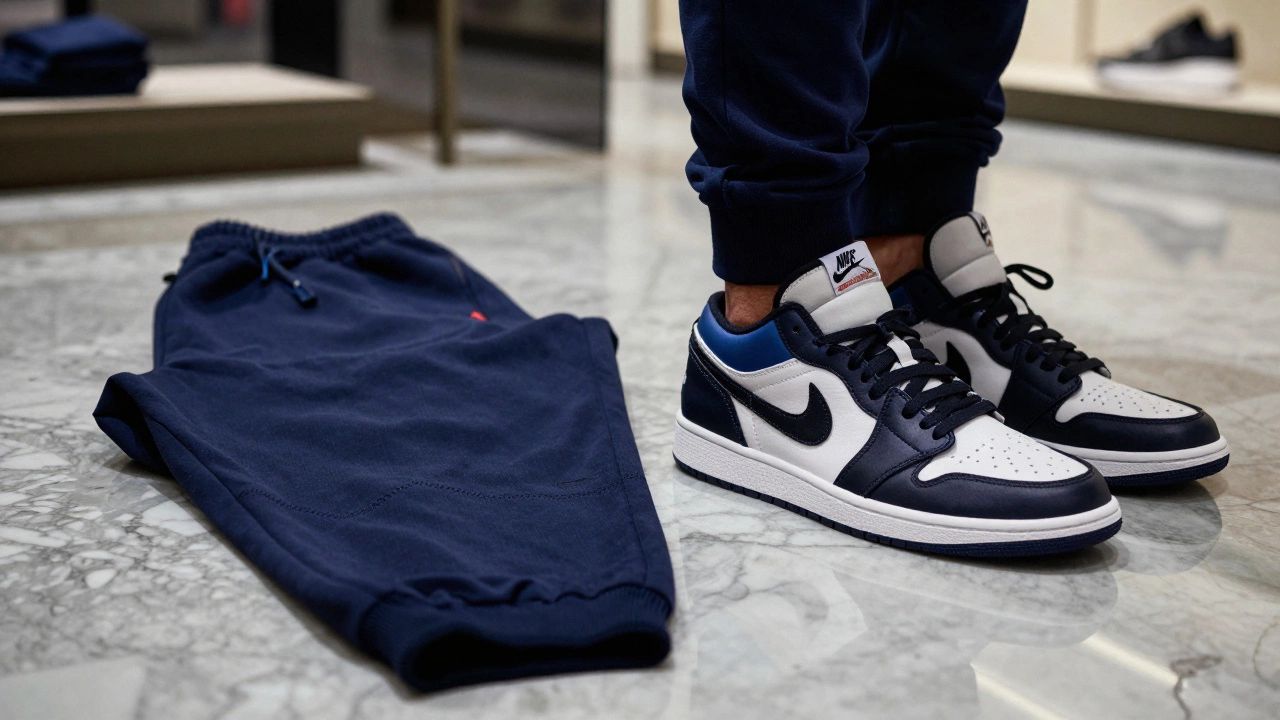
You can't talk about sportswear as fashion without mentioning sneakers. The Air Jordan series, launched in 1985, changed everything. Michael Jordan wasn't just an athlete; he was a global icon. His shoes became symbols of aspiration, rebellion, and coolness. Today, sneakerheads spend thousands on limited-edition releases from Nike, Adidas, and independent brands.
Sneakers are no longer just footwear; they are accessories. A pair of pristine white Common Projects or vintage New Balance 990s can elevate a simple outfit of jeans and a t-shirt. This democratization of style means anyone can participate in fashion through their choice of shoes, regardless of their budget or body type.
Post-Pandemic Shifts in Dress Codes
The pandemic accelerated trends that were already brewing. With remote work becoming the norm, the demand for formal business attire plummeted. People wanted comfort, but they also wanted to feel connected to a sense of normalcy and style. Zoom calls created a new dress code: 'business casual from the waist up, sweatpants below.'
As offices reopened in 2024 and 2025, many companies relaxed their dress codes permanently. Hybrid work models mean employees need outfits that can handle a commute, a desk job, and an evening out. Sportswear fits this bill perfectly. It's durable, easy to clean, and comfortable for long hours. This practicality has cemented its place in our wardrobes.
How to Style Sportswear Without Looking Lazy
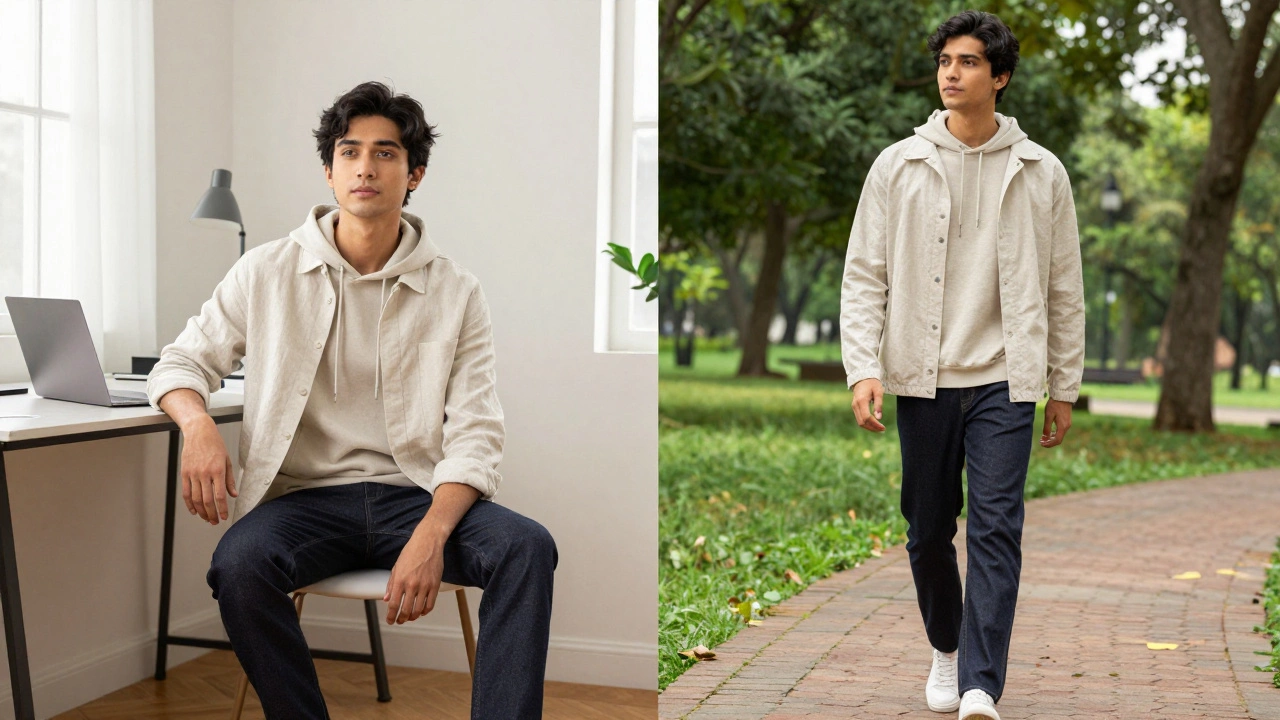
Just because sportswear is fashionable doesn't mean throwing on any old gym clothes will work. There's a fine line between looking stylish and looking like you forgot to shower. Here’s how to nail the look:
- Fit is King: Avoid baggy, worn-out shapes. Look for tailored joggers, fitted hoodies, and structured bombers. The silhouette should be intentional.
- Mix Textures: Pair technical fabrics with natural ones. Try a nylon windbreaker over a cotton t-shirt and denim jeans. This contrast adds depth and interest.
- Elevate with Accessories: A leather belt, a watch, or minimalist jewelry can transform a tracksuit into a chic ensemble. Don't let your accessories be an afterthought.
- Stick to a Color Palette: Monochromatic looks (all black, all beige, or all navy) instantly look more expensive and put-together than clashing brights.
- Clean Shoes: Your sneakers should be clean. Scuffed, dirty trainers undermine the entire aesthetic.
Sustainability and the Future of Sportswear
As fashion becomes more conscious, sportswear faces scrutiny. Synthetic materials like polyester shed microplastics, contributing to ocean pollution. However, brands are innovating. Patagonia has long been a leader in sustainable outdoor gear, using recycled materials and repairing old items. Newer brands are experimenting with biodegradable fabrics and circular economy models.
Consumers are demanding transparency. We want to know where our clothes come from and how they impact the planet. This shift is pushing sportswear brands to prioritize durability and ethical production over fast-fashion trends. The future of sportswear isn't just about looking good; it's about doing good.
Can I wear sportswear to a formal event?
Generally, no. While sportswear has entered mainstream fashion, formal events like weddings, galas, or black-tie dinners still require traditional attire. However, 'smart casual' events might allow for elevated pieces like a sleek blazer paired with dark jeans and clean sneakers. Always check the dress code beforehand.
What is the difference between athleisure and streetwear?
Athleisure focuses on comfort and functionality, blending athletic wear with casual styles (e.g., leggings with a blouse). Streetwear is rooted in hip-hop and skate culture, emphasizing bold graphics, logos, and limited-edition items (e.g., graphic tees, bucket hats, and chunky sneakers). While they overlap, their origins and vibes differ.
Is it okay to wear gym clothes to the office?
It depends on your workplace culture. Many tech startups and creative agencies have relaxed dress codes that allow for neat, non-sweaty activewear. However, client-facing roles or traditional corporate environments usually expect business casual or formal attire. When in doubt, opt for 'elevated casual' like chinos and a polo rather than full gym gear.
How do I care for expensive sportswear?
Follow the care label instructions closely. Most technical fabrics require cold water washing and air drying to maintain elasticity and moisture-wicking properties. Avoid fabric softeners, as they can clog the fibers. For premium items, consider hand washing or using a gentle cycle in a mesh bag.
Will sportswear remain fashionable in the next few years?
Yes, but the style will evolve. As sustainability becomes more critical, we'll see more focus on durable, repairable, and eco-friendly materials. The trend may shift away from loud logos toward minimalist, functional designs. Comfort will remain a priority, ensuring sportswear stays relevant in our daily lives.