Hoodie Care Checklist & Simulator
Ready to Wash?
Click the steps on the left as you perform them.
You’ve just finished your favorite hoodie, and it smells like gym sweat or stale coffee. You toss it into the machine, but wait-do you flip it inside out first? It’s one of those laundry questions that seems trivial until you pull a faded, pilled mess out of the dryer. The short answer is yes. For most hoodies, especially those made from cotton blends or featuring printed graphics, washing them inside out is the single best thing you can do to extend their life.
I live in Auckland, where the weather swings between humid heat and biting cold in a matter of hours. My wardrobe relies heavily on comfortable layers, particularly high-quality hoodies. Over years of trial and error with my washing machine, I’ve learned that how you wash these garments matters more than what detergent you use. Flipping them isn’t just a superstition; it’s a practical defense against friction, fading, and fabric degradation.
Why Washing Inside Out Protects Your Hoodie
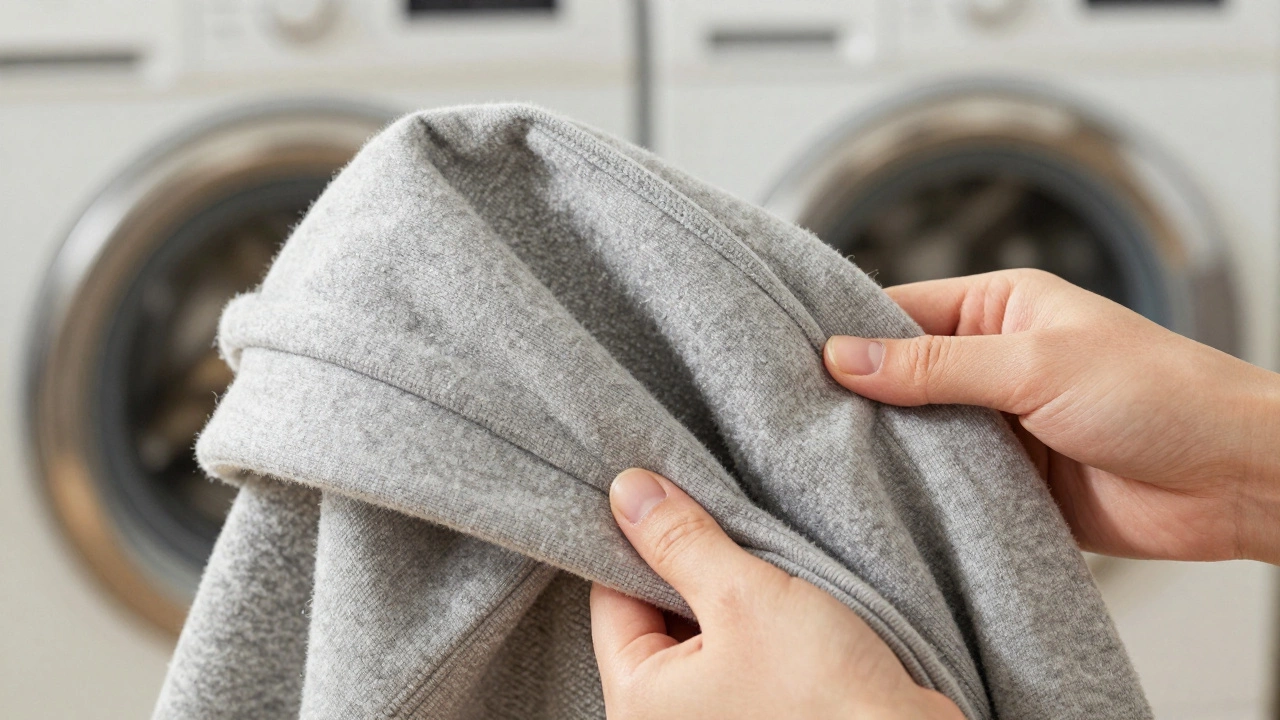
The primary reason to turn your hoodie inside out is to protect the exterior surface. When clothes tumble in a washer, they rub against each other and the metal drum. This friction causes two main problems: pilling and abrasion. Pilling happens when loose fibers tangle together, forming small balls on the fabric’s surface. By wearing the hoodie inside out during the wash, you expose the inner lining to this friction instead of the outer face. The inside of a hoodie usually has a softer, brushed texture that handles wear better without showing visible damage.
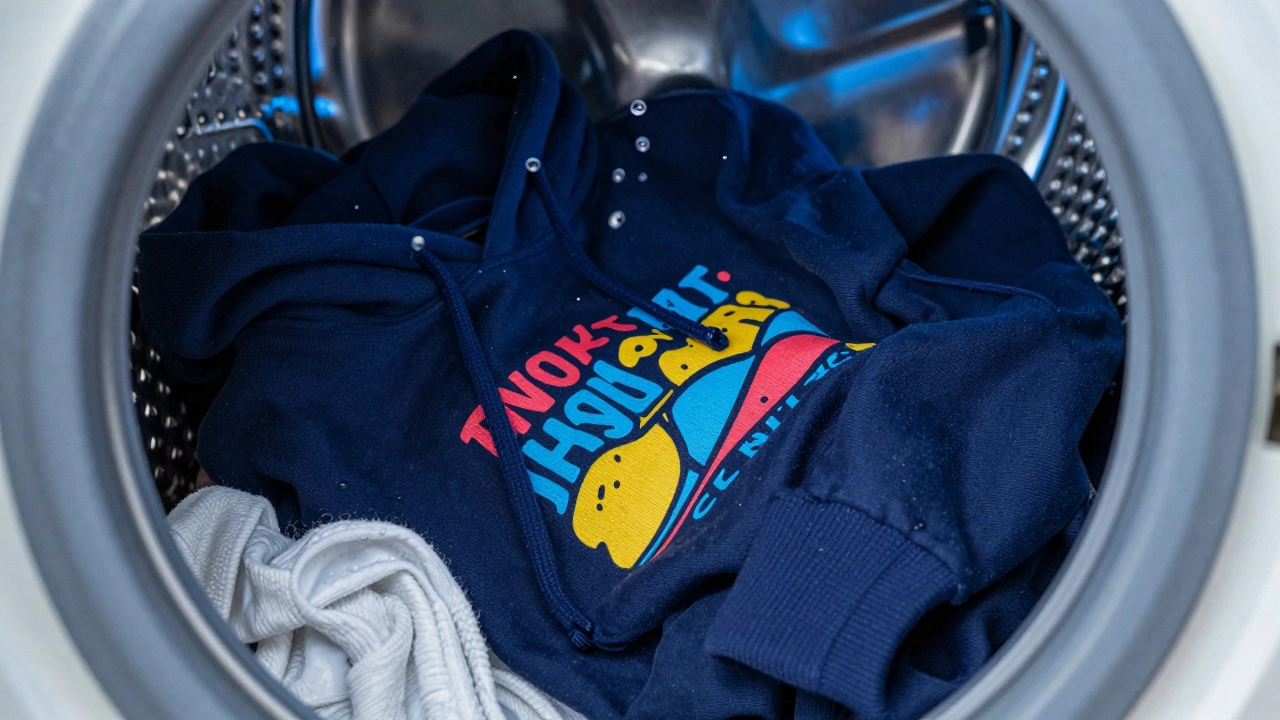
If your hoodie features a graphic print, logo, or embroidery, the stakes are even higher. Direct contact with other items in the load can crack vinyl prints or fray embroidered threads. Keeping the design facing inward shields it from mechanical stress. Think of it like putting a phone case on before tossing it in your bag-you want the protective layer taking the hit, not the screen.
Fabric Types That Demand Inside-Out Washing
Not all hoodies are created equal. The material composition dictates how aggressively you should treat them. Let’s look at the most common fabrics used in hoodie construction and why they benefit from being flipped.
| Material | Vulnerability | Inside-Out Benefit |
|---|---|---|
| Cotton Blend | Pilling, Shrinkage | Reduces surface fuzzing; maintains shape |
| Polyester | Odor retention, Static | Minimizes static cling; helps release odors |
| Fleece | Matting, Lint accumulation | Prevents outer nap from crushing |
| Wool Blend | Felting, Shrinking | Protects delicate fibers from agitation |
Cotton blends are the most popular choice for everyday hoodies. They breathe well and feel soft, but they are prone to pilling. Turning them inside out keeps the pills hidden on the interior where they don’t affect the look. Polyester hoodies, often used in athletic wear, tend to hold onto body odor. Washing them inside out allows the water and detergent to penetrate the fibers more directly where sweat accumulates, rather than just cleaning the outer shell.
Fleece-lined hoodies have a fuzzy interior designed for warmth. If you wash these right-side out, the outer fabric can get matted down by the friction of the cycle. Inside-out washing preserves the plush feel of the fleece while protecting the smooth exterior from lint transfer.
Step-by-Step: How to Wash Hoodies Correctly
Knowing *why* to wash inside out is only half the battle. Doing it correctly ensures you get results. Here is a simple routine I follow to keep my hoodies looking fresh for years.
- Check the Label: Before anything else, look at the care instructions. Some premium wool or cashmere blends require hand washing or dry cleaning. Ignoring this step can ruin the garment instantly.
- Turn It Inside Out: Flip the hoodie so the seams and tags are facing outward. Smooth out any wrinkles to ensure even cleaning.
- Zip and Button: If your hoodie has a zipper (a zip-up style), always close it fully. An open zipper acts like a saw blade against other clothes and itself. Button up any plackets as well.
- Use a Mesh Bag (Optional): For extra protection, especially if you’re washing delicate items alongside heavy jeans, place the hoodie in a mesh laundry bag. This adds another barrier against friction.
- Choose Cold Water: Hot water shrinks cotton and sets stains. Use cold water (30°C or below) for almost all hoodies. It saves energy too.
- Select Gentle Cycle: Aggressive cycles cause excessive tumbling. A gentle or delicate cycle reduces mechanical stress significantly.
- Avoid Fabric Softener: This is crucial. Fabric softeners coat fibers, reducing breathability and trapping odors in synthetic blends. Skip it entirely.
Drying: Where Most People Go Wrong
Even if you wash your hoodie perfectly, drying it incorrectly can undo all your hard work. The heat from a dryer is the enemy of longevity. High temperatures break down elastic fibers in cuffs and hems, causing them to sag. They also accelerate color fading.
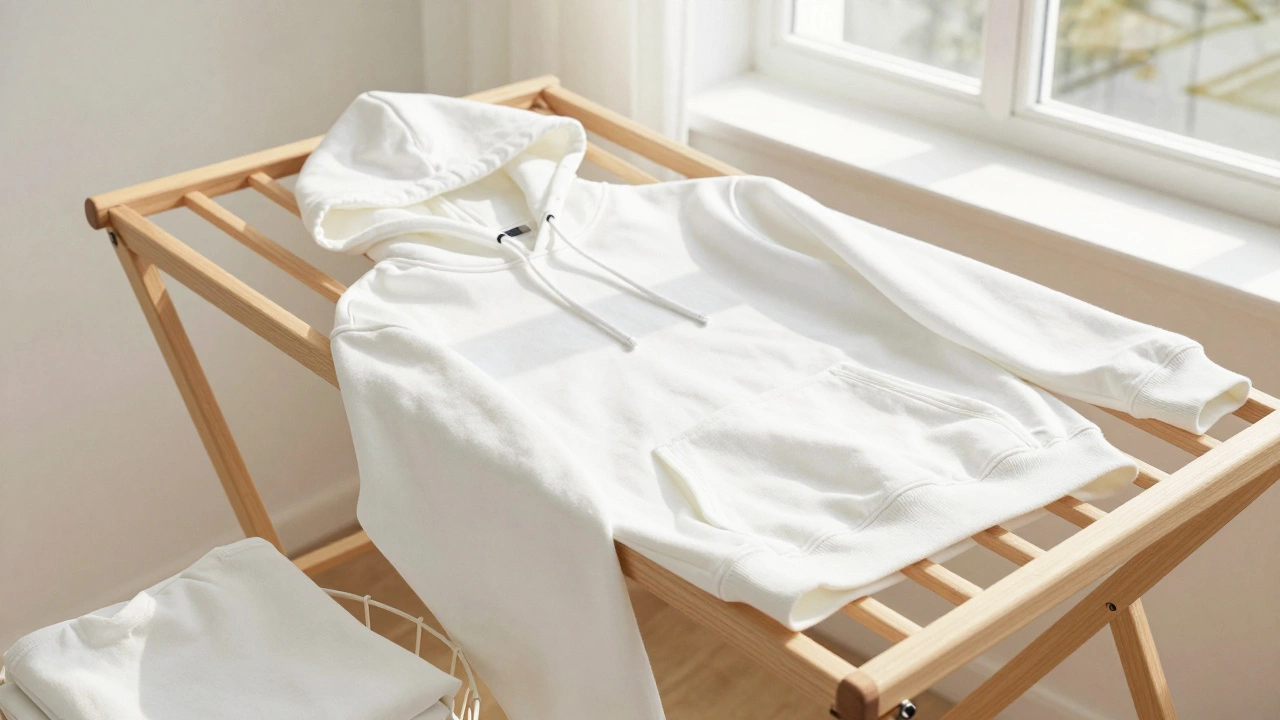
The best method is air drying. Lay the hoodie flat on a drying rack to maintain its shape. Hanging wet hoodies on a hanger can stretch the shoulders over time, creating unsightly bumps. If you must use a dryer, select the lowest heat setting or an air-only fluff cycle. Remove the hoodie while it’s still slightly damp to minimize wrinkling and shrinkage.
Remember, since you washed it inside out, you’ll need to turn it back right-side out before drying. Don’t leave it inverted in the dryer unless you plan to wear it backwards.
Common Mistakes to Avoid
Laundry errors are easy to make but costly to fix. Here are the pitfalls I see people fall into regularly.
- Mixing Heavy and Light Fabrics: Never wash a thin hoodie with heavy denim jackets or towels. The weight difference creates uneven agitation, leading to twisting and stretching.
- Overloading the Machine: Clothes need room to move. If the drum is packed tight, there’s no space for water circulation, resulting in poor cleaning and increased friction.
- Using Bleach: Chlorine bleach weakens fibers and turns white hoodies yellow over time. Use oxygen-based bleach if you need stain removal.
- Ignoring Stains: Treat stains immediately before washing. Rubbing them vigorously can set them deeper into the fabric. Blot gently with cold water and a mild detergent.
When Not to Wash Inside Out
Are there exceptions? Yes, though they are rare. If your hoodie is heavily soiled on the outside-think mud from a hike or grease from cooking-washing it inside out might not clean the exterior effectively. In these cases, spot clean the affected area first, then wash normally. However, for general maintenance and odor removal, inside-out remains the gold standard.
Another exception involves hoodies with external pockets that trap debris. Empty all pockets thoroughly before flipping. Coins, receipts, or tissues left inside can damage the washer or create holes in the fabric.
Extending the Life of Your Favorite Hoodie
Beyond washing techniques, how often you wash matters. You don’t need to launder a hoodie after every wear unless it’s visibly dirty or smelly. Cotton absorbs less odor than synthetics, so airing it out between wears can extend the time between washes. This reduces overall wear and tear, saving both money and resources.
Store your hoodies folded rather than hung long-term. Folding prevents shoulder distortion and keeps the fabric relaxed. Rotate your wardrobe so you aren’t wearing the same hoodie every day, giving each piece time to rest and recover its shape.
Can I wash hoodies in hot water?
Generally, no. Hot water causes cotton to shrink and can damage synthetic fibers. Stick to cold or lukewarm water (up to 30°C) to preserve size, color, and elasticity.
Is it okay to put hoodies in the dryer?
It’s risky. High heat shrinks fabric and breaks down elastic bands. If you must use a dryer, choose low heat or air fluff settings. Air drying flat is the safest option for longevity.
Why do my hoodies pill so much?
Pilling is caused by friction during washing and wearing. Washing inside out, using a gentle cycle, and avoiding fabric softeners can significantly reduce pilling. You can also remove existing pills with a fabric shaver.
Should I wash new hoodies before wearing them?
Yes. New clothes often contain residual chemicals from manufacturing and may have sizing agents that irritate skin. Washing removes these substances and pre-shrinks natural fibers.
How often should I wash my hoodie?
Every 3-5 wears is sufficient for most hoodies unless they are sweaty or stained. Over-washing accelerates wear and fade. Air them out between uses to refresh them.