70°F Wardrobe Assistant
Since 70°F is the "ultimate middle ground," your choice depends on the environment. Select the factors that apply to your day:
Select factors to see recommendation
Quick Comfort Cheat Sheet
- Sun and No Wind: Skip the jacket. A breathable T-shirt or blouse is plenty.
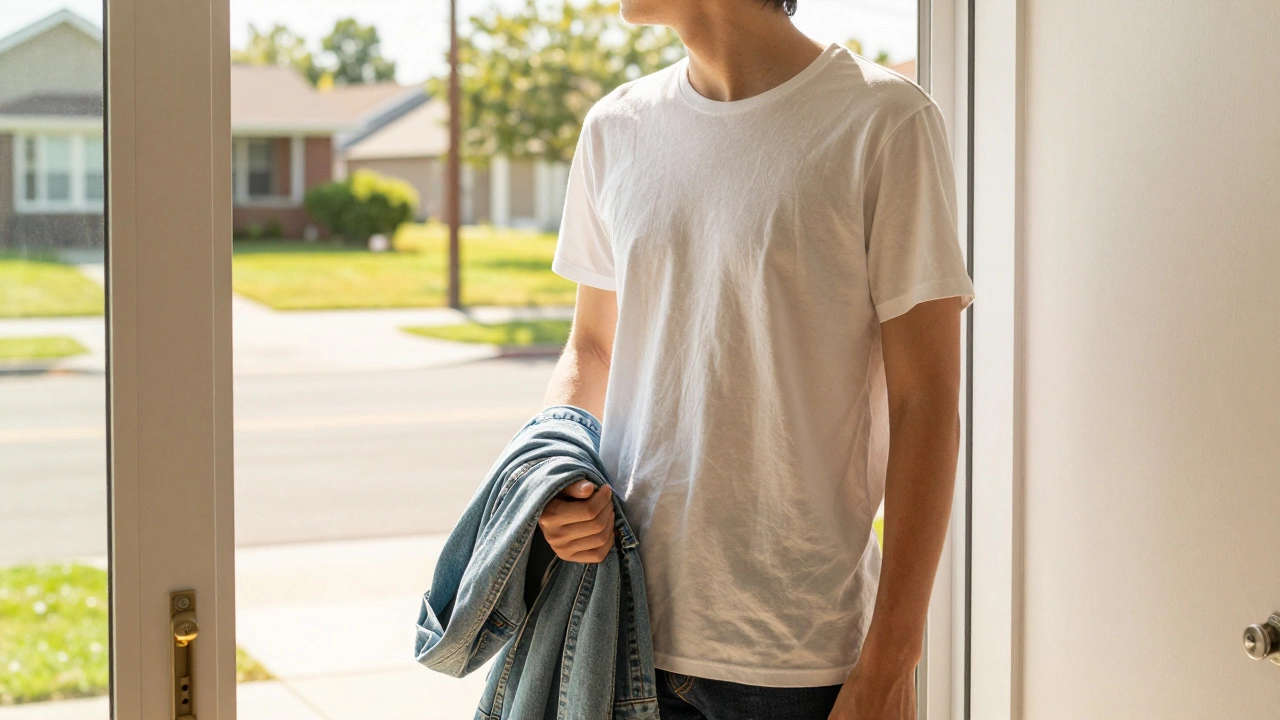
- Shady or Breezy: A light layer like a cardigan or denim jacket is your best bet.
- Evening Transition: Bring a light jacket. As the sun drops, 70 degrees can feel like 60 very quickly.
- High Humidity: Avoid heavy fabrics. Stick to linen or light cotton to prevent that sticky feeling.
The Science of Why 70 Degrees Feels Different
Ever wonder why you're sweating while your friend is shivering, even though you're both standing in the same 70-degree park? It comes down to Thermoregulation, which is the process that allows your body to maintain its core internal temperature. Your metabolism, body fat percentage, and even how much water you've drank play a role in how you perceive warmth.
Then there is the "feels like" temperature. This is where Wind Chill and humidity come into play. If you're in a city like Chicago and a 15 mph wind is whipping through the skyscrapers, 70 degrees can feel like 65. Conversely, in a humid place like Florida, that same 70 degrees feels warmer because the moisture in the air traps heat against your skin.
Best Light Jackets for Mild Weather
If you decide you do need a layer, you can't just grab any old coat. A heavy parka will make you miserable in ten minutes. You need something that breathes. The goal here is to block the wind without trapping too much body heat.
| Jacket Type | Best For... | Breathability | Style Vibe |
|---|---|---|---|
| Denim Jacket | Casual outings, wind protection | Medium | Classic / Rugged |
| Cardigan | Office settings, cozy feel | High | Soft / Preppy |
| Bomber Jacket | Streetwear, evening transitions | Low to Medium | Modern / Sporty |
| Windbreaker | Active movement, rainy breezes | High (Synthetic) | Athletic |

The Magic of Layering
The smartest way to handle 70-degree weather is to stop thinking about "jacket or no jacket" and start thinking about Layering. Layering is the practice of wearing multiple thin garments instead of one thick one to easily adjust to temperature changes. This is a lifesaver when you're moving between a sunny sidewalk and a freezing air-conditioned coffee shop.
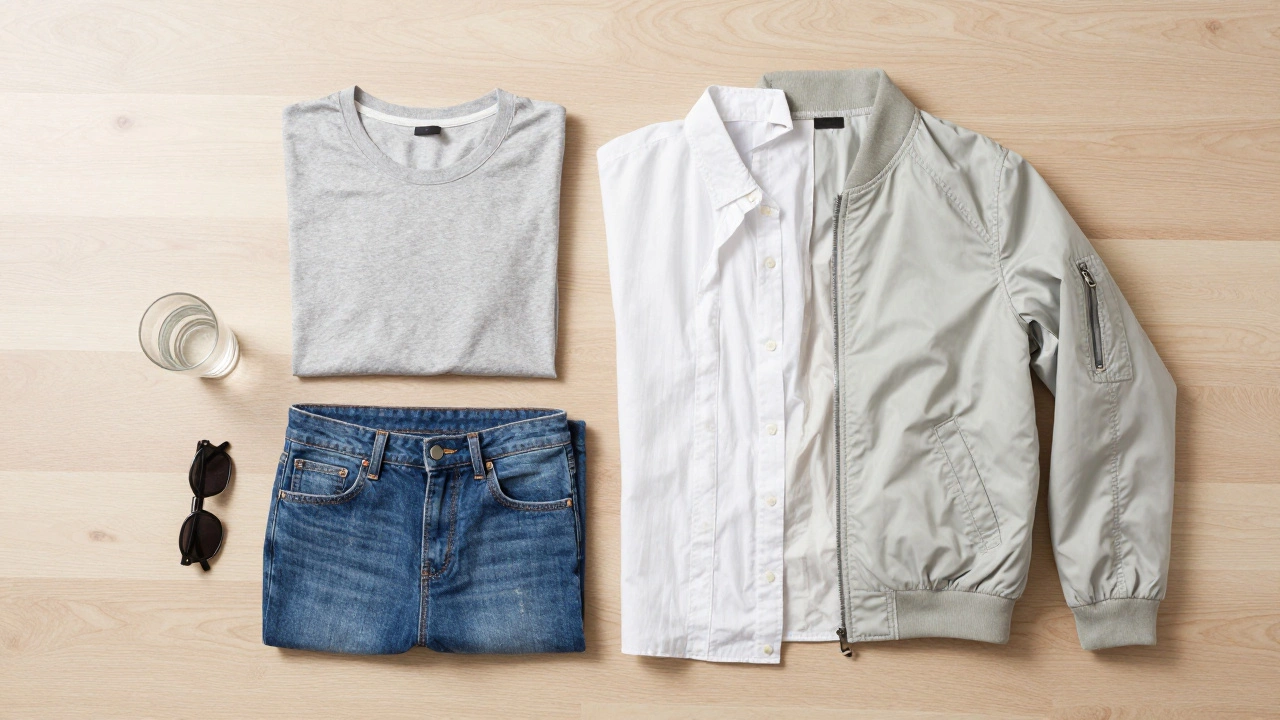
Try the base-mid-outer approach. Start with a breathable cotton T-shirt. Add a lightweight button-down shirt or a thin sweater as your mid-layer. If you're still unsure, throw on a light jacket. If you get too warm, you can tie the jacket around your waist or drape the shirt over your shoulders. This flexibility prevents you from being trapped in an outfit that no longer fits the environment.
Context Matters: Where are You Going?
Your destination changes your clothing needs. If you're heading to a professional office, the Air Conditioning is your biggest enemy. Most offices keep their thermostats around 68-72 degrees, but the airflow from the vents can create cold spots. A blazer or a professional cardigan is practically a requirement here, regardless of the outdoor heat.
On the flip side, if you're going for a light hike or a walk in the park, you'll generate your own heat. Once your heart rate goes up, 70 degrees will quickly feel like 80. In this scenario, a Windbreaker is the ideal choice because it protects you from the breeze while letting heat escape through the fabric.
Common Mistakes to Avoid
One of the biggest blunders people make is wearing a heavy hoodie. While they're comfortable, most Hoodies are made of fleece or heavy cotton blends that trap a lot of heat. If you wear one in 70-degree sunshine, you'll likely end up with sweat patches on your back within twenty minutes.
Another mistake is ignoring the sun's position. 70 degrees at 10:00 AM is very different from 70 degrees at 4:00 PM. The midday sun is much more intense and will make the air feel warmer. If you're planning to be out all day, always pack a "just in case" layer. It's much easier to carry a light jacket than it is to suffer through a sudden temperature drop when the sun dips behind a cloud.
Final Checklist for Your 70-Degree Day
Before you head out the door, run through these quick checks to make sure you're dressed for success:
- Check the wind speed: Is it over 10 mph? Grab a windbreaker or denim jacket.
- Check the humidity: Is it "muggy"? Stick to linen and skip the heavy layers.
- Check the time of return: Will you be coming home after sunset? Definitely bring a light outer layer.
- Check your activity level: Will you be walking a lot? Choose a breathable layer you can easily remove.
Is 70 degrees considered hot or cold?
For most people, 70 degrees is considered "mild" or "room temperature." It is generally the point where you don't feel the need for heavy winter gear, but you aren't yet in "beach weather" where you'd only want a swimsuit and sandals. It's the perfect transition temperature.
Can I wear a sweatshirt in 70 degree weather?
You can, but be careful. A thin, cotton sweatshirt is usually fine, especially in the shade or during the evening. However, a thick, lined sweatshirt will likely be too warm if you are walking in direct sunlight or doing any physical activity.
What is the best fabric for 70 degree weather?
Cotton and linen are the gold standards for this temperature. They allow your skin to breathe and wick moisture away. For a light jacket, a denim blend or a light synthetic nylon (like in a windbreaker) works best to keep the wind out without overheating you.
Should I wear pants or shorts when it's 70 degrees?
Both work! If you're wearing a jacket, light trousers or jeans are a great match. If you prefer shorts, you'll likely want to keep a light jacket or cardigan handy for when you step into air-conditioned buildings or when the wind picks up.
How do I dress for 70 degrees if I'm always cold?
If you have a lower cold tolerance, 70 degrees can actually feel quite chilly. Focus on the layering technique: a base T-shirt, a long-sleeve button-up, and a light jacket. This allows you to keep your core warm while still having the option to peel layers off if you hit a sunny patch.