Sportswear vs. Active Sportswear Selector
Ever stood in a store aisle staring at two pairs of leggings that look identical but have wildly different price tags? One is labeled "casual fitness" and the other "high-performance training." You might think it’s just marketing fluff, but there is a real technical divide between sportswear and clothing designed for general physical activity or casual athletic style. Understanding this difference saves you money, prevents wardrobe malfunctions during workouts, and ensures you’re wearing the right fabric for your sweat levels.
The confusion is understandable. Brands blur the lines constantly. But if you’ve ever worn cotton gym shorts to a HIIT class and regretted it instantly, you already know the stakes. Let’s break down exactly what separates everyday athletic wear from serious performance gear.
The Core Definition: Style vs. Function
At its simplest, sportswear is any clothing intended for sports, exercise, or leisure activities that mimic athletic styles. This is the broad umbrella. It includes everything from the joggers you wear to grab coffee to the jersey you wear on the couch. The primary goal here is often aesthetics, comfort, and versatility. It looks like gym clothes, but it doesn’t necessarily perform like them.
Active sportswear, also known as performance apparel or technical activewear, is a specific subset designed for intense physical exertion. Its sole purpose is to enhance performance, protect the body, and manage moisture during rigorous activity. If you are running a marathon, lifting heavy weights, or playing competitive soccer, you need active sportswear. If you are doing yoga once a week or walking the dog, standard sportswear usually suffices.
The key distinction lies in the intent. Sportswear asks, "Does this look good and feel comfortable?" Active sportswear asks, "Will this keep me dry, cool, and mobile while I push my limits?"
Fabric Technology: The Hidden Engine
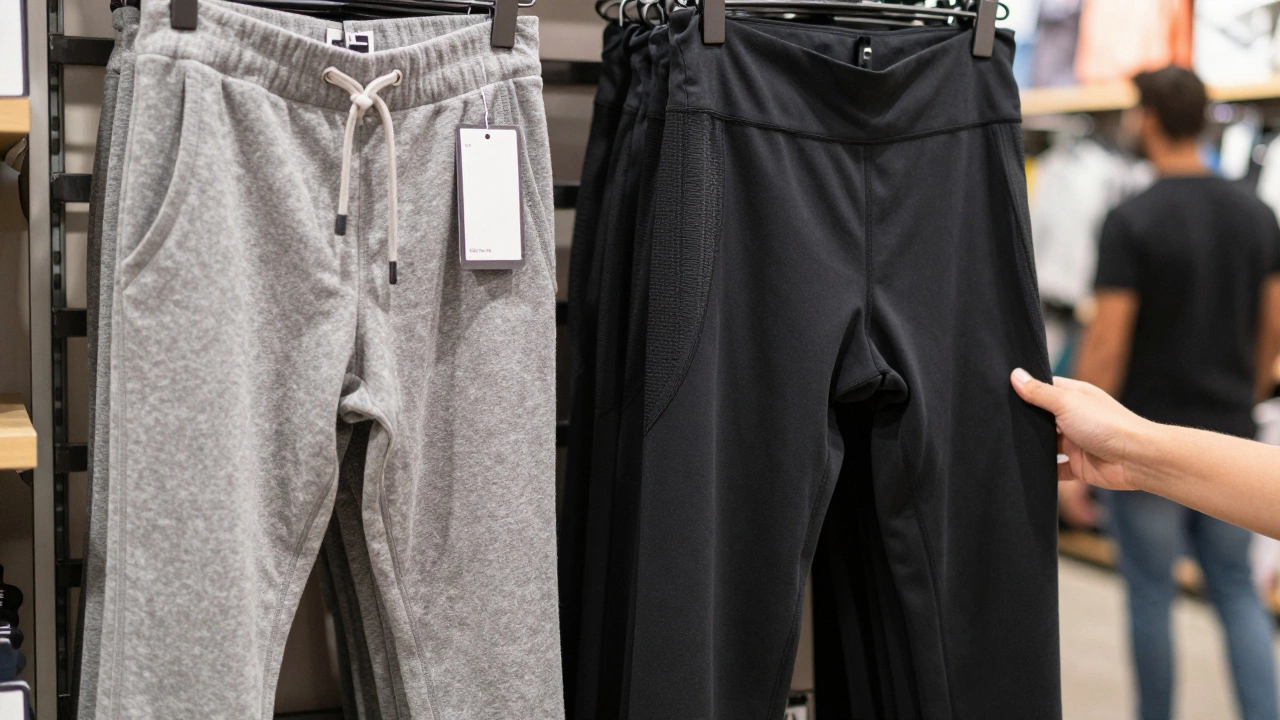
If you pull apart a pair of casual sweatpants and a pair of compression tights, the difference is night and day. Fabric technology is the biggest divider between these two categories.
Standard sportswear often relies on natural fibers like cotton or simple polyester blends. Cotton is soft and breathable, which is great for sitting around. However, cotton absorbs water. When you sweat, cotton holds that moisture against your skin. This leads to chafing, heavy garments, and rapid cooling (which can cause shivering) after you stop moving. It’s comfortable until it isn’t.
Active sportswear uses synthetic engineering. Fabrics like polyester, nylon, and spandex (or elastane) are woven with specific properties:
- Moisture-wicking: These fabrics pull sweat away from your skin to the outer surface where it can evaporate quickly. This keeps you dry and regulates body temperature.
- Compression: Many active pieces use tight-knit fabrics that apply pressure to muscles. This can improve blood flow, reduce muscle vibration, and speed up recovery.
- Four-way stretch: Unlike standard fabrics that only stretch horizontally, active sportswear stretches in all directions, allowing for deep squats, high kicks, and full range of motion without restricting movement.
- Odor resistance: High-end active fabrics often include antimicrobial treatments to prevent bacteria growth, which causes that stale gym smell.
When you buy active sportswear, you are paying for these engineered features. When you buy general sportswear, you are paying for the cut and the brand logo.
| Feature | General Sportswear | Active Sportswear |
|---|---|---|
| Primary Material | Cotton, basic polyester blends | Technical synthetics (Polyester, Nylon, Spandex) |
| Sweat Management | Absorbs moisture (can get heavy/wet) | Wicks moisture (keeps skin dry) |
| Fit & Cut | Loose, relaxed, fashion-forward | Tailored, compressive, ergonomic seams |
| Durability | Moderate; may pill or fade quickly | High; resistant to abrasion and frequent washing |
| Price Point | $20 - $60 | $50 - $150+ |
| Best Use Case | Casual wear, light stretching, lounging | Running, HIIT, weightlifting, team sports |
Design and Fit: Ergonomics Over Aesthetics
Look closely at the seams. In general sportswear, seams are often flat-stitched for ease of manufacturing. They sit on top of the fabric and can rub against your skin during repetitive movements, causing irritation.
Active sportswear uses flatlock stitching or seamless knitting. These techniques lay the thread flat against the fabric, eliminating friction points. This is crucial for runners who take thousands of steps or cyclists who stay in one position for hours.
Fit is another major differentiator. Casual sportswear follows current fashion trends. If baggy jeans are in, you’ll see loose-fitting athletic pants. If skinny fits are popular, you’ll see tapered joggers. These cuts prioritize how you look standing still.
Active sportswear prioritizes biomechanics. Pants are cut to accommodate hip flexion. Shirts are shaped to allow shoulder rotation. Compression gear is sized precisely to target specific muscle groups. You won’t find a pair of performance running shorts that ride up when you sprint because the leg openings are hemmed with elastic bands designed to stay put.
Weather and Environmental Protection
If you live somewhere with variable weather, like Auckland, New Zealand, where rain can turn a sunny morning into a downpour in minutes, the protective capabilities of your gear matter.
General sportswear offers little protection. A cotton hoodie gets soaked through immediately and becomes a cold, heavy burden. A basic windbreaker might block light breeze but fails in strong gusts.
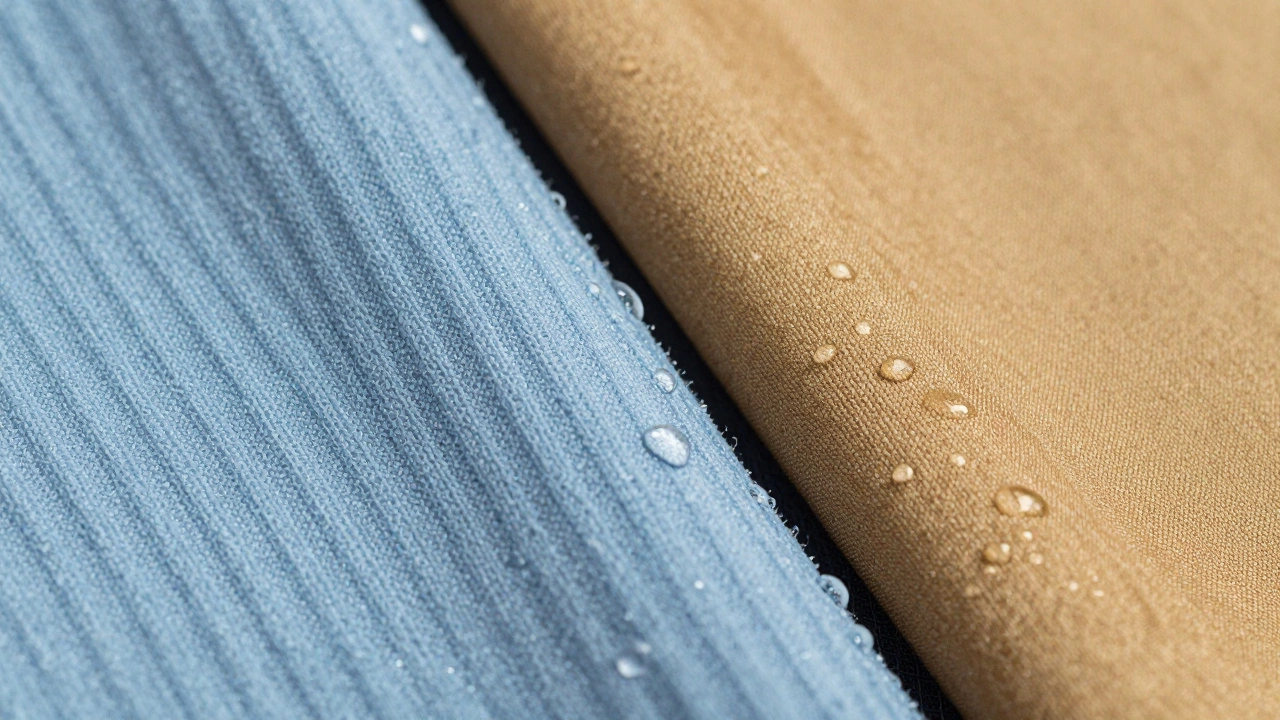
Active sportswear integrates weather-specific technologies:
- Waterproof/Breathable Membranes: Jackets made with materials like Gore-Tex or proprietary brand equivalents keep rain out while letting sweat vapor escape. This is essential for trail running or outdoor cycling.
- Wind Resistance: Tight-weave fabrics block cold air from penetrating, maintaining core body temperature during winter runs.
- UV Protection: Many active shirts come with UPF (Ultraviolet Protection Factor) ratings, shielding your skin from sun damage during long outdoor sessions.
- Reflectivity: Safety is part of performance. Active gear often includes reflective strips or logos to ensure visibility in low-light conditions.
You wouldn’t wear a fashion windbreaker to hike a mountain in the rain. Similarly, you shouldn’t rely on casual sportswear for extreme weather conditions.
When to Wear Which: Practical Scenarios
Knowing the difference helps you build a smarter wardrobe. You don’t need expensive performance gear for every occasion, but wearing the wrong thing can ruin your workout.
Choose General Sportswear For:
- Low-intensity activities: Walking, gentle yoga, Pilates, or light stretching.
- Post-workout recovery: Changing into comfortable clothes after the gym.
- Casual daily wear: Running errands, meeting friends for coffee, or lounging at home.
- Layering: Wearing a hoodie over your base layer before heading outside.
Choose Active Sportswear For:
- High-intensity interval training (HIIT): Where sweat production is high and rapid evaporation is needed.
- Endurance sports: Running, cycling, swimming, or hiking where durability and chafe prevention are critical.
- Weightlifting: Where freedom of movement and muscle support (compression) enhance performance.
- Competitive sports: Soccer, basketball, tennis, etc., where agility and temperature regulation affect your game.
Cost vs. Value: Is the Upgrade Worth It?
Active sportswear costs more. A pair of technical running tights can cost three times as much as casual joggers. Is it worth it?
If you work out less than twice a week at low intensity, probably not. Good quality cotton-blend sportswear will last years and look fine. However, if you train regularly, the investment pays off in longevity and performance. Active fabrics resist pilling, fading, and stretching out even after dozens of washes. Cotton sportswear tends to lose its shape and develop holes faster under stress.
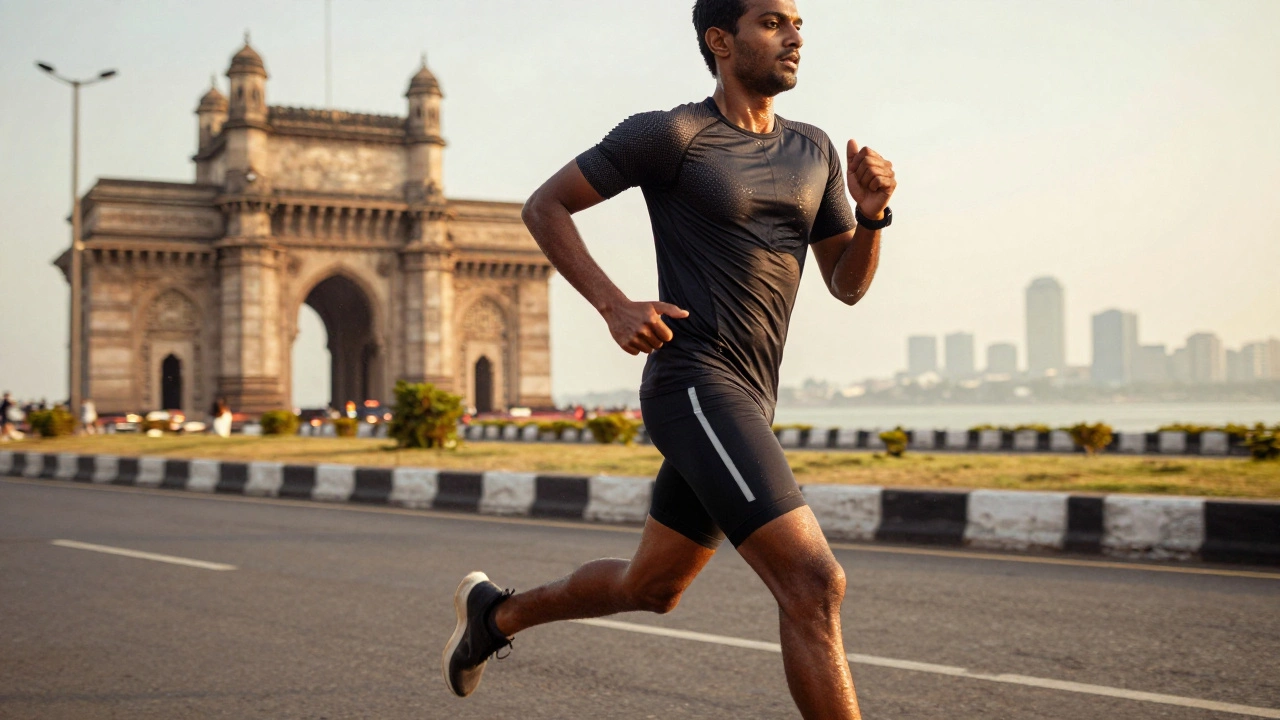
More importantly, consider the experience. Trying to run five kilometers in wet, heavy cotton shorts is miserable. Dry, lightweight active shorts make the same run enjoyable. The gear doesn’t make you faster directly, but it removes barriers-discomfort, chafing, overheating-that slow you down mentally and physically.
How to Spot Quality Active Sportswear
Not everything labeled "active" is truly performance-grade. Here’s how to check before you buy:
- Check the label: Look for percentages. If it says 100% cotton, it’s not performance gear. Look for blends with polyester, nylon, or spandex.
- Do the stretch test: Pull the fabric diagonally. If it resists or feels stiff, it won’t move with you. Good active fabric snaps back smoothly.
- Inspect the seams: Run your finger over the stitching. If it feels rough or raised, it might chafe. Flat seams are better.
- Look for zippers and pockets: Performance gear often has secure zippered pockets for keys and phones, placed so they don’t bounce while moving. Casual sportswear usually has open slip pockets.
- Read the care instructions: Technical fabrics often require cold washes and no fabric softener. If the care label is vague, the fabric might be lower quality.
Don’t be fooled by big logos. A giant brand name on the chest doesn’t mean the fabric underneath is high-tech. Focus on the material composition and construction details.
Sustainability Considerations
One downside of active sportswear is its reliance on synthetic plastics. Polyester and nylon are derived from petroleum and shed microplastics when washed. This is an environmental concern that affects both categories, but since active wear uses more synthetic content, the impact is higher per garment.
However, the lifespan matters. A durable active piece that lasts five years is often more sustainable than cheap cotton sportswear that falls apart in six months and ends up in landfill. Look for brands using recycled polyester (rPET) made from plastic bottles, or innovative bio-based fabrics. Wash your technical gear in a microfiber-catching bag to minimize pollution.
Choosing between sportswear and active sportswear isn’t just about fashion. It’s about matching your gear to your goals. Dress for the workout you want to do, not the one you imagine doing. Your body-and your bank account-will thank you.
Can I wear cotton sportswear to the gym?
You can, but it’s not recommended for intense workouts. Cotton absorbs sweat and stays wet, which can lead to chafing, discomfort, and feeling cold afterward. It’s fine for light stretching or yoga, but avoid it for running, HIIT, or heavy lifting.
Is activewear the same as sportswear?
Activewear is a type of sportswear, but not all sportswear is activewear. Activewear specifically refers to high-performance clothing designed for intense physical activity, featuring moisture-wicking fabrics and ergonomic designs. General sportswear includes casual athletic-style clothing meant for leisure or low-intensity use.
Why is active sportswear more expensive?
Active sportswear costs more due to advanced fabric technologies like moisture-wicking, compression, and four-way stretch. It also involves complex manufacturing processes such as seamless knitting and flatlock stitching. These features enhance performance, durability, and comfort during rigorous exercise.
How do I know if my workout clothes are high-quality?
Check the fabric composition for synthetics like polyester or nylon. Test the stretch-it should be flexible and snap back. Inspect the seams for flat, smooth stitching. Look for functional details like secure pockets and reflective elements. High-quality gear also maintains its shape and color after multiple washes.
Can I wear active sportswear for casual outings?
Yes, many people wear active sportswear casually because it’s comfortable and stylish. However, technical fabrics may feel too tight or restrictive for some if not designed for lounging. Also, frequent casual wear can shorten the lifespan of performance gear due to increased washing and wear.