Summer Dress Style Finder
Not sure what to call that breezy garment? Answer three quick questions to find the right name and search terms for your next purchase.
Style Name
Description goes here...
Recommended Fabrics
Tip: Check care labels for washability.Why This Works
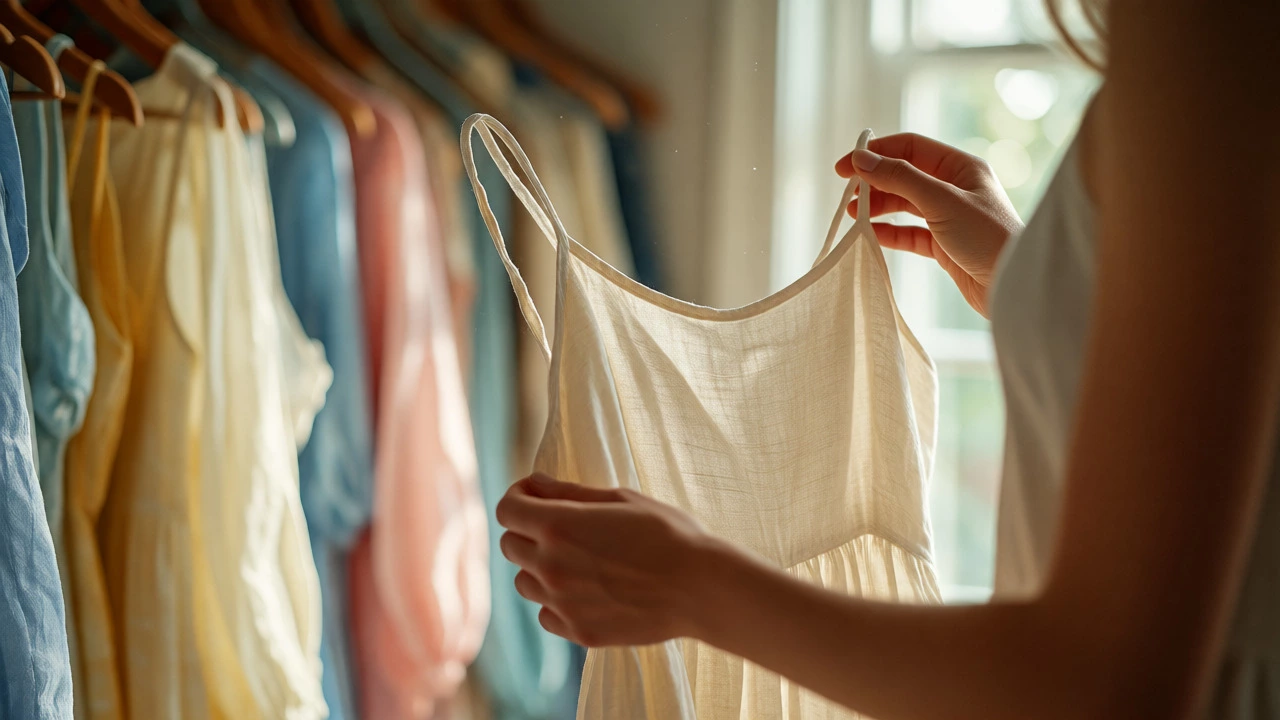
You are standing in front of your closet, holding a light, breezy garment that looks perfect for the upcoming heat. You want to buy more like it, but when you search online or ask a friend, you draw a blank on what to call it. Is it a sundress? A shift? A tunic? The truth is, "summer dress" isn't one single thing. It is a category filled with specific styles, each designed for a different body type, activity level, and temperature tolerance. Knowing the right name changes everything-it helps you find exactly what you need without scrolling through thousands of irrelevant results.
Most people use the term sundress as a catch-all for any lightweight dress worn in warm weather. While technically correct, this label misses the nuance. A sundress might be a tiered cotton number, a sleek linen sheath, or a flowy chiffon midi. Each has distinct construction details that affect how it moves, breathes, and fits. Understanding these differences saves you money and frustration. You stop buying clothes that look good on the hanger but fail in real life because they lack ventilation or structure.
The Sundress: The Ultimate Warm-Weather Staple
A sundress is a casual, lightweight dress typically made from breathable fabrics like cotton, linen, or rayon, designed for wear in hot weather. If you hear someone say "summer dress," this is usually what they mean. But not all sundresses are created equal. The defining feature here is the fabric weight and cut. These dresses prioritize airflow over structure. You will often see spaghetti straps, halter necks, or sleeveless cuts because less fabric means less heat trapping against your skin.
In Auckland, where the sun can be intense even in spring, the sundress reigns supreme. However, locals often layer them differently than tourists do. We throw denim jackets over them at night because the wind off the harbor drops temperatures quickly. When shopping for a true sundress, check the seam allowances. Cheap versions have thick, stiff seams that chafe when you sweat. High-quality ones use French seams or serged edges that lie flat. This small detail determines whether you feel comfortable after two hours outside or if you are itching by lunchtime.
Maxi and Midi Lengths: Coverage Without the Heat
Many people assume shorter is cooler, but long skirts can actually keep you cooler if the fabric is right. Enter the maxi dress. This style hits the ankles or floor. It sounds counterintuitive to wear a long skirt in July, but think about it: a maxi dress creates a chimney effect. Air enters at the hem, rises up the inside of the skirt, and exits at the neckline, pulling heat away from your legs.
The key attribute here is drape. A stiff cotton maxi feels like wearing a tent. A viscose or silk-blend maxi flows around your legs, allowing air circulation. In New Zealand, we see a lot of "modest fashion" demand, and the maxi meets this need perfectly. It covers knees and thighs while remaining stylish. Just watch out for tripping hazards. If you are under 5'4", a true ankle-length maxi might drag. Look for "petite maxi" options which shorten the rise and hem length proportionally.
Sitting between the knee and ankle is the midi dress. This mid-calf length is arguably the most versatile summer option. It works for office settings where shorts are frowned upon, yet it remains cool enough for weekend brunches. The risk with midis is visual shortening. If the hem cuts across the widest part of your calf, it can make legs look stumpy. Aim for a hemline that ends just below the knee or near the slimmest part of the lower leg to maintain proportion.
Shift and Sheath: Structure for Professional Summers
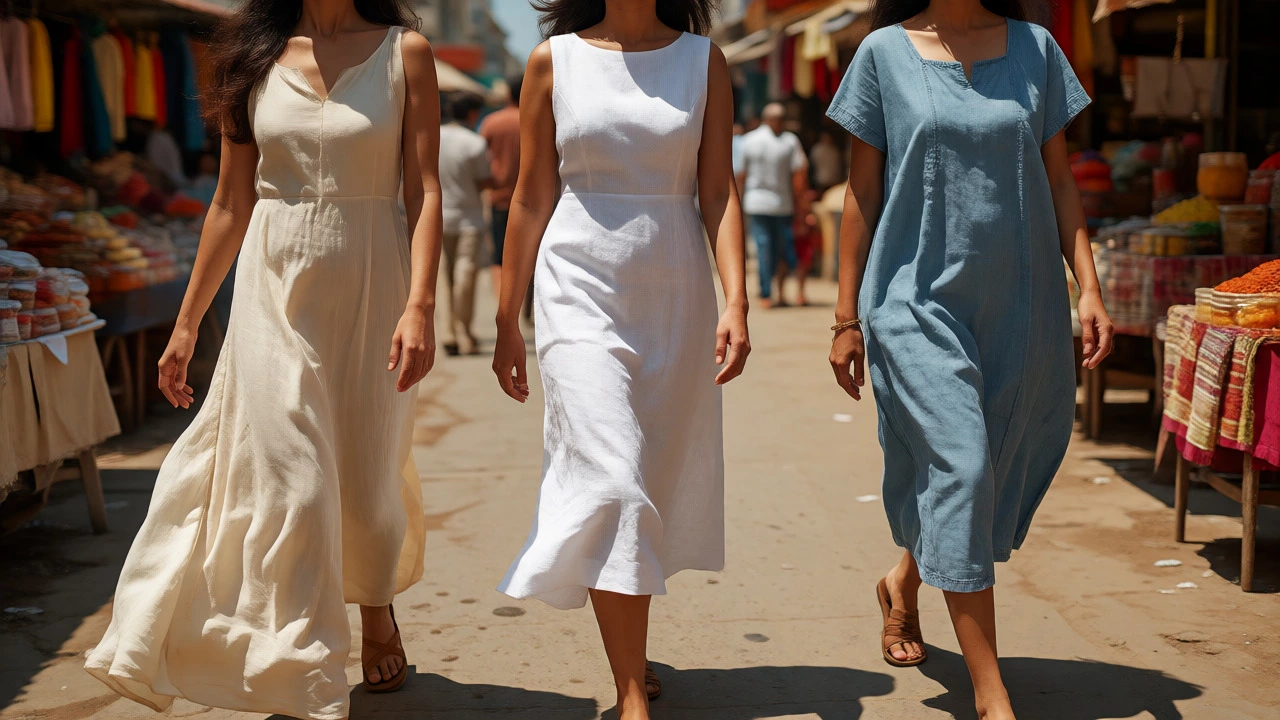
Not every summer day involves beach picnics. Sometimes you have a meeting, a client dinner, or a formal event. Here, loose, shapeless garments can look sloppy. That is where the shift dress comes in. Unlike the fitted sheath, a shift hangs straight from the shoulders with little waist definition. It is boxy, forgiving, and incredibly easy to move in. Because it does not cling to your torso, it minimizes sweat marks on the back-a common issue with tighter dresses.
The sheath dress is the shift's tailored cousin. It follows the body's curves closely. For summer, choose sheaths in structured linens or heavy cotton poplins. Thin jersey sheaths tend to show every panty line and sweat patch. Linen holds its shape better. If you live in a humid climate, avoid polyester blends in sheaths; they trap moisture against the skin. Natural fibers wick sweat away, keeping you dry longer.
| Dress Type | Best Fabric | Ideal Occasion | Cooling Factor |
|---|---|---|---|
| Sundress | Cotton, Rayon, Chambray | Beach, Casual Lunch | High (Breathable) |
| Maxi Dress | Viscose, Silk, Light Cotton | Garden Parties, Travel | Medium-High (Airflow) |
| Midi Dress | Linen, Poplin, Tencel | Office, Brunch | Medium (Versatile) |
| Shift Dress | Structured Cotton, Knit | Work, City Walks | Medium (Loose Fit) |
| Wrap Dress | Jersey, Crepe, Silk | Date Night, Semi-Formal | Variable (Adjustable) |
Wrap and Slip: Adjustable Comfort
The wrap dress deserves special mention for summer versatility. Its design allows you to adjust the fit throughout the day. Did you eat too much at lunch? Loosen the tie. Feeling chilly in an air-conditioned mall? Tighten it. This adaptability makes it a favorite among women whose bodies fluctuate slightly due to hydration levels or bloating, which is common in hot weather.
However, wrap dresses have a notorious flaw: gaping. If the neckline dips too low, you risk accidental exposure when bending over. To combat this, look for wraps with built-in bodysuits or secure inner ties. Alternatively, pair them with a camisole underneath. In Auckland’s variable weather, a wrap dress in a medium-weight crepe offers the best balance. It is not so thin that it becomes transparent in sunlight, nor so heavy that it overheats you indoors.
Then there is the slip dress, often mistaken for lingerie. Modern slip dresses are outerwear pieces made from satin, silk, or high-quality synthetic alternatives. They are slim, bias-cut, and hug the body. They scream elegance but require careful styling. Wear them with sandals and minimal jewelry for a daytime look, or add a blazer for evening. The main drawback? Static cling. In dry summer winds, cheap synthetics stick to your legs. Anti-static spray is your best friend here.
Fabric Matters More Than Style
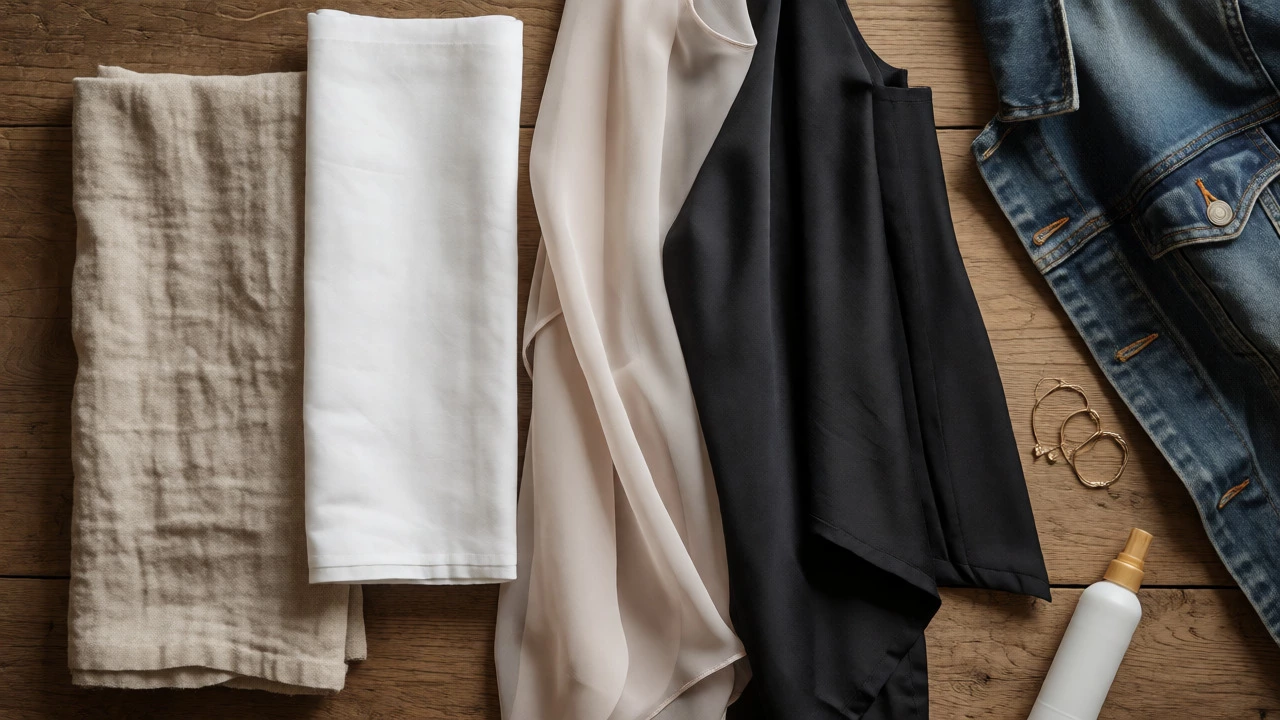
You can pick the perfect silhouette, but if the fabric is wrong, you will hate wearing it. Polyester is the enemy of summer comfort unless it is specifically engineered for moisture-wicking sports performance. Standard polyester traps heat and smells bad after a few hours of sweating. Stick to natural fibers or regenerated cellulosics.
- Linen: The king of summer. It wrinkles easily, but that is part of the charm. It dries fast and breathes exceptionally well.
- Cotton: Reliable and affordable. Look for high thread counts for durability, but ensure the weave is open enough for airflow.
- Tencel/Lyocell: Made from wood pulp, this fabric feels cool to the touch and drapes beautifully. It resists bacteria better than cotton, reducing odor.
- Chambray: Looks like denim but feels like a shirt. Perfect for those who want the aesthetic of jeans without the heat.
Avoid velvet, heavy wool blends, and thick knits. They absorb heat rather than reflecting it. Also, consider color. Dark colors absorb solar radiation, making you hotter. Pastels and whites reflect light, keeping your body temperature lower. If you must wear black, choose a loose cut to allow air circulation between the fabric and your skin.
How to Choose the Right Name for Your Search
When you go shopping, using precise terms yields better results. If you want something for the beach, search "beach cover-up dress" or "kaftan." If you need work attire, try "linen shift dress" or "office midi." Generic searches like "summer dress" return mixed bags of winter-appropriate synthetics and inappropriate lengths.
Consider your local climate context. In tropical zones, you might prioritize UV protection and quick-dry materials. In temperate zones like New Zealand, layering potential matters more. A dress that looks great alone should also look good under a cardigan. Test this before buying. Throw your favorite jacket over the dress in the fitting room. Does it still look cohesive? Or does the bulk ruin the silhouette?
Finally, think about maintenance. Summer clothes get dirty faster-sand, sunscreen, food spills. Dry-clean-only garments become expensive burdens. Hand-washable or machine-washable cold-water options save time and money. Check care labels religiously. Some silks shrink drastically if washed incorrectly, turning your expensive dress into a crop top.
What is the difference between a sundress and a cocktail dress?
The main difference lies in formality and fabric. A sundress is casual, made from breathable natural fibers like cotton or linen, and features relaxed cuts suitable for daytime activities. A cocktail dress is semi-formal, often made from silk, satin, or structured synthetics, with tailored fits and embellishments suitable for evening events. While some modern cocktail dresses use lightweight fabrics, they generally lack the airy, effortless vibe of a sundress.
Can I wear a maxi dress in very hot weather?
Yes, provided the fabric is lightweight and the cut allows airflow. Heavy cotton maxis can feel suffocating, but viscose, silk, or sheer linen maxis create a cooling chimney effect where air circulates up the skirt. Avoid tight-fitting maxis in extreme heat; opt for A-line or circle cuts that swing away from the body.
Are polyester dresses bad for summer?
Generally, yes. Standard polyester traps heat and moisture, leading to discomfort and odor. However, high-performance technical polyesters designed for sportswear can wick moisture effectively. For everyday summer wear, natural fibers like cotton, linen, or bamboo-derived Tencel are superior choices for breathability and comfort.
What is a kaftan and is it considered a summer dress?
A kaftan is a loose, flowing robe-like garment with wide sleeves, often featuring intricate patterns. While traditionally viewed as loungewear or beach cover-ups, many modern kaftans are styled as standalone summer dresses. They offer excellent ventilation and sun protection, making them ideal for poolside parties or resort wear.
How do I prevent linen dresses from wrinkling too much?
Linen naturally wrinkles, which is part of its aesthetic. To minimize excessive creasing, remove the dress from the dryer immediately while damp and hang it to finish drying. Use a steamer instead of an iron for gentle smoothing. Choosing linen blends with cotton or rayon can also improve wrinkle resistance while maintaining breathability.