What Are Trainers in England? The Real Meaning Behind the Word
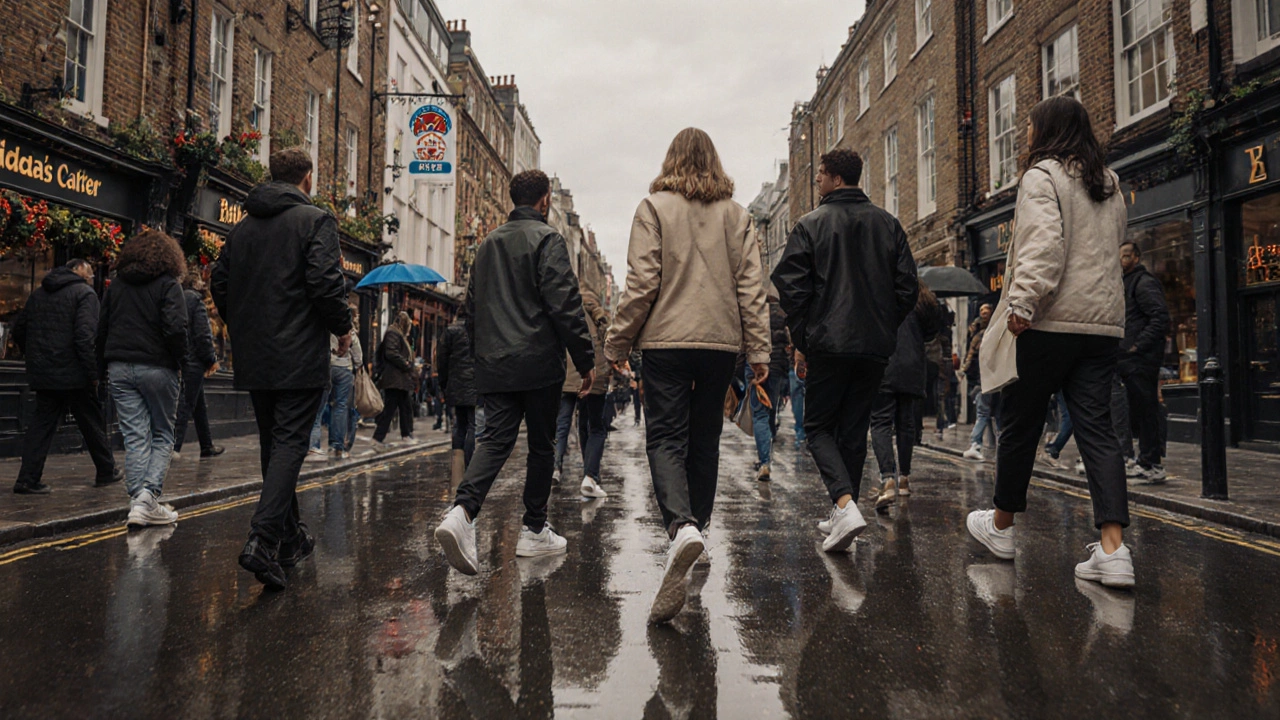
In England, 'trainers' means sneakers - not coaches. Learn why the term stuck, how they're worn, and what makes British trainers different from those elsewhere.
moreWhen you hear someone say trainers, the British term for athletic shoes commonly called sneakers in the US. Also known as sneakers, it's not just a word swap—it's a cultural marker tied to history, function, and everyday life in the UK. It’s not branding. It’s not trend. It’s how people have talked about their footwear for decades. And if you’ve ever been confused by terms like brogues, a type of leather shoe with decorative perforations, often worn formally or casually in the UK or plimsolls, a lightweight, rubber-soled shoe similar to a canvas sneaker, popular in British schools and casual settings, you’re not alone. These aren’t just fancy names—they’re practical labels shaped by weather, work, and style.
British shoe slang didn’t pop up overnight. Trainees got their name because they were originally worn for physical training in the military and schools. By the 1950s, they were everywhere—from factory floors to football pitches. Meanwhile, brogues, a classic leather shoe with perforated patterns, originally designed to drain water from wet terrain in Scotland and Ireland, became a staple in British wardrobes because they worked in rain and looked sharp in offices. Even plimsolls, a simple, flat-soled shoe with a canvas upper, often worn in British schools during the 20th century—yes, those are the ones your grandpa called gym shoes—have a story rooted in Victorian-era physical education. These terms aren’t outdated. They’re alive. You’ll hear them on the street in Manchester, in shop windows in Brighton, and in ads from British brands like Clarks and Dr. Martens.
What’s interesting is how these words map to real needs. If you’re walking in the rain, you want brogues. If you’re running errands, you grab trainers. If you’re at the beach or just lounging, plimsolls make sense. The British don’t just have different names—they have different expectations. A sneaker in the US might be about street style. A trainer in the UK is about function first. And that’s why you’ll find so many articles here on fit, comfort, and practicality—not just fashion. You’ll learn why Thursday boots hurt, how to tell if your Chelsea boots are too tight, and why leather care matters more than you think. This isn’t about guessing what people mean. It’s about understanding why they say it.
Below, you’ll find real guides written by people who’ve worn these shoes, fixed them, bought them, and lived in them. No marketing fluff. No vague advice. Just clear answers about what works, what doesn’t, and why the British way of naming shoes tells you more than you realize about how they live, move, and dress. Whether you’re trying to buy the right pair online, understand a UK friend’s advice, or just curious about the language—this collection has what you need.
In England, 'trainers' means sneakers - not coaches. Learn why the term stuck, how they're worn, and what makes British trainers different from those elsewhere.
more