How to Identify Leather Shoes: Real Ways to Spot True Leather
When you buy leather shoes, a type of footwear made from animal hide that’s durable, breathable, and ages well. Also known as genuine leather footwear, it’s not just about looks—it’s about how the shoe performs over time. Too many people pay premium prices for shoes that look like leather but aren’t. You don’t need a degree in materials science to tell the difference. You just need to know what to look for.
Start with the smell. Real leather has a rich, earthy, almost sweet scent—like a new wallet or a well-worn jacket. Fake leather, usually made from plastic or polyurethane, smells like chemicals or nothing at all. Press your fingernail into the surface. Real leather will show a slight dent that slowly fades. Synthetic material won’t move—it’ll just sit there like plastic wrap. Feel the texture. Genuine leather has natural grain variations, tiny scars, and uneven pores. Perfectly smooth, uniform surfaces? That’s a red flag.
Look at the edges. Real leather shoes have rough, fibrous cut edges that are often stained or finished with a natural tone. Fake leather edges are clean, glossy, and plastic-like. Check the sole connection too. High-quality leather shoes are stitched or cemented with care. If the sole looks glued on like a toy, the upper probably is too. And don’t trust labels that say "leather-like" or "premium synthetic"—those are code for "not real leather."
Real leather also breathes. Put your foot in a pair and walk around for a few minutes. If your feet feel sweaty and sticky after ten minutes, you’re likely wearing synthetic material. Leather absorbs moisture and lets it escape. That’s why your feet stay cooler and drier in real leather, even on hot days.
It’s not just about avoiding scams. Knowing how to identify leather shoes helps you choose better care methods too. You can’t condition plastic the way you condition leather. You need a proper leather conditioner to keep real leather soft and crack-free. And if your shoes get wet, real leather can be dried and restored—unlike fake leather, which often peels or warps.
Most of the posts in this collection focus on real-world leather shoe problems: how to fix wet leather, why some brands cost more, how to spot poor fit, and what makes a shoe last years instead of months. These aren’t theory pieces—they’re fixes from people who’ve worn out shoes, dealt with blisters, and learned the hard way. You’ll find guides on leather shoe care, how to spot quality in brands like Ecco and Clarks, and even why some shoes hurt and how to fix it.
Identifying real leather isn’t about looking fancy. It’s about getting value. It’s about knowing your feet deserve better than plastic that cracks after six months. Once you learn the signs, you’ll never overpay for a fake again. And once you know what real leather feels like, you won’t want to go back.
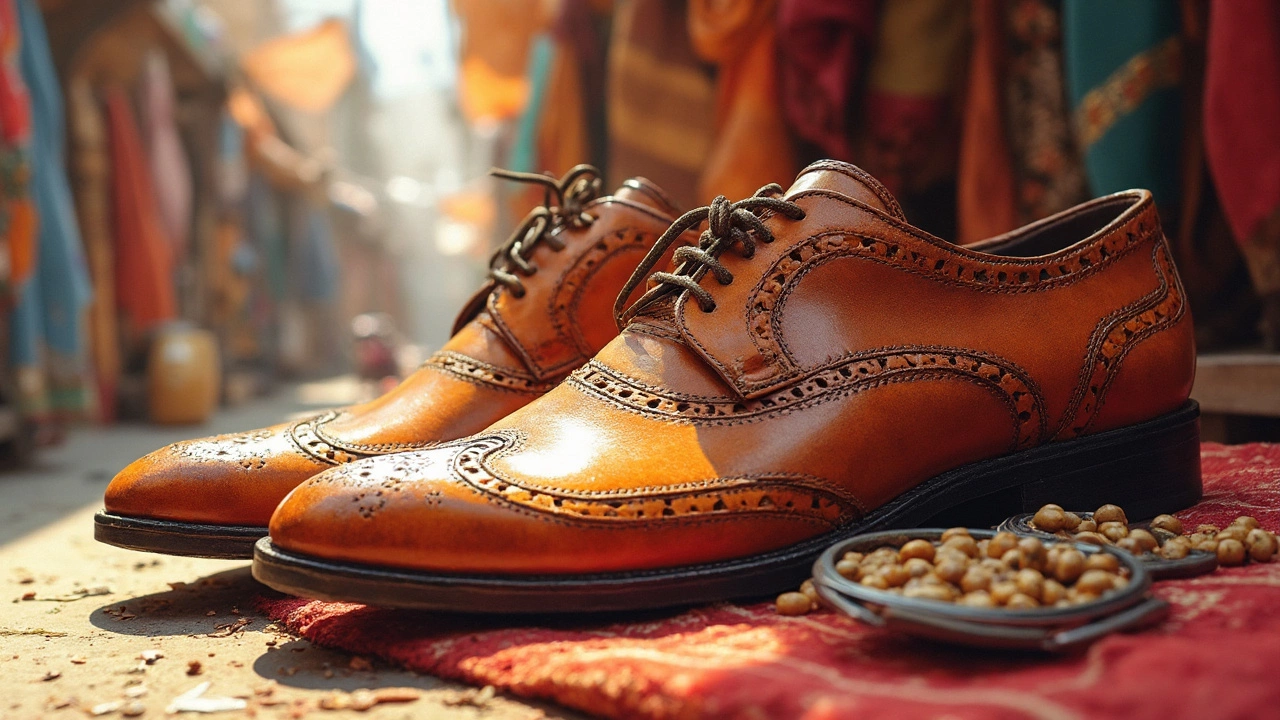
Spotting Genuine Leather Shoes: How to Tell the Real Deal
Genuine leather shoes not only bring style but also durability. Knowing how to spot real leather from fake can save you both money and disappointment. This article explores practical tips and tricks to help you identify genuine leather shoes, including factors like smell, texture, and quality markings. Learn how to examine your next pair of shoes like a pro and make informed decisions.
- posted by Elliot Marwood
- 9 February 2025
- Comments [ 0
]
-
Footwear
more