Manufacturing in Fashion: How Shoes and Clothes Are Made
When you buy a pair of boots or a summer dress, you’re not just buying a product—you’re buying the result of manufacturing, the process of turning raw materials into finished wearable goods. Also known as production, it’s the quiet engine behind every stitch, sole, and seam in your wardrobe. This isn’t just about factories and machines. It’s about how leather is tanned, how fabric is woven, how a shoe last is shaped to match a real foot, and why some brands spend months testing fit before releasing a single pair. textile manufacturing, the creation of fabrics from fibers like cotton, wool, or synthetic blends sets the foundation. Without good fabric, even the best design falls apart after a few wears. And shoe production, the multi-step process of cutting, stitching, lasting, and sole-attaching footwear? It’s more science than art. A boot that fits right doesn’t happen by accident—it’s the outcome of precise measurements, material selection, and quality control at every stage.
Manufacturing decisions shape everything: comfort, durability, price, and even how ethical your clothes are. That $50 hoodie? Its cost reflects whether the cotton was grown sustainably, if the dye was processed safely, and if the factory paid fair wages. Lululemon’s high price isn’t just branding—it’s built on proprietary fabrics developed through years of testing, and stitching done in facilities that prioritize fit consistency. Same goes for brands like Ecco and Clarks, whose shoes for bad feet rely on specialized lasts and cushioning systems designed in labs, not just on trend boards. Even something as simple as a T-shirt has a manufacturing story: the cut, the seam placement, the dye batch—all affect how it drapes, how long it lasts, and how it feels against your skin. And when it comes to slippers or Chelsea boots, the difference between comfortable and painful often comes down to how the upper was stretched over the last, or whether the insole was molded to support the arch.
Manufacturing isn’t just about making things—it’s about making things that work for real people. That’s why so many of the guides here focus on fit, comfort, and longevity. If a shoe hurts, it’s not your foot’s fault—it’s a manufacturing flaw. If a dress wrinkles too easily, it’s the fabric blend, not your style. Understanding manufacturing helps you spot quality, avoid cheap imitations, and choose pieces that actually last. Below, you’ll find real-world insights from people who’ve tried boots that didn’t fit, dresses that didn’t flatter, and shoes that fell apart too soon. These aren’t random reviews—they’re lessons from the factory floor, translated into what you need to know before you buy.
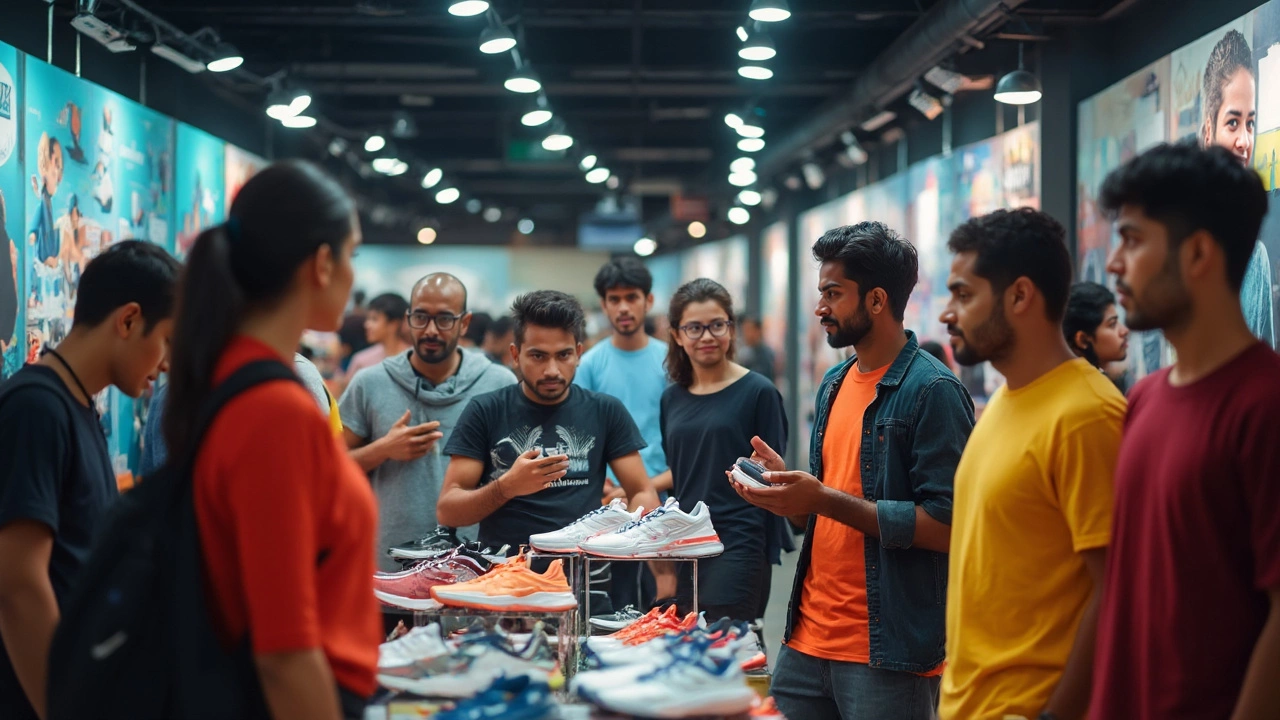
Why Are Sportswear Expensive? The Real Reasons Behind the Price Tags
Ever wondered why a pair of running shoes or a simple workout shirt can cost you so much? This article looks at what really drives sportswear prices up, from high-tech materials to heavy marketing. We'll break down where your money is going and whether you're actually getting what you pay for. Get tips to make smarter choices and avoid spending more than you have to. Learn what makes some brands worth the splurge—and when it's just hype.
- posted by Elliot Marwood
- 20 April 2025
- Comments [ 0
]
-
Sportswear
more