Summer Coolness Calculator
Select your outfit components to see how well they will keep you cool in the heat.
Select your outfit options and click calculate to see your score.
It is mid-August here in Auckland, and while we are technically heading into winter, people around the world are currently sweating through their peak summer months. If you have ever felt like your clothes are trapping a layer of hot air against your skin, you know the struggle. The question isn't just about looking good; it is about survival. What is the coolest clothing to wear when the temperature spikes? It turns out, style and comfort do not have to be enemies. In fact, the most stylish pieces this season are often the ones that keep you the coldest.
We are going to break down exactly what works. We will look at the specific fabrics that act as personal fans, the cuts that let air circulate, and the colors that actually reflect heat rather than absorbing it. You will learn why that heavy cotton shirt might be making you sweat more and how a simple change in material can drop your perceived body temperature by several degrees.
The Fabric Factor: Why Material Matters More Than Style
Before you worry about the cut or the color, you need to get the fabric right. This is the foundation of staying cool. Many people assume all "lightweight" fabrics are created equal, but that is a myth. A thin polyester shirt might weigh less than a thick wool sweater, but it will make you feel like you are wearing a plastic bag.
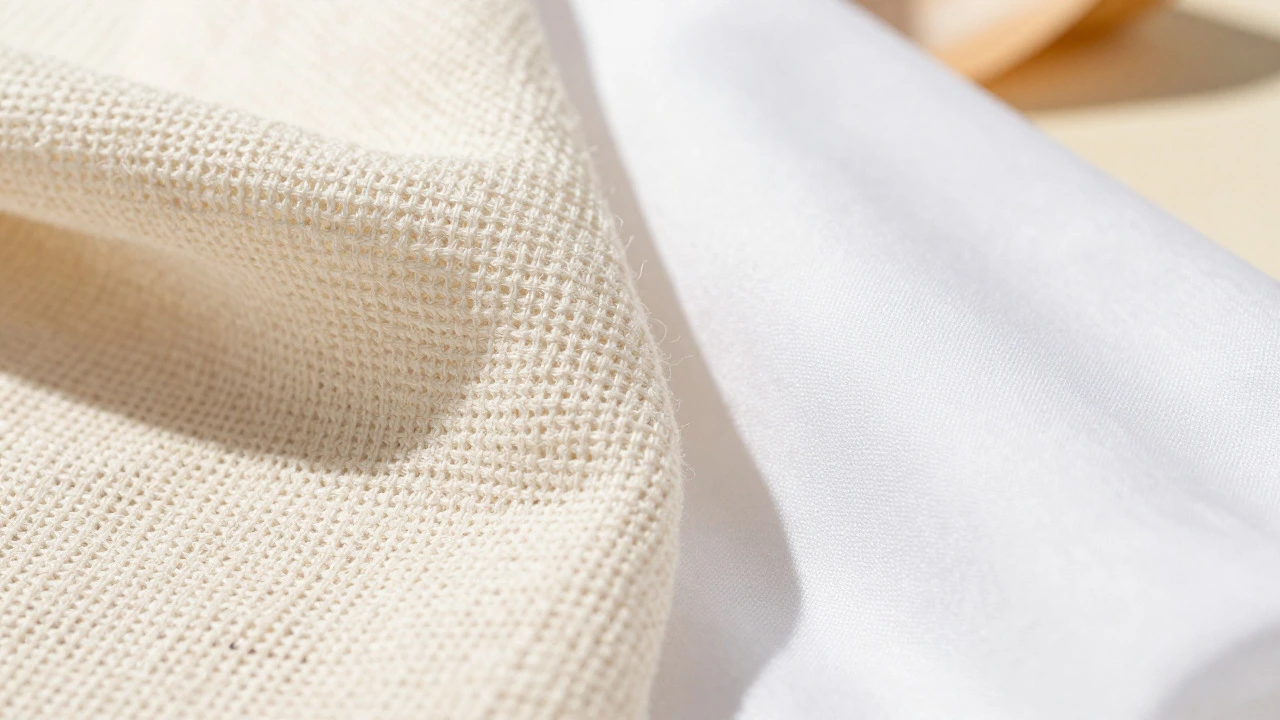
The secret lies in breathability and moisture-wicking properties. Linen is the undisputed king of summer fabrics. Made from the flax plant, linen has a loose weave that allows maximum airflow. Unlike synthetic fibers, linen does not trap sweat against your skin. Instead, it dries incredibly fast. When you sit down in a linen chair, it does not stick to you. It stays crisp and airy. If you can only buy one thing for the summer, make it a linen button-down or a linen skirt.
Cotton, specifically high-quality, lightweight cotton like voile or lawn, is the runner-up. It is soft, absorbent, and breathable. However, avoid heavy denim or thick canvas. Look for terms like "poplin" or "seersucker." Seersucker has a puckered texture that keeps the fabric off your skin, creating tiny pockets of air circulation. It looks retro, but it functions like a built-in ventilation system.
Avoid synthetics at all costs during heatwaves. Polyester, nylon, and acrylic are designed to hold shape and resist wrinkles, which means they also resist air flow. They trap body heat and humidity. If you must wear a synthetic blend (like in activewear), ensure it is marketed as "moisture-wicking" or "performance fabric," but even then, natural fibers usually win for general daily wear.
| Fabric Type | Breathability Rating | Sweat Absorption | Dry Speed |
|---|---|---|---|
| Linen | Excellent | High | Very Fast |
| Cotton (Voile/Lawn) | Good | High | Medium |
| Seersucker | Very Good | Medium | Fast |
| Polyester | Poor | Low | Slow (unless performance treated) |
| Denim | Poor | Medium | Very Slow |
Fit and Silhouette: Creating Your Own Airflow
Even the best linen will fail if it is glued to your body. The second most important factor is fit. You want clothes that create a gap between the fabric and your skin. This gap allows sweat to evaporate, which is the body's natural cooling mechanism. When evaporation is blocked, you stay wet and hot.
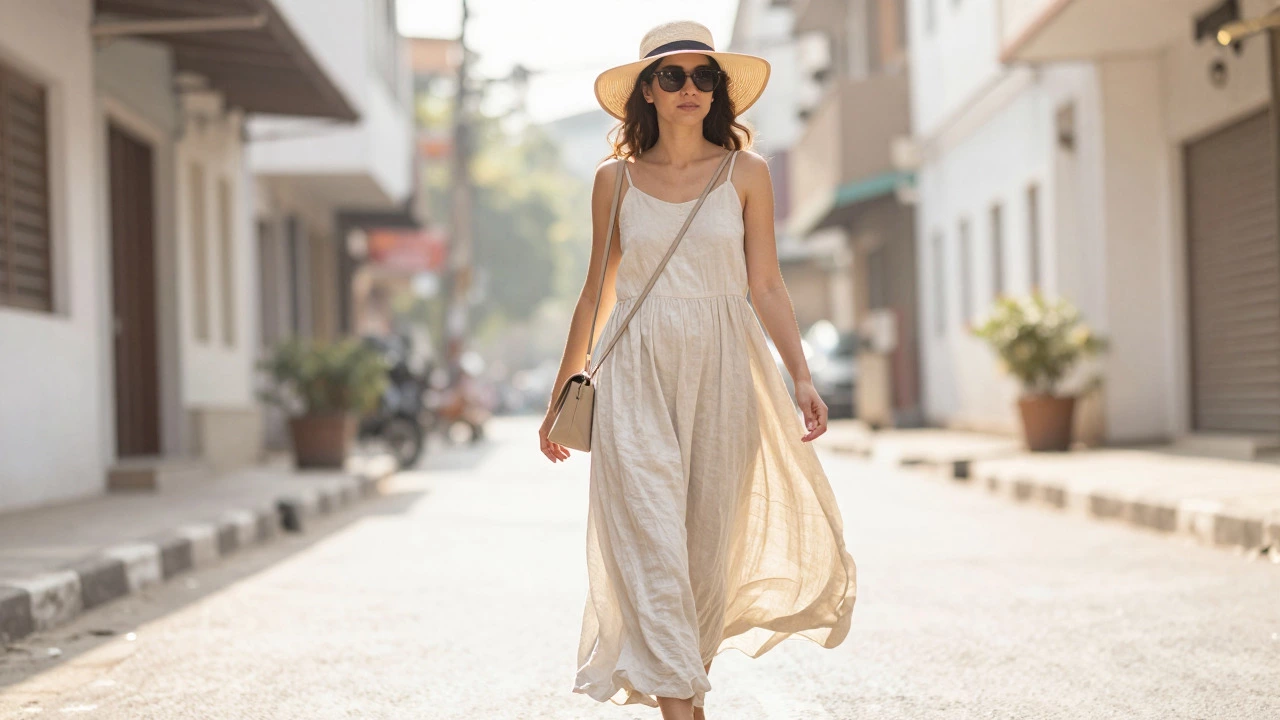
Look for loose silhouettes. For women, Maxi dresses with flowy, A-line cuts are perfect. They allow air to move up and down through the dress, acting like a chimney. Avoid tight bodycon styles or anything with elastic bands that dig into sweaty skin. Wide-leg trousers are another game-changer. They offer the coverage of pants without the restriction, letting breeze pass through the legs.
For men and women alike, unbuttoned collars and open necklines help. A V-neck exposes more skin at the chest and neck, areas where blood vessels are close to the surface, helping dissipate heat. Sleeveless tops or those with wide armholes allow armpit sweat to evaporate quickly. Think of your outfit as a tent rather than a skin-tight suit. The more volume, the better the ventilation.
The Color Code: Reflecting vs. Absorbing Heat
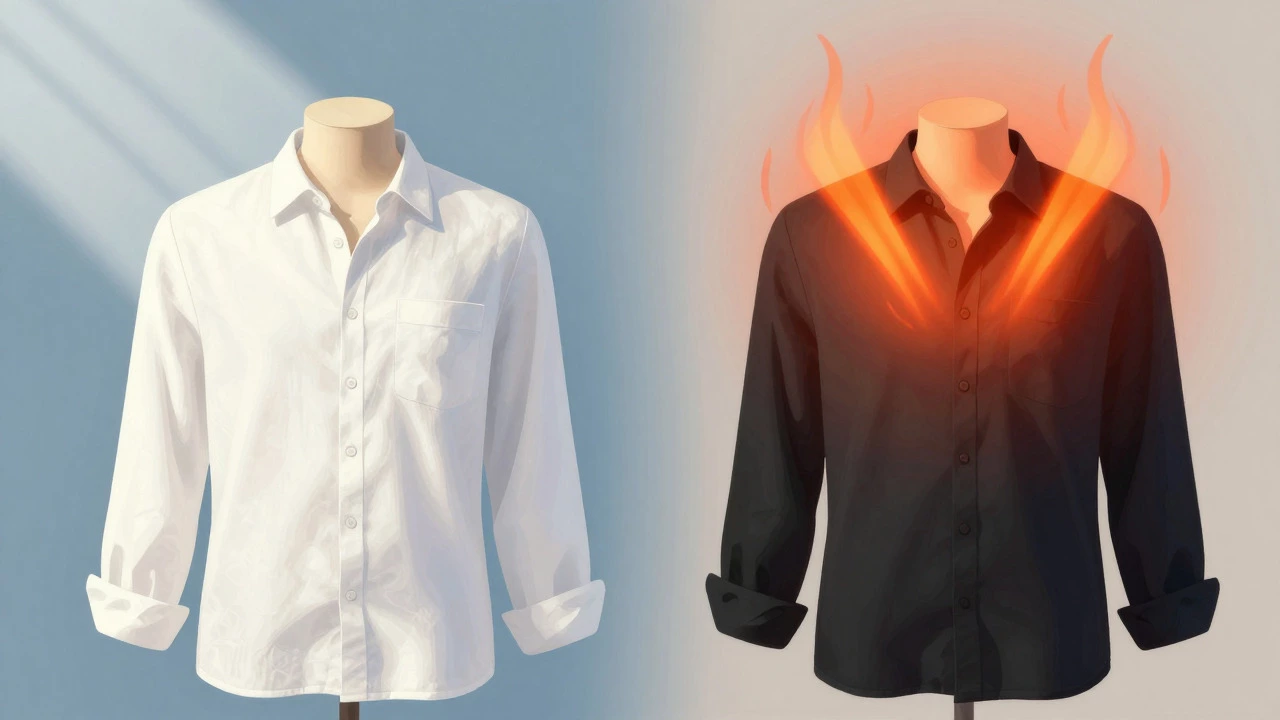
This is basic physics, but it is often ignored for the sake of trends. Dark colors absorb light and convert it into heat. Black t-shirts in direct sunlight can become significantly hotter than white ones. If you are spending time outdoors, stick to light colors. White, beige, pastels, and light grays reflect sunlight away from your body.
However, if you are mostly indoors with air conditioning, dark colors are fine. In fact, some cultures traditionally wear black robes in desert climates because the outer layer heats up, creating a convection current that draws cooler air from the bottom up. But for the average person walking to the bus stop or sitting at an outdoor cafe, light is best.
Pattern density also matters. Large, bold patterns can sometimes look heavier visually, but it is the base color that counts. A white dress with a small floral print is still primarily reflective. A navy blue dress with white stripes is still absorbing heat. Choose wisely based on your environment.
Accessories That Actually Help
Your accessories can either save you or sink you. A wide-brimmed hat is essential. It shades your face, neck, and ears, preventing sunburn and reducing the amount of radiant heat hitting your head. Look for hats made of straw or lightweight cotton, not stiff felt or leather.
Sunglasses protect your eyes, but the frames matter. Plastic or metal frames are lighter and cooler than thick acetate. For bags, avoid heavy backpacks that press warm packs against your back. Crossbody bags or shoulder bags that hang loosely allow air to circulate behind you.
Footwear is critical. Closed-toe shoes in summer are a recipe for blisters and overheating. Opt for sandals, loafers without socks, or breathable mesh sneakers. If you must wear socks, choose thin, moisture-wicking materials like bamboo or merino wool blends, not thick cotton which gets soggy and cold.
Layering for Variable Temperatures
Summer weather can be unpredictable. One minute it is blazing, the next there is a sudden shower or a strong wind. Layering allows you to adapt without overheating. The key is to use layers that are easy to remove and store.
A lightweight scarf or a sheer kimono can provide shade when the sun is harsh and be tied around your bag when it cools down. A thin linen shirt worn over a tank top can be unbuttoned or rolled up. Avoid heavy jackets. If you need warmth for evening air conditioning, a light cardigan or a denim jacket (if it is thin) is sufficient. The goal is versatility.
Maintenance Tips for Summer Wardrobes
Keeping your summer clothes cool involves maintenance. Sweat contains salts and oils that can degrade fabrics and cause odors. Wash your linen and cotton frequently. Use a mild detergent and avoid fabric softeners, which can coat fibers and reduce breathability. Line drying whenever possible helps maintain the integrity of natural fibers and avoids the heat of the dryer.
If a garment starts to smell despite washing, it may be time to retire it. Synthetic fibers tend to hold onto bacteria more than natural ones. This is another reason to prioritize linen and cotton-they are easier to keep fresh and hygienic.
Is linen really better than cotton for hot weather?
Yes, linen is generally superior for extreme heat. While cotton is breathable, linen has a looser weave and dries much faster. If you sweat heavily, linen will not stay damp against your skin as long as cotton does, keeping you feeling fresher longer.
Can I wear black in the summer if it is loose-fitting?
You can, but it will still absorb more heat than lighter colors. If you love black, choose lightweight, loose-fitting linen or cotton blends. The airflow will help mitigate the heat absorption, but you will still feel warmer than someone in white under the same conditions.
What should I avoid wearing in high humidity?
Avoid synthetic fabrics like polyester and nylon. In high humidity, sweat does not evaporate easily. Synthetics trap this moisture, creating a sticky, uncomfortable layer against your skin. Natural fibers like linen and cotton allow the moisture to pass through and evaporate.
Are maxi dresses too hot for very high temperatures?
Not if they are made of the right fabric and have the right cut. A flowy, lightweight linen or cotton maxi dress creates a chimney effect, allowing air to circulate around your entire body. Tight or heavy fabric maxi dresses, however, can be stifling.
How do I keep my summer clothes smelling fresh?
Wash them regularly after wearing, especially if you have sweated. Use mild detergents and avoid fabric softeners which clog fibers. Line dry in the sun when possible, as UV rays naturally sanitize fabrics. Rotate your outfits to give fabrics time to air out between wears.