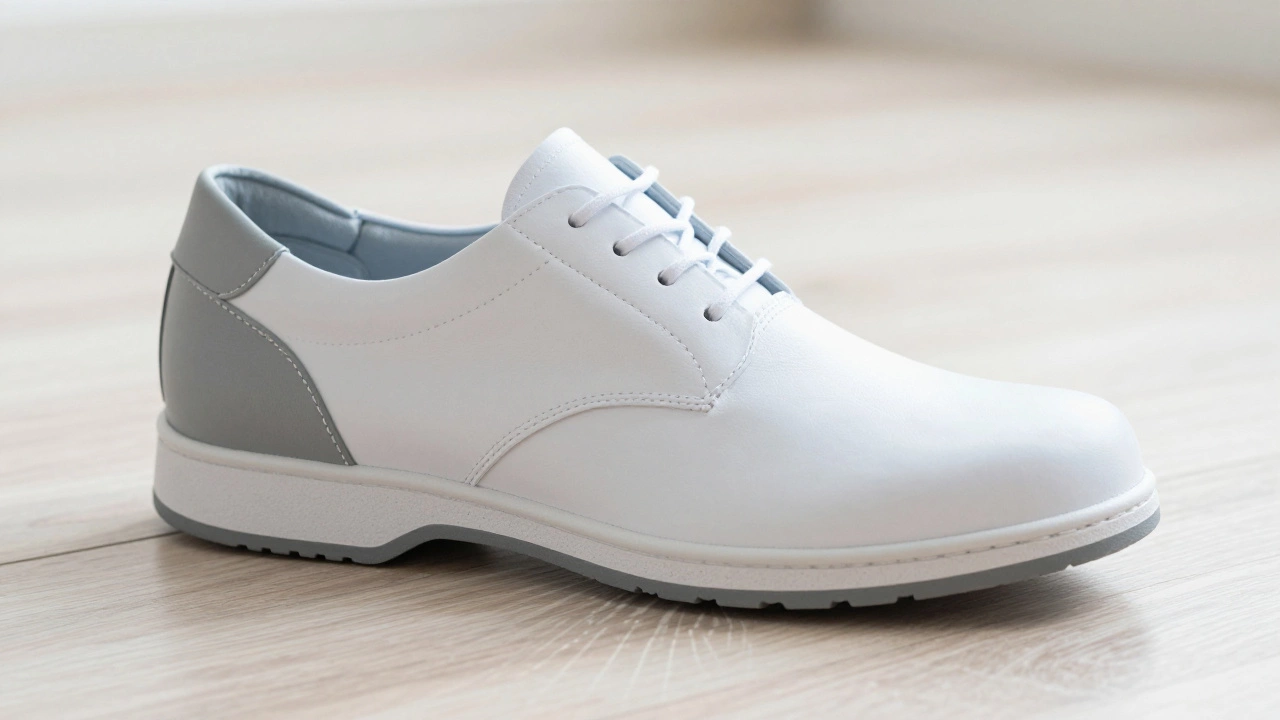
Work Shoe Selector Tool
Tell Us About Your Needs
Ready to Find Comfort?
Select your options on the left to get a personalized recommendation based on biomechanics and job demands.
Ever finished a long shift feeling like your feet are on fire? You aren't alone. Most of us spend eight to ten hours a day on our feet, yet we often treat the foundation of that endurance-our shoes-as an afterthought. The wrong pair doesn't just cause blisters; it can lead to chronic back pain, knee issues, and plantar fasciitis. Finding the healthiest work shoes isn't about chasing the latest fashion trend or spending a fortune on a luxury brand. It is about understanding biomechanics and choosing footwear that supports your body's natural structure.
In Auckland, where I walk everything from cobblestone laneways in the CBD to uneven terrain in the hills, I've learned that comfort is king. But what does "comfort" actually mean in medical terms? It means stability, proper alignment, and shock absorption. This guide breaks down exactly what makes a shoe healthy for your feet, specifically tailored for those who stand or walk all day for work.
The Anatomy of a Healthy Shoe
To pick the right shoe, you first need to know what to look for. A healthy shoe acts as a bridge between your foot and the ground, distributing weight evenly and reducing strain on joints. Here are the non-negotiable features:
- Rigid Heel Counter: Squeeze the back of the shoe (the heel cup). If it bends easily, it offers no stability. Your ankle needs this rigid support to prevent rolling and sprains.
- Adequate Toe Box: Your toes should be able to wiggle freely. Narrow, pointed toes force your feet into unnatural positions, leading to bunions and hammertoes over time. Look for a wide or extra-wide fit if you have broader feet.
- Cushioned Midsole: This is the shock absorber. Materials like EVA foam or proprietary blends (like Brooks' DNA LOFT or Hoka's CMEVA) compress under impact and bounce back, protecting your knees and hips.
- Arch Support: Whether you have flat feet or high arches, your arch needs support to maintain posture. Flat shoes with zero support collapse your arch, causing your lower back to compensate.
- Flexibility at the Ball: Bend the shoe. It should flex only at the ball of the foot, not in the middle of the arch. If it bends in the middle, it lacks structural integrity.
Ignoring these basics is like building a house on sand. No matter how soft the upper material feels, if the structure is weak, your feet will pay the price by the end of the week.
Top Picks for Different Work Environments
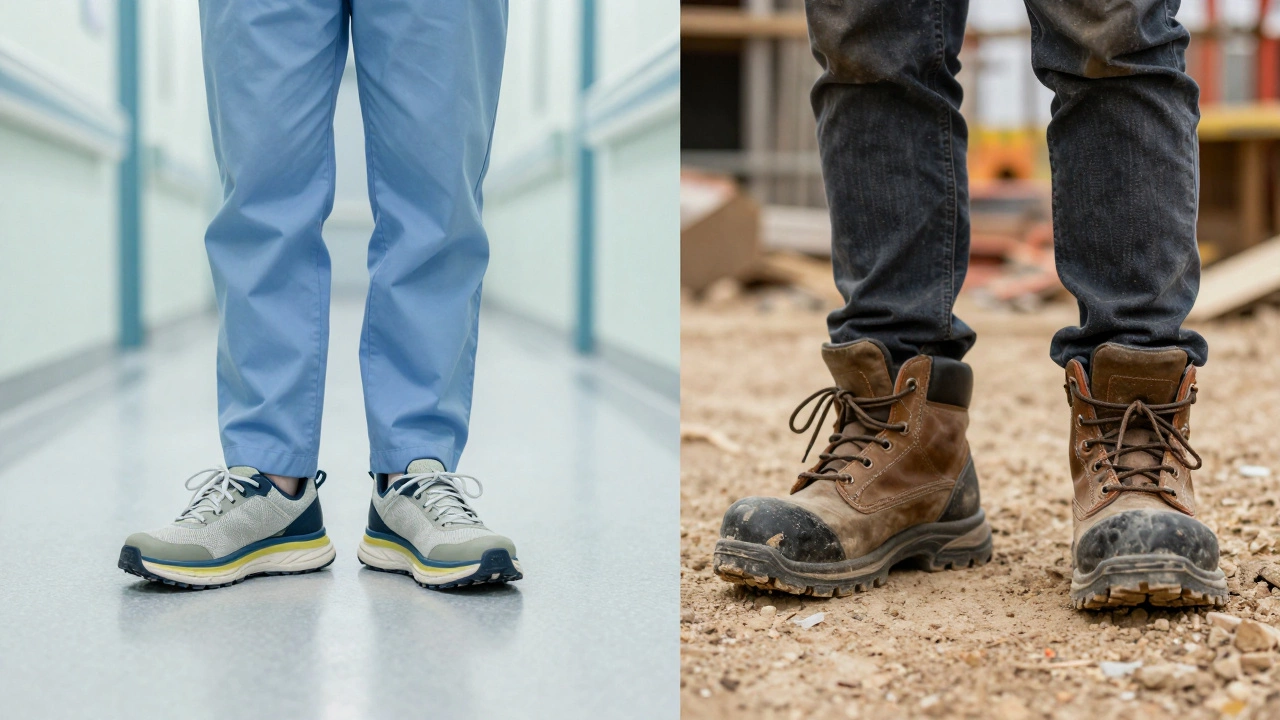
Not all jobs demand the same type of shoe. A nurse walking hospital corridors has different needs than a construction worker navigating a job site. Let’s break down the best options based on common work scenarios.
| Category | Top Recommendation | Key Benefit | Best For |
|---|---|---|---|
| Maximum Cushioning | Hoka Bondi 8 | Plush, maximalist foam reduces joint impact | Nurses, Retail Staff, Teachers |
| Stability & Support | Brooks Adrenaline GTS 23 | GlideRoll technology guides foot motion | Overpronators, Warehouse Workers |
| Safety & Durability | Keen Utility Pittsburgh | Steel toe, waterproof, excellent traction | Construction, Tradespeople |
| Lightweight & Breathable | New Balance Fresh Foam X 1080v13 | Soft ride, breathable mesh upper | Office workers, Delivery drivers |
Hoka Bondi 8 has become a cult favorite among healthcare workers. Its thick midsole looks bulky but feels incredibly light. The meta-rocker geometry helps propel you forward, reducing the effort needed to take each step. If you are on your feet for 12-hour shifts, this shoe takes the pressure off your heels and balls of your feet.
For those who need safety compliance, Keen Utility models offer robust protection without sacrificing too much comfort. The steel toe cap is reinforced, and the outsoles provide grip on slippery surfaces. However, they are heavier, so ensure you get the right size to avoid toe jamming during long walks.
Common Mistakes That Ruin Your Feet
Even with great shoes, bad habits can undermine their benefits. Here are three pitfalls to avoid:
- Wearing Them Too Long: Even the best cushioning degrades. Replace work shoes every 6-12 months, depending on usage. If the midsole looks compressed or cracked, it’s time to retire them.
- Ignoring Sock Quality: Cotton socks absorb sweat and stay wet, leading to friction and blisters. Switch to moisture-wicking materials like merino wool or synthetic blends. They keep feet dry and reduce odor.
- One Size Fits All: Feet swell throughout the day. Always try on shoes in the afternoon or evening when your feet are at their largest. Ensure there’s a thumb’s width of space between your longest toe and the end of the shoe.
Another subtle mistake is ignoring your gait. Do you pronate (roll inward) or supinate (roll outward)? A podiatrist can analyze your walk and recommend stability vs. neutral shoes. Buying a neutral shoe when you need stability support can exacerbate knee pain.
Custom Orthotics: Are They Worth It?
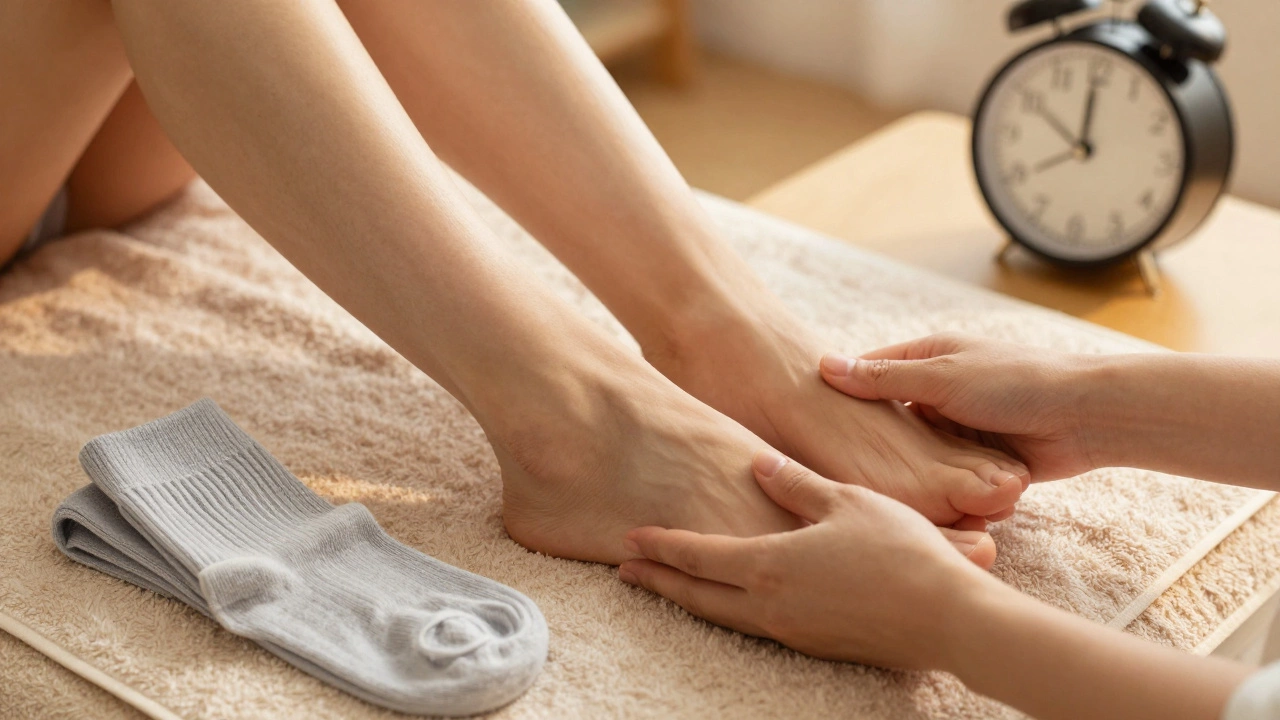
If store-bought insoles don’t cut it, custom orthotics might be the solution. These are molded to your specific foot shape and address unique biomechanical issues. While expensive, they can be a game-changer for people with severe plantar fasciitis or diabetic neuropathy.
However, before investing hundreds of dollars, try over-the-counter inserts like Superfeet or Powerstep. Many people find relief with these affordable alternatives. Only seek custom orthotics if OTC options fail after a few weeks of consistent use.
Maintaining Foot Health Beyond Shoes
Shoes are only part of the equation. Daily foot care routines complement good footwear:
- Stretching: Spend five minutes stretching your calves and Achilles tendons daily. Tight calves pull on the heel, contributing to plantar fasciitis.
- Strengthening: Exercises like toe curls and marble pickups strengthen intrinsic foot muscles, improving balance and reducing fatigue.
- Rest: Elevate your feet when possible. Compression socks can also help reduce swelling during long shifts.
Your feet carry your entire body weight. Treat them with respect, and they’ll carry you through any workday without complaint.
How often should I replace my work shoes?
You should replace work shoes every 6 to 12 months, depending on intensity of use. Check for worn-out tread, compressed midsoles, or visible cracks. If you feel new aches in your feet or knees, it might be time for a new pair even if they look fine.
Are running shoes good for working all day?
Some running shoes are excellent for standing, especially those with maximum cushioning like Hoka or New Balance. However, avoid highly flexible trail runners if you need lateral stability. Look for models designed for walking or stability rather than speed.
What is the best type of sock for work?
Avoid cotton. Choose moisture-wicking socks made from merino wool or synthetic blends like polyester or nylon. They keep feet dry, reduce blister risk, and control odor better than natural fibers that trap sweat.
Do I need steel-toe boots for office work?
No, unless your workplace has specific safety requirements. Steel-toe boots are heavy and less breathable. For office environments, opt for lightweight leather sneakers or loafers with good arch support instead.
Can flat feet wear regular shoes?
People with flat feet generally need shoes with strong arch support and motion control. Avoid barefoot-style shoes or minimalists unless you have conditioned your feet extensively. Stability shoes like Brooks Adrenaline or ASICS Gel-Kayano are safer choices.