
The Ultimate Versatile Coat Selector
Find the perfect coat based on your climate, lifestyle, and style preferences.
Styling Tip:
You know that feeling when you open your closet in the morning and stare at a rack of clothes, yet feel like you have absolutely nothing to wear? It usually happens because we lack one anchor piece. A versatile coat is that anchor. It’s not just about warmth; it’s about having a reliable layer that makes even your most mismatched outfits look intentional.
After years of testing layers against everything from casual jeans to sharp office suits, I’ve found that true versatility comes down to three non-negotiable factors: color, cut, and fabric weight. If you get these right, you won’t need five different jackets for different occasions. You’ll need one that does it all.
The Color Rule: Why Neutrals Win Every Time
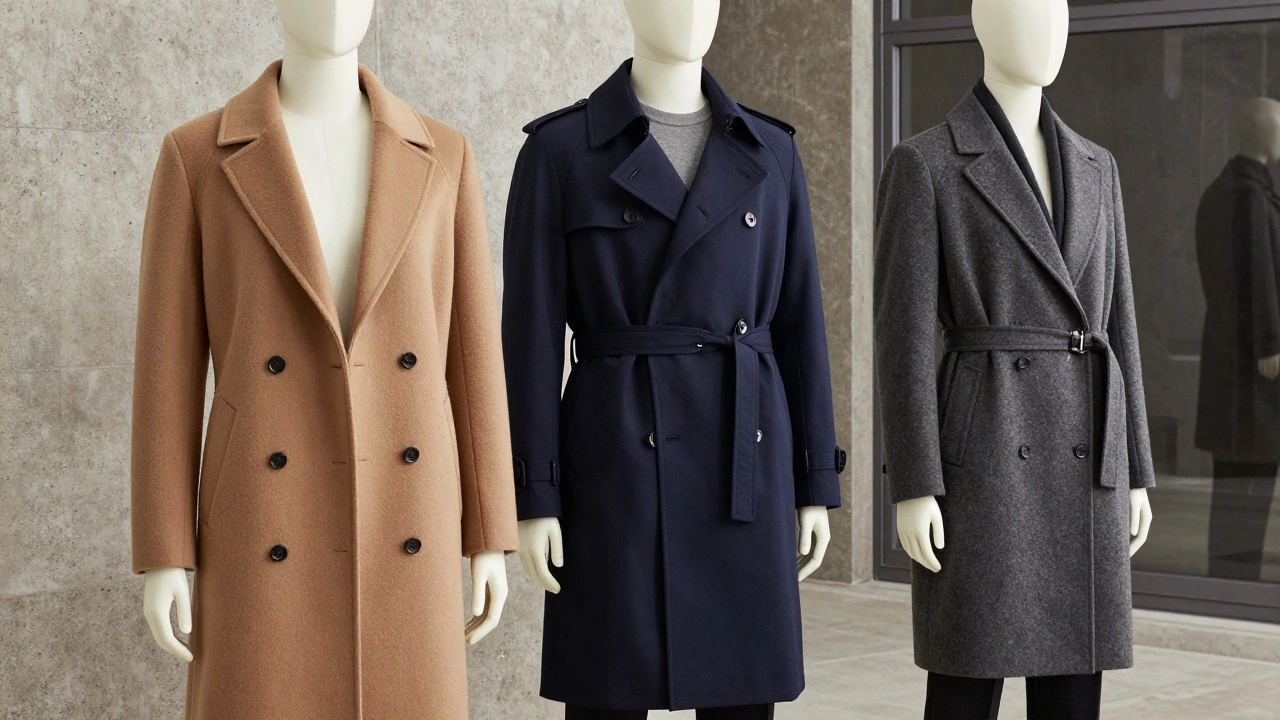
If there is one secret to finding a coat that goes with everything, it is choosing the right shade. Bright reds, electric blues, or busy patterns might make a statement, but they also limit what you can wear underneath. A beige camel coat is a warm-toned neutral outerwear piece that complements almost every other color in your wardrobe. This specific hue works because it sits comfortably between white and brown, allowing it to bridge gaps between cool tones (like navy and grey) and warm tones (like rust and olive).
Black is another strong contender, especially if you live in a city with a lot of concrete and steel. A black wool coat provides high contrast, making pastel sweaters pop and dark denim look sleek. However, beige or taupe tends to be more forgiving. It hides dust better than black and looks less severe than charcoal. When shopping, hold the coat up next to your favorite jeans. If the jeans don't clash, you’re on the right track.
- Camel/Beige: Best for softening looks and adding warmth to cool palettes.
- Navy Blue: The best alternative to black; pairs perfectly with khaki and grey.
- Charcoal Grey: Ideal for professional settings and urban environments.
- Olive Green: Great for casual, outdoor-inspired styles.
The Silhouette: Fit Over Fashion
A coat that goes with everything must fit well over bulkier layers without looking like a tent. The magic length is mid-thigh to knee-length. Anything shorter exposes too much leg when you walk, breaking the line of your outfit. Anything longer, like a maxi coat, can overwhelm petite frames and often feels too formal for running errands.
The cut should be structured but not rigid. Look for shoulders that sit naturally on your shoulder bone, not drooping down. A defined waist-whether through belting or tailoring-helps maintain your shape regardless of how thick your sweater is underneath. Avoid oversized hoodies-style coats unless you are specifically aiming for streetwear vibes, as they rarely transition well into business-casual environments.
| Length | Best For | Versatility Score |
|---|---|---|
| Crop (Hip) | High-waisted pants, summer layers | Low |
| Mid-Thigh | Dresses, skirts, casual jeans | High |
| Knee-Length | Office wear, travel, formal events | Highest |
| Ankle-Length | Formal occasions, extreme cold | Medium |
Fabric Matters: Wool vs. Trench vs. Denim
The material dictates where you can wear the coat. A heavy winter parka is useless in April drizzle, while a thin raincoat offers zero protection in July snow. To find the ultimate "goes with everything" coat, you need a fabric that handles mild-to-moderate weather and transitions across seasons.
Wool blends are durable, breathable fabrics that provide insulation without excessive weight. Pure wool is luxurious but expensive and requires dry cleaning. A wool-polyester blend gives you the look and warmth of wool with easier care and better durability. This fabric holds its shape well, meaning your coat looks crisp whether you're sitting in a café or walking to work.
Another top contender is the classic trench coat, which is a water-resistant cotton or gabardine jacket originally designed for military use. Trench coats are incredibly versatile because they handle rain better than wool and pack down smaller than puffer jackets. They work equally well over a t-shirt and jeans or a silk dress. If you live in a place with unpredictable weather, like Auckland, a trench coat is often the smarter investment than a heavy wooler.
Styling the Universal Coat
Once you have the right coat, styling it becomes effortless. The key is balance. If your coat is loose, wear fitted bottoms. If your coat is tailored, you can afford baggier trousers.
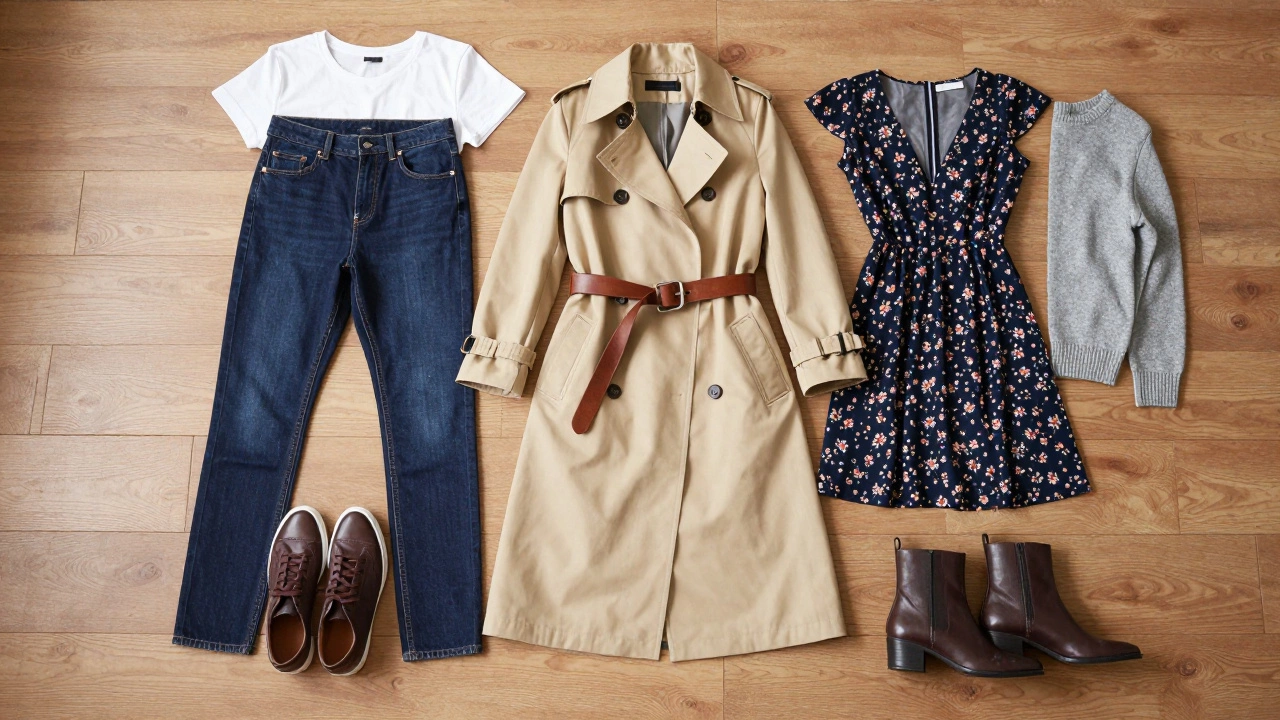
- The Casual Commute: Pair a beige wool coat with dark indigo jeans, a white t-shirt, and leather sneakers. Add a scarf for texture. This look says "I tried" without saying "I dressed up."
- The Office Ready: Throw a navy trench coat over a monochrome outfit (e.g., grey trousers and a light blue shirt). The coat adds authority and polish.
- The Weekend Errand: Wear an olive green utility jacket over a floral dress and ankle boots. The ruggedness of the jacket grounds the femininity of the dress.
Accessories play a huge role here. A simple leather belt worn over the coat can cinch the waist, creating an hourglass silhouette that flatters most body types. Scarves in contrasting colors can break up large blocks of neutral tone, adding visual interest without changing your core outfit.
Common Mistakes to Avoid
Many people buy coats based on trends rather than functionality. Avoid buying a coat that is trendy in cut but poor in quality. Fast fashion coats often have thin linings that rip easily and buttons that fall off after two washes. Invest in a mid-range brand that uses real wool or high-quality technical fabrics.
Also, ignore the size tag if necessary. Coats are meant to be layered. If you usually wear a Medium in shirts, you might need a Large in a coat to accommodate a thick sweater underneath. Try it on with your bulkiest winter layer before buying. If you can’t button it comfortably, it’s too small.
What color coat is the most versatile?
Camel, beige, and navy are widely considered the most versatile colors. Camel adds warmth and pairs well with both cool and warm tones. Navy offers a sophisticated alternative to black that doesn't absorb as much heat. These neutrals allow you to mix and match with any bottom or top in your wardrobe.
Is a trench coat or wool coat more versatile?
It depends on your climate. A trench coat is more versatile for spring, autumn, and rainy days due to its water resistance and lighter weight. A wool coat is better for colder winters and formal occasions. For maximum year-round use, many people own both, but if you must choose one, pick the one that matches your most common weather conditions.
How long should a versatile coat be?
A knee-length or mid-thigh coat is generally the most versatile. It covers enough of the body to provide warmth and structure without overwhelming your frame. This length works with both pants and skirts, making it suitable for casual and semi-formal settings.
Can I wear a coat with a suit?
Yes, absolutely. A tailored wool coat or a sleek trench coat pairs perfectly with a suit. Ensure the coat is slightly longer than your suit jacket to create a clean line. Stick to neutral colors like charcoal, navy, or camel to maintain a professional appearance.
What shoes go with a versatile coat?
Almost any shoe works, but leather boots, loafers, and clean white sneakers are the safest bets. Leather boots add sophistication, loafers offer a smart-casual vibe, and sneakers keep the look relaxed. Match the formality of your shoes to the occasion, letting the coat serve as the constant element.