Summer Dress Identifier
Stop guessing what your clothes are called. Select the features below to find the precise fashion term.
You likely have a...
Dress Name
Description will appear here.
You are standing in front of your closet, staring at a pile of fabric that screams "hot weather," but you cannot name what you are looking at. You know you need something breathable for the upcoming season, yet the terminology feels like a secret code. Is it a sundress? A shift? A kaftan? The confusion is real, and it usually stems from the fact that "summer dress" is a category, not a specific style. To actually shop smartly or describe what you want to a tailor, you need to break down the jargon.
The Most Common Name: The Sundress
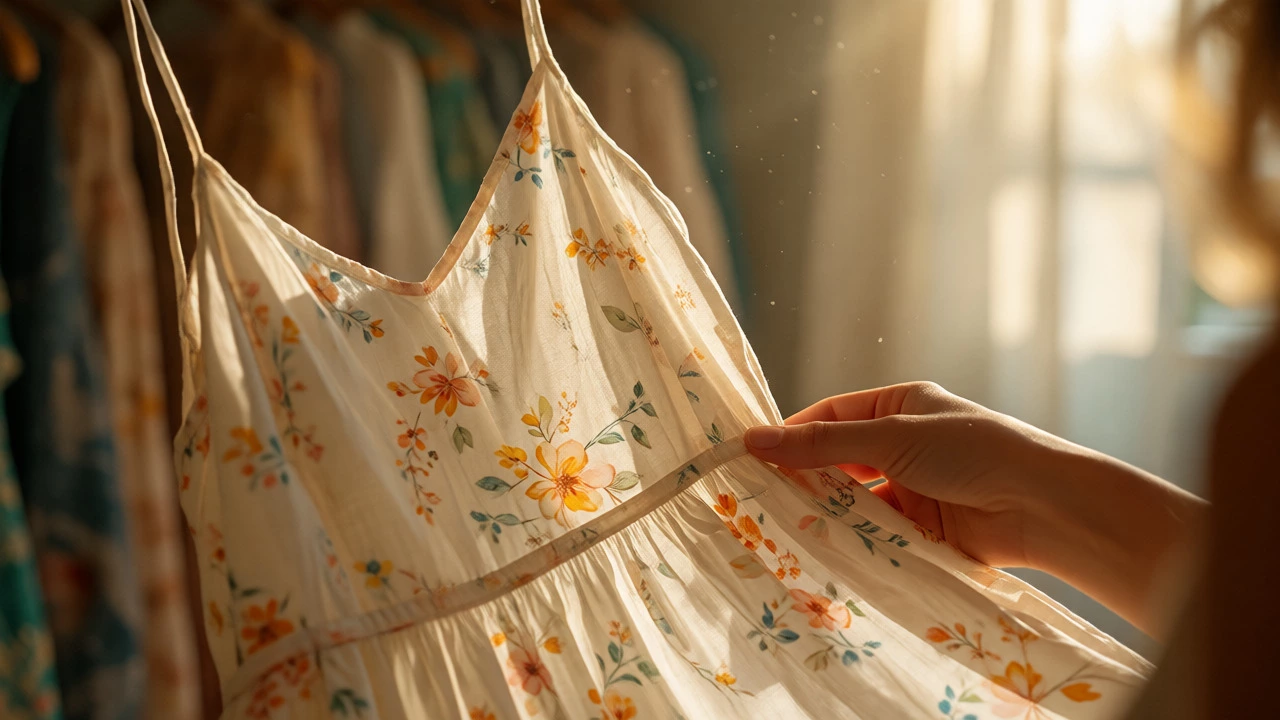
If you had to pick one word that represents the quintessential warm-weather outfit, it would be the sundress. This term refers specifically to a light, informal dress worn in warm weather, often featuring thin straps, a loose fit, and bright patterns or pastels. The name itself gives away its purpose: it is designed to be worn outdoors, under the sun, without overheating.
Sundresses are defined by their construction. They rarely have heavy linings or structured boning. Instead, they rely on elastic waists, smocking, or simple ties. If you see a floral print with spaghetti straps and a knee-length hem, you are almost certainly looking at a sundress. It is the default answer when someone asks, "What are those summer clothes called?" because it covers about 40% of the casual warm-weather market.
Length Matters: Maxi, Midi, and Mini
Once you accept that "sundress" describes the vibe, you realize length dictates the name just as much as the fabric does. Fashion retailers categorize these dresses by where the hemline falls relative to your body.
- Maxi Dress: This is a floor-length or ankle-length garment. Despite being long, maxis are considered summer staples because they are often made from chiffon or jersey. They offer full coverage from the sun while allowing air to circulate around the legs. Perfect for beach cover-ups or evening dinners where shorts feel too casual.
- Midi Dress: Falling below the knee but above the ankle, the midi is the versatile middle child. It is appropriate for office settings if paired with a blazer, yet relaxed enough for brunch. The name comes from "mid-calf," distinguishing it from the shorter mini and longer maxi.
- Mini Dress: Hemmed above the knee, this style maximizes airflow. While technically a summer staple, minis require more attention to fabric weight since less material means less protection from wind or sudden chill.
Fabric-Specific Names You Should Know
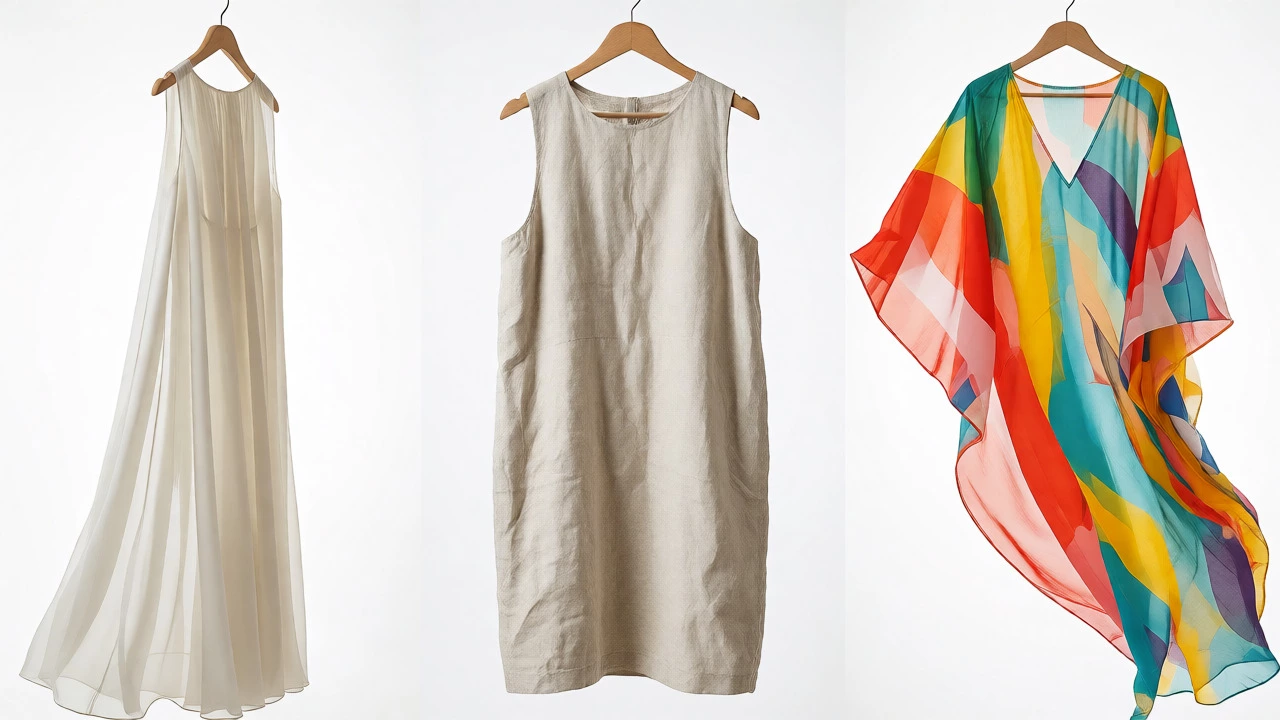
Sometimes, the material defines the name. If you walk into a boutique and ask for a "linen dress," you will get a specific cut tailored to that fabric's behavior. Linen wrinkles easily and breathes exceptionally well, so designers create cuts that accommodate the creases rather than fighting them.
Here are three common names based on fabric or origin:
| Dress Name | Primary Material | Best For | Key Feature |
|---|---|---|---|
| Kaftan | Silk, Cotton, Rayon | Beach cover-ups, lounging | Wide sleeves, no waist definition |
| Smock Dress | Cotton Voile | Active days, gardening | Elasticized bodice, forgiving fit |
| Shift Dress | Jersey, Cotton Blend | Office, city walks | Straight cut, hangs loosely |
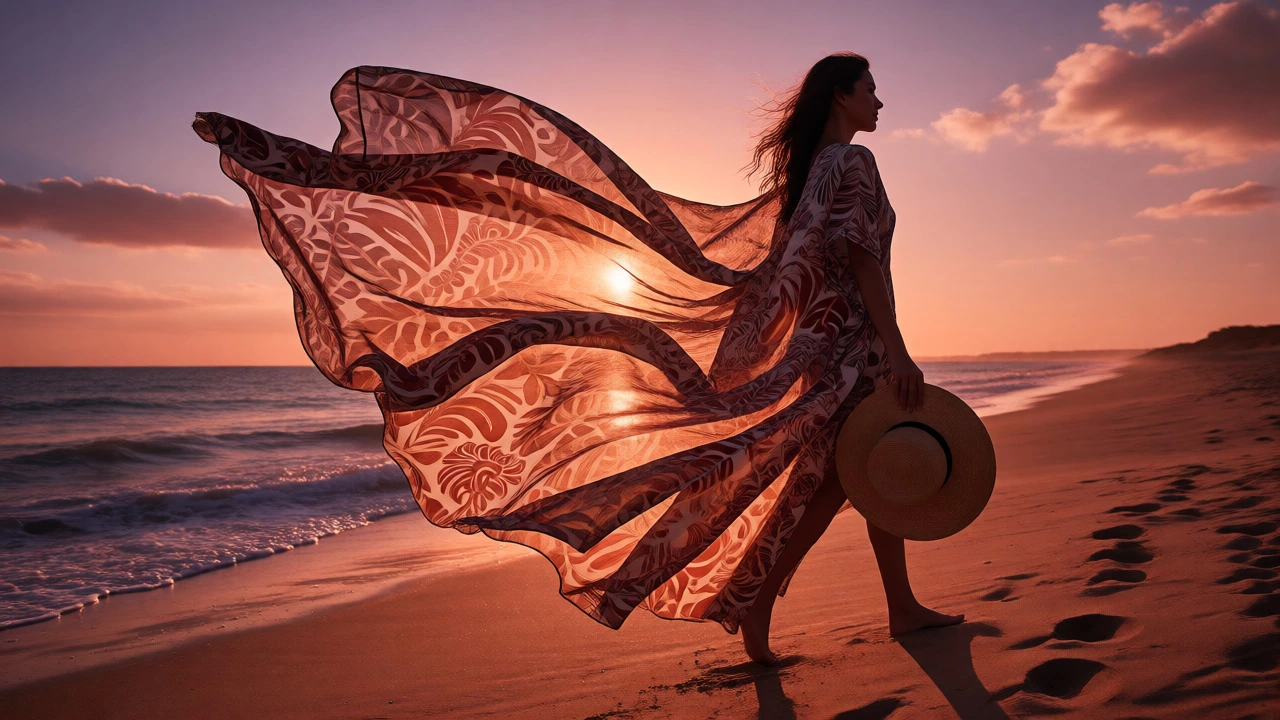
The kaftan is particularly interesting because it crosses cultural lines. Originally from the Middle East and North Africa, it has been adopted globally as a luxury beachwear item. It consists of a single piece of fabric draped over the body, secured at the shoulders. Because there is no tight waistband, it prevents heat trapping in the midsection, making it ideal for humid climates like Auckland’s summer.
Cut and Silhouette: Why Shape Changes the Name
Beyond length and fabric, the silhouette-the outline of the dress-gives it its technical name. Understanding these terms helps you communicate exactly what fits your body type.
A wrap dress is named for how it closes: one side wraps across the front and ties at the waist. Popularized by Diane von Furstenberg in the 1970s, this style is flattering on many body types because the V-neck elongates the torso and the tie allows for adjustable sizing. It is a go-to for summer weddings or garden parties.
Conversely, an A-line dress fits closely at the hips and flares out toward the hem, resembling the letter 'A'. It does not cling to the stomach or thighs, making it cooler to wear than bodycon styles. If you hear someone refer to a "tent dress," they are describing an extreme version of this shape, where the fabric hangs straight from the shoulders, creating maximum ventilation.
Then there is the shirt dress. This looks like a button-down shirt but is cut as a single garment. Usually made from crisp cotton or chambray, it offers structure without stiffness. You can belt it for definition or leave it open over jeans. It bridges the gap between pajama comfort and professional polish.
Regional Slang and Niche Terms
Depending on where you live, the same dress might have a different nickname. In Australia and New Zealand, you might hear the term "tearaway" used ironically for very short, flimsy dresses, though this is dated slang. More commonly, locals might simply call a light, sleeveless number a "slip dress." Slip dresses were originally underwear but became outerwear in the 1990s. Made from satin or silk, they are slippery and cool against the skin, perfect for layering under cardigans during breezy evenings.
In the UK, you might encounter the term "day dress," which implies modesty and practicality, often featuring pockets and higher necklines. In the US, "resort wear" is a broader category that includes all the above but emphasizes vacation-ready aesthetics-think bold prints, wide-brim hat compatibility, and stain-resistant fabrics.
How to Choose the Right Name for Your Needs
Stop guessing. Use this quick decision tree to identify what you actually own or need:
- Is it strapless or has thin straps? Call it a sundress or slip dress.
- Does it go to the floor? It is a maxi dress.
- Does it wrap around and tie? It is a wrap dress.
- Is it loose and wide-sleeved? It is a kaftan or muumuu.
- Does it look like a shirt? It is a shirtdress.
Knowing these names saves you hours of scrolling. When you search for "breathable summer dresses," you get millions of results. When you search for "linen A-line midi dress," you get ten relevant options. Precision beats volume every time.
What is the difference between a sundress and a summer dress?
All sundresses are summer dresses, but not all summer dresses are sundresses. A sundress is a specific subtype characterized by thin straps, a casual vibe, and often floral patterns. A summer dress is a broad category that includes heavier fabrics like denim, long sleeves for UV protection, or structured cuts like shirt dresses that might not fit the "sunny day" stereotype.
Why do people call long summer dresses "maxis"?
The term "maxi" is derived from "maximum," referring to the maximum length of the hemline, which reaches the ankles or floor. It distinguishes these garments from "minis" (short) and "midis" (medium). Despite their length, maxis are popular in summer because they provide sun protection while remaining airy if made from lightweight materials like chiffon or viscose.
What fabric is best for hot and humid summers?
Linen and cotton voile are top choices for humidity because they allow sweat to evaporate quickly. Rayon and viscose are also good due to their drape and softness, though they may stick to the skin if wet. Avoid polyester unless it is specifically engineered for moisture-wicking, as standard synthetics trap heat and odor.
Is a kaftan considered a formal dress?
Generally, no. Kaftans are viewed as resort wear or beach cover-ups. However, high-end versions made from silk, embroidered with gold thread, or featuring intricate beadwork can be elevated to cocktail attire. For most social situations, a kaftan signals relaxation rather than formality.
What is a smock dress?
A smock dress features elastic gathering (smocking) at the bodice or waist. This design allows the fabric to stretch and move with the body, providing comfort and ease of movement. Historically worn by artists and children, modern smock dresses are stylish, breathable, and ideal for active summer days where restrictive clothing would be uncomfortable.