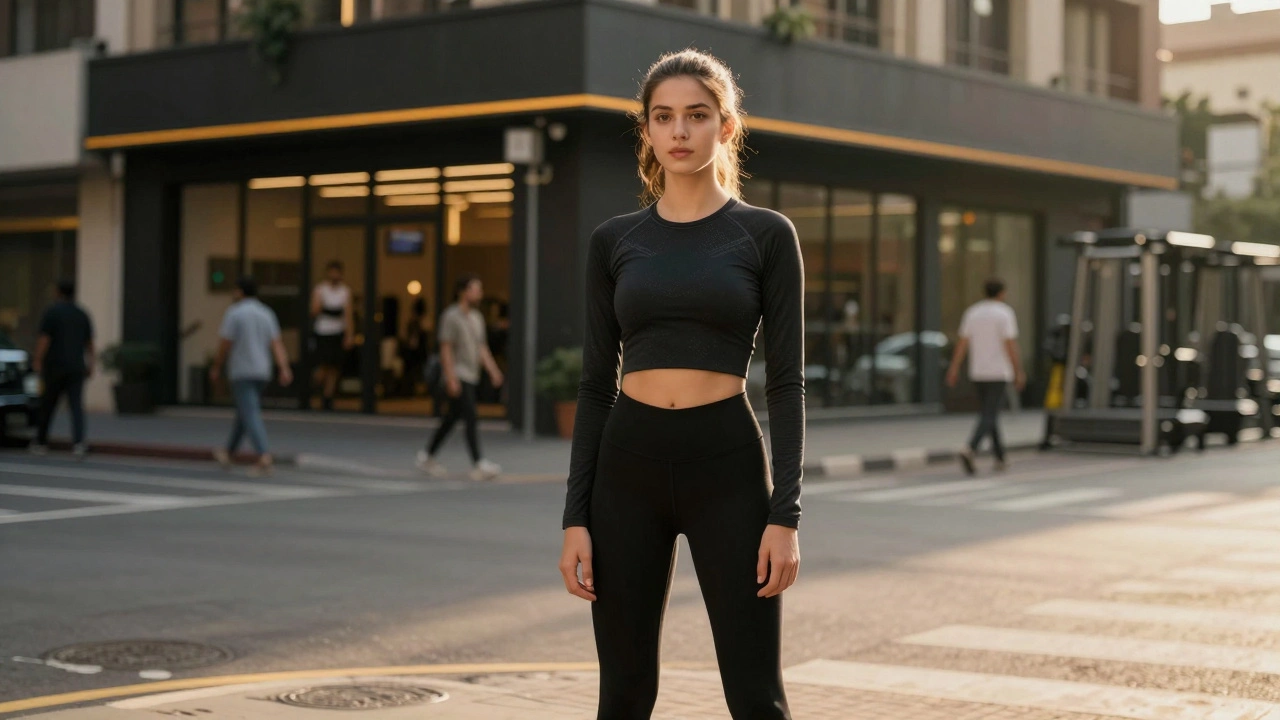
You walk into a store, grab a pair of leggings, and head to the checkout. The cashier asks if this is for the gym or just lounging. Suddenly, you pause. Is it really sportswear? The line has blurred significantly in recent years. What used to be strictly for the track or the court now dominates the streets. This confusion isn't accidental. It is a shift in how we live and move. Understanding the definition helps you shop smarter and dress better for your actual activities.
At its core, sportswear is clothing designed specifically for athletic activities, sports, or physical exercise. It prioritizes function over pure aesthetics. You need to move, sweat, and recover without restriction. However, the modern landscape includes a massive gray area known as athleisure. This mix of athletic and leisure wear complicates the definition. To know what counts, you must look at materials, design intent, and usage context.
The Functional Definition of Athletic Clothing
True sportswear is built with a job in mind. If you are running a marathon, you need gear that manages heat and moisture. If you are lifting weights, you need fabric that stretches without tearing. The design starts with the movement, not the trend. This distinguishes it from casual wear, which prioritizes comfort and style over physical performance.
Consider the fit. Athletic garments often feature ergonomic cuts. They might have gusseted crotches in shorts to prevent chafing during long strides. They might have articulated knees in pants to allow for deep squats. These aren't just style choices; they are engineering solutions. When you see these details, you are looking at legitimate sportswear. The intent is to enhance your physical capability, not just cover your body.
Another key factor is durability. Sports involve friction, stretching, and washing. A standard cotton t-shirt might shrink or lose shape after a few gym sessions. Sportswear is constructed to withstand high-intensity use. It is tested for abrasion resistance and seam strength. If a garment falls apart after one month of regular use, it likely failed the sportswear test.
Performance Gear Versus Athleisure
This is where most people get stuck. You see someone in leggings and a hoodie walking down the street. Is that sportswear? Technically, yes, but functionally, maybe not. This category is called athleisure. It borrows the look of performance gear but uses it for daily life. The distinction matters when you are buying for specific activities.
Athleisure is a style of clothing that is designed to be worn both for athletic activities and for casual wear. It bridges the gap between the gym and the grocery store. The problem arises when you treat athleisure as performance gear. You might wear soft cotton-blend leggings to a high-intensity interval training class. They look right, but they won't wick sweat. You will end up uncomfortable and potentially overheated.
Performance gear uses technical fabrics. Think of moisture-wicking synthetics. These pull sweat away from your skin to the outer layer where it evaporates. Athleisure often uses softer blends, like cotton mixed with a little elastane. It feels nicer against the skin for sitting on a couch, but it holds moisture during a run. Knowing the difference prevents buying the wrong item for the job. If you are training, prioritize performance. If you are commuting, athleisure is fine.
Key Materials and Fabrics
The fabric tells you more than the label. You can identify sportswear by touching the material and reading the care tag. Natural fibers like cotton are great for everyday wear but poor for intense exercise. They absorb water and become heavy. Synthetic fibers dominate the sportswear category for a reason.
Polyester is a synthetic polymer used extensively in sportswear for its durability and moisture-wicking properties. It dries quickly and resists shrinking. Spandex is a synthetic fiber known for its exceptional elasticity, often blended with other fibers to provide stretch. This allows for a full range of motion. A blend of polyester and spandex is the gold standard for activewear. It offers structure and stretch.
Nylon is another common player. It is tough and abrasion-resistant. You will find it in compression wear and outer layers for outdoor sports. Some brands now use recycled polyester. This is a big trend in 2026. It reduces environmental impact while keeping the performance benefits. When checking a tag, look for these keywords. If you see 100% cotton, be cautious about using it for heavy sweating activities.
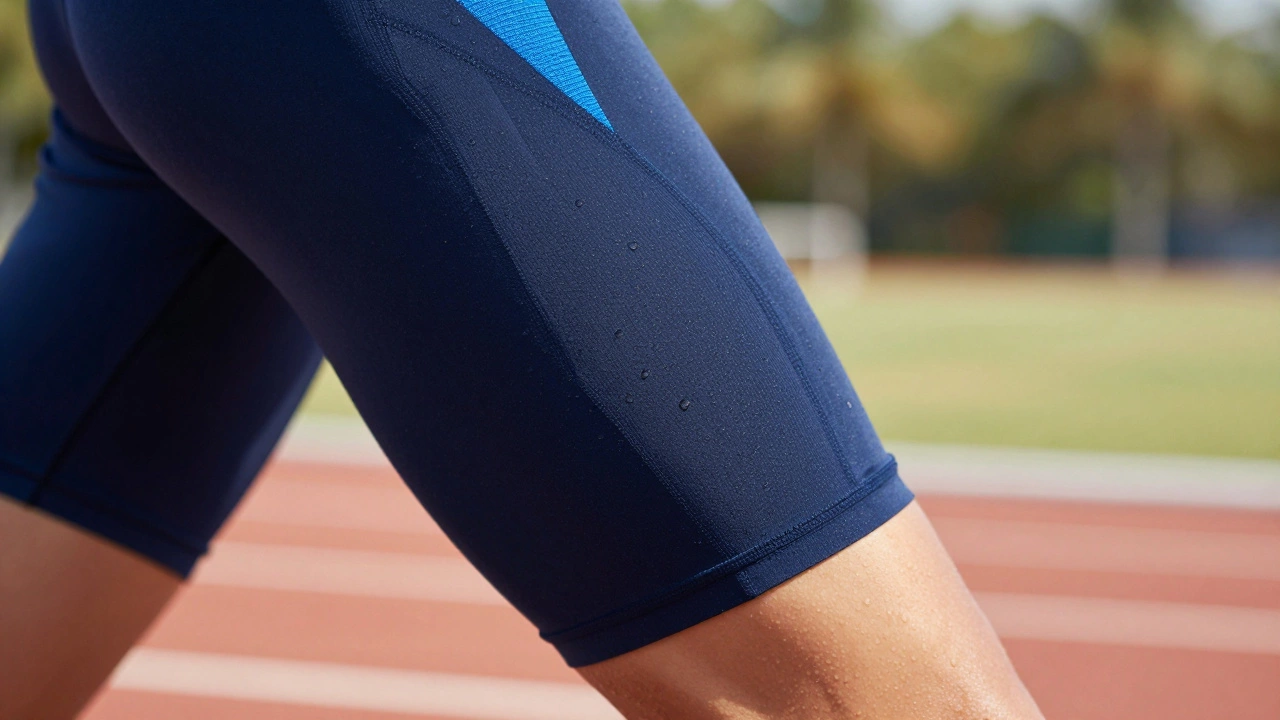
Compression technology is also specific to sportswear. Compression garments apply pressure to muscles. This can improve blood flow and reduce fatigue. You won't find this in casual jeans or t-shirts. It is a functional feature reserved for serious athletic training. The presence of compression zones indicates a garment designed for physiological support.
Footwear and the Sneaker Culture
Shoes are often the easiest indicator. Athletic shoes, or sneakers, are built with cushioning and support systems. They have rubber soles for traction. A running shoe has a different shape than a basketball shoe. Running shoes focus on forward motion and impact absorption. Basketball shoes focus on lateral stability and ankle support.
Sneakers is a type of shoe primarily designed for sports or other forms of physical exercise. However, fashion sneakers exist. These look like athletic shoes but lack the technical sole. They might have a flat rubber bottom without arch support. If you wear them for running, you risk injury. True sportswear footwear includes specific features like breathable mesh uppers and shock-absorbing midsoles.
Look at the branding. Performance brands often list the specific sport on the box. "Trail Running," "Court," or "Training." Fashion brands might just say "Lifestyle." This labeling helps you identify the intended use. Even if you wear them for style, understanding the origin helps you maintain them properly. You shouldn't wash performance shoes in a standard machine without removing the insoles.
What Does Not Count as Sportswear
Defining what isn't sportswear is just as important. Denim jeans are not sportswear. They are restrictive and absorb moisture. Wearing them to the gym is uncomfortable and limits movement. Formal wear, like suits or dress shirts, also falls outside this category. They are designed for static environments, not dynamic movement.
Casual wear is a broad category. A flannel shirt or a hoodie made of heavy fleece might look like gym clothes, but they lack the technical features. They are too warm for high exertion. They don't breathe well. You might wear them to the gym for a warm-up, but they aren't performance gear. Similarly, swimwear is a subset of sportswear, but it is distinct. You wouldn't wear a swimsuit for weightlifting. Specificity matters.
Accessories also play a role. A baseball cap is casual. A visor with sweat-wicking bands is sportswear. The function changes the classification. If an item is designed to manage sweat, heat, or movement, it leans toward sportswear. If it is designed purely for decoration or modesty, it is fashion or casual wear.
Modern Trends and Smart Fabrics
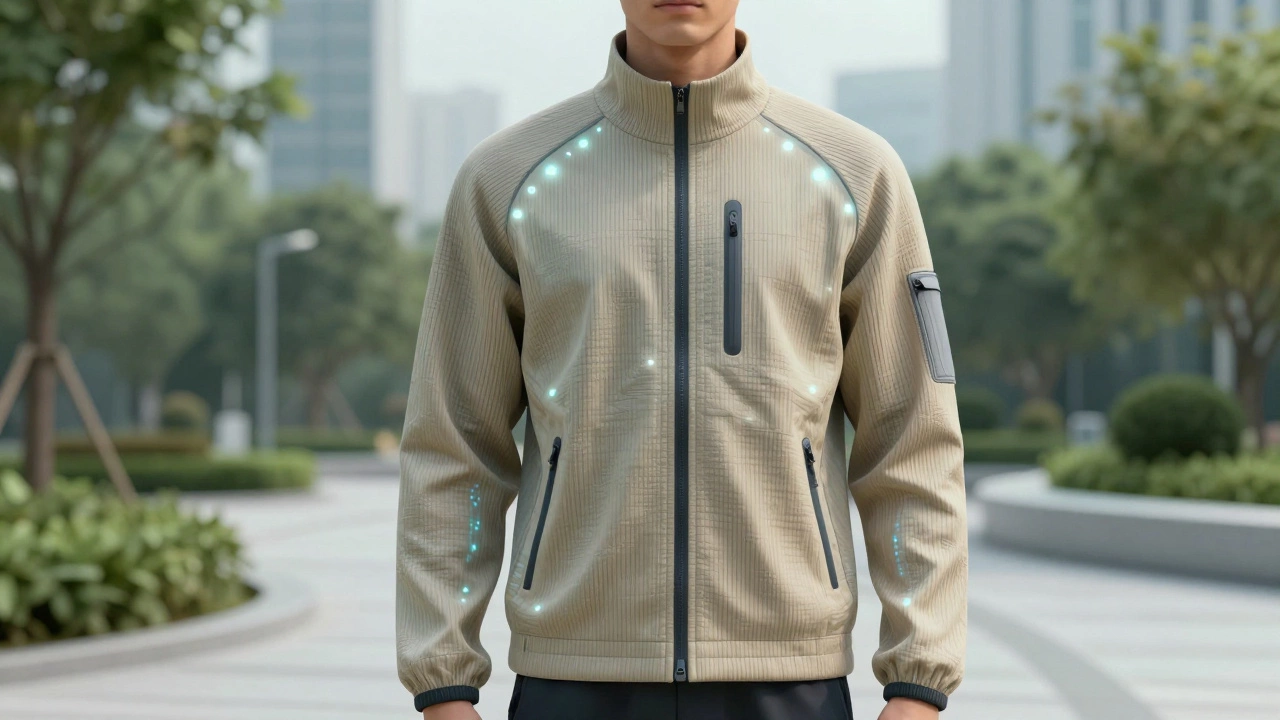
By 2026, the definition is expanding with technology. Smart fabrics are entering the market. These clothes can track heart rate or body temperature. They integrate sensors into the weave. This is the next evolution of performance gear. It blurs the line between clothing and equipment.
Sustainability is also reshaping the category. Brands are using plant-based dyes and biodegradable fibers. This doesn't change the function, but it changes the material composition. You might see hemp or bamboo blends labeled as sportswear. They offer breathability similar to synthetics but with a lower carbon footprint. When shopping, check if the eco-friendly claims match the performance specs.
Modular clothing is another trend. Some jackets have removable layers. This allows one piece to serve multiple sports or weather conditions. It increases the utility of the garment. This adaptability is a key trait of modern sportswear. It reduces waste and increases versatility. The goal is to own fewer items that do more work.
| Feature | Performance Sportswear | Athleisure | Casual Wear |
|---|---|---|---|
| Primary Use | Exercise, Sports | Training + Daily Life | Everyday, Work |
| Material | Polyester, Spandex | Cotton Blends, Soft Knits | Cotton, Denim, Wool |
| Moisture Control | High (Wicking) | Low to Medium | Low (Absorbs) |
| Fit | Ergonomic, Compression | Relaxed, Comfortable | Varies, Structured |
| Durability | High (Abrasion Resistant) | Medium | Medium to High |
Buying Guide for Beginners
When you shop, ask yourself one question: What will I do in this? If the answer is "run," buy performance gear. If the answer is "sit," athleisure works. Don't overspend on technical fabrics for low-impact activities. A yoga session doesn't need the same gear as a triathlon.
Check the seams. Flatlock seams reduce friction. They prevent chafing during repetitive movements. This is a small detail that makes a big difference. Also, check the pockets. Sportswear often has secure pockets for keys or phones. Casual wear might lack this. These functional additions confirm the item's purpose.
Finally, fit is king. Tight isn't always better. Compression should feel supportive, not restrictive. Loose gear should allow airflow without getting caught on equipment. Try the movements you plan to do in the store. Squat, reach, twist. If the fabric pulls or rides up, it isn't the right sportswear for you.
Is a hoodie considered sportswear?
A hoodie can be sportswear if it is made from moisture-wicking materials and designed for athletic use. However, most cotton hoodies are considered casual wear or athleisure because they absorb sweat and are too warm for intense exercise.
What is the difference between activewear and sportswear?
The terms are often used interchangeably. However, sportswear is a broader term that includes team uniforms and competitive gear. Activewear usually refers to clothing designed for fitness and exercise, often emphasizing comfort and style for the gym environment.
Can I wear jeans to the gym?
No, jeans are not suitable for the gym. They restrict movement, do not breathe well, and absorb sweat, making them uncomfortable and potentially unsafe for physical activities.
Why is polyester used in sportswear?
Polyester is used because it is durable, lightweight, and excellent at wicking moisture away from the skin. It dries quickly and maintains its shape after repeated washing, which is essential for active clothing.
Does athleisure count as professional sportswear?
Not for serious athletic performance. Athleisure is designed for comfort and style during daily activities. It lacks the technical features required for high-intensity sports, such as advanced moisture management and compression support.