Find Your Perfect Hoodless Jacket
Walk into any clothing store or scroll through your favorite online shop, and you’ll see them everywhere: jackets with hoods. They’re cozy, practical, and undeniably popular. But what about the rest? What do you call that sleek piece of outerwear when it lacks the attached hood? It’s not just a "jacket"-that word is too broad. The truth is, there are dozens of specific names for jackets without hoods, each with its own history, fabric, and style rulebook.
If you’ve ever stood in front of your wardrobe wondering why your leather biker jacket feels different from your office blazer, or if you’re trying to find the right term for that lightweight layer you pack for travel, you’re not alone. Knowing the difference isn’t just about sounding smart at a party; it helps you build a better closet. Different jackets serve different purposes. A jacket without a hood often signals a shift from casual comfort to structured style or functional protection.
The Classic Denim Jacket
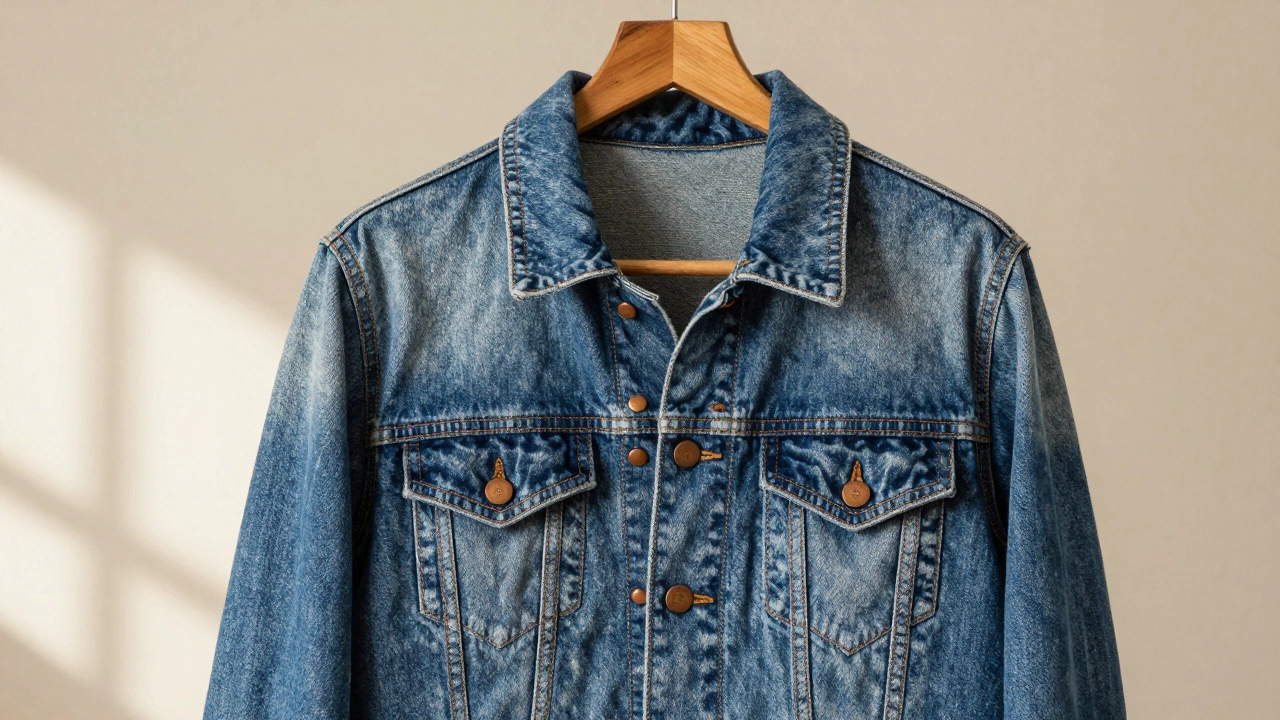
Let’s start with the most recognizable one. The Denim Jacket is a durable cotton twill outerwear piece originally designed for laborers but now a global fashion staple. Also known as a trucker jacket, it was popularized by brands like Levi’s in the early 20th century. It has no hood because its original purpose wasn’t rain protection-it was durability and warmth during manual work.
The denim jacket is defined by its boxy fit, button-front closure, and chest pockets. You can wear it over a t-shirt in summer or under a coat in winter. Its lack of a hood makes it versatile for layering. Try putting a hoodie underneath it for that classic streetwear look. The stiff collar stands up on its own, giving you a sharp silhouette without needing extra bulk around your head.
- Key Feature: Copper rivets and double-stitched seams.
- Best For: Casual weekends, layering over hoodies.
- Fabric: Heavy-weight cotton denim (12-14 oz).
The Structured Blazer
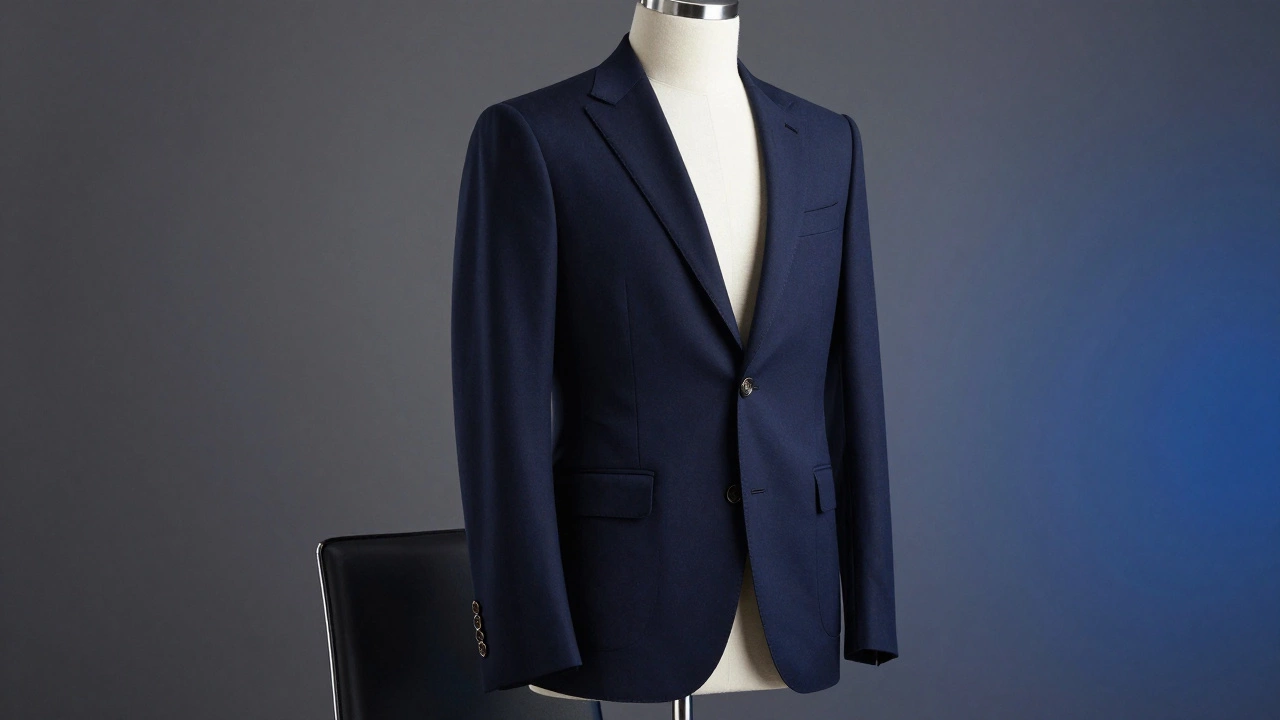
Now, imagine trading those copper buttons for silk ones. Enter the Blazer is a semi-formal jacket that originated from British naval uniforms and is characterized by metal buttons and a tailored fit. Unlike a suit jacket, which matches your trousers, a blazer stands alone. It never has a hood. In fact, adding a hood to a blazer would ruin its entire aesthetic purpose: clean lines and professional polish.
Blazers are built with structure. They have shoulder pads, a defined waist, and lapels that frame your face. This makes them perfect for business-casual offices or dinner dates. If you’re looking to elevate a simple outfit-like jeans and a white tee-a navy or charcoal blazer does the trick instantly. The absence of a hood keeps the neckline open, allowing you to show off a tie, a scarf, or just a crisp collared shirt.
The Sporty Bomber Jacket
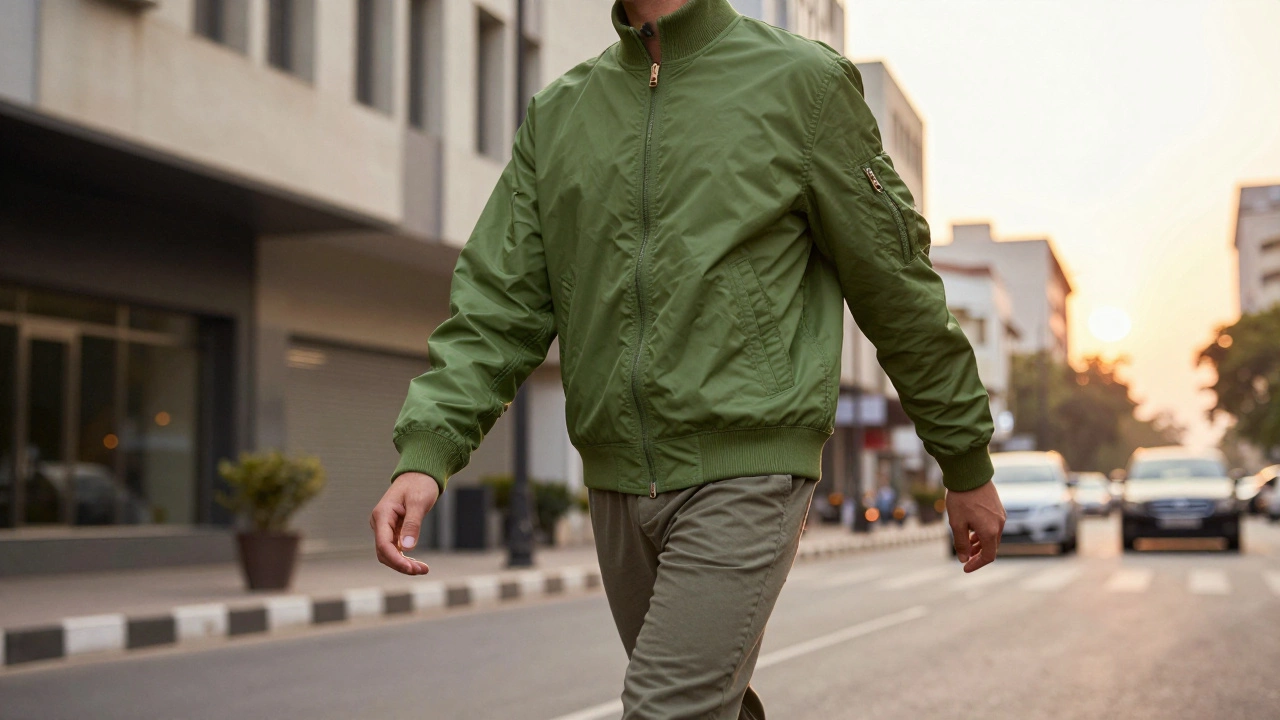
Here’s where things get interesting. The Bomber Jacket is a short, fitted jacket with a zipper front and ribbed cuffs and hem, originally worn by pilots in World War II. Most bombers don’t have hoods, though some modern variations add them. The classic MA-1 bomber, made from nylon, relies on a high collar and a snug fit to keep warm air in.
Why no hood? Because pilots needed freedom of movement and visibility inside cramped cockpits. Today, we love bombers for their retro vibe and ease of wear. They zip up quickly and don’t bunch up around your shoulders like a hooded jacket might. Pair a green bomber with chinos for a smart-casual look, or go black with leather accents for an edgier feel. The ribbed cuffs are the secret weapon-they seal out cold drafts without needing a hood.
The Rugged Leather Biker Jacket
If toughness is your goal, look no further than the Leather Biker Jacket is a motorcycle-inspired jacket featuring asymmetrical zippers, wide lapels, and heavy-duty hardware. Popularized by films like 'The Wild One,' it became a symbol of rebellion. These jackets rarely feature hoods. Instead, they use thick leather collars that can be snapped up against the wind.
The design is all about function meeting attitude. The asymmetrical zipper protects your chest from wind while riding. The epaulets on the shoulders were originally meant to hold patches or insignia. Wearing a biker jacket without a hood gives you a streamlined profile. It looks sleek under heavier coats and doesn’t interfere with helmets if you’re actually riding. For everyday wear, it adds instant edge to almost any outfit.
The Lightweight Windbreaker
When the weather turns unpredictable, you need something breathable yet protective. That’s where the Windbreaker is a thin, water-resistant jacket designed to block wind and light rain, often made from nylon or polyester. While many windbreakers come with hoods, countless styles do not. The non-hooded versions usually have a stand-up collar or a simple zip neck.
These are ideal for running, hiking, or just walking the dog in drizzly Auckland weather. Without a hood, they pack down smaller and weigh less. You can toss one in your bag and pull it on when the breeze picks up. The key here is the fabric technology-look for terms like DWR (Durable Water Repellent) coating. It beads up water so you stay dry without needing the coverage of a hood.
The Formal Trench Coat
Wait, isn’t a trench coat long? Yes, but it’s still a type of jacket without a traditional hood. The Trench Coat is a waterproof garment invented for British officers in World War I, featuring a belted waist, storm flaps, and gun cuffs. It uses a deep collar instead of a hood. This design choice allows for a sophisticated drape that a hood would disrupt.
Trench coats are timeless. They work in spring showers and autumn winds. The belt cinches at the waist, creating an hourglass shape that flatters most body types. You can roll up the sleeves for a relaxed look or button everything up for elegance. The lack of a hood means you can wear hats underneath without awkward bunching. It’s the ultimate transitional piece for changing seasons.
Comparison: Jackets Without Hoods
| Jacket Type | Primary Material | Style Vibe | Best Use Case |
|---|---|---|---|
| Denim Jacket | Cotton Twill | Casual, Retro | Everyday wear, Layering |
| Blazer | Wool Blend | Professional, Smart | Office, Events |
| Bomber Jacket | Nylon/Satin | Sporty, Urban | Travel, Night Out |
| Leather Biker | Leather | Edgy, Tough | Motorcycling, Statement Look |
| Windbreaker | Polyester/Nylon | Functional, Minimal | Exercise, Rainy Days |
How to Choose the Right One
Picking the right jacket depends on your lifestyle. Do you spend more time in meetings or on hikes? Here’s a quick guide to help you decide.
- Assess Your Climate: If you live in a rainy area like New Zealand, consider a windbreaker or a treated denim jacket. If you’re in a milder climate, a blazer or bomber might suffice.
- Consider Your Wardrobe: Look at what you already own. If you have lots of formal shirts, a blazer complements them. If you wear mostly tees and jeans, a denim or bomber jacket fits better.
- Think About Versatility: A navy blazer can go from day to night. A bright green bomber is more niche. Choose based on how often you’ll wear it.
- Check the Fit: Jackets without hoods rely on their collar and shoulders for structure. Ensure the shoulders sit perfectly flat. A bad fit here ruins the whole look.
Styling Tips for Hoodless Jackets
Since these jackets lack the cozy factor of a hood, you need to focus on other elements to make them pop. Necklaces, scarves, and collared shirts become your best friends. A simple gold chain under a bomber jacket adds a touch of luxury. A silk scarf tied loosely under a blazer introduces color and texture.
Also, pay attention to proportions. Bulky sweaters look great under oversized denim jackets but can overwhelm a slim-fit blazer. Keep the layers balanced. If your jacket is structured, keep the inner layers soft and fluid. If the jacket is loose, try a fitted top underneath.
What is the difference between a blazer and a suit jacket?
A blazer is more casual and versatile, often featuring metal buttons and solid colors. It can be worn with mismatched trousers. A suit jacket is part of a matching set with trousers and is designed for formal occasions. Blazers are generally easier to integrate into everyday wardrobes.
Can I wear a jacket without a hood in the rain?
Yes, if it’s made from water-resistant materials like waxed canvas, leather, or technical synthetics. Windbreakers and trench coats are specifically designed for wet weather. However, without a hood, your head will still get wet, so carry an umbrella or wear a hat.
Which jacket is best for layering?
Denim jackets and bomber jackets are excellent for layering due to their roomier cuts. You can easily fit a hoodie, sweater, or fleece underneath. Blazers require thinner layers to maintain their structured silhouette.
Why do some jackets have hoods and others don't?
Hoods are primarily for protection against rain and wind, common in sportswear and outdoor gear. Jackets without hoods prioritize aesthetics, structure, and formality. They are often used in professional settings or fashion-forward looks where a clean neckline is preferred.
Is a parka considered a jacket without a hood?
No, most parkas come with hoods, often lined with fur or faux fur for extra warmth. Parkas are designed for extreme cold, making the hood essential. If you’re looking for a hoodless alternative, consider a wool pea coat or a heavy bomber jacket.