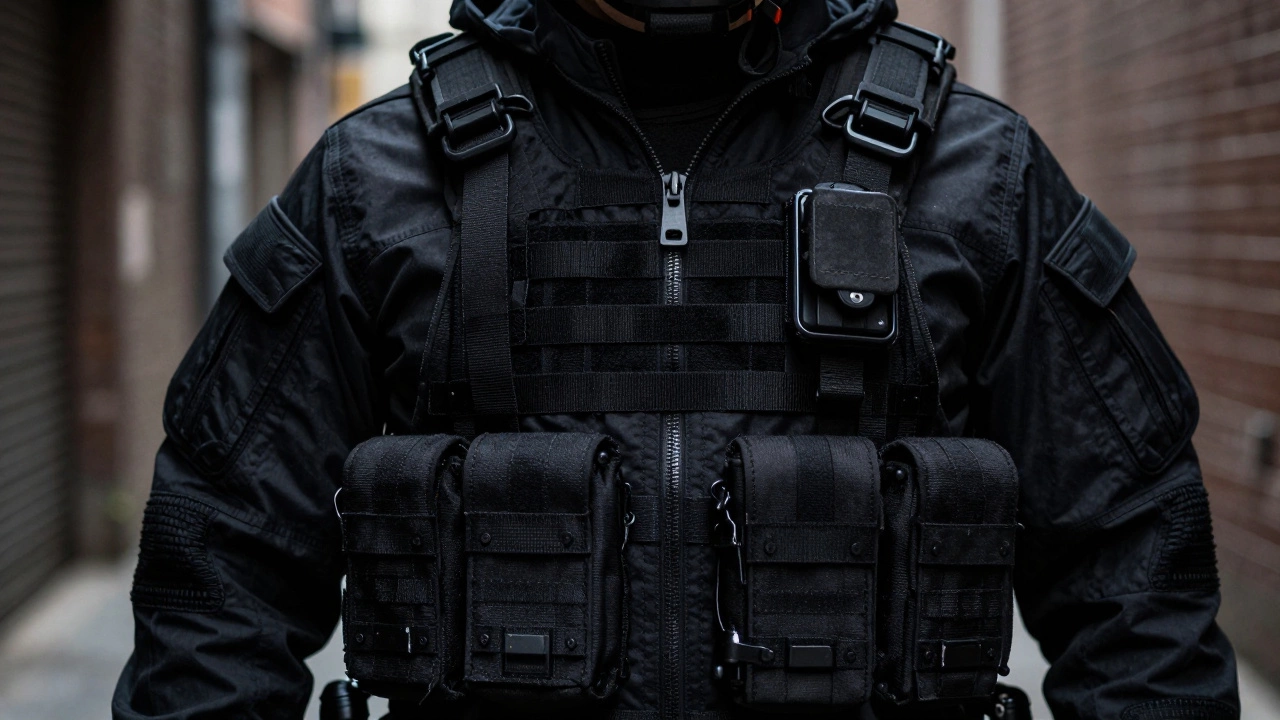
SWAT Jacket Ballistic Protection Calculator
This calculator helps you understand what level of protection you need for tactical situations and how ballistic plates work with SWAT jackets.
How Ballistic Protection Works
SWAT jackets themselves are not bulletproof. Protection comes from removable ballistic plates inserted into the jacket's special pockets. These plates are rated by the National Institute of Justice (NIJ) and can stop handgun rounds and shrapnel.
A SWAT jacket isn’t something you’d find in a regular clothing store. It’s not designed for style, comfort on a casual day, or even regular outdoor use. It’s built for one thing: high-risk operations where every second and every layer matters. If you’ve seen police tactical units in action-whether on news footage, documentaries, or in movies-you’ve probably noticed the bulky, dark-colored jackets they wear. Those are SWAT jackets. But what exactly makes them different from a regular hoodie or a heavy-duty work jacket?
What a SWAT Jacket Actually Is
A SWAT jacket is a type of tactical garment worn by law enforcement, military, and emergency response teams during operations that require speed, protection, and gear accessibility. The term "SWAT" stands for Special Weapons and Tactics, and the jacket is part of a full tactical ensemble meant to handle violent confrontations, hostage rescues, and high-threat environments.
Unlike a regular jacket, a SWAT jacket is engineered with specific materials and features that prioritize function over fashion. It’s made from durable, abrasion-resistant fabrics like Cordura nylon or ballistic-grade polyester. These materials don’t tear easily under rough handling, brush against concrete, or get snagged on debris during a rapid entry. Many models also include built-in padding or hard plate pockets to accept ballistic panels, offering protection against handgun rounds and shrapnel.
The fit is intentionally snug but not restrictive. It allows full range of motion for climbing, crawling, and drawing weapons. The sleeves are often reinforced at the elbows, and the hem is cut to stay tucked in during movement. It’s not loose like a hoodie. It’s not baggy like a windbreaker. It’s tailored for control.
Key Features That Set It Apart
Here’s what you’ll find on a real SWAT jacket that you won’t see on a standard outdoor jacket:
- MOLLE webbing: These are the vertical and horizontal nylon strips on the chest, back, and sides. They let officers attach pouches for ammo, radios, medical kits, or breaching tools. You can customize the loadout depending on the mission.
- Hidden zippers and secure closures: Many jackets use YKK zippers with rubberized pulls that won’t catch on gear. Some have hidden snap buttons under flaps to prevent accidental openings during a struggle.
- Integrated hood: The hood is often removable and designed to fit over helmets. It’s not decorative-it’s functional for weather protection and concealment.
- Low-profile design: No bulky logos, no bright colors. Most SWAT jackets are black, dark green, or coyote brown to blend into urban or woodland environments.
- Reinforced seams and double-stitching: These jackets are built to last through dozens of high-stress operations. Seams are reinforced with bar-tacks and sometimes even rivets at stress points.
Some models even include cooling vents under the arms or moisture-wicking liners to manage body heat during long operations. Others have reflective strips for low-light visibility, but these are usually placed in non-obtrusive areas so they don’t compromise stealth.
Who Actually Uses SWAT Jackets?
While the name suggests only SWAT teams wear them, that’s not the full picture. SWAT jackets are used by:
- Police tactical units: The most common users. They’re issued for raids, barricaded suspect situations, and active shooter responses.
- SWAT-style units in corrections: Prison riot teams and special response units in jails use similar gear for control operations.
- Border patrol and federal agents: Agencies like DHS and CBP use tactical jackets during high-risk interdictions or border enforcement.
- Private security contractors: Especially those working in conflict zones or for high-profile clients.
- Fire and rescue teams: Some technical rescue units wear tactical jackets when operating in hazardous environments where gear needs to stay secure.
It’s not uncommon for these jackets to be modified for specific roles. A rescue team might remove MOLLE panels to reduce weight, while a sniper support unit might add extra chest pouches for magazines and optics.
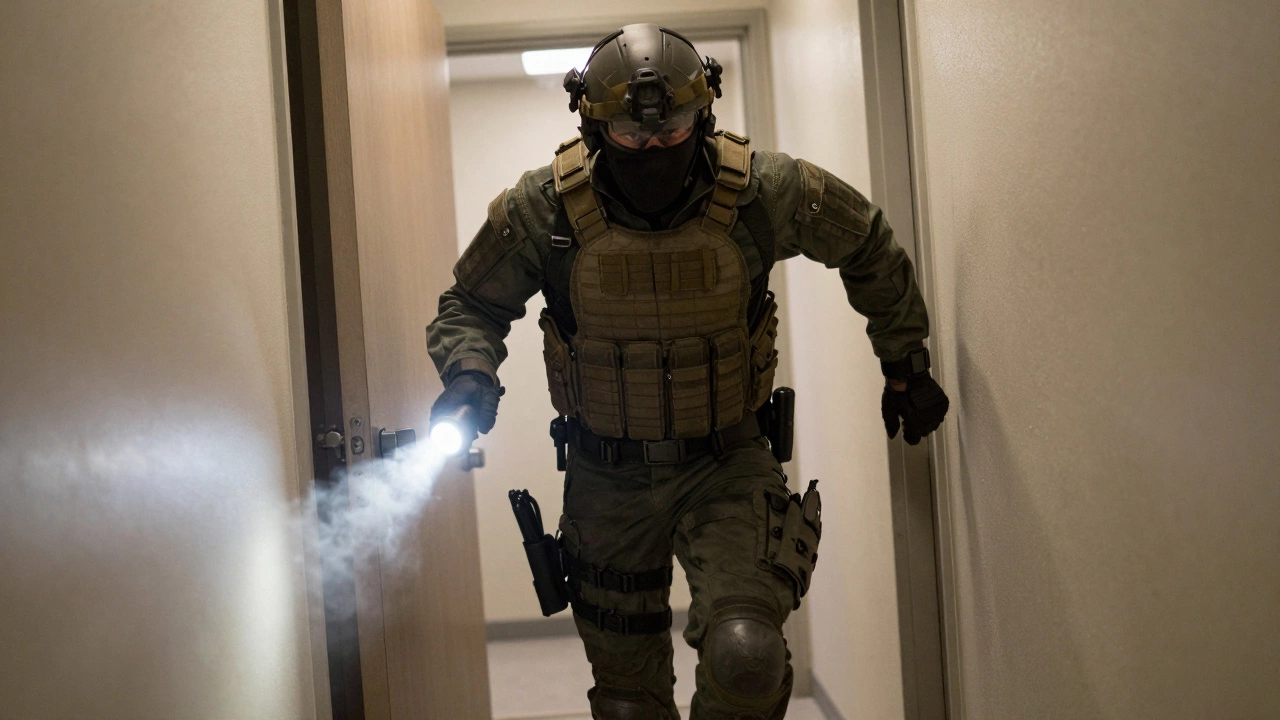
SWAT Jacket vs. Regular Tactical Jacket
There’s a lot of confusion online between "SWAT jacket" and "tactical jacket." They’re often used interchangeably, but there’s a subtle difference.
A tactical jacket is a broad category. It includes anything designed for law enforcement, military, or outdoor survival use. That could be a lightweight windbreaker with a few pockets, a softshell jacket for patrol, or even a camouflage hunting vest.
A SWAT jacket is a subset of tactical gear. It’s specifically built for direct-action missions. That means:
- It’s heavier and more protective
- It has integrated armor compatibility
- It’s designed for close-quarters combat
- It’s issued by agencies, not sold as consumer gear
Most civilian "tactical jackets" sold online are inspired by SWAT jackets but lack the ballistic protection, reinforced stitching, and military-grade materials. They’re often made from lighter polyester and have fake MOLLE panels that can’t hold real gear. They’re fashion-first, not function-first.
Can Civilians Buy a Real SWAT Jacket?
Technically, yes-but not easily, and not from the same sources as police departments.
Real SWAT jackets used by agencies like the LAPD or FBI are typically sourced from military contractors like Crye Precision, 5.11 Tactical, or Propper. These companies sell directly to government and law enforcement buyers under strict procurement rules. You won’t find them on Amazon or Walmart.
However, civilians can buy near-identical versions. Companies like 5.11 Tactical and Blackhawk offer civilian-grade tactical jackets that look and feel almost the same. They include real MOLLE, durable fabrics, and reinforced stitching. The main differences? They usually don’t come with ballistic panels (those require special licensing), and the fit might be slightly looser for comfort.
Many preppers, outdoor enthusiasts, and even photographers covering protests use these civilian versions. They’re great for carrying gear, surviving rough conditions, or just looking prepared. But if you’re expecting the same level of ballistic protection as a police officer’s jacket-you’re not going to get it without a license and agency authorization.
Common Misconceptions
There are a few myths floating around about SWAT jackets:
- "They’re bulletproof." No. They’re ballistic-resistant when paired with inserts. The jacket itself is just fabric. The plates inside stop bullets.
- "They’re only for police." As mentioned, they’re used by many emergency responders, including fire and medical teams in high-risk zones.
- "They’re uncomfortable." They’re not designed for lounging. But for active duty, they’re engineered to reduce fatigue. Many include moisture-wicking liners and ventilation zones.
- "You can wear one to a concert or protest." In many places, wearing tactical gear in public can raise alarms or even trigger legal issues. It’s not illegal everywhere, but it can be interpreted as threatening or militarized behavior.
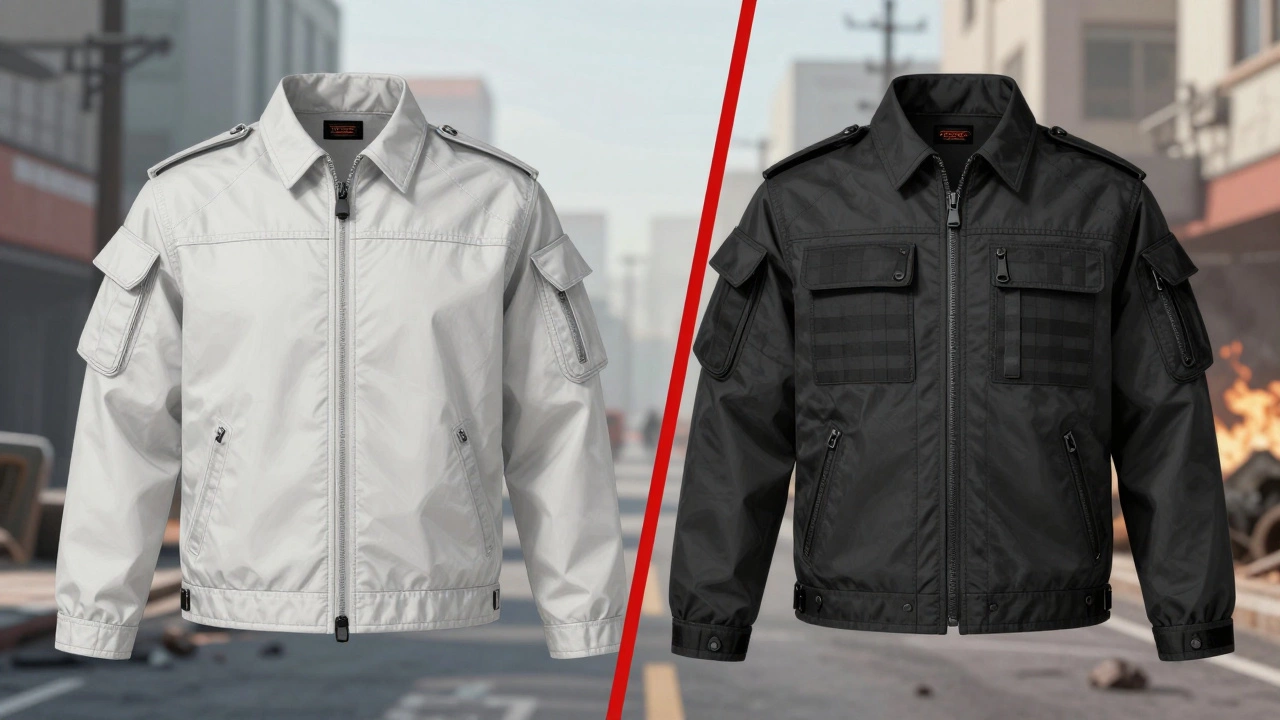
How to Spot a Real SWAT Jacket
If you’re trying to identify a genuine issue jacket, look for these signs:
- Agency patches or serial numbers sewn inside the collar or on the chest
- Manufacturer tags with military contract numbers (like DLA or NAVAIR)
- Heavy-duty zippers with rubberized pulls, not plastic
- Stitching that looks industrial, not home-sewn
- Weight: a real one weighs 3-5 pounds without armor
Civilian versions usually have cleaner stitching, lighter fabric, and no serial markings. They’re made for appearance, not durability under extreme stress.
What Replaced the SWAT Jacket?
Not much. The SWAT jacket hasn’t been replaced-it’s evolved. Modern tactical gear has shifted toward modular systems. Many units now use separate plate carriers over lightweight base layers instead of integrated jackets. This gives more flexibility: you can swap armor, remove panels, or change layers based on the mission.
But the SWAT jacket still has a place. In urban environments where speed and concealment matter, the all-in-one jacket is faster to put on than assembling a plate carrier and vest. It’s still the go-to for rapid-response teams, especially in tight spaces like apartment buildings or subway stations.
Some newer models even integrate hydration bladders or radio mounts. The design keeps improving, but the core purpose hasn’t changed: protect the wearer, carry essential tools, and move without restriction.
Final Thoughts
A SWAT jacket isn’t just a piece of clothing. It’s a tool. One that’s been refined over decades of real-world use. It’s not glamorous. It doesn’t have logos or trendy colors. But it’s one of the most reliable pieces of gear a first responder can wear. Whether you’re curious about law enforcement equipment, building your own tactical kit, or just trying to understand what you’re seeing on the news-knowing what a SWAT jacket is and why it exists gives you a clearer picture of how these teams operate.
It’s not about looking tough. It’s about staying alive-and helping others survive-when everything goes wrong.
Is a SWAT jacket bulletproof?
No, a SWAT jacket by itself is not bulletproof. It’s made from durable fabric like Cordura or ballistic polyester, but it doesn’t stop bullets on its own. Bullet resistance comes from removable ballistic plates inserted into special pockets. These plates are rated by the NIJ (National Institute of Justice) and can stop handgun rounds, but not rifle fire unless they’re Level III or IV. The jacket’s job is to hold those plates securely in place.
Can civilians buy real SWAT jackets?
Civilians can’t buy the exact same jackets issued to police SWAT teams, because those are procured through government contracts. But you can buy civilian versions from companies like 5.11 Tactical, Blackhawk, or Propper that look and function almost identically. These include real MOLLE webbing, durable zippers, and reinforced stitching-but they don’t come with ballistic plates, and they’re not issued by any law enforcement agency.
What’s the difference between a SWAT jacket and a tactical jacket?
A tactical jacket is a broad category that includes any garment designed for law enforcement, military, or outdoor use. A SWAT jacket is a specific type of tactical jacket built for direct-action missions. It’s heavier, has armor compatibility, reinforced seams, and is designed for close-quarters combat. Most civilian "tactical" jackets are lightweight and lack the durability or ballistic features of a true SWAT jacket.
Do SWAT jackets have hoods?
Yes, most SWAT jackets include a removable hood designed to fit over a helmet. It’s not decorative-it’s functional. The hood helps protect against weather, reduces visibility in low-light situations, and can be pulled tight to shield the head during breaching or movement through debris. Some models have drawcords or stiffened brims for better fit and concealment.
Are SWAT jackets waterproof?
Most SWAT jackets are water-resistant, not fully waterproof. They’re treated with DWR (durable water repellent) coatings that shed light rain and moisture. For heavy rain or wet environments, operators often wear a separate waterproof shell over the jacket. The priority is breathability and gear access, not keeping dry in a storm.