Evening Dress & Etiquette Guide
Your Styling Guide
Dress Length
Recommended Fabrics
Key Details & Accessories
You’ve received the invitation. It says “Black Tie” or “Formal.” You check your closet, but nothing feels quite right. That’s because an evening dress is a specific category of formal wear designed for social events held after sunset, characterized by luxurious fabrics, elegant silhouettes, and sophisticated detailing. It isn’t just a pretty dress; it’s a signal of respect for the occasion and the host.
If you’re standing in front of a rack of gowns wondering which one fits the bill, you aren’t alone. The line between a nice dinner dress and a true evening dress can be blurry. But there are clear rules regarding fabric, length, and style that separate everyday chic from evening elegance. Let’s break down exactly what qualifies as an evening dress so you can walk into any event with confidence.
The Core Definition: More Than Just a Night Out
An evening dress is defined by its purpose. Unlike daywear, which prioritizes comfort and practicality, evening wear prioritizes aesthetics and ceremony. Historically, these garments were reserved for balls, operas, and high-society gatherings. Today, they cover a wider range of events, from weddings and galas to award ceremonies and fancy dinners.
The key differentiator is the level of formality. An evening dress is not something you would wear to brunch or a casual Friday office party. It is constructed with higher-quality materials and more intricate design elements. Think about the difference between a cotton t-shirt and a silk blouse. One is for daily use; the other is for special moments. An evening dress sits on the far end of that spectrum.
When experts categorize these garments, they look at three main factors:
- Fabric weight and sheen: Evening dresses use heavier, lustrous materials like satin, velvet, or chiffon.
- Silhouette structure: They often feature tailored bodices, full skirts, or dramatic trains.
- Embellishment: Details like beading, embroidery, or lace add value and visual interest.
Fabrics That Define Evening Wear
If you want to identify an evening dress instantly, look at the material. Cotton, jersey, and denim are generally excluded from this category (with very few exceptions). Instead, evening dresses rely on textiles that catch the light and drape beautifully.
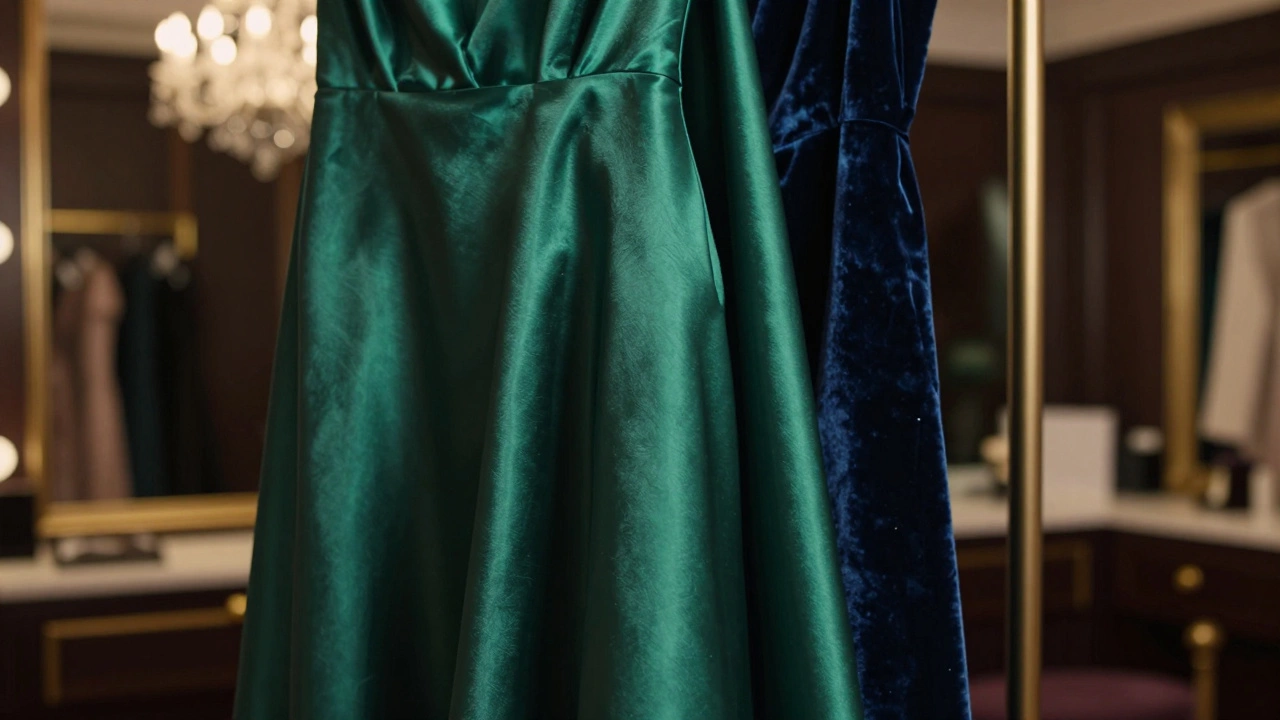
Satin is a weave technique that produces a characteristically glossy face and a dull back, commonly used in evening wear for its luxurious appearance. Whether it’s silk satin or polyester satin, this fabric screams elegance. It reflects candlelight and chandelier bulbs, making the wearer stand out in dimly lit venues. Satin is the go-to for classic ballgowns and sleek slip dresses alike.
Velvet is a dense pile fabric known for its soft texture and rich appearance, ideal for cooler months and formal winter events. Velvet adds depth and warmth. It’s perfect for holiday parties or autumn weddings. Because it absorbs light rather than reflecting it, velvet creates a moody, sophisticated look that feels expensive without needing excessive sparkle.
Other common evening fabrics include:
- Chiffon: Lightweight and sheer, often used for overlays or flowy skirts. It moves gracefully when you dance.
- Lace: Adds intricacy and romance. High-quality French or Chantilly lace elevates a simple silhouette.
- Sequins and Beading: While not a fabric itself, heavy embellishment transforms a standard dress into an evening piece. Hand-beaded details indicate higher craftsmanship.
Length Matters: Cocktail vs. Gown
One of the biggest misconceptions is that all evening dresses must floor-length. This isn’t true. The length depends on the time of day and the specific dress code.
Cocktail dresses are knee-length or tea-length dresses suitable for semi-formal evening events, typically lasting from early evening until midnight. These are versatile and modern. A well-tailored cocktail dress in black satin or emerald velvet is perfectly appropriate for a gallery opening, a birthday dinner, or a rehearsal dinner. The hem usually hits at or just above the knee. Straps should be delicate, and necklines can be daring but not overly revealing.
Evening gowns are floor-length formal dresses reserved for the most prestigious events, such as black-tie weddings, operas, and state dinners. If the invitation says “White Tie” or “Black Tie,” a gown is expected. These dresses often have trains, dramatic sleeves, or intricate back details. The floor length signifies maximum formality. In recent years, however, fashion has become more flexible. Many designers now offer floor-length mini-dresses or maxi-cocktail hybrids that blur the lines.
Here is a quick guide to matching length with occasion:
| Occasion Type | Recommended Length | Example Events |
|---|---|---|
| Casual Dinner Party | Knee-Length | Restaurant anniversary, friends' gathering |
| Semi-Formal / Cocktail | Knee to Tea-Length | Rehearsal dinner, gallery opening, holiday party |
| Formal / Black Tie | Floor-Length | Wedding reception, opera, charity gala |
| White Tie | Floor-Length Ballgown | State banquet, royal ball, ultra-formal debut |
Silhouettes and Cuts for Every Body Type
An evening dress isn’t one-size-fits-all in terms of shape. The right silhouette enhances your natural features while adhering to formal standards. Here are the most recognized cuts in evening wear:
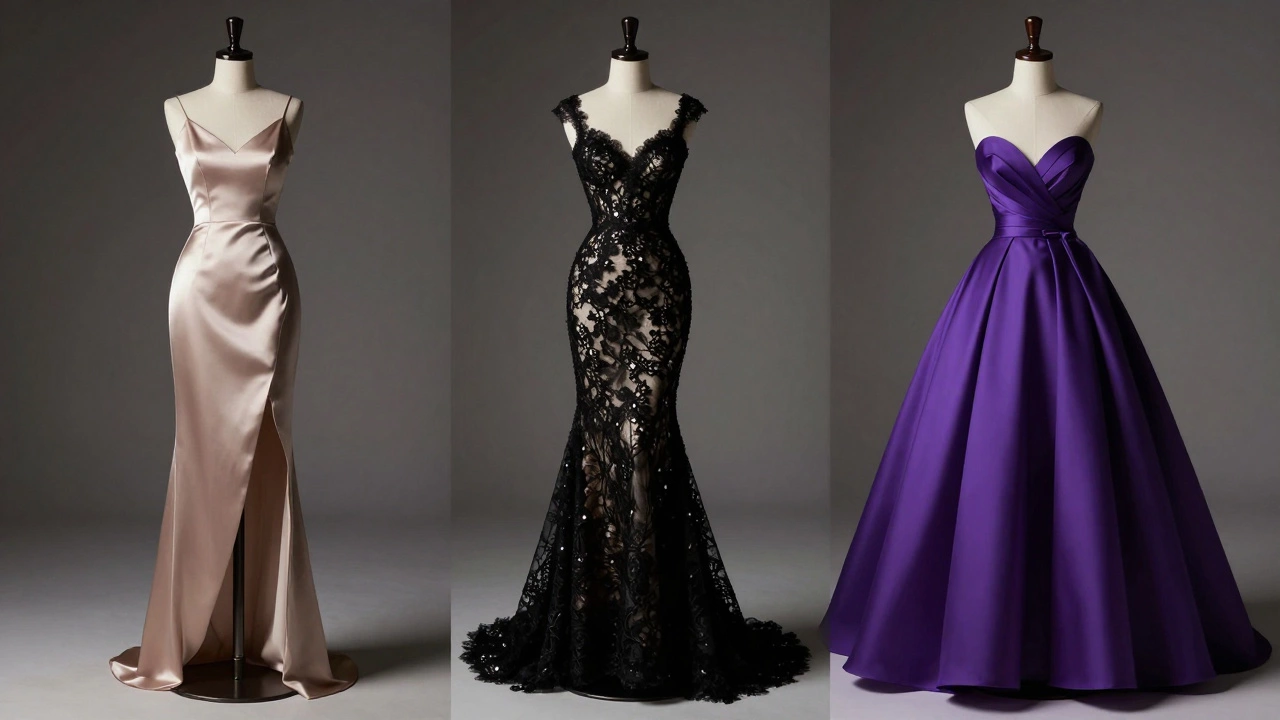
The Slip Dress: Minimalist and sexy. Made from bias-cut silk or satin, it skims the body without constraining it. Perfect for warm climates or summer evenings. Pair it with structured heels to balance the fluidity.
The A-Line: Universally flattering. It fits snugly at the waist and flares out gradually. This cut works for almost every body type and is easy to move in. It’s a safe choice if you’re unsure about the venue’s vibe.
The Mermaid or Trumpet: Dramatic and fitted. This style hugs the hips and thighs before flaring out at the knees. It requires confidence and great tailoring. It’s best for those who want to make a bold statement.
The Ballgown: The ultimate fairy-tale look. With a fitted bodice and a voluminous skirt, it commands attention. Ideal for traditional black-tie events where grandeur is expected.
Color Codes: Beyond Little Black Dresses
While the little black dress (LBD) is a staple, evening wear embraces a broader palette. Dark colors like navy, burgundy, and emerald green convey sophistication. Jewel tones reflect light beautifully under indoor lighting.
Metallics-gold, silver, and bronze-are also acceptable for evening events, especially in colder months. However, avoid head-to-toe shimmer unless you’re attending a themed party. Balance is key. A metallic top with a matte skirt, or vice versa, looks more refined than an entirely sequined outfit.
Pastels and bright whites are trickier. White is traditionally reserved for brides in Western cultures, so avoid it unless explicitly encouraged. Pastels work well for spring and summer daytime-evening transitions, such as garden parties that extend into dusk.
Accessories: Completing the Look
An evening dress is only half the equation. The accessories you choose determine whether you look polished or overdone.
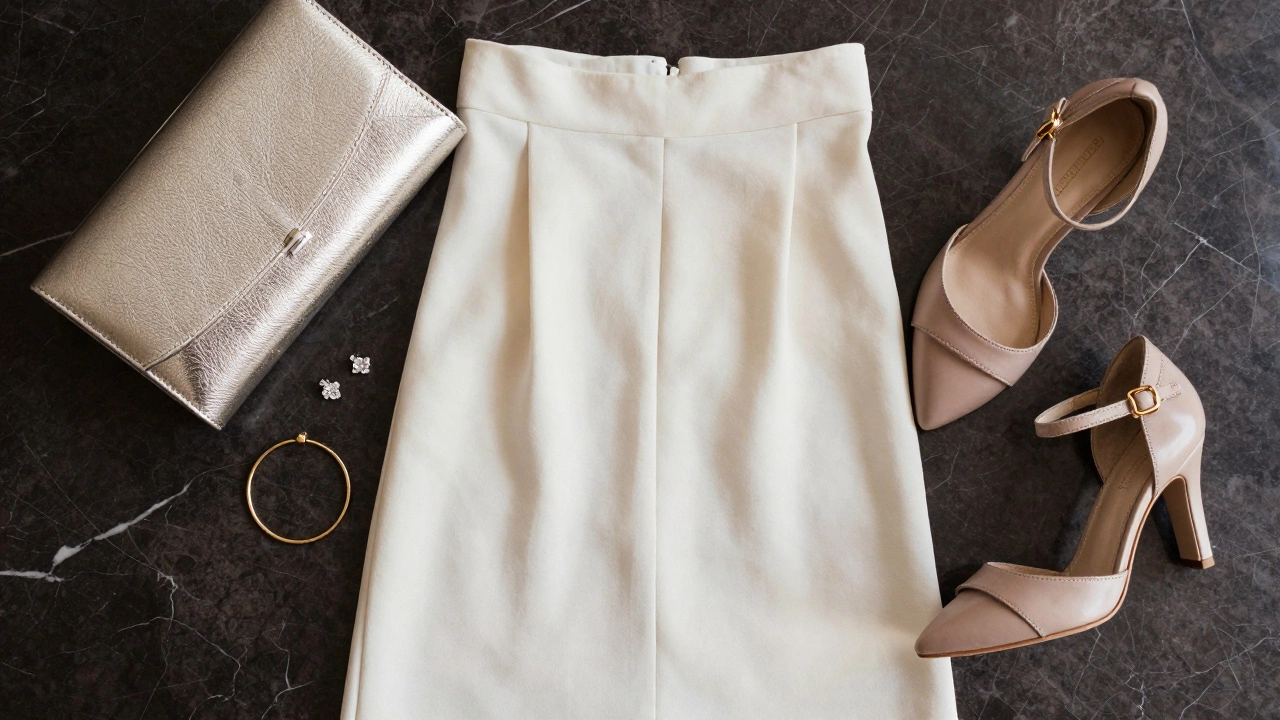
Clutch bags are small handbags designed to carry essentials like lipstick, phone, and cards, essential for maintaining a streamlined silhouette in formal settings. Avoid large tote bags or crossbody styles. A clutch keeps your hands free and maintains the dress’s clean lines.
Footwear matters too. Pumps, strappy sandals, or elegant flats complement evening wear. Avoid sneakers, chunky boots, or casual loafers. If the event involves dancing, consider block heels or wedges for stability.
Jewelry should enhance, not overwhelm. If your dress has heavy beading, keep jewelry minimal-stud earrings and a delicate bracelet suffice. If the dress is plain, go bolder with statement earrings or a necklace. The goal is harmony, not competition.
Common Mistakes to Avoid
Even experienced shoppers make errors when selecting evening attire. Here are pitfalls to watch for:
- Ignoring the dress code: Wearing a short cocktail dress to a black-tie wedding is a faux pas. Always read the invitation carefully.
- Choosing uncomfortable fabrics: If you can’t breathe or move in the dress, it doesn’t matter how beautiful it looks. Prioritize fit and comfort.
- Over-accessorizing: Less is more. Three pieces of jewelry max is a good rule of thumb.
- Wearing daytime makeup: Evening lighting is dimmer. Opt for slightly deeper lip colors and defined eyes to ensure you photograph well.
Modern Trends in Evening Wear
Fashion evolves, and so does evening wear. In 2026, we see a shift toward sustainable luxury. Designers are using eco-friendly silks and recycled sequins. Also, gender-fluid evening wear is gaining traction, with tailored suits and sharp blouses becoming acceptable alternatives to traditional gowns for some events.
Another trend is the “elevated casual” look. Think wide-leg trousers paired with a silk camisole and heels. This approach offers comfort without sacrificing formality, perfect for creative industries or less rigid social circles.
Can I wear jeans to an evening event?
Generally, no. Jeans are considered casual wear. Even dark denim lacks the formality required for most evening events. If the invitation specifies "casual evening," you might get away with high-end designer jeans paired with a silk blouse and heels, but this is risky. Stick to trousers or dresses for safety.
What is the difference between a cocktail dress and an evening gown?
The primary differences are length and formality. Cocktail dresses are knee-length or tea-length and suit semi-formal events. Evening gowns are floor-length and reserved for formal or black-tie occasions. Cocktail dresses often use lighter fabrics, while gowns may feature heavier materials like taffeta or velvet.
Is it okay to wear white to an evening event?
In Western cultures, wearing white to a wedding is discouraged unless you are the bride. For other evening events like galas or parties, white is acceptable, especially in summer. However, be mindful of cultural contexts and specific event themes. When in doubt, choose another color.
How do I know if my dress is formal enough?
Check the fabric and length. Formal dresses use luxurious materials like satin, silk, or velvet and are often floor-length. They also feature detailed construction, such as lining, boning, or embellishments. If your dress looks like something you’d wear to a nice lunch, it’s likely not formal enough for a black-tie event.
Can I wear a jumpsuit as an evening dress?
Yes, increasingly so. A well-tailored jumpsuit made from formal fabrics like crepe or silk can serve as an excellent alternative to a dress, especially for cocktail or semi-formal events. Ensure the cut is elegant and pair it with sophisticated accessories to elevate the look.