Evening Dress Code Decoder
Confused by your invitation? Select the dress code listed on your invite to see exactly what is expected for men and women.
Women's Expectation
Men's Expectation
Pro Tip:
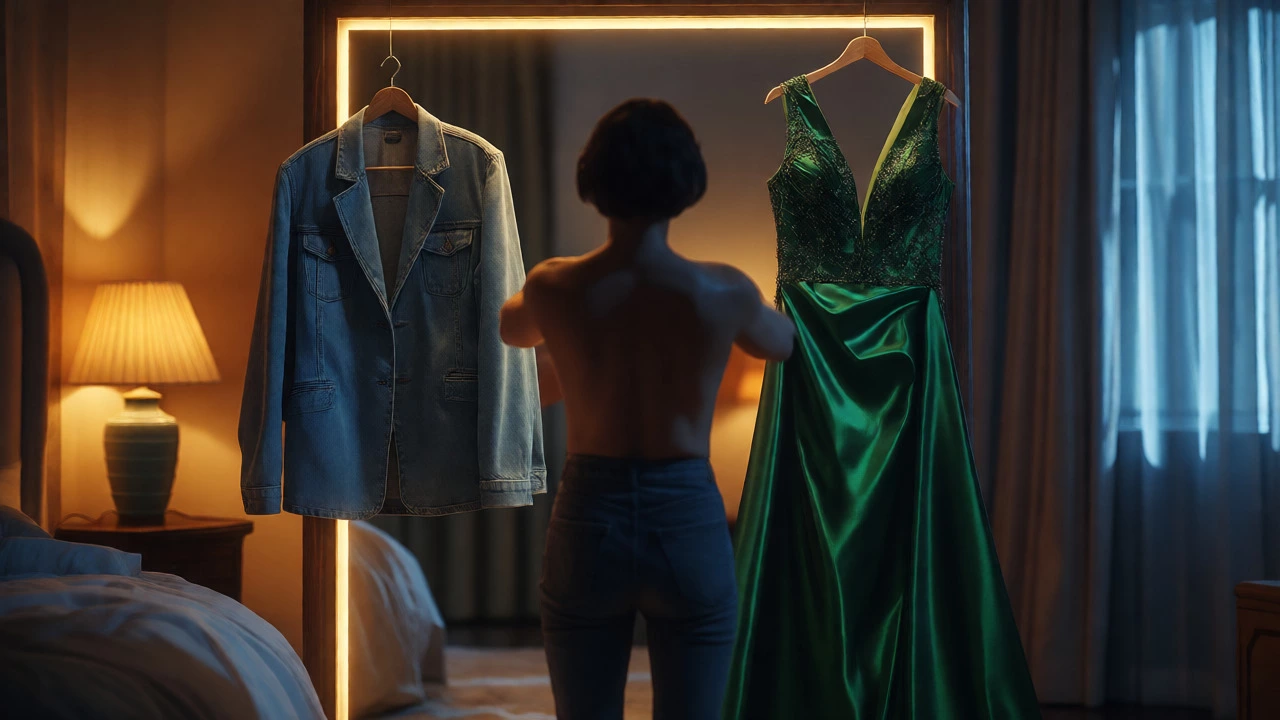
You’re staring at your closet. The invitation says "Black Tie," but you only own jeans and a blazer. Or maybe it just says "Formal," which is even more confusing because does that mean a suit or a tuxedo? And what about the women in the room-are they wearing short dresses or floor-length gowns? This confusion is universal. We’ve all been there, standing in front of a mirror, wondering if we’re underdressed (the social sin) or overdressed (the fashion faux pas).
At its core, evening dress is a category of formal clothing designed specifically for nighttime events, characterized by luxurious fabrics, sophisticated cuts, and higher formality than daytime wear. It’s not just about looking pretty; it’s about respecting the occasion. Whether you’re attending a gala in Auckland or a wedding in London, understanding what constitutes evening wear saves you stress and ensures you fit right in with the vibe of the event.
The Evolution of Nighttime Elegance
Evening wear hasn’t always looked like it does today. In the 19th century, men wore tailcoats and women wore massive crinoline skirts that took hours to put on. These were strictly for the aristocracy. But as society shifted, so did fashion. By the early 20th century, designers like Paul Poiret started ditching corsets, making evening gowns flowy and comfortable. Then came Coco Chanel, who introduced the little black dress in the 1920s, proving that simplicity could be just as formal as extravagance.
Today, evening dress is less about rigid rules and more about intent. It signals that this moment matters. It’s different from daywear because it prioritizes aesthetics over practicality. You aren’t running errands in an evening gown. You are holding court, dancing, or dining. The fabric reflects this: think silk, velvet, satin, and chiffon instead of cotton or denim.
Decoding the Dress Codes
Most people get tripped up here. They see "formal" and panic. Let’s break down the actual hierarchy of evening attire. This isn’t just opinion; these are the standards used by etiquette experts and event planners worldwide.
| Dress Code | Women’s Expectation | Men’s Expectation | Vibe |
|---|---|---|---|
| White Tie | Floor-length ballgown, gloves, jewelry | Tailcoat, white bow tie, white vest | Ultra-formal, state dinners |
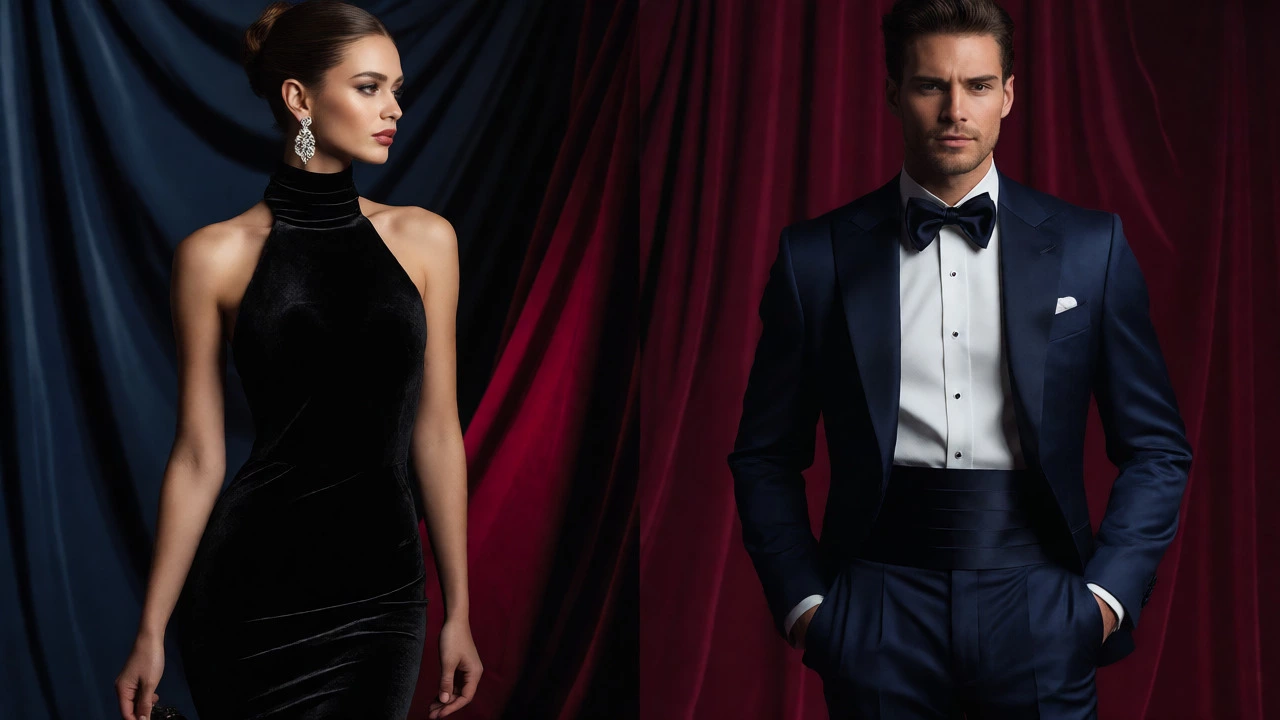
| Black Tie | Floor-length gown or very fancy cocktail dress | Tuxedo, black bow tie, cummerbund | Galas, weddings, opera |
| Black Tie Optional | Cocktail dress or long gown | Tuxedo or dark suit with tie | Flexible but polished |
| Cocktail Attire | Knee-length or midi dress, heels | Suit and tie, no jacket optional | Parties, networking events |
Notice the difference between Black Tie and Cocktail? One demands length and luxury; the other allows for shorter hemlines and lighter fabrics. If you show up in a cocktail dress to a White Tie event, you’ll feel out of place. If you wear a ballgown to a cocktail party, you might look like you’re trying too hard. Context is king.
Anatomy of the Perfect Gown
So, what actually makes a dress an "evening" dress? It’s not just the price tag. It’s the construction. Day dresses use sturdy fabrics like cotton poplin or linen because they need to withstand movement and washing. Evening dresses use delicate materials that drape beautifully under artificial lighting.
- Fabric Weight: Evening fabrics often have a heavier weight or a specific sheen. Satin catches the light; velvet absorbs it, creating depth.
- Lining: Almost all high-quality evening wear is fully lined. This prevents transparency and helps the garment hold its shape.
- Embellishment: Beading, sequins, embroidery, or lace appliqués are common. These details catch the eye in dimly lit rooms where daytime accessories might disappear.
- Silhouette: Evening gowns often feature structured bodices or flowing skirts that require space. Think mermaid cuts, A-line trains, or bias-cut slips.
If you’re shopping for one, check the seams. High-end evening wear has finished seams inside. Cheap knockoffs leave raw edges that fray after one night out. Also, consider the color. Darker colors like navy, emerald, burgundy, and black are traditional evening choices because they look rich under low light. Pastels can work, but they need to be in luxurious fabrics to avoid looking like daytime wear.
Modern Trends vs. Timeless Classics
Fashion moves fast, but evening wear changes slowly. While trends come and go-like the recent popularity of sheer panels or cut-out backs-the classics never die. A well-tailored black gown from a designer like Elie Saab or Zuhair Murad will look relevant in ten years.
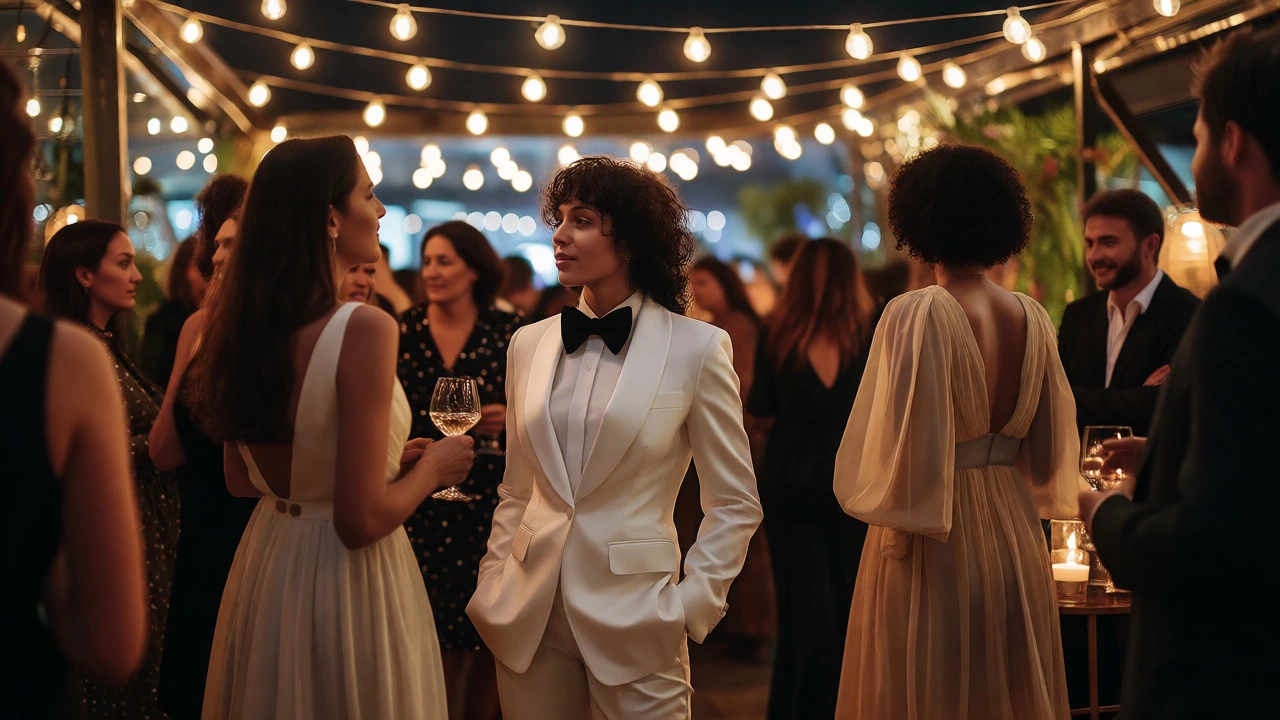
However, modern evenings are becoming more inclusive. We’re seeing more non-binary options, such as tailored jumpsuits and tuxedo suits for women. These offer the same level of formality without the constraints of a skirt. Comfort is also rising in priority. Designers are incorporating stretch fabrics into formal gowns, allowing guests to dance the night away without worrying about splitting a seam.
In New Zealand, our climate influences this too. Unlike colder climates where heavy velvet dominates winter galas, Auckland events often call for breathable silks and linens, even in the evening. Don’t force yourself into a heavy coat indoors just because it’s "formal." Adjust to the venue.
How to Style Your Evening Look
You bought the dress. Now what? Styling is half the battle. Evening wear requires a different approach to accessories than daytime outfits.
- Jewelry: Go bold or go home. Since evening dresses are often simple in cut, statement earrings or a chunky necklace add interest. If the neckline is high, skip the necklace and focus on earrings.
- Shoes: Heels are standard, but block heels or embellished flats are acceptable if comfort is key. Ensure your shoes match the formality level. Sneakers are generally out, unless it’s a very trendy, high-fashion event.
- Bags: Ditch the tote. Carry a clutch or a small crossbody bag. Large handbags ruin the silhouette of a fitted gown.
- Hair and Makeup: Updos keep the neck clean and highlight earrings. Down hair works well with strapless or off-shoulder designs. Makeup should be slightly heavier than daytime looks to stand out against the dim lighting.
Remember the rule of balance. If your dress is heavily beaded, keep jewelry minimal. If your dress is plain, let your accessories shine. You don’t want to compete with your own outfit.
Pitfalls to Avoid
Even experienced fashion lovers make mistakes. Here are the most common ones when wearing evening attire:
- Wrinkles: Nothing kills elegance faster than a wrinkled gown. Steam your dress before leaving the house. If you travel with it, hang it in the bathroom while you shower to release creases.
- Wrong Length: For Black Tie, ankle-length is usually too short. Aim for floor-grazing. For Cocktail, knee-length is safe. Mid-calf can be tricky depending on the shoe choice.
- Undergarments Showing: Use seamless underwear and shapewear if needed. Visible bra straps or panty lines distract from the sleekness of the fabric.
- Ignoring Footwear Prep: Break in your shoes. Blisters will ruin your night. Bring blister plasters just in case.
Another subtle mistake is scent. Evening spaces are enclosed and intimate. Heavy perfume can be overwhelming. Opt for lighter fragrances or apply sparingly.
Final Thoughts on Confidence
Ultimately, an evening dress is a tool. It helps you communicate respect for the host and the event. But the best accessory is confidence. If you feel uncomfortable in a tight corset, choose a relaxed fit. If you hate heels, find elegant flats. Fashion rules are guidelines, not laws. The goal is to feel like the best version of yourself, ready to enjoy the night.
Next time you get an invite, read the code carefully. Check the venue. Consider the season. Then pick the piece that makes you feel powerful. That’s what evening dress is really about.
Is a cocktail dress considered evening wear?
Yes, but with caveats. Cocktail attire is a subset of evening wear suitable for semi-formal events. However, for strict "Black Tie" or "White Tie" events, a cocktail dress may be too casual. Always check the specific invitation wording.
Can I wear pants to an evening event?
Absolutely. Tailored tuxedo suits, wide-leg trousers with silk blouses, and elegant jumpsuits are widely accepted forms of evening wear for all genders, provided they are made from formal fabrics and styled appropriately.
What is the difference between a gown and a dress?
In formal contexts, a "gown" typically refers to a full-length, highly formal evening dress, often featuring intricate detailing or luxurious fabrics. A "dress" is a broader term that includes casual, daytime, and semi-formal options. All gowns are dresses, but not all dresses are gowns.
Do I need to wear gloves with an evening dress?
Gloves are primarily reserved for White Tie events. For Black Tie and below, gloves are optional and often considered old-fashioned unless part of a specific vintage-themed event. If worn, they should be removed during dinner and dancing.
How do I choose the right color for an evening event?
Dark, rich colors like navy, emerald, plum, and black are safest and most flattering under artificial lighting. Metallics like gold and silver are great for parties. Avoid bright neons or pastels unless the event specifies a garden or daytime theme.