Sports Apparel Decoder
Confused by terms like "Activewear," "Athleisure," or "Performance Gear"? Answer these three questions to find the right category for your needs.
You’re standing in a retail store or scrolling through an online catalog, looking for clothes you can sweat in without ruining them. You type "sports apparel" into the search bar, but the results feel slightly off. Maybe you see formal tennis whites when you wanted gym shorts, or casual joggers when you needed compression tights. The confusion stems from a simple fact: sports apparel isn't just one thing. It’s an umbrella term that covers everything from high-tech marathon gear to the hoodie you wear to grab coffee.
If you’ve ever wondered why some brands call it "activewear," others say "athleisure," and still others stick with "performance gear," you aren’t alone. These terms are often used interchangeably in marketing, but they mean different things to designers, athletes, and shoppers. Understanding the nuances helps you buy better, dress smarter, and avoid wasting money on clothes that don’t fit your lifestyle.
The Core Definition: What Counts as Sports Apparel?
Sports apparel is clothing designed specifically for physical activity, prioritizing function, durability, and comfort over pure aesthetics. While traditional fashion focuses on how something looks, sports apparel focuses on how it performs during movement. This category includes items like running shoes, yoga pants, basketball jerseys, and hiking boots.
But here’s where it gets tricky. The line between "sporting goods" and "fashion" has blurred. In the 1990s, if you wore gym clothes outside the gym, people assumed you were heading to or coming from a workout. Today, wearing leggings to brunch is standard. This shift created a need for more specific vocabulary. When someone asks, "What is another name for sports apparel?", they are usually trying to distinguish between clothes meant for actual exercise and clothes meant to look like you exercise.
Activewear: The Functional Synonym
The most direct synonym for sports apparel is activewear. Unlike general sportswear, which might include team uniforms or protective equipment, activewear refers specifically to clothing engineered for active movement. Think moisture-wicking fabrics, four-way stretch materials, and ergonomic seams.
When brands use the term "activewear," they are signaling utility. If you are buying for a CrossFit class, a morning run, or a Pilates session, you want activewear. It’s not about looking cool; it’s about staying dry and moving freely. Major players like Nike Pro, Under Armour HeatGear, and Lululemon Align line fall strictly into this bucket. They are technical garments first, fashion items second.
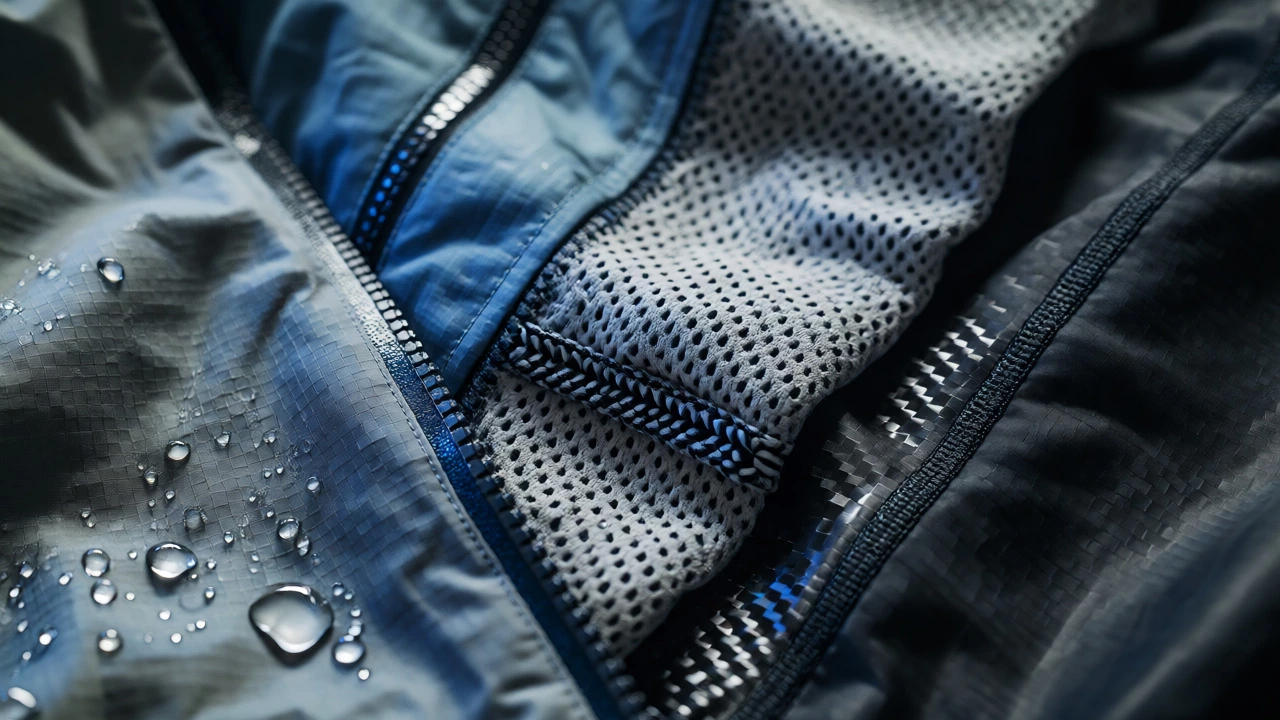
Why does this distinction matter? Because if you buy "fashion sportswear" for a heavy workout, you might end up chafing, overheating, or tearing a seam. Activewear solves these problems through fabric technology. For example, polyester blends with spandex allow for stretch, while mesh panels provide ventilation. If your goal is performance, ignore the trendy cuts and look for the word "active" or "technical" in the description.
Athleisure: Where Sport Meets Street Style
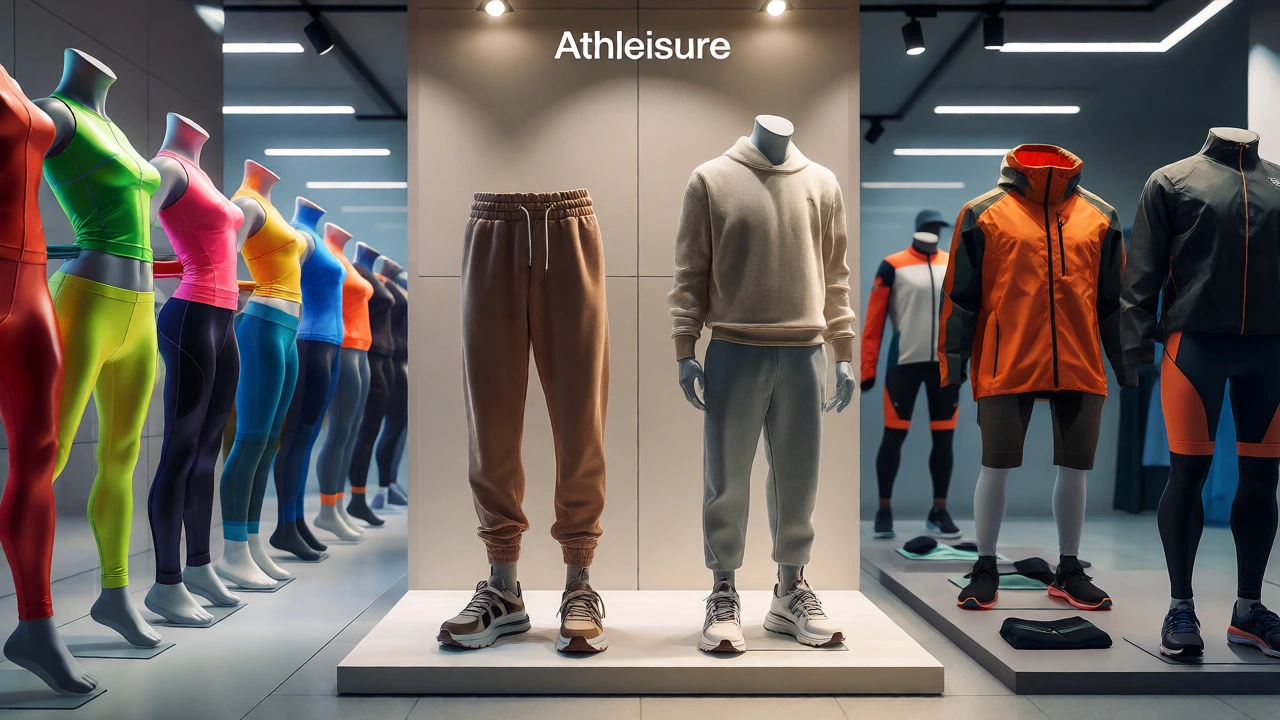
If activewear is for the gym, athleisure is a trend where athletic clothing is worn in non-athletic settings for comfort and style. Coined in the mid-2010s, this portmanteau of "athletic" and "leisure" changed the retail landscape forever. Brands like Adidas Originals, Fila, and Gucci’s sporty lines capitalize on this hybrid category.
Athleisure is less about wicking sweat and more about versatility. Can you wear these joggers to a casual office meeting? Do these sneakers match your jeans? That’s the athleisure test. The materials are often softer-think cotton blends or brushed fleece-rather than the slick synthetics found in true performance gear. Comfort is the primary driver here, not biomechanics.
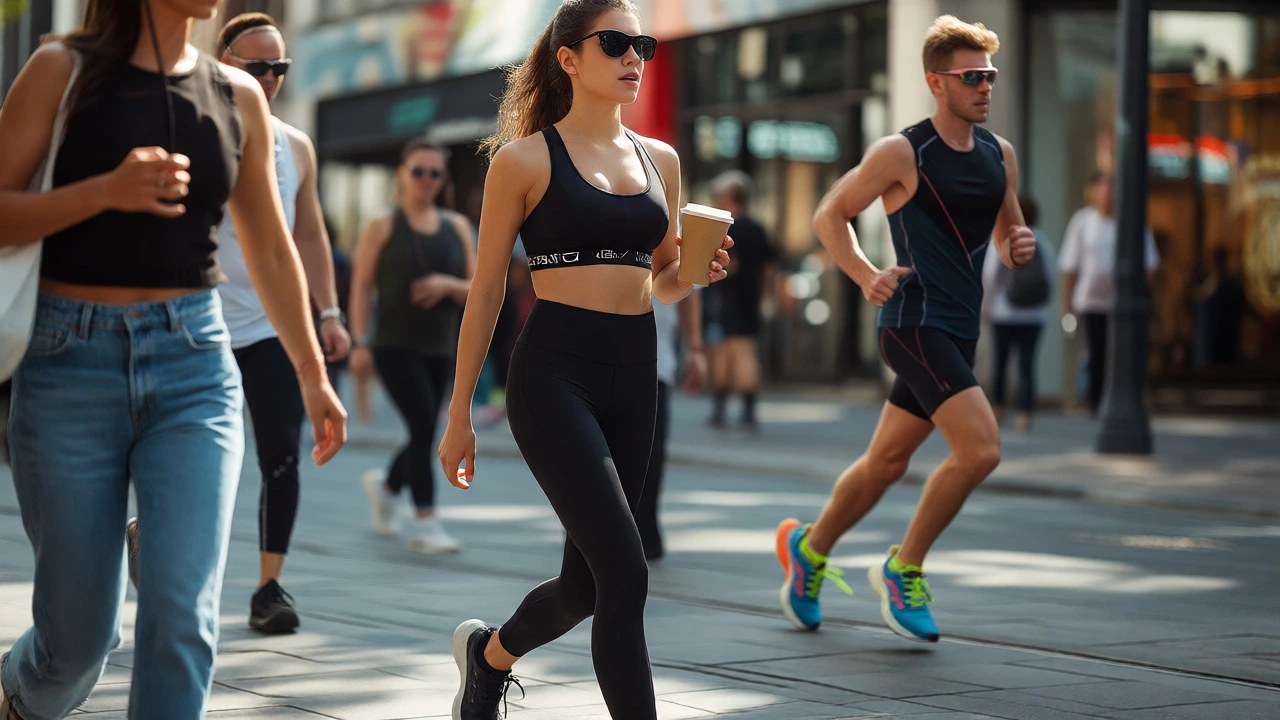
This is likely the answer you’re looking for if you’re shopping for everyday wear. Many consumers confuse the two because the visual difference is minimal. A pair of black leggings can be both. However, the construction differs. True athleisure pieces often lack the reinforced stitching or odor-resistant treatments found in dedicated activewear. If you plan to sit at a desk all day, athleisure is fine. If you plan to sprint intervals, stick to activewear.
Performance Gear and Technical Wear
For serious athletes, "sports apparel" feels too broad. They prefer terms like performance gear or technical wear. These labels indicate specialized engineering for specific environmental conditions or sports demands.
Consider skiing. You wouldn’t call a ski jacket "sports apparel" in a casual conversation; you’d call it outerwear or technical layering. Similarly, cycling kits are designed with aero-dynamics in mind, featuring skin-tight fits to reduce wind resistance. Swimming suits use hydrophobic coatings to repel water. Each of these sub-categories has its own jargon:
- Compression Wear: Tight-fitting garments that improve blood flow (e.g., compression socks).
- Base Layers: The first layer against your skin, focused on temperature regulation.
- Shell Jackets: Outer layers designed for weather protection (windproof/waterproof).
- Kit: Common in team sports like soccer or rugby, referring to the full uniform set.
If you are searching for clothes for a specific extreme condition-like trail running in mud or swimming in cold water-use these precise terms. Generic searches for "sports clothes" will flood you with irrelevant options.
Regional and Industry Variations
Language changes across borders. In the United Kingdom and parts of Europe, you’ll often hear the term tracksuit used loosely to describe any warm-up gear, though technically it refers to a matching jacket and trousers made of wool or synthetic fiber. In Australia and New Zealand, "joggers" is a common colloquialism for sweatpants, regardless of whether you are actually jogging.
In professional retail contexts, buyers might refer to categories by their supply chain origin. "Private label" sportswear means the retailer manufactured the brand themselves (like Amazon Essentials or Walmart’s Athletic Works). "National brands" refer to major manufacturers like Puma or Reebok. Knowing this helps if you are comparing prices or quality expectations.
| Term | Primary Purpose | Typical Materials | Best Use Case |
|---|---|---|---|
| Sports Apparel | Broad Category | Varied (Cotton to Synthetics) | General reference to athletic clothing |
| Activewear | Function & Movement | Polyester, Spandex, Nylon | Gym workouts, running, yoga |
| Athleisure | Comfort & Style | Cotton Blends, Fleece, Jersey | Errands, casual work, travel |
| Performance Gear | Specialized Utility | Merino Wool, Gore-Tex, Carbon Fiber | Hiking, cycling, winter sports |
How to Choose the Right Term for Your Search
So, what should you type into Google or a store app? It depends entirely on your intent. Here is a quick decision tree:
- Are you sweating? Use "Activewear" or "Gym Clothes." Look for keywords like "moisture-wicking," "breathable," and "stretch."
- Are you lounging? Use "Athleisure" or "Loungewear." Look for "soft," "cozy," and "casual."
- Are you competing? Use "Team Kit," "Uniform," or specific sport names (e.g., "Soccer Cleats").
- Are you braving the elements? Use "Technical Outerwear" or "Performance Base Layers."
Don’t let marketing buzzwords fool you. A $100 pair of leggings labeled "luxury athleisure" might perform worse than a $30 pair of "basic activewear" if the expensive pair uses thick cotton that absorbs sweat rather than expelling it. Always check the fabric composition tag. If it says 100% Cotton, it’s leisure. If it says 85% Polyester, 15% Elastane, it’s likely active.
The Future of Naming: Sustainable and Smart Fabrics
As we move further into 2026, new terms are emerging. "Eco-active" or "sustainable sportswear" highlights materials made from recycled ocean plastics or organic cotton. Brands are also introducing "smart apparel," which integrates sensors to track heart rate or muscle activity. If you are tech-savvy, searching for "connected sportswear" might yield interesting results, though these products remain niche.
Ultimately, the name matters less than the fit and function. Whether you call it sportswear, activewear, or performance kit, the goal is the same: clothing that supports your body while you move. By understanding these distinctions, you stop guessing and start choosing with confidence.
Is sportswear the same as activewear?
Not exactly. Sportswear is a broader category that includes all clothing related to sports, including team uniforms and casual fan merchandise. Activewear is a subset specifically designed for performing exercises, focusing on technical features like moisture management and flexibility.
Can I wear athleisure for intense workouts?
It depends on the material. Traditional athleisure often uses cotton blends which absorb sweat and become heavy. For intense cardio or HIIT, true activewear with synthetic, wicking fabrics is superior. However, modern high-end athleisure increasingly uses performance fabrics, so always check the care label.
What is the difference between tracksuits and sweats?
A tracksuit typically consists of a zip-up jacket and matching pants, originally designed for warming up before athletic events. Sweats (or sweatpants) are generally looser, made of heavier fleece or terry cloth, and intended for comfort and warmth rather than athletic performance.
Why do brands use different names for similar products?
Brands use different terminology to target specific consumer psychographics. "Performance" appeals to athletes seeking data and results. "Athleisure" appeals to lifestyle consumers valuing comfort and style. Marketing language helps segment the market and justify price points based on perceived value.
Is 'kit' only used for team sports?
Primarily, yes. "Kit" refers to the complete set of clothing and accessories required for a specific sport, such as a soccer kit (jersey, shorts, socks). Individual athletes rarely use the term unless they are part of an organized league or club structure.