Evening Dress Code Decoder
Select your event type and gender to see exactly what to wear, what to avoid, and key styling tips.
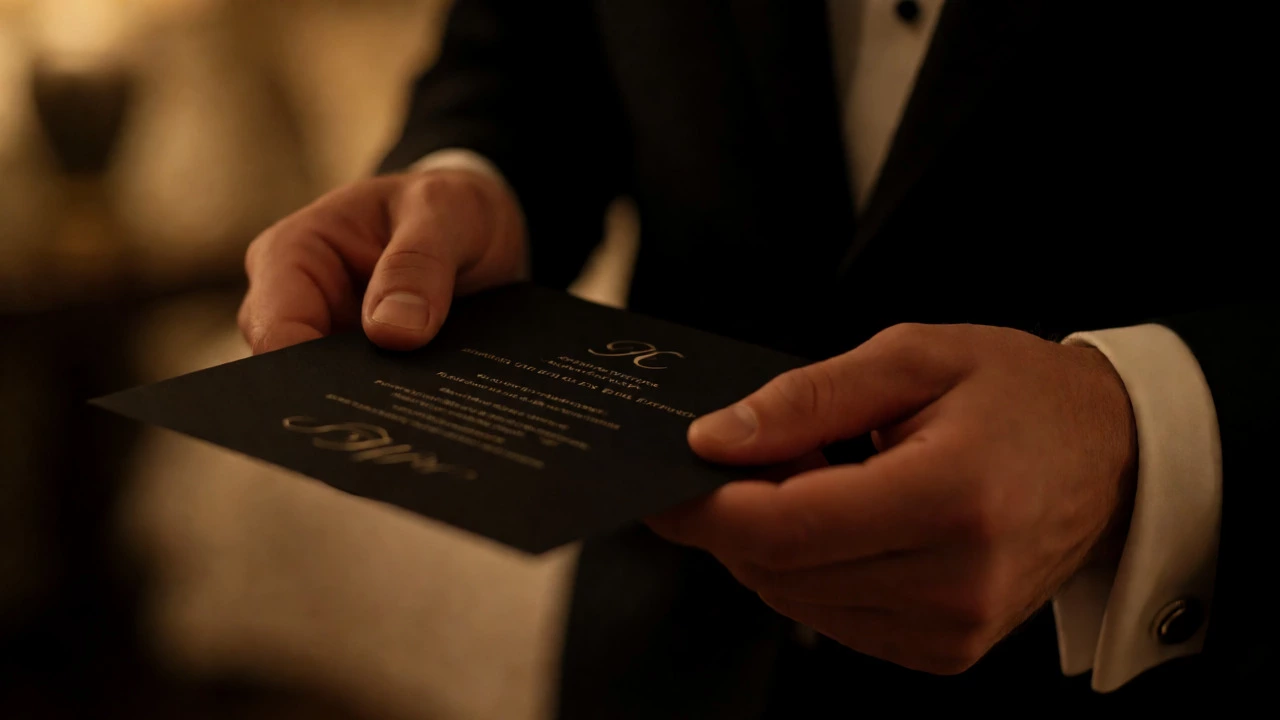
You’re staring at the invitation. It says "Evening Dress." You panic slightly because you know it’s not just "wear a suit," but you aren’t entirely sure what separates a tuxedo from a three-piece suit or why your friend said you can’t wear jeans even if they are dark blue. This is one of the most common fashion confusions out there. The term Evening Dress is an umbrella term that covers everything from the stiffest white-tie affairs to relaxed smart-casual dinners, but in strict etiquette terms, it usually signals high formality.
Getting this wrong feels awkward. Showing up in a standard business suit when everyone else is in velvet jackets feels underdressed. Wearing a floor-length ballgown to a semi-formal rooftop bar makes you look like you’re going to prom. The goal here isn't to memorize every rule of aristocratic etiquette from the 1920s. It’s about understanding the hierarchy of formality so you can feel confident, comfortable, and appropriate. Let’s break down exactly what these codes mean, who wears them, and how to nail the look without overspending or overthinking.
The Hierarchy of Formality: Decoding the Invitation
Before you pick an outfit, you need to decode the specific wording on the invite. Not all "evening" events are created equal. There is a clear ladder of formality, and knowing where your event sits on that ladder saves you from major style blunders. The three main tiers you’ll encounter are White Tie, Black Tie, and Cocktail Attire (often labeled as Semi-Formal).
White Tie is the most formal dress code possible. Think state dinners, royal weddings, or Nobel Prize banquets. For men, this means a tailcoat with satin lapels, a white wing-collar shirt, and a white bow tie. For women, it requires a full-length ball gown, often with gloves and elaborate jewelry. If you see "White Tie," do not improvise. A tuxedo is technically incorrect here, though rarely called out in modern times unless you’re at a very traditional European gala.
Black Tie is the gold standard for evening dress code. This is what most people mean when they say "formal evening wear." For men, this strictly means a tuxedo (dinner jacket) with satin or grosgrain lapels, matching trousers with a satin stripe, a formal white shirt with studs, and a black bow tie. Long ties are generally frowned upon in strict Black Tie settings. For women, Black Tie calls for long evening gowns, though sophisticated cocktail dresses that hit below the knee are increasingly acceptable in less rigid circles.
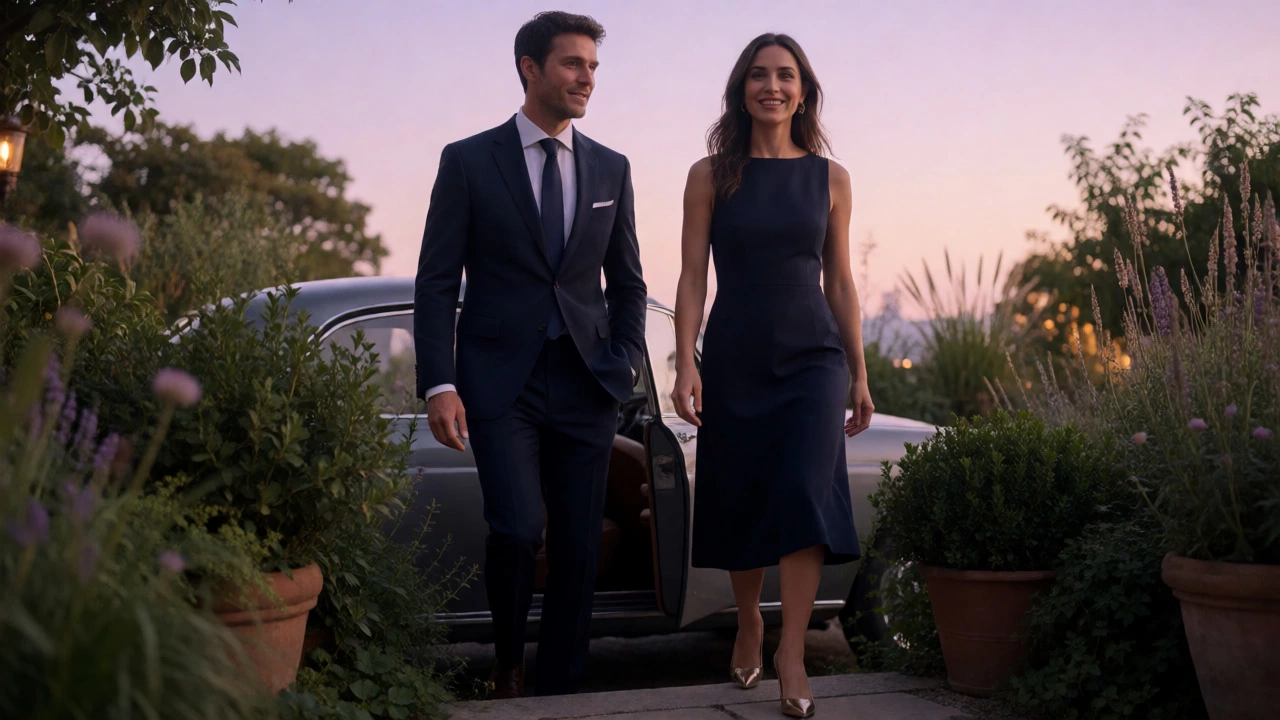
Cocktail Attire is where things get flexible. This is "semi-formal" evening wear. Men can wear a well-tailored dark suit-navy, charcoal, or black-with a crisp shirt and a silk tie. No tuxedo required. Women have more freedom here: little black dresses, midi lengths, or chic jumpsuits are perfect. The key word is "polished." If you look like you could go straight to the office afterward, you might be too casual.
Men’s Evening Wear: Beyond the Business Suit
Many men assume their best work suit works for evening events. It doesn’t. A business suit is designed for daylight, fluorescent lighting, and boardrooms. Evening wear is designed for dim lights, candlelight, and social interaction. The biggest difference lies in the fabric and details.
If the code is Black Tie, you need a tuxedo. If you don’t own one, renting is perfectly fine and expected. When renting, check the fit immediately. A tuxedo that bunches at the shoulders or drags at the hem looks sloppy regardless of price. Look for a dinner jacket with peak lapels-they look sharper and more traditional than shawl collars for first-time wearers. Pair it with patent leather shoes. Oxfords are okay, but patent leather oxfords or opera pumps are the classic choice. Avoid brown shoes; they clash with the stark contrast of a tuxedo.
For Cocktail or Semi-Formal events, a dark suit is your best friend. Navy is versatile and flattering on almost everyone. Charcoal is serious and elegant. Black suits can sometimes look like funeral attire or security guards if not styled carefully, so add texture-a subtle weave or a patterned pocket square helps. Skip the bright ties. Stick to deep reds, burgundies, navy, or silver. And please, take off your watch if it’s a bulky sports model. A simple dress watch or no watch at all keeps the focus on your outfit.
Women’s Evening Wear: Gowns, Hemlines, and Fabrics
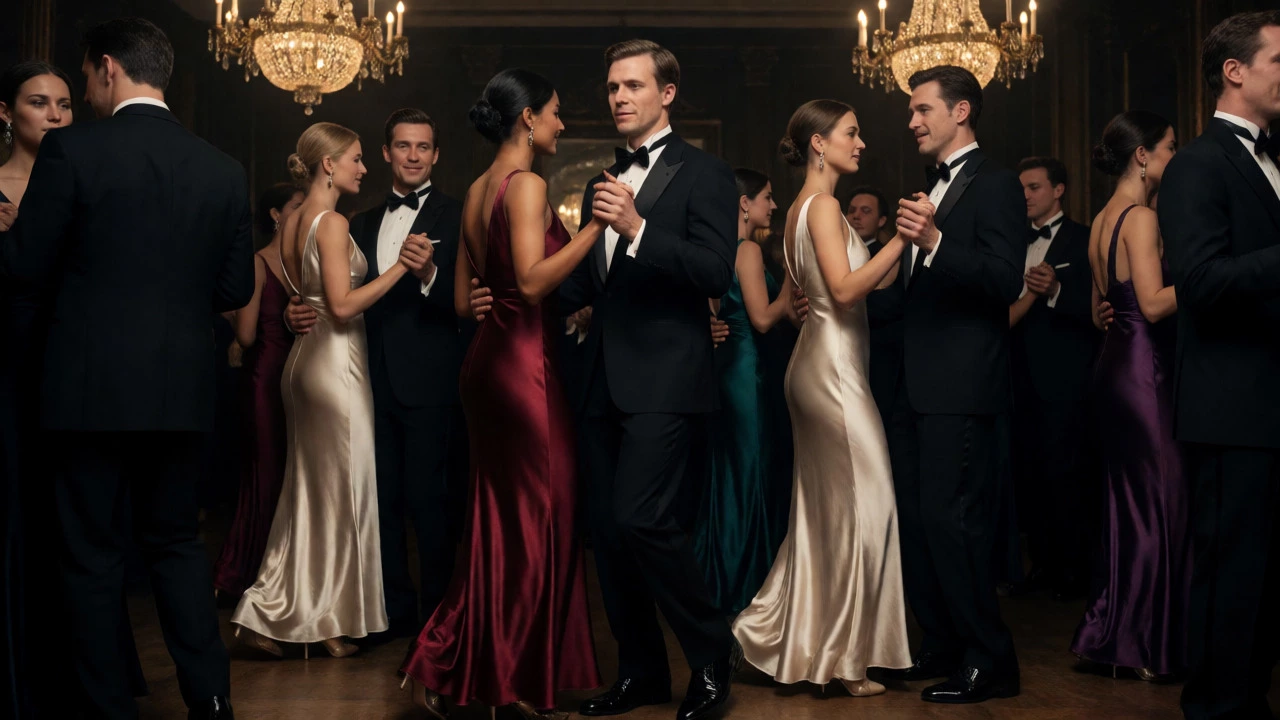
Women’s evening dress code is arguably more nuanced because there are more options. However, the rules of proportion and fabric remain constant. Evening fabrics catch light differently than day fabrics. Silk, satin, velvet, chiffon, and lace are staples. Cotton and linen usually feel too casual unless cut in a highly structured, architectural way.
Hemlines matter. In strict Black Tie, ankle-length or floor-length gowns are the norm. You want the fabric to pool slightly around your feet. For Cocktail, knee-length or midi lengths are safe bets. If you choose a mini dress for a cocktail event, make sure the rest of the look is elevated-think heels, statement earrings, and a clutch. Avoid open-toe sandals if the weather is cold or the venue is outdoors; closed-toe pumps or strappy heels are safer choices.
Accessories complete the look. For White Tie, gloves are optional but elegant. For Black Tie, keep jewelry bold but not noisy. You don’t want your necklace clinking against your wine glass. For Cocktail, you can play with trends. Metallic heels, colorful clutches, or bold makeup can define your personal style within the code. One common mistake? Over-accessorizing. If your dress has heavy embellishments, skip the necklace. Let the dress breathe.
Common Pitfalls and How to Avoid Them
Even with good intentions, people make mistakes. Here are the most frequent errors we see at Auckland events and elsewhere.
- Wearing Brown Shoes with Black Tie: This is the number one faux pas for men. Brown leather absorbs light; black patent reflects it. In a low-light setting, brown shoes look muddy next to black trousers.
- Ignoring the Venue: A garden party at 6 PM is different from a city hotel ballroom at 8 PM. Check the location. If it’s grass, avoid stilettos. If it’s a historic building with drafty halls, bring a wrap or coat that complements the outfit.
- Under-dressing the Accessories: You can wear a simple black dress, but if you pair it with sneakers and a backpack, you’ve broken the code. Evening wear requires intentional accessories. A structured handbag replaces the tote. Heels replace flats (unless you’re tall or prefer comfort, in which case, opt for sleek loafers).
- Thinking "Smart Casual" Equals "Evening": Smart casual is daytime friendly. Evening dress code demands more polish. Dark jeans are borderline for semi-formal, but never for Black Tie.
Quick Reference: What to Wear by Code
To make this easy, here is a breakdown of the essential elements for each major evening dress code. Use this table as a checklist before you leave the house.
| Dress Code | Men's Essentials | Women's Essentials | Shoes | Notes |
|---|---|---|---|---|
| White Tie | Tailcoat, white vest, white bow tie, wing collar | Floor-length ball gown, gloves, tiara (optional) | Patent leather oxfords / Opera pumps | Most formal. Rare outside galas. |
| Black Tie | Tuxedo (dinner jacket), black bow tie, cummerbund or waistcoat | Long evening gown or formal cocktail dress | Patent leather oxfords / High heels | Standard formal evening wear. |
| Cocktail | Dark suit, silk tie, dress shirt | Knee-length or midi dress, chic jumpsuit | Polished leather shoes / Heels or dressy flats | Semi-formal. Room for personality. |
| Smart Casual | Blazer, chinos or dark jeans, no tie | Day dress, skirt and blouse, nice trousers | Loafers, clean sneakers, boots | Not true evening wear, but common for early events. |
Final Thoughts: Confidence is Key
At the end of the day, dress codes are guidelines, not laws written in stone. Etiquette experts agree that being slightly overdressed is always better than being underdressed. If you’re unsure between Cocktail and Black Tie, lean toward Black Tie. You can always remove a tie or loosen a collar later. But you can’t magically grow a tuxedo lapel mid-party.
Remember, the purpose of evening dress is to signal respect for the occasion and the host. It’s part of the shared experience. When you follow the code, you blend in seamlessly, allowing the conversation and the atmosphere to take center stage. So next time you see "Evening Dress" on an invite, don’t stress. Pick your tier, check your fit, polish your shoes, and enjoy the night.
Can I wear a regular suit to a Black Tie event?
Technically, no. Black Tie specifically requires a tuxedo (dinner jacket) with satin lapels. A regular business suit lacks the necessary sheen and detailing. However, in modern, less rigid settings, a very dark, well-tailored suit might pass, but it will still look less formal than the others. If you want to be correct, rent a tuxedo.
Is it okay to wear a short dress to an evening event?
It depends on the specific code. For White Tie and strict Black Tie, long gowns are expected. For Cocktail Attire, yes, short dresses are perfectly acceptable and often preferred. Just ensure the dress is made of evening-appropriate fabric (like silk or sequins) and paired with formal accessories.
What is the difference between Black Tie and Formal?
They are often used interchangeably, but "Black Tie" is more specific. It mandates a tuxedo for men. "Formal" is broader and can sometimes allow for a dark suit instead of a tuxedo, depending on the region and host preference. When in doubt, ask the host or assume Black Tie.
Can I wear brown shoes with a black tuxedo?
No. Traditional etiquette dictates black patent leather shoes for a black tuxedo. Brown shoes disrupt the monochromatic elegance of the tuxedo. If you must wear leather, ensure it is polished black. Patent leather is the safest and most correct choice.
Do I need to wear a tie to a Cocktail event?
For men, a tie is recommended but not always mandatory. A well-fitted blazer with a dress shirt and no tie can work for relaxed cocktail parties. However, adding a tie instantly elevates the look and ensures you meet the "dressy" criteria. If the event is indoors and upscale, wear the tie.