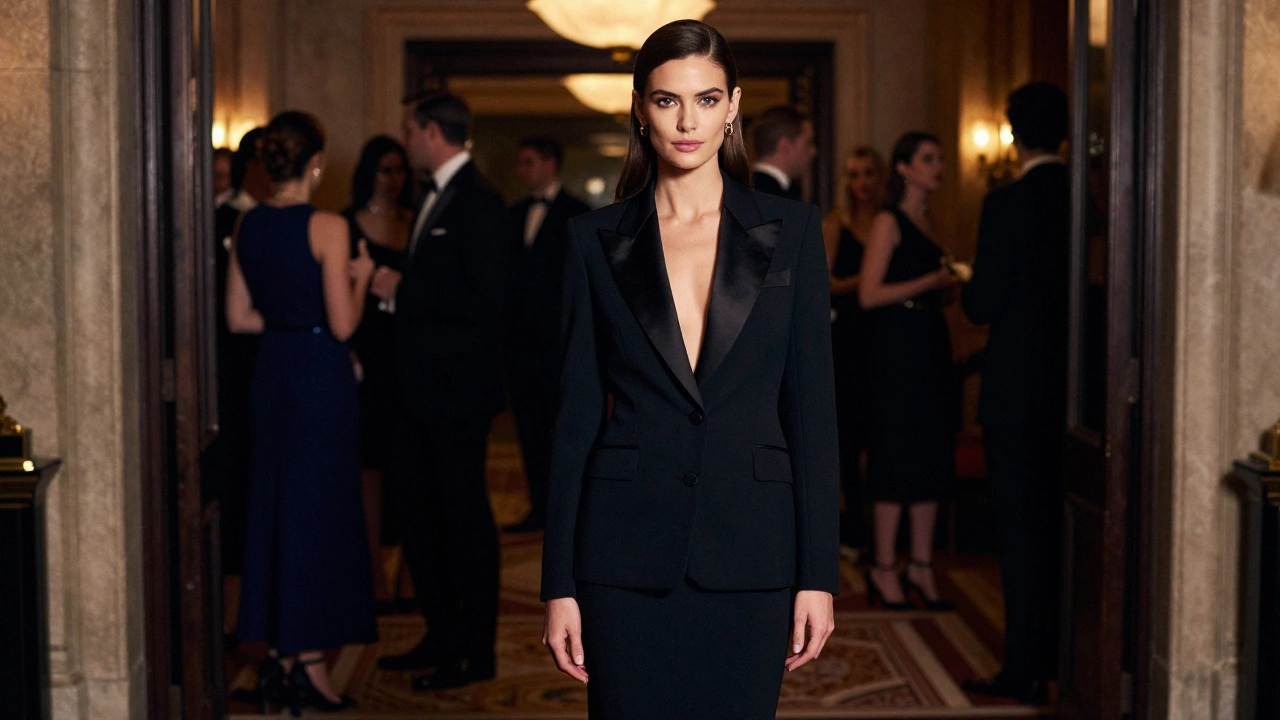
Walking into a room where everyone is dressed sharply while you feel underdressed is a universal nightmare. You check your invitation, see the words "black tie" or "formal," and suddenly realize that jeans are definitely not an option. But what exactly counts as evening wear? It’s more than just putting on something shiny; it’s about understanding the unspoken rules of social dressing so you can walk in with confidence.
Evening wear refers to clothing designed for events held after sunset, typically involving formal or semi-formal gatherings like galas, weddings, operas, or high-end dinners. The definition shifts depending on the event's strictness, but the core principle remains: elegance over casual comfort. If you’re trying to figure out what to wear to your first charity ball or a friend’s wedding reception, this guide breaks down the specific styles, fabrics, and silhouettes that define proper evening attire.
The Spectrum of Formality: From Cocktail to White Tie
Not all evening events are created equal. The term "evening wear" covers a wide range of formality levels. Misinterpreting the dress code is the most common mistake people make. Here is how the hierarchy works, from least to most formal.
Cocktail Attire is the most flexible category. Think of it as "dressy but fun." For women, this usually means a knee-length dress (a "little black dress" is the classic example) or a sophisticated jumpsuit. Fabrics like silk, satin, or lace work well. Men typically wear a dark suit with a tie, though a bow tie adds a nice touch of flair. This is perfect for birthday parties, engagement celebrations, or upscale restaurant dates.
Semi-Formal / Dressy Casual sits just below cocktail. It allows for a bit more personality. Women might opt for a midi skirt with a blouse or a less structured dress. Men can wear a sport coat with slacks. The key here is looking put-together without appearing stiff.
Black Tie is where things get serious. This is the standard for weddings, galas, and award ceremonies. For women, this means floor-length gowns, though a very elegant cocktail dress can sometimes pass if the event is modern. Think velvet, heavy silk, or chiffon. Jewelry should be noticeable but not overwhelming. Men are expected to wear a tuxedo: black jacket with satin lapels, white dress shirt, black bow tie, and patent leather shoes. No deviations allowed unless specified.
White Tie is the pinnacle of evening wear. It is rare today, reserved for state dinners, royal events, or extremely traditional opera openings. Women must wear full-length ball gowns with gloves. Men wear tailcoats, white waistcoats, and white bow ties. If you see "white tie" on an invite, do not guess-follow the rules strictly.
Classic Examples of Women’s Evening Wear
When people ask for an example of evening wear, they are usually looking for visual cues. Here are the most iconic styles that never go out of fashion.
The Little Black Dress (LBD) is the ultimate chameleon. Originally popularized by Coco Chanel in the 1920s, it remains the safest bet for cocktail and semi-formal events. The magic lies in the accessories. Add diamond studs and strappy heels for a gala; swap them for bold earrings and ankle boots for a dinner party. A well-fitted LBD in a matte fabric like crepe or jersey looks expensive because of its simplicity.
The Slip Dress has made a massive comeback. Made from silk or satin, these bias-cut dresses hug the body and drape beautifully. They look effortless yet luxurious. Because they are often sheer or thin, layering is key-a delicate gold necklace or a tailored blazer thrown over the shoulders adds structure. This style works best for summer evenings or indoor events with controlled temperatures.
The Gown with a Train is the statement piece. Whether it’s a mermaid silhouette that hugs the hips before flaring out, or an A-line empire waist that flows freely, a floor-length gown commands attention. Modern examples often feature open backs, high slits, or asymmetrical hems to keep the look contemporary rather than costume-like.
Jumpsuits and Trousers are no longer just for daywear. A wide-leg jumpsuit in emerald green velvet or midnight blue silk is a powerful alternative to a dress. It offers comfort and mobility while maintaining a sharp, tailored appearance. Pair it with metallic heels and structured handbags to elevate the look.
Men’s Evening Wear Essentials
While women have endless options, men’s evening wear follows stricter guidelines. However, mastering the basics ensures you always look appropriate.
The Tuxedo is non-negotiable for black-tie events. Key details include satin or grosgrain lapels (peak or shawl), matching trousers with a satin stripe down the side, and a marcella (pleated) front shirt. The bow tie must be black, and cummerbunds or waistcoats should match the lapel material. Avoid wearing a regular necktie with a tuxedo-it signals a misunderstanding of the dress code.
The Dark Suit serves for cocktail or semi-formal occasions. Navy, charcoal, or black wool suits are ideal. Pair with a crisp white or light blue dress shirt and a silk tie. Loafers or oxfords in polished leather complete the ensemble. The goal is clean lines and minimal distraction.

Fabrics That Signal "Evening"
You can tell if an outfit is evening-appropriate by touching the fabric. Daywear uses cotton, denim, and linen. Evening wear relies on materials that catch light and drape softly.
- Silk and Satin: Reflect light subtly, adding a glow to the skin. Ideal for slip dresses and linings.
- Velvet: Rich and textured, perfect for winter evenings. It absorbs light, creating depth and luxury.
- Chiffon and Georgette: Flowing and ethereal, great for layered skirts and romantic silhouettes.
- Lace: Adds intricacy and vintage charm. Best used as overlays or accents rather than full coverage.
- Crepe: Matte and structured, excellent for tailored sheath dresses that need to hold their shape.
Avoid synthetic fabrics that shine too brightly (like cheap polyester sequins) unless they are part of a deliberate design choice. Natural fibers or high-quality blends breathe better and look more expensive under venue lighting.
Accessories: The Final Touch
Your outfit is only half the battle. Accessories bridge the gap between "nice" and "evening-ready."
Footwear matters. Strappy sandals, stilettos, or embellished flats work for women. Men should stick to patent leather oxfords or loafers. Comfort is important-you’ll likely be standing or dancing-but prioritize elegance over sneakers.
Jewelry should complement, not compete. If your dress has a detailed neckline, skip the necklace and focus on earrings. For simple necklines, a statement pendant or choker draws the eye up. Pearls, diamonds, and gold remain timeless choices.
Clutches replace daytime bags. Small, structured, or metallic clutches hold essentials without dragging down your silhouette. Avoid large totes or backpacks-they break the formal aesthetic.
If you are traveling internationally for such events, say, to Central Asia, local nuances may apply. For instance, in cities like Almaty or Astana, modesty standards might influence sleeve length or neckline depth even at formal gatherings. Researching local customs or checking resources like kizdar net can provide context on regional expectations and available services for visitors needing guidance on etiquette and bookings.

Common Mistakes to Avoid
Even experienced dressers slip up. Here are pitfalls to dodge:
- Wearing white to a wedding: Unless you’re the bride, avoid white ivory or cream. It photographs poorly against guests and steals focus.
- Over-accessorizing: One focal point is enough. Don’t stack bracelets, rings, and necklaces if your dress already has embellishments.
- Ignoring the season: Heavy velvet in July feels oppressive; lightweight chiffon in January feels inadequate. Match fabric weight to weather.
- Wrong shoe color: Nude shoes elongate legs for short dresses. Black shoes ground long gowns. Avoid bright colors unless they match an accent in your outfit.
- Last-minute dry cleaning disasters: Always prep your outfit days in advance. Stains or wrinkles ruin the illusion of effortlessness.
How to Build an Evening Wardrobe on a Budget
You don’t need a designer budget to look stunning. Start with versatile staples:
- Invest in one high-quality little black dress that fits perfectly.
- Add color through affordable accessories: scarves, belts, and jewelry.
- Shop sales for silk or satin pieces last season’s trends often carry over.
- Rent for one-off events: gowns and tuxedos can be rented for a fraction of retail cost.
- Learn basic alterations: hemming pants or taking in a waist makes off-the-rack items look custom.
Focus on fit over brand. A $50 dress tailored to your body looks better than a $500 dress that hangs loosely.
Can I wear a cocktail dress to a black-tie event?
It depends. Traditional black-tie requires floor-length gowns. However, many modern events allow elegant, knee-length cocktail dresses if they are made of luxe fabrics like silk or velvet and paired with sophisticated accessories. When in doubt, choose a longer hemline to be safe.
What is the difference between formal and black tie?
"Formal" is ambiguous and often means black tie, but sometimes it leans toward dark suits for men and long or fancy cocktail dresses for women. "Black tie" is specific: tuxedos for men, gowns for women. If an invite says "formal," check with the host or err on the side of black tie to avoid being underdressed.
Are jumpsuits acceptable as evening wear?
Yes, absolutely. Wide-leg jumpsuits in silk, satin, or velvet are widely accepted for cocktail and semi-formal events. Ensure the cut is tailored and pair with heels and structured jewelry to elevate the look. Avoid casual fabrics like denim or cotton.
What shoes should I wear with evening wear?
Women should opt for heels (strappy sandals, pumps) or elegant flats. Nude tones elongate legs for shorter dresses; black or metallic works for long gowns. Men should wear patent leather oxfords or loafers with tuxedos, and polished leather shoes with suits.
How do I know if an event is black tie optional?
"Black tie optional" means guests can choose between a tuxedo/gown or a dark suit/elegant cocktail dress. It gives flexibility but suggests leaning formal. If you own a tuxedo or gown, wear it. If not, a sharp dark suit or fancy dress is perfectly acceptable.