Cocktail Dress Code Checker for Women Over 50
Check Your Outfit
Your outfit meets the cocktail dress code
Your selection is appropriate for cocktail events after 50. It balances elegance with comfort and shows confidence.
When you’re invited to a cocktail event, the dress code isn’t just about looking fancy-it’s about feeling confident, comfortable, and respected. For women over 50, the cocktail dress code isn’t a one-size-fits-all rulebook. It’s a chance to show off your style, not shrink into trends that don’t fit your life or body. Many older women worry they’ll look out of place in a sea of younger guests, or worse, be judged for wearing something too bold or too safe. The truth? There’s no single right way to dress for cocktail events after 50-only the right way for you.
What Exactly Is a Cocktail Dress Code?
Cocktail attire sits between casual and formal. It’s not a ball gown, but it’s not jeans and a blouse either. Think polished, intentional, and slightly elevated. For women, that usually means a dress-short, knee-length, or just below the knee-that’s made with quality fabric and has some detail: lace, embroidery, a subtle sheen, or a flattering cut. It’s the kind of outfit you’d wear to a dinner party at a friend’s penthouse, a holiday office party, or a wedding reception at a city hotel.
For older women, the key is avoiding two extremes: overly tight, youthful styles that feel forced, and overly conservative outfits that make you feel invisible. The goal is elegance, not invisibility.
What Fabrics and Silhouettes Work Best?
Not all fabrics flatter every body type, especially as we age. Heavy, stiff materials like polyester blends can look cheap and cling in unflattering ways. Instead, reach for fabrics that move with you: silk, crepe, viscose, or a soft wool blend. These drape naturally, hide minor bulges, and catch light in a way that feels luxurious-not flashy.
When it comes to silhouettes, focus on structure without restriction. A-line dresses are a longtime favorite for good reason-they skim the hips and waist without squeezing. Empire waists (where the seam sits just under the bust) are excellent if you want to draw attention upward. Wrap dresses, especially those with a V-neck, create a flattering line that works for most body shapes and offer easy adjustability.
Avoid dresses that are too short (above mid-thigh) or too tight in the chest and arms. These can look unintentionally revealing or uncomfortable. Instead, opt for three-quarter sleeves or cap sleeves-they add polish without covering too much. If you prefer sleeveless, a structured bodice or a shawl collar can add coverage and sophistication.
Color Choices That Elevate, Not Age
There’s a myth that older women should stick to black, navy, or beige. That’s outdated. The right color can make you look radiant, not retired. Jewel tones like emerald, sapphire, and amethyst look stunning on mature skin tones. Deep burgundy, plum, and forest green add richness without being loud. Metallics like bronze, gold, or rose gold add glamour without looking costumey.
If you’re unsure, try colors that complement your undertones. If your veins look blue, you likely have cool undertones-go for blues, purples, and silvers. If they look greenish, you have warm undertones-try golds, oranges, and warm reds. Neutral tones like charcoal, camel, or taupe are safe and elegant when paired with a pop of color in jewelry or shoes.
White and cream can work too, but only if the fabric is substantial and the cut is refined. Avoid anything that looks like a bridesmaid dress or a party costume.
Accessories: Less Is More, But Make It Count
Accessories are your secret weapon. They’re how you turn a simple dress into a statement. A pair of elegant drop earrings, a delicate pendant necklace, or a structured clutch can make all the difference. Avoid chunky plastic jewelry or anything that jingles when you walk. Opt for real metals-gold, silver, or rose gold-even if they’re costume pieces with a high-quality finish.
Scarves can be a game-changer. A lightweight silk scarf tied around the neck or draped over your shoulders adds instant elegance and warmth. A tailored blazer in a matching or complementary color can transform a dress from day to night without needing to change outfits.
Shoes matter more than you think. Heels don’t have to be stilettos. A low block heel (1.5 to 2 inches) gives you height without pain. Nude or metallic pumps are versatile. If you prefer comfort, a sleek ankle boot with a low heel works if the style is clean and the material is luxe-no chunky soles or hiking vibes.
What to Avoid
Some trends are better left on the runway. Here’s what doesn’t work for cocktail events after 50:
- Extreme cut-outs or sheer panels-unless you’re going for a fashion-forward art exhibit, these can feel inappropriate or uncomfortable.
- Overly busy prints-florals are fine if they’re large and muted, but tiny polka dots or loud animal prints can look dated or chaotic.
- Too many layers-avoid pairing a dress with a bulky cardigan or a scarf that looks like it’s from your winter coat closet.
- Flats with no structure-unless they’re designer loafers or elegant ballet flats with a polished finish, avoid anything that looks like gym shoes.
- Outfits that scream “I’m trying too hard”-if you feel self-conscious walking in, it’s not the right fit.
Real Examples, Real Women
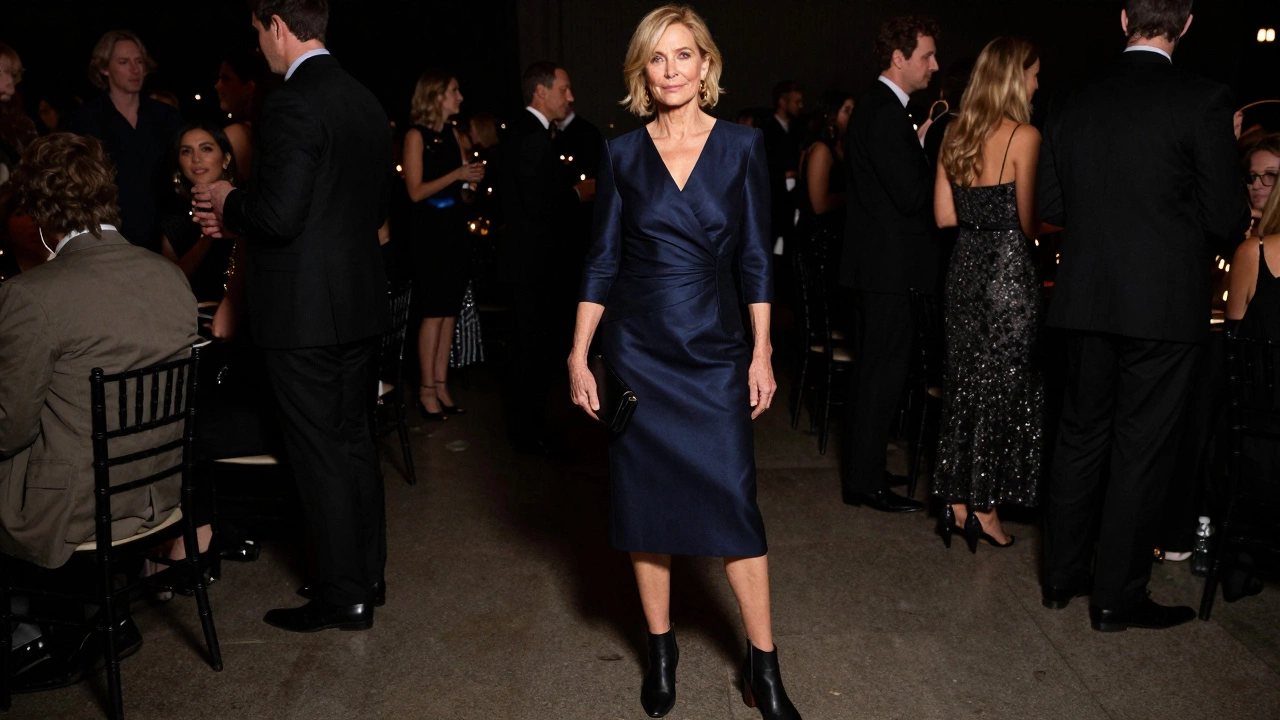
Take Margaret, 62, from Wellington. She was invited to a friend’s 30th wedding anniversary dinner. She chose a knee-length navy crepe dress with a V-neck and three-quarter sleeves. She paired it with gold hoop earrings, a small black clutch, and low block-heel ankle boots. She didn’t wear a necklace because the dress had a subtle beading at the neckline. She looked polished, timeless, and completely herself. No one commented on her age. Everyone commented on how elegant she looked.
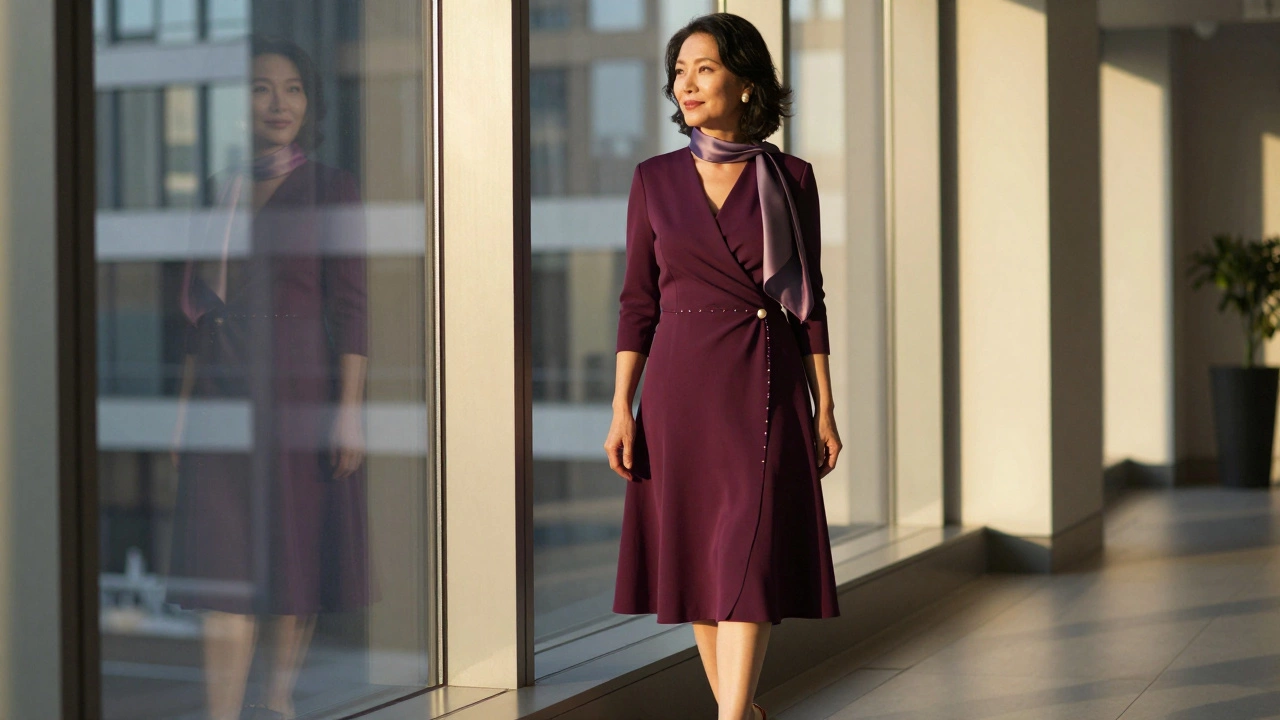
Or Helen, 58, from Christchurch. She avoided black because she felt it made her look too serious. She picked a deep plum wrap dress with a slight A-line skirt and a matching silk scarf. She wore her favorite pearl studs and a pair of low-heeled mules. She felt like the best version of herself-not like she was dressing for a costume party.
These women didn’t follow trends. They followed what felt right for their bodies, their lives, and their confidence.
Seasonal Adjustments
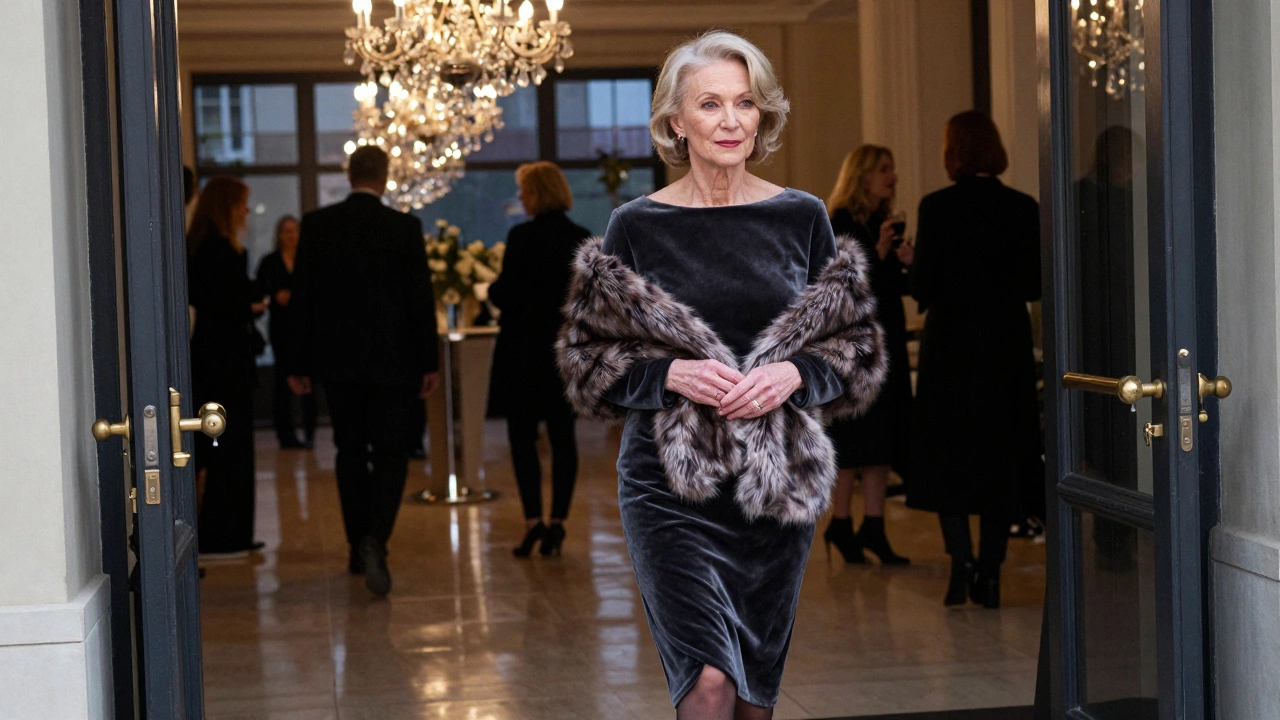
Cocktail attire changes with the season, and so should your choices. In summer, lightweight fabrics like linen blends or chiffon work well. A sleeveless sheath dress with a light shawl is perfect for a warm evening. In winter, layer with a tailored wool coat or a faux fur stole. A long-sleeve velvet dress in deep red or charcoal is ideal for colder months.
Don’t forget about temperature control. Many venues are over-air-conditioned. Bring a wrap or a stylish jacket you can slip on after dinner. It’s not about hiding-it’s about staying comfortable so you can enjoy the night.
Confidence Is the Best Accessory
At the end of the day, the most important part of cocktail attire isn’t the fabric, the color, or the heel height. It’s how you carry yourself. Women over 50 have lived through decades of fashion trends. They’ve seen what works and what doesn’t. That experience is your advantage.
Wear what makes you feel powerful. Not what you think you’re supposed to wear. Not what your daughter wears. Not what you saw on Instagram. What makes you feel like the most confident version of yourself.
That’s the real cocktail dress code.
Can I wear a long dress to a cocktail event?
Yes, but it depends on the event. A floor-length dress can work if it’s sleek, not overly formal, and made from lightweight fabric like silk or chiffon. Avoid ball gown silhouettes with heavy embellishments. A long, fitted sheath or a wrap-style maxi dress with a slit or open back can be elegant and appropriate. When in doubt, check the invitation for clues-"black tie optional" or "semi-formal" usually means a long dress is fine. "Cocktail attire" alone typically suggests knee-length, but exceptions exist.
Is it okay to wear pants to a cocktail event?
Absolutely. A tailored jumpsuit or wide-leg pantsuit in a luxe fabric like satin, velvet, or wool crepe is a stylish and modern alternative to a dress. Make sure the fit is sharp, the neckline is elegant, and the silhouette is polished. Pair it with heels or elegant flats. Many women over 50 find pants more comfortable and practical, especially if they’re on their feet a lot. The key is ensuring the overall look reads as intentional and refined-not casual.
What if I don’t like wearing heels?
You don’t need to wear heels. Many women over 50 choose low heels, block heels, or even elegant flats. Look for styles with a structured toe and a polished finish-no sneakers, flip-flops, or canvas shoes. Brands like Clarks, Ecco, and Cole Haan make stylish, supportive options that don’t look like orthopedic footwear. A pair of pointed-toe ballet flats in patent leather or suede can look just as sophisticated as a pump.
Should I avoid bright colors?
No. Bright colors can be incredibly flattering and energizing. The trick is choosing shades that suit your skin tone and keeping the rest of the outfit balanced. A bold red dress with minimal jewelry and nude heels looks powerful, not childish. A cobalt blue wrap dress with gold accessories reads as chic, not costume-y. If you’re unsure, start with one bright piece and keep the rest neutral. Confidence in color is more important than sticking to "safe" tones.
How do I know if a dress is too young for me?
Ask yourself: Does this dress make me feel like the best version of myself-or like I’m pretending to be someone else? If the dress has extreme cut-outs, neon colors, logos, or a silhouette that feels like it belongs on a 20-year-old, it’s probably not the right fit. Look for pieces that emphasize your strengths-your shoulders, your waist, your neckline-without trying to hide your age. A dress that fits well, feels comfortable, and reflects your personality is never too young. A dress that makes you feel awkward or self-conscious is too much, regardless of the trend.