Sportswear Style & Performance Finder
Fill in the details on the left to see if your outfit fits the bill.
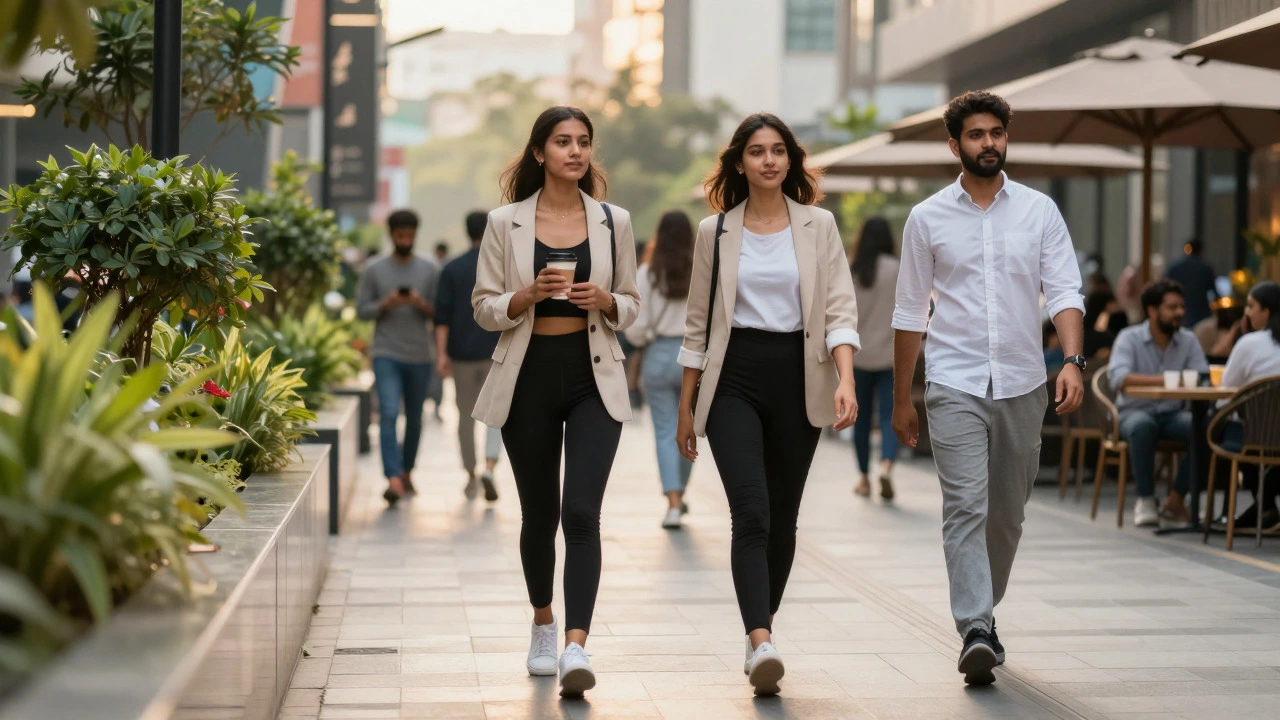
Walk into any city center today and you’ll see it: people in sweatpants running to coffee shops, joggers paired with blazers, and compression shirts under office jackets. It’s confusing, right? If you’re asking sportswear what its actual meaning is, you’re not alone. The term has drifted far from its original roots on the track or court. Today, it sits at the intersection of function, fashion, and identity. But what does it actually mean when we call something "sportswear"? Is it just clothes for exercise, or is there a deeper cultural shift happening?
Let’s clear up the fog. Sportswear isn’t just one thing anymore. It’s a spectrum. On one end, you have high-performance gear designed to help an athlete break a world record. On the other, you have comfortable, stylish pieces that double as everyday casual wear. Understanding this distinction is key to making sense of the modern wardrobe.
The Original Definition: Function First
To understand where we are, we have to look at where we started. Historically, Sportswear is clothing specifically designed for physical activity, prioritizing mobility, breathability, and durability over aesthetics. In the early 20th century, this meant heavy wool sweaters for rowers and simple cotton shorts for tennis players. The goal was singular: help the body move without restriction.
There was no pretense of style. If it looked good, that was a bonus. Think of classic white tennis kits or the iconic red tracksuits of Olympic teams. These garments were utilitarian. They solved a problem. They allowed muscles to flex, wicked away sweat (or tried to), and protected skin from abrasion. The "meaning" here was purely practical. You wore it because you were doing a sport. When the sport ended, you changed. That was the rule.
The Rise of Athleisure: Blurring the Lines
So, how did we get from changing out of gym clothes to wearing them to brunch? Enter Athleisure, a trend combining athletic functionality with leisure-style comfort, allowing sportswear to be worn outside the gym. This concept gained massive traction in the late 2010s but exploded post-2020. Remote work played a huge role. Suddenly, your living room was your office. Comfort became a priority. People realized they didn’t want to sit in stiff dress pants all day. They wanted soft, stretchy fabrics that let them breathe.
Brands noticed this shift. Companies like Lululemon and Nike started designing products that looked polished enough for public spaces but felt like loungewear. A pair of high-waisted leggings now had a thick waistband that stayed put during a meeting. A hoodie had a tailored cut that didn’t look sloppy. The meaning of sportswear expanded. It was no longer just about performance; it was about a lifestyle of ease and comfort.
Technical Fabrics: The Secret Behind the Style
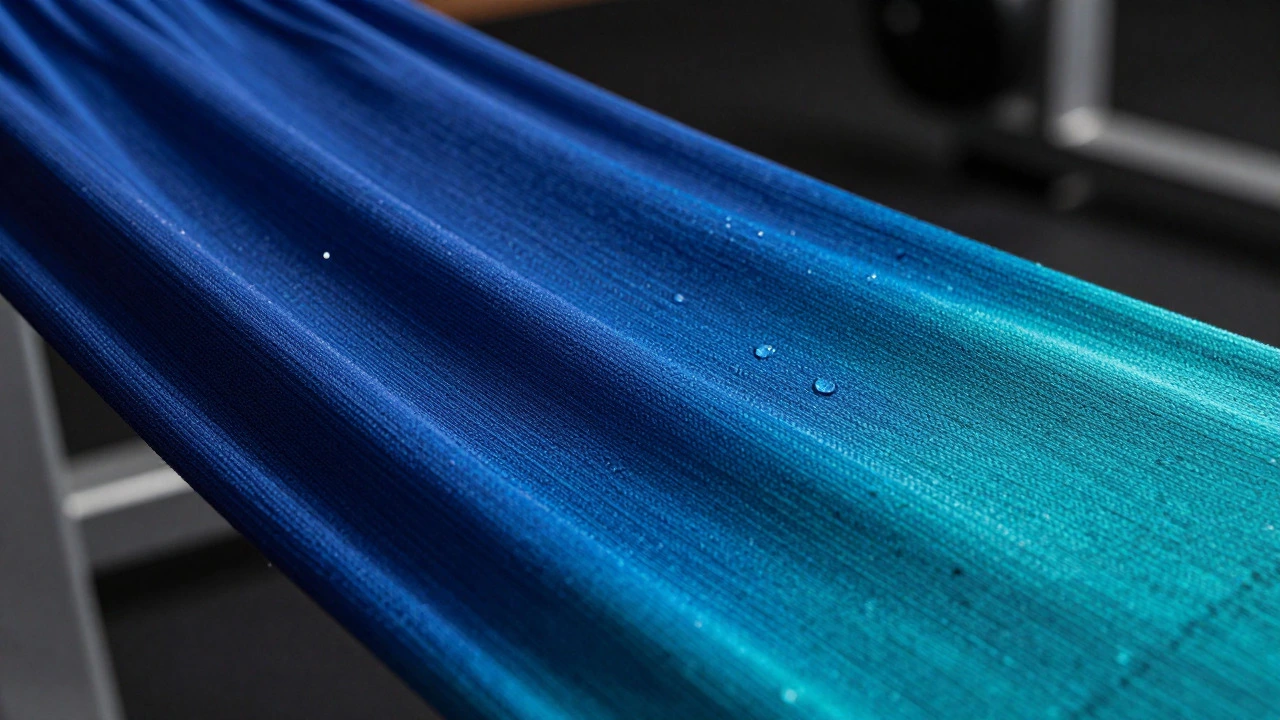
You might wonder why these clothes feel so different from regular cotton t-shirts. The answer lies in Technical Fabrics, engineered materials designed to enhance performance through moisture-wicking, elasticity, and temperature regulation. Modern sportswear relies heavily on synthetic blends like polyester, nylon, and elastane (spandex). These materials don’t absorb sweat; they push it to the surface where it evaporates quickly. This keeps you dry and cool.
But it’s not just about drying off. Stretch is crucial. Elastane allows fabric to expand with your movement and snap back into shape. This means your outfit doesn’t bag out after ten minutes of walking. Additionally, many modern pieces feature four-way stretch, meaning the fabric expands both horizontally and vertically. This level of engineering is what separates true sportswear from generic activewear. It’s a specific set of attributes that define the category technically.
| Attribute | Traditional Sportswear | Modern Athleisure/Sportswear |
|---|---|---|
| Primary Goal | Performance & Protection | Comfort & Versatility |
| Typical Fabrics | Cotton, Wool, Early Synthetics | Polyester, Nylon, Elastane Blends |
| Wear Context | Gym, Track, Court Only | Gym, Work, Social, Travel |
| Design Focus | Functionality | Style + Function |
Sportswear vs. Streetwear: What’s the Difference?
This is a common point of confusion. Are they the same? Not quite. Streetwear is a fashion subculture originating from urban youth culture, characterized by casual styles like hoodies, sneakers, and graphic tees, often influenced by skateboarding and hip-hop. While streetwear and sportswear overlap significantly, their origins are different. Streetwear is rooted in culture and self-expression. Sportswear is rooted in physics and biology.
However, the lines have blurred. Brands like Supreme and Off-White have released collaborations with Nike and Adidas, merging street style with athletic tech. A limited-edition sneaker drop is a streetwear event, but the shoe itself is sportswear. The meaning of these categories now depends on intent. If you buy a pair of Air Jordans to run in, it’s sportswear. If you buy them to show off your collection, it’s streetwear. The object is the same; the context changes the label.
Psychological Impact: Why We Wear It
Why do we love this stuff? It’s not just comfort. There’s a psychological element. Wearing sportswear can signal readiness. Even if you’re just going to the grocery store, putting on a fitted top and leggings can make you feel more alert and capable. This is known as "enclothed cognition." The clothes influence your mindset.
Furthermore, sportswear represents accessibility. Unlike formal wear, which can feel intimidating or restrictive, sportswear feels democratic. It fits various body types because of its stretch. It doesn’t require ironing. It’s easy to care for. For many, it’s a rejection of rigid fashion rules. It says, "I value my comfort and my health first." This shift in values is central to the modern meaning of the category.

How to Choose: Performance vs. Lifestyle
When shopping, you need to decide which version of sportswear you need. Ask yourself: What am I doing?
- For High-Intensity Training: Look for moisture-wicking properties and flat seams to prevent chafing. Prioritize fit over style. Compression gear can aid muscle recovery.
- For Everyday Wear: Look for softer hand-feel fabrics like brushed polyester or modal blends. Check the opacity of leggings (you don’t want see-through issues). Ensure the waistband is secure but not digging in.
- For Hybrid Use: Seek out neutral colors and clean lines. Avoid large logos if you plan to wear the item to professional settings. Focus on versatility.
Don’t fall for marketing hype. Just because a jacket says "performance" doesn’t mean it will keep you warm in a snowstorm. Read the fabric composition. If it’s 100% cotton, it’s great for yoga but terrible for sprinting. Know your needs before you buy.
The Future of Functional Fashion
Where is this heading? Technology is getting smarter. We’re seeing the rise of smart textiles that monitor heart rate or hydration levels. Sustainability is also becoming a major factor. Consumers are demanding recycled materials and ethical manufacturing. The meaning of sportswear is evolving to include responsibility. It’s not just about moving well; it’s about moving sustainably.
As boundaries continue to blur, the term "sportswear" will likely become even broader. It may eventually encompass almost any casual clothing that offers some level of technical benefit. But the core remains: it’s clothing that serves a purpose beyond mere decoration. Whether that purpose is winning a race or surviving a busy workday, the intent is clarity and utility.
Is sportswear the same as activewear?
They are often used interchangeably, but there is a subtle difference. Sportswear typically implies higher performance capabilities suitable for intense physical activity. Activewear is a broader term that includes any clothing designed for active lifestyles, including low-intensity activities like walking or yoga. All sportswear is activewear, but not all activewear is high-performance sportswear.
Can I wear sportswear to work?
Yes, in many modern workplaces, especially those with casual or hybrid dress codes. Key is choosing pieces with a tailored fit and neutral colors. Avoid visible logos or overly distressed fabrics. Pairing quality leggings or joggers with a structured blazer or a crisp button-down shirt creates a professional yet comfortable look.
What fabrics are best for sportswear?
Synthetic blends are the standard. Polyester is durable and quick-drying. Nylon is strong and lightweight. Elastane provides stretch. For colder weather, merino wool blends offer natural temperature regulation. Avoid 100% cotton for high-sweat activities as it retains moisture and can cause chafing.
How do I care for technical sportswear?
Wash in cold water to preserve elastic fibers. Avoid fabric softeners, as they can clog the pores of moisture-wicking fabrics, reducing their effectiveness. Air dry whenever possible, as high heat from dryers can degrade spandex and cause shrinking. Store items properly to maintain their shape.
What is the difference between sportswear and streetwear?
Sportswear is defined by its function and technical features, designed for physical performance. Streetwear is defined by its cultural origin and aesthetic, rooted in urban youth culture. While they overlap in style (e.g., hoodies, sneakers), the intent differs. You choose sportswear for how it feels and performs; you choose streetwear for how it looks and signals identity.