Shoe Leather Identification & Care Quiz
Your Result
Review Your Answers
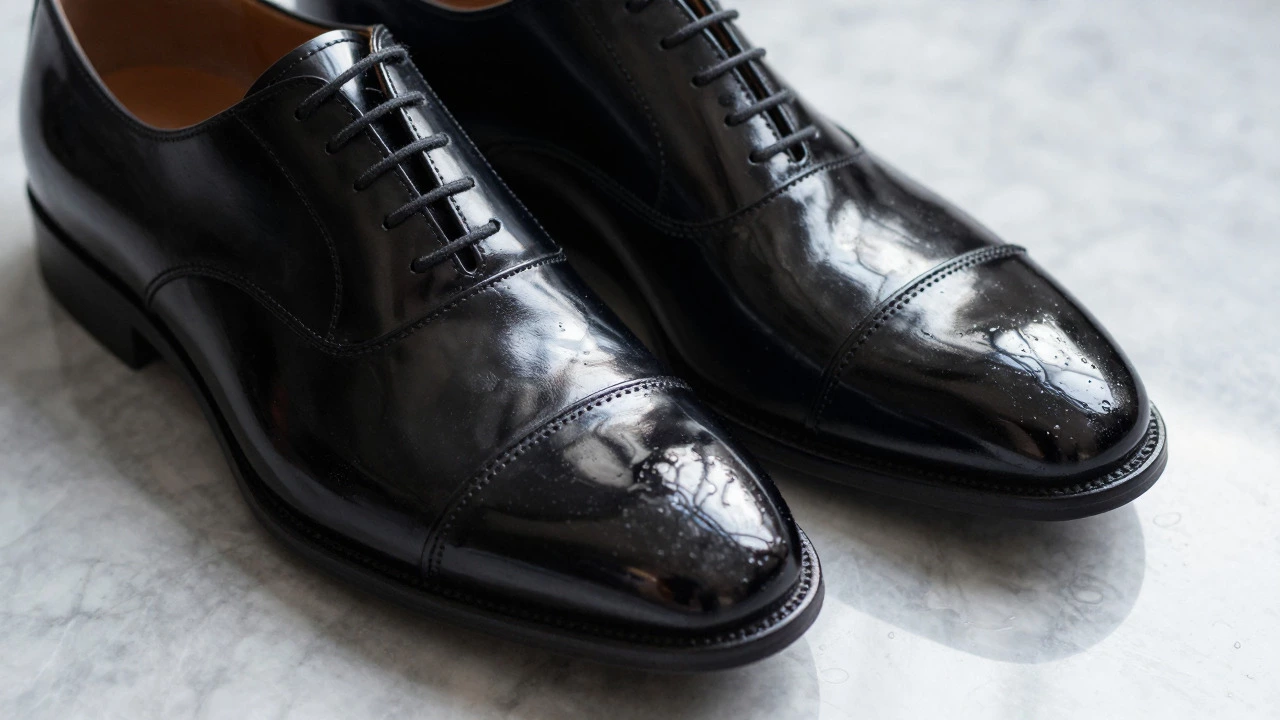
Ever looked down at a pair of dress shoes or a vintage pump and wondered why that specific panel looks like it was dipped in liquid glass? You are staring at Patent Leather, a material defined by its high-gloss, lacquered surface. Unlike standard smooth leather that absorbs dyes, patent leather features a synthetic coating that reflects light sharply, giving it that distinct mirror-like sheen. This finish isn't just for show; it signals formality, durability against water, and a specific aesthetic choice in footwear design.
The term "shiny leather" is a broad descriptor, but in the context of formal footwear, it almost exclusively refers to patent leather. However, there are nuances. Some modern sneakers use "wet-look" finishes or clear coatings over suede, which mimic the shine without being true patent. But when we talk about the classic, rigid, highly reflective material found on Oxford caps or ballet flats, we are talking about patent.
How Patent Leather is Made
To understand what makes this material special, you have to look at how it’s constructed. Standard leather is tanned animal hide, usually from cattle, that is dyed and finished with oils. It remains porous to some degree. Patent leather starts similarly but undergoes a critical extra step: the application of a thick, plastic-based coating.
- Base Preparation: The leather is cleaned and smoothed to ensure no imperfections remain, as the coating will highlight every flaw.
- Coating Application: Multiple layers of nitrocellulose (historically) or polyurethane (modernly) are applied. These chemicals dry into a hard, transparent shell.
- Curing: The coated leather is heated to bond the layers, creating a rigid, waterproof barrier.
This process transforms the flexible, breathable nature of raw leather into a stiffer, non-porous material. The result is a surface that doesn’t absorb dirt easily but does show scratches more prominently than matte leathers.
Patent vs. Suede vs. Smooth Leather
Confusion often arises between different leather types because they all come from similar hides. Here is a quick breakdown to help you identify them instantly:
| Material Type | Surface Finish | Breathability | Maintenance Level | Typical Use Case |
|---|---|---|---|---|
| Patent Leather | High-gloss, mirror-like | Low (coated) | Low (wipe clean) | Dress shoes, formal wear, children's shoes |
| Suede | Napped, soft, matte | High | High (brushing required) | Casual boots, loafers, jackets |
| Smooth Leather | Satin or matte finish | Medium-High | Medium (conditioning) | Business casual, everyday oxfords |
| Nubuck | Fine nap, slightly textured | Medium | Medium-High | Chukka boots, premium casuals |
Notice how patent leather sits at the opposite end of the spectrum from suede. Where suede is soft and absorbs light, patent reflects it. This visual contrast is why designers use patent accents on otherwise matte shoes to create focal points.
Why Do Designers Use Patent Leather?
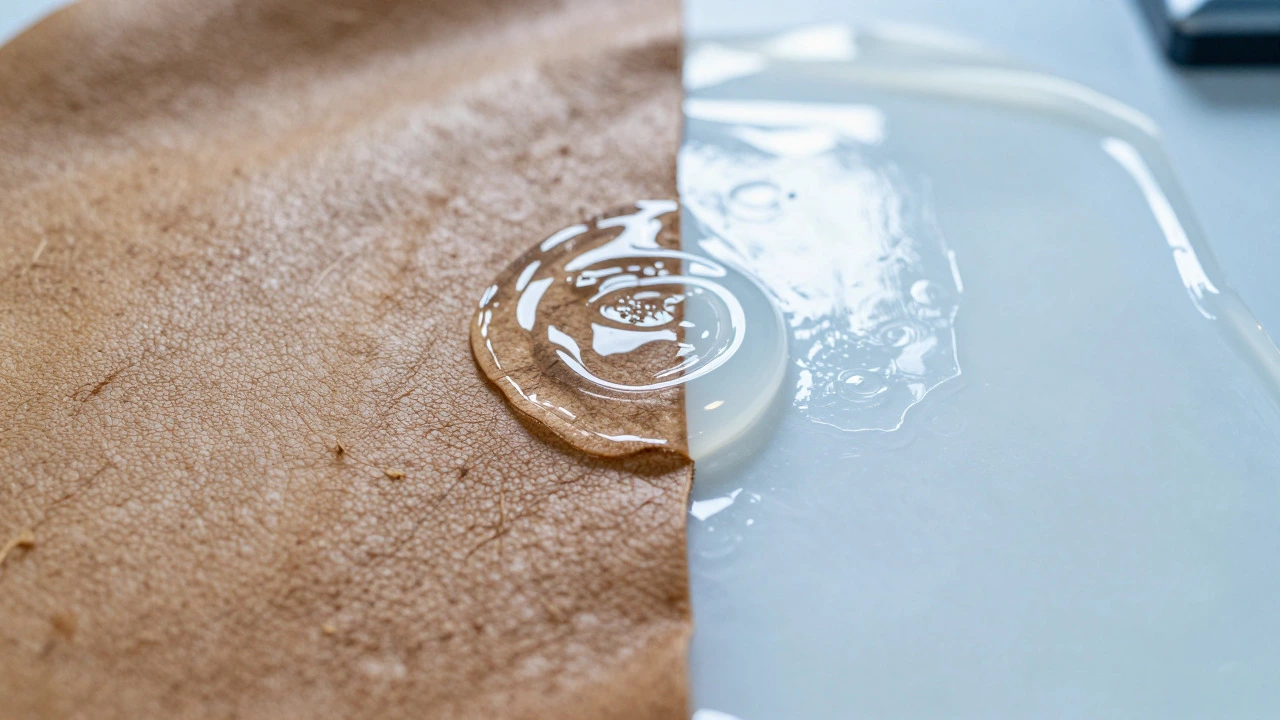
It’s not just about looking fancy. There are functional reasons behind the shine. First, the coating makes the material naturally water-resistant. If you get caught in a drizzle, water beads off patent leather rather than soaking in. Second, it is incredibly easy to clean. A damp cloth wipes away dust and scuffs, whereas smooth leather might require special creams or conditioners to maintain its look.
However, there is a trade-off. Because the surface is hard and non-porous, it can crack if the underlying leather dries out or if the shoe bends too sharply. This is why high-quality patent shoes often have reinforced stitching and structured soles to prevent excessive flexing at the toe box.
Caring for Your Shiny Shoes
You don’t need a complicated routine to keep patent leather looking new. In fact, using the wrong products can ruin the finish. Avoid standard leather conditioners, as they contain oils that can cloud the glossy coating.
- Cleaning: Use a soft, lint-free cloth slightly dampened with water. For stubborn marks, a tiny drop of mild soap can help, but rinse thoroughly.
- Storage: Keep shoes in a cool, dry place. Direct sunlight can cause the plastic coating to yellow or degrade over time.
- Protection: Use shoe trees to maintain shape. Since patent leather is less flexible than smooth leather, keeping the structure intact prevents creasing.
If you notice small white lines, those are likely stress cracks in the coating. They are cosmetic and usually don’t affect the shoe’s lifespan, but they do signal that the material is reaching the end of its optimal life.
Common Misconceptions About Patent Leather
Many people assume patent leather is made entirely of plastic. While the surface is plastic-based, the core is still genuine leather in most quality brands. Cheap alternatives might use full synthetic materials, which feel heavier and less durable. True patent leather has a slight give under pressure, whereas pure plastic feels rigid and cold.
Another myth is that patent leather is only for women’s fashion. Historically, it was popular in men’s dress shoes during the 1920s and 30s, particularly in jazz-age aesthetics. Today, it’s seen in both men’s and women’s formal wear, though it remains more common in women’s pumps and heels due to its association with elegance.
When to Choose Patent Over Other Leathers
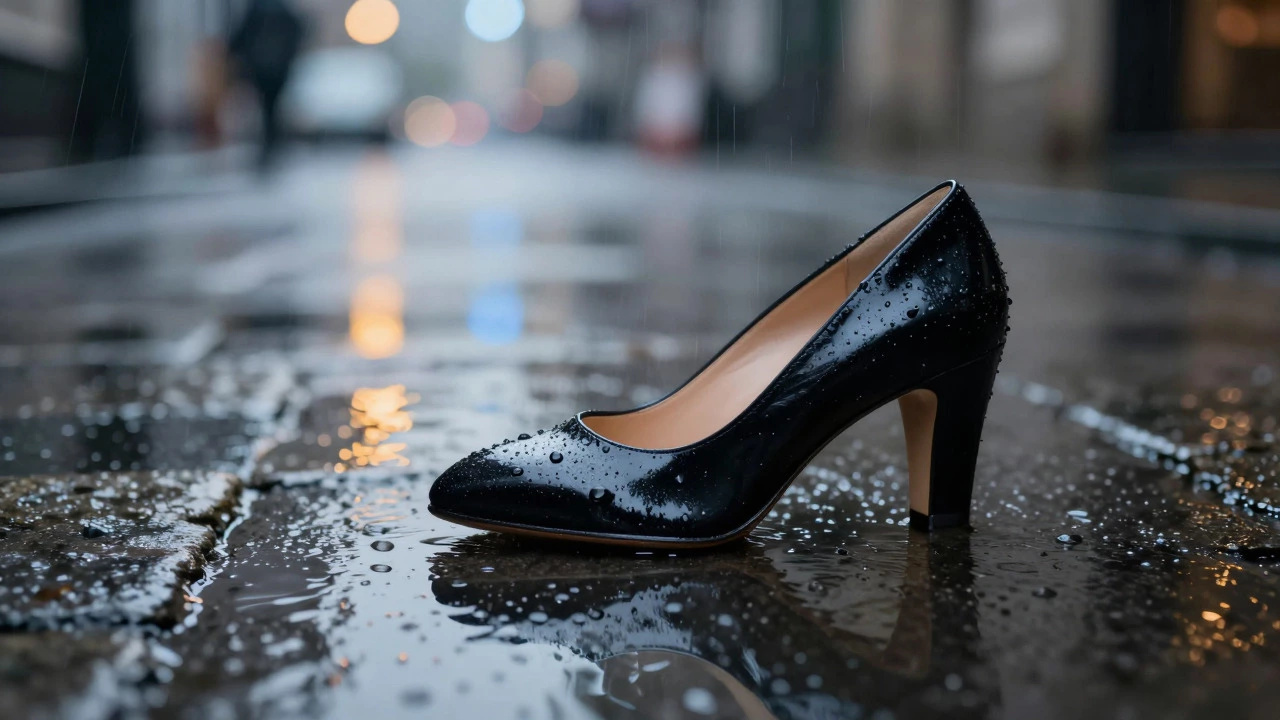
Your choice depends on your lifestyle and style goals. If you live in a rainy climate and want low-maintenance formal shoes, patent is a smart pick. It handles moisture better than suede or nubuck. If you prioritize breathability for long days on your feet, smooth leather might be more comfortable, as the coating traps heat.
Consider the occasion. Patent leather stands out. It draws the eye. In a business setting where subtlety is key, a matte black Oxford is safer. In a creative field or evening event, the shine adds a layer of personality and confidence. It’s a bold choice that demands attention, so wear it with intent.
Frequently Asked Questions
Is patent leather real leather?
Yes, authentic patent leather is made from genuine animal hide, usually cowhide, that has been coated with a glossy plastic layer. The base is leather, but the surface finish is synthetic.
Can you dye patent leather?
Generally, no. The plastic coating prevents dyes from penetrating the material. To change the color, you would need to strip the coating, which is difficult and often damages the underlying leather. Most patent leather is produced in specific colors during manufacturing.
Does patent leather smell bad?
New patent leather may have a chemical odor due to the curing process of the coating. This smell usually fades after a few weeks of air circulation. If the smell persists, it may indicate low-quality adhesives or coatings.
Is patent leather waterproof?
It is highly water-resistant. The plastic coating repels water, preventing it from soaking into the leather base. However, seams and stitching holes can still let water in, so it is not fully waterproof for submersion.
How do I remove scratches from patent leather?
Minor scratches can often be buffed out with a soft cloth and a small amount of petroleum jelly or specialized patent leather polish. Rub gently in circular motions. Deep gouges may require professional repair or replacement of the affected panel.