Jeans Fit Finder Calculator
Select your measurements and preferences to see personalized recommendations.
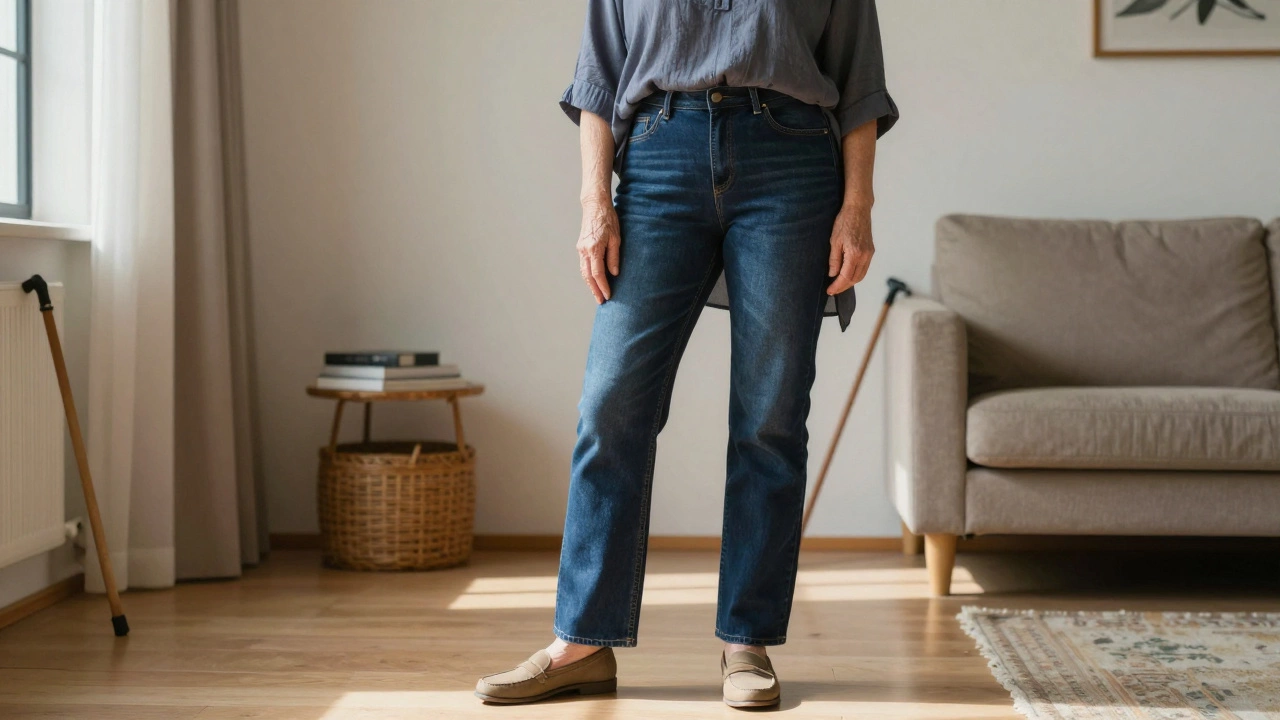
At 70, your jeans shouldn’t be about fitting into a size from 20 years ago-they should fit your body now, move with you, and make you feel confident. The right pair isn’t about looking young. It’s about looking like yourself, just more comfortable.
Forget the skinny jeans
Skinny jeans might have been a staple in your 40s or 50s, but by 70, they often do more harm than good. Tight fabric around the thighs and knees can restrict circulation, dig into sensitive areas, and make sitting or standing up harder. Many women in their 70s report numbness, discomfort, or even balance issues from wearing skinny cuts. If you still like the look of fitted jeans, go for a slim straight instead. It hugs your hips and thighs just enough to look polished, then flows straight down the leg without squeezing.Look for stretch, but not too much
Not all stretch is created equal. Jeans with 2% to 4% elastane or spandex give you the freedom to bend, sit, and walk without feeling like you’re in a rubber band. Anything above 5% can lose shape quickly, bag out at the knees, or feel flimsy after a few washes. Brands like Eileen Fisher, DL1961, and Universal Standard use high-quality, durable stretch fabrics that hold up. Avoid jeans labeled ‘ultra-stretch’ or ‘super stretch’-they’re often marketing buzzwords for low-quality materials.High-waisted is your friend
A high-rise waist (rising at least 10 inches from the crotch to the top of the band) offers real support. It smooths the midsection without squeezing, helps with posture, and keeps your shirt tucked in without constant adjusting. Many women over 70 find that high-waisted jeans reduce lower back strain and make it easier to wear longer tops or tunics. Look for a waistband that’s wide enough-1.5 to 2 inches-to distribute pressure evenly. Thin waistbands dig in and create unflattering bulges.Choose the right length
Ankle-length jeans are the most versatile for women in their 70s. They show a little skin, which helps legs look longer, and they pair easily with flats, loafers, or low heels. If you prefer full-length, go for a straight or slightly flared cut-never cropped too high above the ankle. Cropped jeans that hit mid-calf can make legs look shorter and draw attention to areas you might not want highlighted. For colder months, try a wide-leg style that drapes over boots without bunching.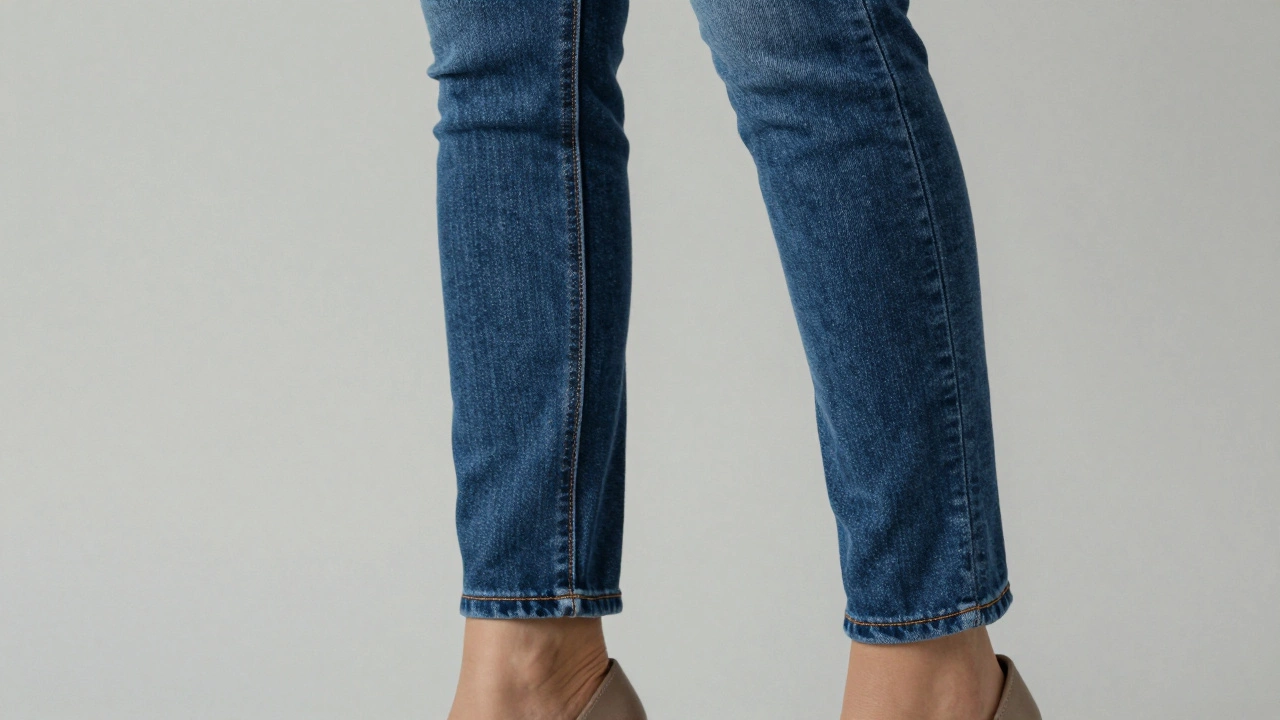
Dark washes work best
Dark indigo or black denim is the most flattering for mature skin tones. Light washes, especially with heavy fading or whiskering, can emphasize lines, wrinkles, and uneven skin texture. Darker shades also slim the silhouette and hide minor stains or wear. If you want to add a little brightness, try a pair with subtle stitching or a soft gray wash. Avoid jeans with large patches, rips, or embellishments-they tend to look out of place and draw attention in the wrong way.Fit matters more than size
Your jean size at 70 might not match your size from 20 years ago-and that’s normal. Bodies change. Hips widen, waists soften, thighs gain volume, and backs curve. Don’t force yourself into a size 10 because that’s what you used to wear. Instead, focus on how the jeans feel when you sit, bend, and walk. Try them on with the shoes you’ll wear most often. If the waist feels tight when you sit, they’re too small. If the crotch sags or the knees bunch, they’re too big. Many brands now offer sizes up to 24, with specific fits for fuller hips, curvy thighs, or apple-shaped torsos. Don’t be afraid to ask for help in-store or check size charts online.Try these specific styles
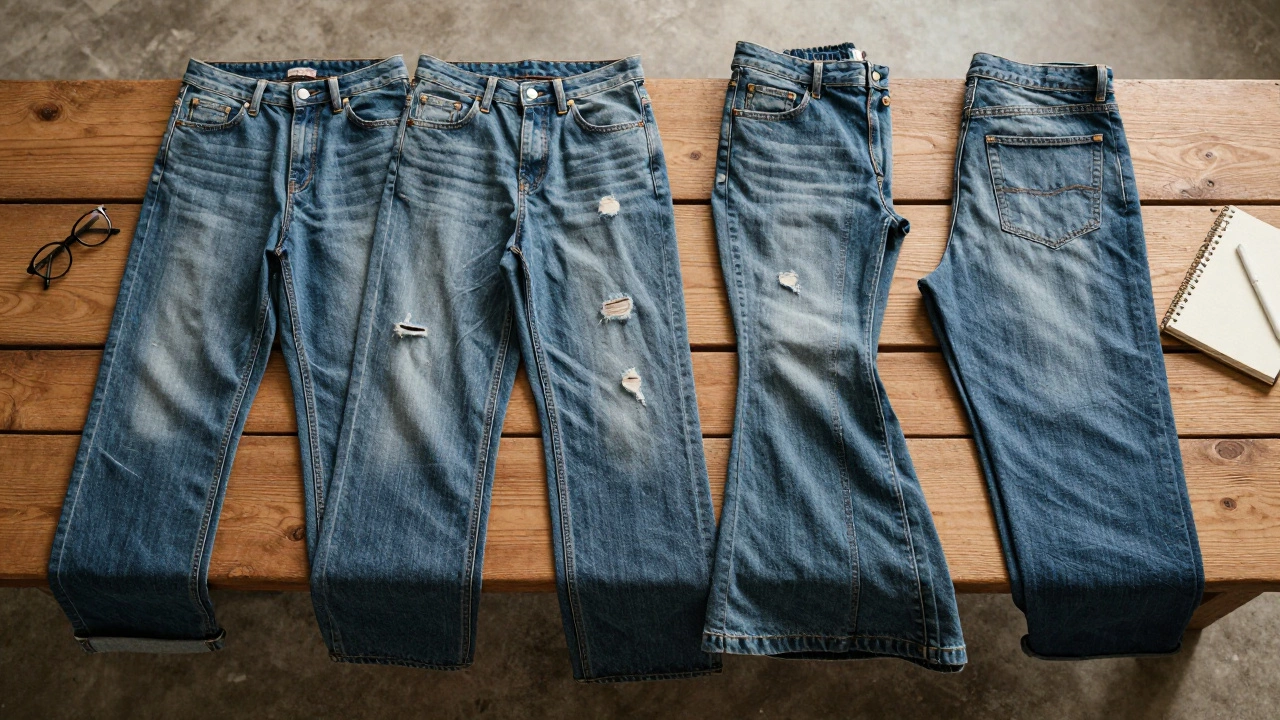
- High-waisted straight leg: The gold standard. Flattering, easy to move in, pairs with everything.
- Wide-leg with slight flare: Great for balancing broader hips or adding elegance to your look.
- Bootcut: If you wear boots regularly, this style hides the boot shaft and creates a clean line.
- Relaxed fit with elastic waist: Ideal if you have digestive issues, bloating, or prefer no buttons or zippers.
What to avoid
- Low-rise jeans-they sit below the natural waist and can cause muffin top.
- Extra tight around the knees-they pinch and restrict movement.
- Excessive distressing or holes-they look forced and can snag on walkers or canes.
- Jeans with belt loops only-opt for those with an elastic insert or adjustable side tabs for better fit.
- Stiff, non-stretch denim-they’re uncomfortable for daily wear and hard to put on.
Brands that actually get it
Not all denim brands design for mature bodies. Here are a few that do:- Eileen Fisher: Soft, sustainable fabrics, relaxed fits, sizes 0-24. No harsh seams.
- DL1961: High-quality stretch denim with smart contouring. Great for curvy figures.
- Universal Standard: Offers sizes 00-40 with detailed fit guides and free returns.
- Good American: Known for inclusive sizing and supportive waistbands.
- Levi’s Wedgie Fit: A classic with a modern twist-lifts and shapes without squeezing.
Many of these brands offer free shipping and returns, so you can try two or three pairs at home and keep the one that feels right.
How to make jeans last longer
Washing jeans too often wears out the fabric and fades the color. Turn them inside out, use cold water, and skip the dryer. Air dry them flat. A single wash every 4-6 wears is enough unless they’re visibly dirty. If they smell, hang them outside for a few hours-the fresh air removes odors better than water.Final tip: Confidence is the best fit
The most important thing isn’t the brand, the wash, or the rise. It’s how you feel when you put them on. If you stand taller, smile more, and forget you’re wearing jeans-then you’ve found the right pair. Style isn’t about age. It’s about comfort, ease, and owning your body exactly as it is.Can a 70-year-old woman wear light wash jeans?
Yes, but choose light washes carefully. Soft, even fading looks more natural than heavy whiskering or bleached spots. Darker light washes (like medium blue) are more forgiving than stark white or bleached denim. Avoid jeans with large rips or patches-they tend to look out of place and can snag on mobility aids.
Should I avoid jeans with zippers?
Not necessarily. But if you have arthritis or limited hand strength, a zipper can be hard to manage. Look for jeans with a hidden elastic panel at the waistband or side tabs that let you adjust the fit without relying on the zipper. Some brands offer magnetic closures or Velcro instead-these are easier to use and just as secure.
What if I have a larger stomach?
High-waisted jeans with a soft, wide waistband are your best bet. Look for styles with a slight stretch and no rigid boning. Brands like Universal Standard and Eileen Fisher offer abdominal support without compression. Pair them with a longer top or tunic that covers the midsection-this creates a clean, balanced look without needing to hide.
Are jeans with pockets a good idea?
Yes-especially back pockets that are shaped and padded. They help lift and support the buttocks, which can sag with age. Avoid jeans with deep, oversized pockets that bulge awkwardly. Look for subtle, structured pockets that blend into the seam. Functional pockets also mean you can carry keys, a phone, or medication without needing a bag.
How do I know if jeans are too tight?
Try sitting down and standing up. If the fabric pulls across your hips or thighs, if you feel pinching around your knees, or if you can’t take a deep breath, they’re too tight. Also, if you need to hold your breath to fasten the button or zipper, that’s a sign they don’t fit your body right now. Comfort should come first-no matter what the tag says.