Thursday Boot Value & Origin Checker
Select your model below to see its manufacturing origin, material specs, and how it compares in value to competitors like Red Wing or Allen Edmonds.
Why Vietnam?
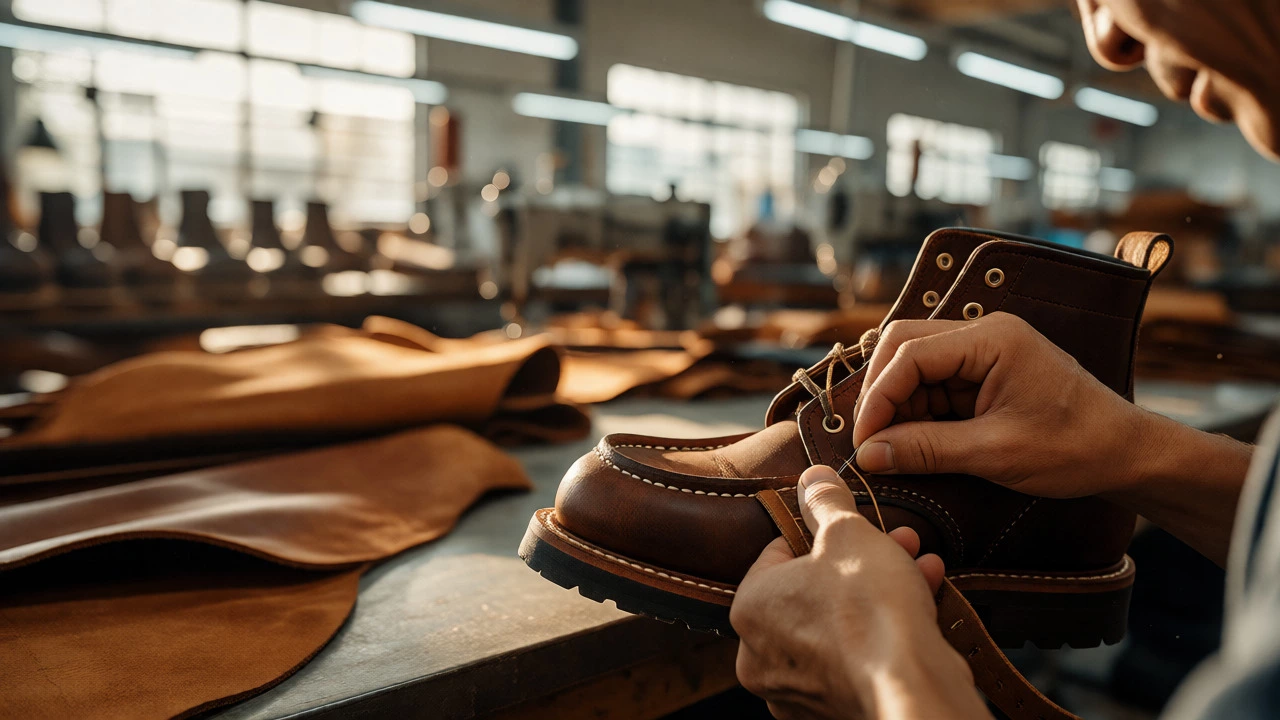
Vietnam has become a global hub for high-skill leather craftsmanship. Unlike mass-produced sneakers, Goodyear welting requires manual precision that Vietnamese factories excel at providing.
Tip: Check the tongue label. If it says "Made in Vietnam," you are getting premium construction without the European markup.
| Feature | Thursday Spec | Competitor Avg* |
|---|---|---|
| Construction | ||
| Leather Grade | ||
| Resoleable? | ||
| Value Rating | ||
*Competitor average based on Red Wing Heritage ($350+) and Allen Edmonds ($300+). Prices fluctuate; this is an indicative comparison of cost-per-quality.
You’re eyeing a pair of Thursday Boot Co. boots online. They look rugged, the leather seems premium, and the price is surprisingly reasonable for that level of craftsmanship. Then it hits you: where are these actually made? It’s a fair question. In an era where "made in Italy" or "made in USA" often signals luxury, seeing a brand like Thursday thrive without those traditional labels raises eyebrows. Are they cutting corners? Is the quality real? Or is there something smarter happening behind the scenes?
The short answer might surprise you. Most Thursday Boots are manufactured in Vietnam, a country that has become a global powerhouse in high-quality footwear production. But geography alone doesn’t tell the whole story. To understand why this matters-and whether you should trust the quality-you need to look at how modern footwear supply chains work, what goes into making a durable boot, and why Vietnam has outpaced traditional hubs like China for many premium brands.
The Shift from Traditional Hubs to Vietnam
For decades, if you wanted a well-made shoe, you looked at Europe. If you wanted volume, you looked at China. But the landscape changed dramatically over the last fifteen years. As labor costs in China rose and environmental regulations tightened, manufacturers moved upmarket. Brands started looking for countries with skilled artisans, lower overheads, and a growing reputation for precision.
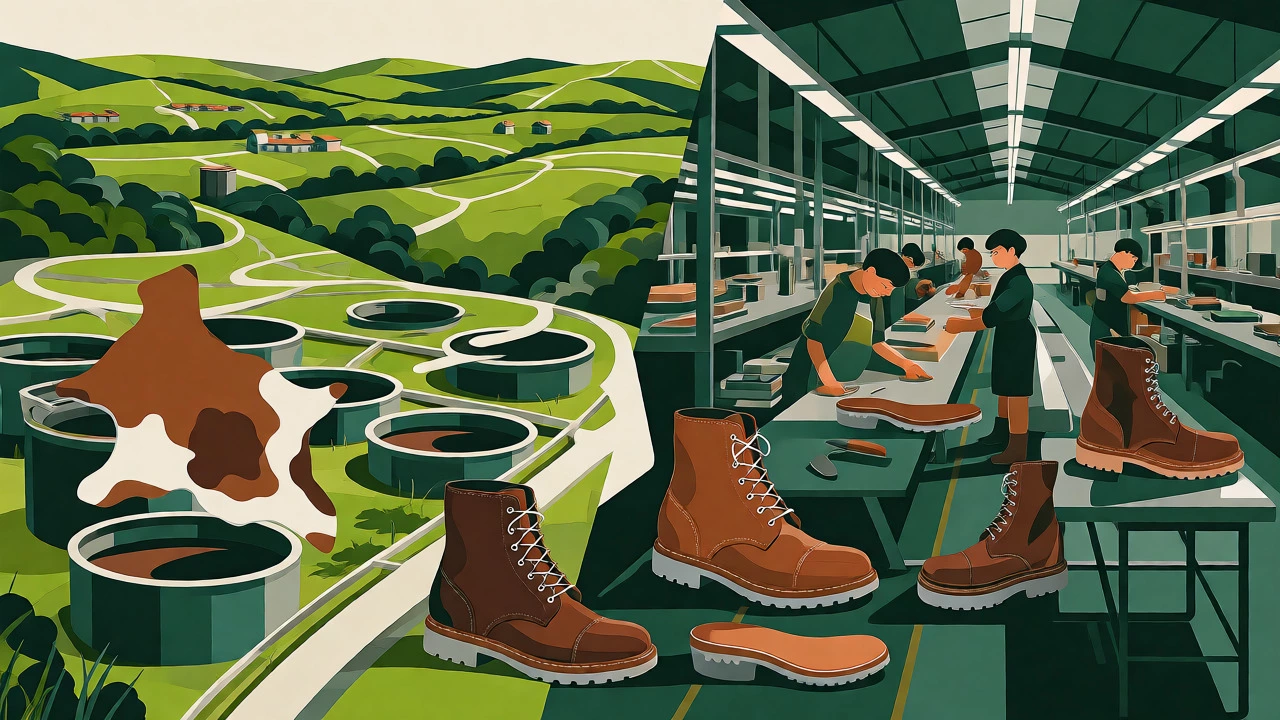
Vietnam stepped into this gap aggressively. By 2026, it accounts for a significant portion of global footwear exports, particularly for mid-to-high-end brands. Why? Because Vietnamese factories have invested heavily in training their workforce. Unlike mass-production lines that churn out identical sneakers by the thousands, many Vietnamese facilities specialize in complex construction methods like Goodyear welted boots. These require manual skill, attention to detail, and patience-things that automated machines still struggle to replicate perfectly.
Thursday Boot Co. leverages this expertise. They don’t just order products; they partner with specific factories that meet their strict standards. This isn’t about finding the cheapest bidder. It’s about finding partners who can handle full-grain leather, precise stitching, and rigorous quality control protocols. When you hold a pair of their boots, you’re holding the result of skilled hands in Ho Chi Minh City or Hanoi, not a robotic assembly line in a massive industrial park.
What "Made in Vietnam" Actually Means for Quality
There’s a lingering stigma among some consumers that anything made outside the US or Europe is inherently inferior. That mindset is outdated. Consider the electronics industry: your iPhone is assembled in China, yet its quality is undeniable. Footwear follows similar logic. The location determines cost structure and labor availability, but the brand controls the specifications.
Thursday maintains tight oversight on their production process. Here’s what that looks like in practice:
- Material Sourcing: While the boots are assembled in Vietnam, the leather often comes from tanneries in other regions, including the US and Brazil. Thursday specifies the type of hide, the thickness (usually 1.4-1.6mm for durability), and the finish.
- Construction Methods: Many of their popular models use Blake stitch or Goodyear welt construction. These aren’t cheap techniques. They require specialized machinery and experienced operators to ensure the sole stays attached securely for years.
- Quality Control: Before shipping, every batch undergoes inspection. Defects like uneven stitching, glue stains, or scuffed leather are caught before the product leaves the factory floor.
This level of control ensures that a Thursday boot performs similarly to a more expensive Italian-made alternative, often at half the price. You’re paying for materials and design, not inflated retail markups associated with European heritage branding.
Ethical Production and Factory Standards
If you care about ethics, you might worry about working conditions in overseas factories. This is valid. Not all factories are created equal. Some prioritize speed over worker safety. However, reputable brands like Thursday audit their suppliers regularly. They look for compliance with international labor standards, including fair wages, safe working environments, and reasonable hours.
Vietnam’s labor laws have strengthened in recent years, partly due to pressure from Western buyers. Factories that want to keep contracts with major brands must adhere to codes of conduct set by organizations like the Fair Labor Association. Thursday publishes sustainability reports that outline their efforts to reduce waste and improve energy efficiency in their supply chain. While no system is perfect, choosing a brand that actively audits its partners is far better than buying from a generic retailer with no transparency.
How to Verify Your Pair’s Origin
Not every pair of Thursday boots is made in Vietnam. Occasionally, certain limited editions or specific styles might be produced elsewhere, such as Mexico or even Portugal, depending on material availability or capacity constraints. How do you know for sure?
Check the inside tongue or the heel counter of your boot. Regulations require the country of origin to be clearly labeled. Look for text like "Made in Vietnam." If you see "Designed in USA," that’s marketing fluff-it means the design team is based in Austin, Texas, but the physical creation happened overseas. Always trust the "Made in" label over the "Designed in" one when assessing manufacturing location.
Why Location Doesn’t Equal Longevity
A common myth is that American-made boots last longer simply because they’re American. Let’s debunk that. Durability depends on three factors: leather quality, construction method, and maintenance. None of these are tied to nationality.
A poorly maintained Italian boot will crack faster than a well-cared-for Vietnamese one. Conversely, a cheaply glued sneaker from any country will fall apart quickly. Thursday uses full-grain leather, which develops a patina rather than cracking. Their soles are replaceable on most models. This means your investment lasts longer, regardless of where the needle hit the leather. Focus on the specs, not the stamp.
Comparing Thursday to Other Mid-Range Brands
To put Thursday’s strategy in perspective, let’s compare them to other popular brands in the same price bracket. This helps clarify why manufacturing location matters less than brand philosophy.
| Brand | Primary Manufacturing Location | Price Range (USD) | Construction Type | Leather Quality |
|---|---|---|---|---|
| Thursday Boot Co. | Vietnam | $150 - $250 | Goodyear Welt / Blake Stitch | Full-Grain |
| Red Wing Heritage | USA | $350 - $450 | Goodyear Welt | Oil-Tanned Full-Grain |
| Allen Edmonds | India / USA | $300 - $400 | Goodyear Welt | Full-Grain |
| Common Projects | Italy | $400+ | Cemented / Stitched | High-Grade Calfskin |
Notice the pattern? Higher prices don’t always correlate with better materials-they often reflect brand prestige, marketing costs, or domestic labor rates. Thursday offers comparable construction and materials at a lower price point precisely because they optimize their supply chain in places like Vietnam.
Maintenance Tips for Your Vietnam-Made Boots
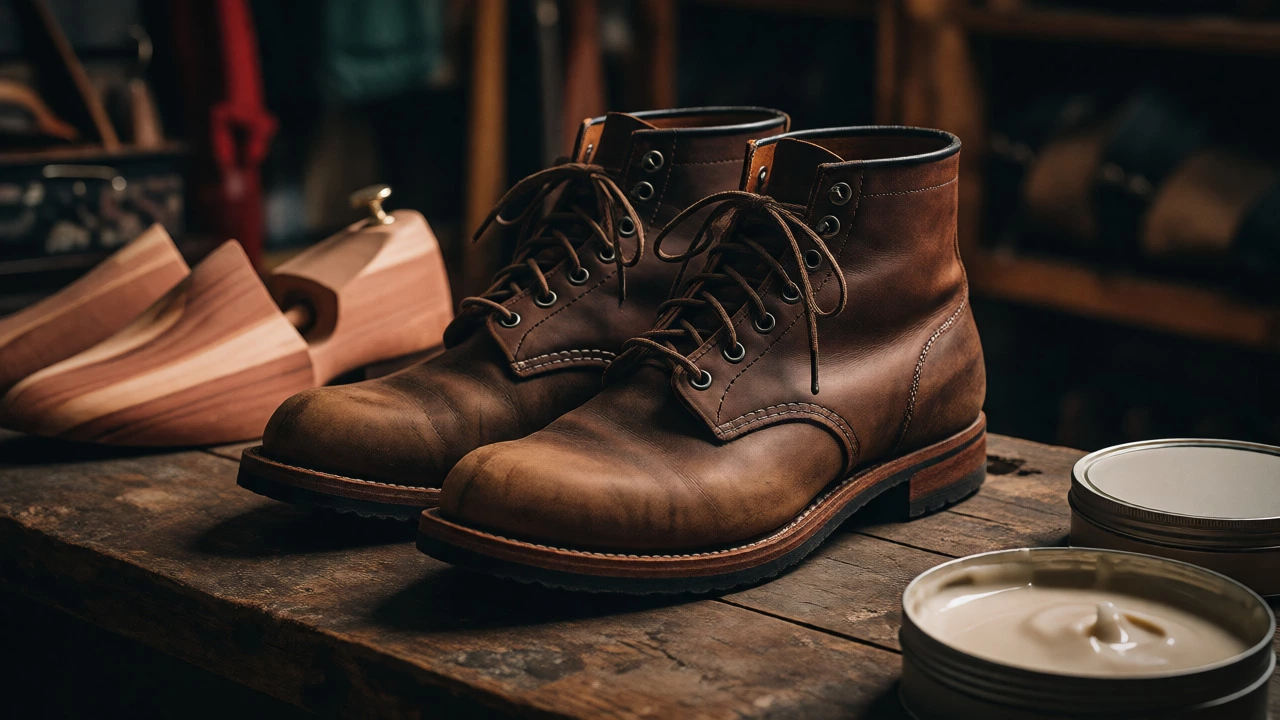
Owning a pair of Thursday boots is an investment. To get the most out of them, treat them right. Since they’re likely made from full-grain leather, they need conditioning. Skip the heavy waxes initially; use a neutral cream conditioner every 3-6 months, depending on climate. Rotate your boots to let them dry out fully between wears. Use cedar shoe trees to maintain shape and absorb moisture. If the sole wears down, find a local cobbler who specializes in resoling Goodyear welted shoes. Don’t toss them out; repair them. That’s the beauty of good construction.
Frequently Asked Questions
Are Thursday Boots really made in Vietnam?
Yes, the majority of Thursday Boots are manufactured in Vietnam. The company partners with specialized factories there known for skilled craftsmanship in leather goods. You can verify this by checking the label inside the boot, which will state "Made in Vietnam."
Does being made in Vietnam mean the quality is lower?
No. Vietnam is a leading producer of high-quality footwear globally. Many premium brands manufacture there because of the skilled labor force and advanced manufacturing capabilities. Thursday maintains strict quality control standards, ensuring their boots compete with more expensive alternatives made in Europe or the USA.
Why does Thursday choose Vietnam over China?
While both countries produce footwear, Vietnam has developed a strong reputation for higher-skilled artisanal work, particularly for complex constructions like Goodyear welting. Additionally, trade policies and labor dynamics have shifted, making Vietnam an attractive option for brands seeking a balance of cost efficiency and quality assurance.
Are Thursday Boots ethically made?
Thursday works with factories that adhere to international labor standards. They conduct regular audits to ensure fair wages, safe working conditions, and reasonable hours. While no supply chain is perfect, Thursday’s transparency regarding their partners suggests a commitment to ethical production practices.
Can I resole my Thursday Boots?
Most Thursday Boots feature Goodyear welt or Blake stitch construction, which makes them resoleable. You can take them to a qualified cobbler to replace the outsole once it wears down, significantly extending the life of the boots.
Is the leather used in Thursday Boots genuine?
Yes, Thursday primarily uses full-grain leather, which is the highest quality grade available. It retains the natural grain of the hide, offering superior durability and the ability to develop a unique patina over time. Avoid confusing this with corrected grain or bonded leather, which are lower quality.
Final Thoughts on Buying Foreign-Made Footwear
Don’t let the map scare you off. Where a product is made tells you about its cost structure and labor environment, but not necessarily its soul. Thursday Boots prove that you can get exceptional quality, ethical production, and timeless style without paying a premium for a European label. The next time someone asks, "Where are Thursday boots made?", you can confidently say, "Vietnam-and that’s exactly why they’re worth buying."