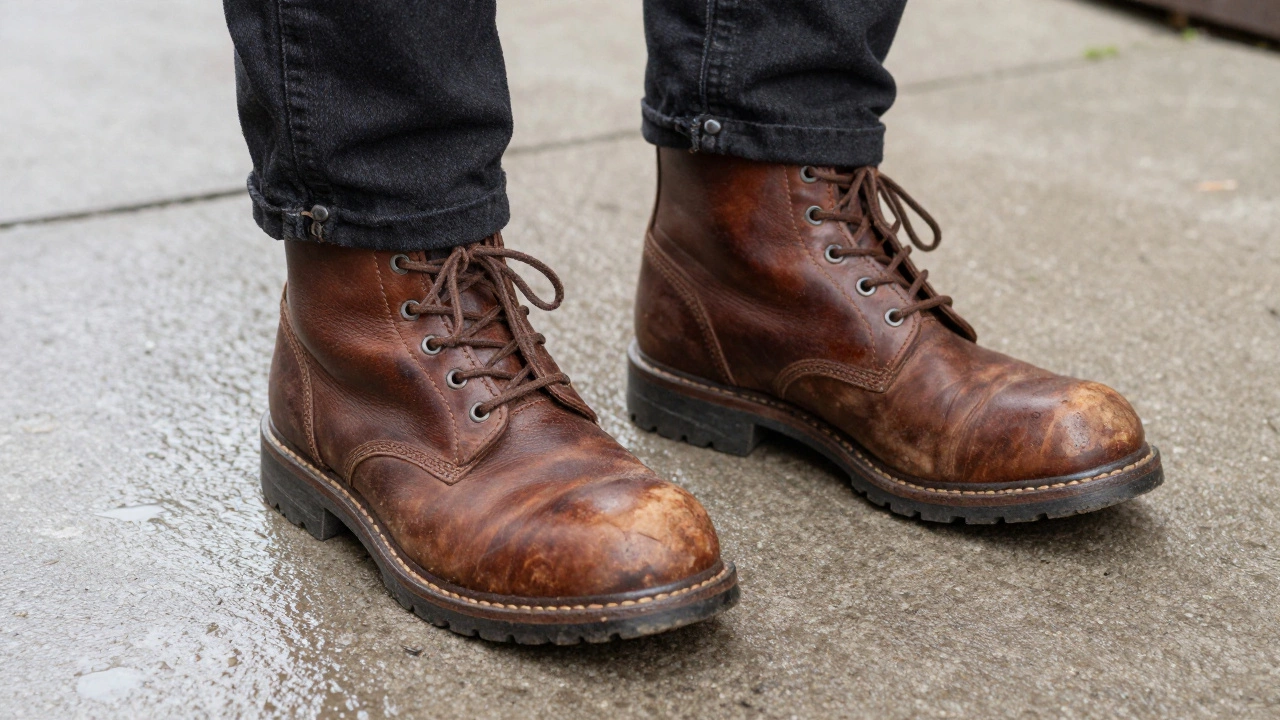
When you buy a pair of leather shoes, you’re not just buying footwear-you’re buying a story. The story starts with the animal whose skin was turned into leather. And that story makes a huge difference in how your shoes feel, last, and look. Not all leathers are created equal. Some are tough as nails. Others are soft as silk. Some cost a fortune. Others wear out too fast. So which animal leather is actually the best for shoes?
Cowhide: The Reliable Workhorse
Cowhide is the most common leather used in shoes. Why? Because it’s tough, abundant, and affordable. Most work boots, dress shoes, and everyday sneakers use full-grain or top-grain cowhide. It’s thick enough to hold up to daily abuse, and when properly treated, it lasts for years. Brands like Red Wing, Clarks, and Timberland rely on cowhide for a reason: it doesn’t quit. A good pair of cowhide shoes can easily last 5-10 years with basic care. The grain is tight, the fibers are strong, and it takes polish well. If you want shoes that last through winters, concrete sidewalks, and 12-hour shifts, cowhide is your go-to.
Goatskin: The Sweet Spot Between Strength and Softness
Goatskin is where many people start to notice a difference. It’s thinner than cowhide but surprisingly strong-stronger than you’d think for something so supple. That’s because the fibers are naturally crisscrossed, giving it excellent tear resistance. Goatskin shoes feel lighter on your feet and break in faster. You’ll find it in high-end loafers, casual boots, and even some dress shoes from brands like Church’s and John Lobb. It’s more flexible than cowhide, which means it molds to your foot better. And it breathes better too. If you hate stiff shoes and want something that feels like a second skin from day one, goatskin wins.
Lambskin: Luxury That Needs Care
Lambskin is the velvet of the leather world. It’s incredibly soft, almost silky to the touch. You’ll find it in luxury slip-ons, high-fashion sneakers, and designer dress shoes. Brands like Gucci, Saint Laurent, and Brunello Cucinelli use lambskin to create that unmistakable premium feel. But here’s the catch: it’s fragile. Lambskin scuffs easily. It stains with rain. It doesn’t handle rough terrain or daily wear well. If you’re wearing lambskin shoes to the office and then to a fancy dinner, they’ll look stunning. If you wear them to the grocery store, you’ll be replacing them in months. It’s beautiful, but it’s not practical for everyday use.
Pigskin: The Hidden Gem
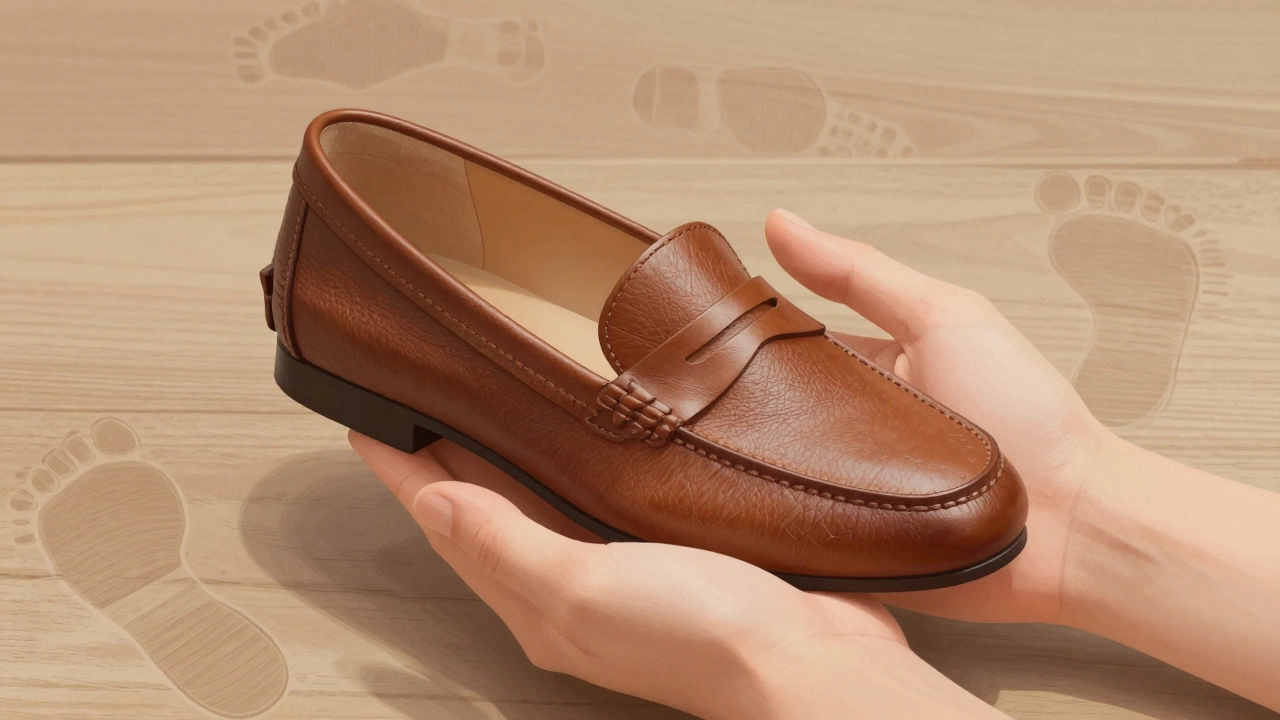
Pigskin doesn’t get much love, but it’s quietly everywhere. You’ll find it lining the inside of many dress shoes, in casual loafers, and even in some sneakers. Why? Because it’s breathable, durable, and cheap to produce. The pores in pigskin are naturally grouped in threes, giving it a unique texture that’s great for moisture-wicking. It’s not as strong as cowhide, but it’s tougher than lambskin. It’s also more flexible than cowhide. If you’ve ever worn a shoe that felt cool and dry even after a long day, chances are it had pigskin lining. It’s not usually the outer layer-but when it’s used well, it makes a big difference in comfort.
Exotic Leathers: Snake, Alligator, Ostrich-Is It Worth It?
Snake, alligator, ostrich, and even kangaroo leather get a lot of attention. They look dramatic. They cost a fortune. But are they better? Not necessarily. Ostrich leather has a distinctive quill pattern and is surprisingly durable. It’s used in high-end boots and belts. Snake leather is thin and flexible, but it’s delicate and hard to repair. Alligator is the most expensive and the most fragile. It scratches easily and needs constant conditioning. Kangaroo leather is the strongest natural leather per ounce-used in some performance boots and soccer cleats. But for most people? These are style choices, not practical ones. If you want shoes that last 10 years, skip the exotic leathers. If you want to make a statement? Go for it-but treat them like fine art.
What Really Matters: Tanning and Construction
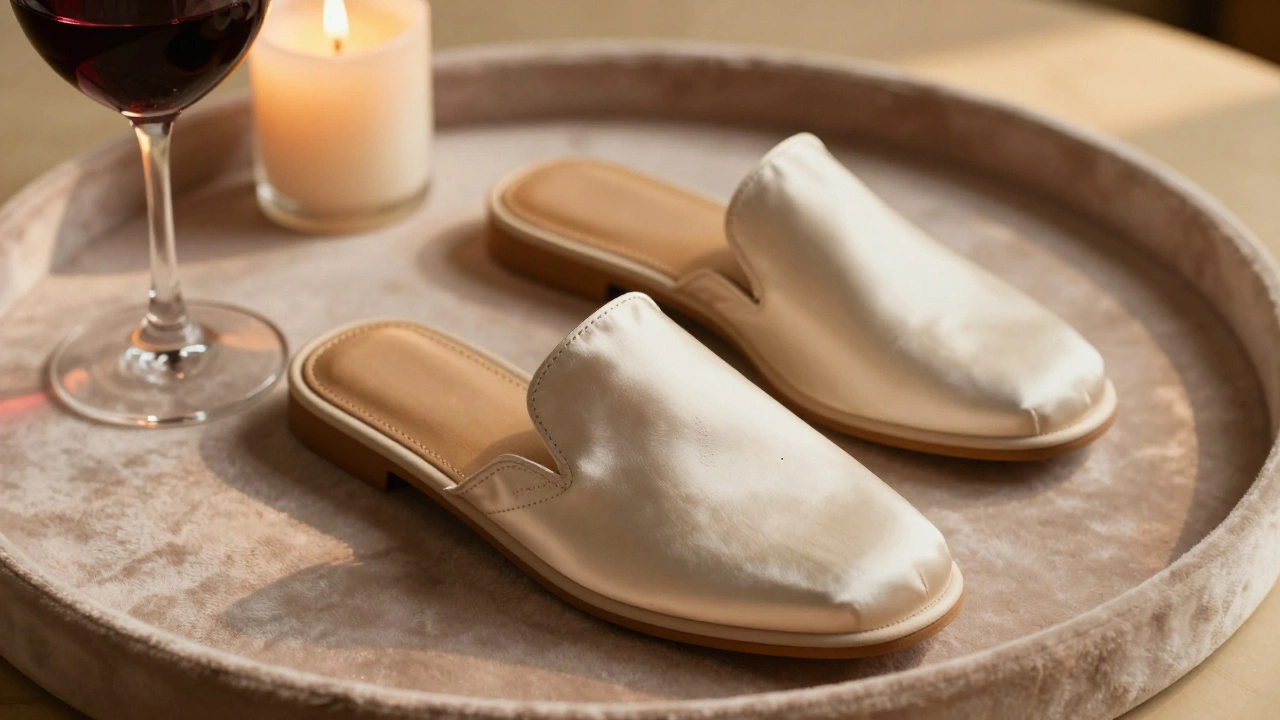
Here’s the truth no one tells you: the animal matters-but how the leather is tanned and how the shoe is built matters more. A poorly tanned cowhide will crack in a year. A well-tanned goatskin can last decades. Vegetable-tanned leather ages beautifully, developing a rich patina. Chrome-tanned leather is softer and more water-resistant, but it doesn’t age as gracefully. Also, a shoe with a Goodyear welt (stitched sole) will outlast one glued together by miles. So don’t just look at the leather type. Check the stitching. Feel the sole. Ask how it was tanned. A $300 shoe made with good cowhide and proper construction will beat a $600 exotic leather shoe with a glued sole every time.
The Verdict: Best Animal Leather for Shoes
So which animal leather is the best? It depends on what you need.
- For durability and value: cowhide. It’s the standard for a reason.
- For comfort and flexibility: goatskin. It’s the sweet spot for everyday wear.
- For luxury and style: lambskin. But only if you treat them gently.
- For breathability: pigskin lining. Don’t ignore this-it’s what keeps your feet dry.
- For show-stopping looks: ostrich or alligator. Just know you’re buying a conversation piece, not a workhorse.
There’s no single “best” leather. But if you want one that balances strength, comfort, and longevity? Goatskin is the quiet champion. It’s not the cheapest. It’s not the flashiest. But it’s the one that makes you forget you’re even wearing shoes.
Is cowhide leather the most durable for shoes?
Yes, cowhide is among the most durable leathers for shoes, especially when it’s full-grain or top-grain. It’s thick, tightly packed, and resists abrasion better than most other leathers. It’s the standard for work boots, hiking shoes, and everyday dress shoes because it can handle daily wear, moisture, and rough surfaces without breaking down quickly. With proper care, cowhide shoes can last 5 to 10 years.
Why is goatskin leather considered better than cowhide for some shoes?
Goatskin is lighter and more flexible than cowhide, which makes it ideal for shoes that need to conform to the foot quickly. Its natural fiber structure gives it excellent tear resistance despite being thinner. This means goatskin shoes feel softer from day one and don’t require a long break-in period. They’re also more breathable, making them comfortable for all-day wear. While cowhide wins in raw toughness, goatskin wins in comfort and ease of movement.
Can lambskin leather be worn every day?
Lambskin is too delicate for daily, high-traffic use. It’s soft and luxurious, but it scuffs easily from minor contact, stains with water, and wears thin quickly under pressure. It’s best reserved for dress shoes worn indoors or on dry days. If you plan to walk on wet pavement, gravel, or rough surfaces, lambskin will show damage within weeks. It’s a luxury material for special occasions-not everyday wear.
Is exotic leather like alligator or snake worth the price?
Exotic leathers like alligator and snake are expensive because they’re rare and visually striking, not because they’re superior in performance. Alligator leather is fragile and requires constant conditioning. Snake leather is thin and prone to cracking. They’re not more durable than cowhide or goatskin. You’re paying for aesthetics and status, not longevity. Unless you’re collecting designer pieces or need them for a specific event, they’re not a practical investment for daily footwear.
Does the tanning process affect leather quality more than the animal source?
Absolutely. A poorly tanned cowhide can crack in a year. A well-tanned goatskin can last decades. Vegetable tanning creates a natural, breathable leather that ages with character. Chrome tanning makes leather softer and more water-resistant but can reduce breathability and longevity. The construction of the shoe matters too-Goodyear welted soles last longer than glued ones. So while the animal gives you the base material, how it’s processed and how the shoe is built determines its real performance.