T-shirt Cost Per Wear Calculator
Calculate how much each wear costs you. This helps compare T-shirts beyond just price. Remember: a $40 shirt worn 100 times costs 40¢ per wear, while a $15 shirt that lasts only 10 washes costs $1.50 per wear.
There’s no such thing as one best T-shirt company for everyone. What works for a gym-goer in Tokyo won’t suit a teacher in Auckland who wants something soft for grading papers on the couch. The truth? The best T-shirt company is the one that matches your needs - whether that’s durability, comfort, ethics, or style. And in 2025, you’ve got more options than ever.
What makes a T-shirt company truly good?
It’s not just about the logo on the chest. A great T-shirt company delivers on five core things: fabric, fit, durability, transparency, and value.
Start with the fabric. Most cheap T-shirts use 100% cotton, but not all cotton is the same. Ring-spun cotton is smoother and stronger than open-end cotton. Organic cotton is grown without pesticides - and it’s softer on skin. Some brands now blend cotton with TENCEL™ or recycled polyester to improve stretch and reduce shrinkage. If a brand doesn’t say what kind of cotton they use, that’s a red flag.
Fit matters too. A good T-shirt doesn’t cling like a second skin or hang like a tablecloth. Brands like Uniqlo use precise measurements for their fits - slim, regular, and relaxed - and stick to them across sizes. No guessing. No returns.
Durability? Wash it 50 times and it shouldn’t look like a ghost. Look for double-stitched hems, reinforced necklines, and fabric weight between 160-200 GSM. Anything below 150 GSM tears too easily. I’ve owned T-shirts from three different brands that lasted over three years with daily wear. Only one of them still looked new.
Transparency is new but critical. In 2025, consumers don’t just want a good T-shirt - they want to know where it came from. Who made it? Were they paid fairly? Is the dye non-toxic? Companies like Pact and Thought Clothing publish factory locations and wage data. If a brand won’t tell you, they’re hiding something.
And value? It’s not about the lowest price. It’s about cost per wear. A $40 T-shirt worn 100 times costs 40 cents per wear. A $15 T-shirt that fades after 10 washes costs $1.50 per wear. The math doesn’t lie.
Top T-shirt companies in 2025
Here are the brands that consistently deliver across all five criteria - based on real user feedback, durability tests, and supply chain reviews.
1. Uniqlo
Uniqlo’s Ultra Light Down and Heattech lines get all the attention, but their cotton T-shirts are quietly legendary. Made with 100% fine-grade Japanese cotton, they’re lightweight, breathable, and hold their shape after dozens of washes. The fit is clean and slightly tailored - perfect under blazers or alone with jeans. Prices start at $15. They don’t market themselves as eco-friendly, but they’ve reduced water use by 30% in their cotton production since 2020. For everyday wear, they’re hard to beat.
2. Pact
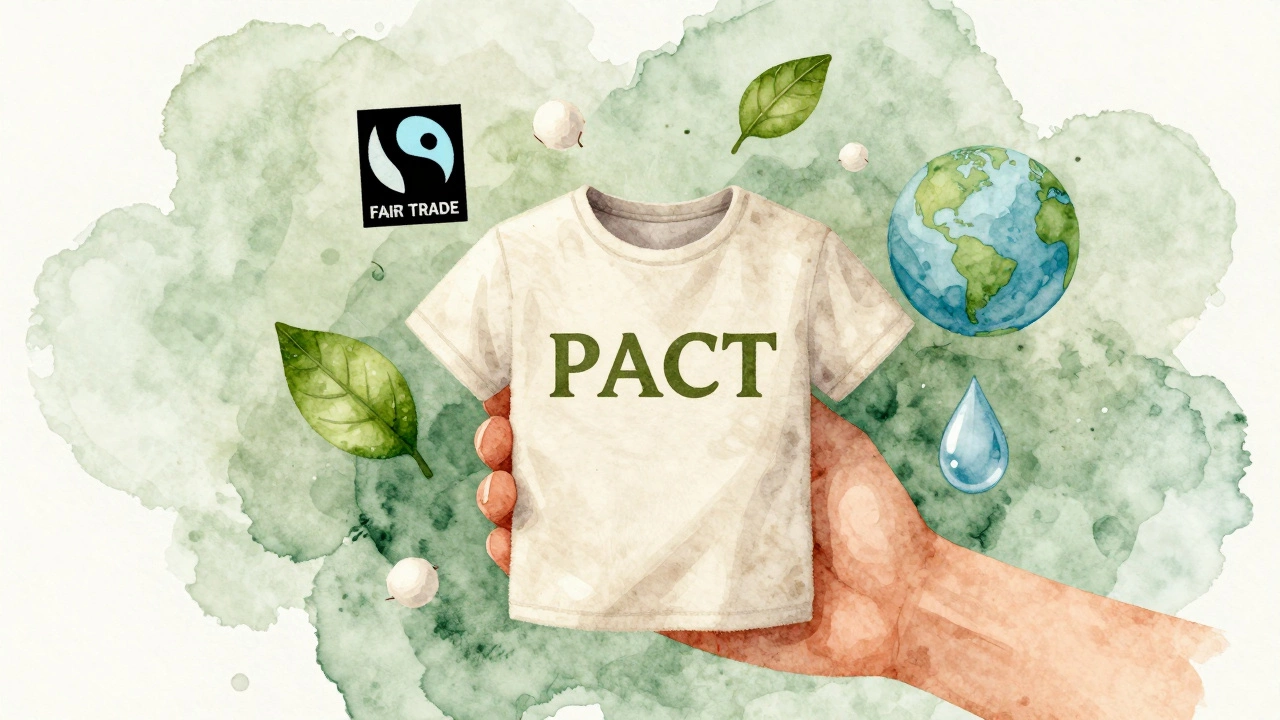
If ethics matter more than brand name, Pact is your go-to. Certified Fair Trade, GOTS organic cotton, and 100% carbon-neutral shipping. Their T-shirts feel like worn-in linen - soft from day one, no break-in period. They offer a wide range of colors, including muted tones that don’t fade in the sun. The fit is relaxed, not baggy. Prices range from $22-$28. You won’t find a more transparent brand in this price range. One user in Portland told me she’s bought 17 Pact T-shirts in three years. None have pilled.
3. Bella+Canvas
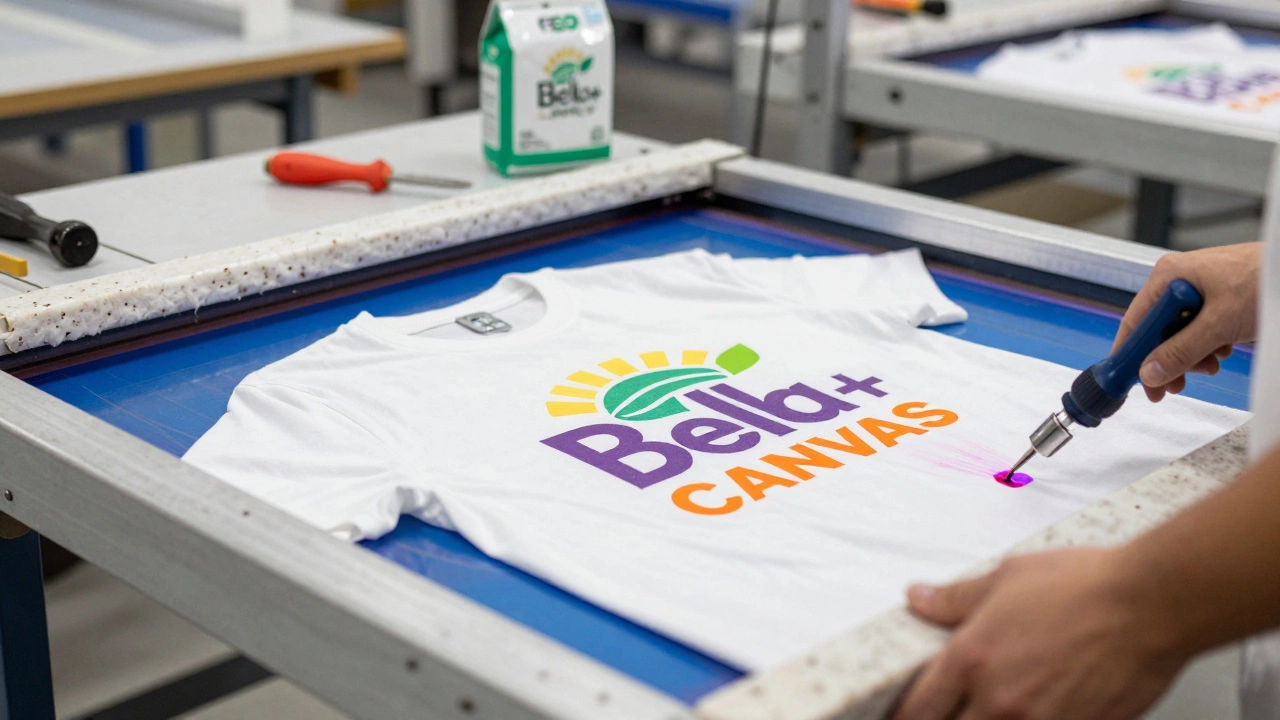
Used by hundreds of indie designers and print-on-demand shops, Bella+Canvas is the industry’s best-kept secret. Their 3001 model is the most popular T-shirt in the U.S. for custom printing. Why? It’s made from a blend of 50% recycled polyester and 50% combed ring-spun cotton. That means less shrinkage, better print adhesion, and a softer feel than 100% cotton. It’s slightly more expensive than Hanes, but the quality jump is huge. Retail prices start at $18. If you’re buying in bulk for a team or event, this is the one professionals choose.
4. Thought Clothing
Based in the UK, Thought focuses on natural fibers: organic cotton, hemp, and modal. Their T-shirts have a slightly loose, bohemian cut - great for layering or wearing loose. They use low-impact dyes and ship in recycled packaging. The fabric feels luxurious, almost like silk, but it’s 100% plant-based. Prices are higher - $35-$45 - but they’re designed to last a decade. I’ve seen one in a thrift store in Wellington that was 8 years old and still looked brand new.
5. Everlane
Everlane’s “Radical Transparency” campaign made them famous. They show you the exact cost breakdown of each item - factory, materials, shipping. Their T-shirts are made in a Fair Trade Certified factory in Sri Lanka using 100% organic cotton. Fit is modern slim - not tight, but not oversized. They offer a 100-day return policy, which is rare. Price? $30. It’s not the cheapest, but it’s the most honest. If you want to know exactly what you’re paying for, Everlane is the closest thing to a textbook example.
Who should buy what?
Not everyone needs the same thing. Here’s a quick guide:
- For daily wear and value → Uniqlo. Reliable, consistent, affordable.
- For eco-conscious buyers → Pact or Thought. Both use organic materials and ethical labor.
- For printing custom designs → Bella+Canvas. Best fabric for screen printing and DTG.
- For luxury feel and longevity → Thought Clothing. Feels like a high-end garment.
- For trust and clarity → Everlane. No marketing fluff, just facts.
What to avoid
Not all big names are good. Hanes and Fruit of the Loom are fine for basic undergarments, but their T-shirts are made with low-grade cotton that pills after a few washes. Amazon Basics T-shirts look cheap on camera and feel even cheaper on skin. They’re often made in factories with no public labor standards.
Also avoid brands that say “premium” but don’t back it up. Some use vague terms like “artisanal” or “handcrafted” without showing where or how. If there’s no factory address, no material breakdown, or no certifications - walk away.
How to test a T-shirt before you buy
You don’t need to buy five to find the right one. Here’s how to test in-store or online:
- Check the fabric weight. Look for 160-200 GSM. If it’s not listed, hold it up to the light. You shouldn’t see much through it.
- Stretch the neckline. If it snaps back quickly, it’s well-made. If it stays stretched, the knit is poor.
- Feel the seams. Double stitching means durability. Single stitching? It’ll unravel.
- Smell it. If it smells like chemicals, the dye or finish isn’t safe.
- Look for certifications. GOTS, Fair Trade, or OEKO-TEX® mean something.
Final thoughts
The best T-shirt company isn’t the one with the biggest ad budget. It’s the one that respects your body, your wallet, and the planet. In 2025, you can get a T-shirt that’s soft, lasts years, and was made without exploiting people or polluting rivers. You just have to know where to look.
Start with your priority. Need something cheap and reliable? Go Uniqlo. Care about the planet? Pact or Thought. Want to print your own design? Bella+Canvas. Want total honesty? Everlane. You don’t need to buy from all of them. Just pick the one that fits your life.
What is the most durable T-shirt material?
The most durable T-shirt material is a blend of 50% combed ring-spun cotton and 50% recycled polyester, like Bella+Canvas uses. Pure cotton can shrink and pill, but blending it with polyester improves strength and shape retention. For 100% cotton, look for organic, ring-spun cotton with a weight of 180-200 GSM - it lasts longer than thin, low-grade cotton.
Are organic cotton T-shirts worth the extra cost?
Yes, if you care about the environment and your skin. Organic cotton is grown without synthetic pesticides or GMOs, which reduces water pollution and soil damage. It’s also softer because the fibers aren’t damaged by harsh chemicals during processing. Brands like Pact and Thought use organic cotton and pay fair wages. You’re not just buying a shirt - you’re supporting a cleaner supply chain.
Why do some T-shirts shrink after washing?
T-shirts shrink because the cotton fibers haven’t been pre-shrunk. Cheap brands skip this step to save money. Pre-shrunk cotton is treated with heat and moisture before cutting, so it won’t shrink much after washing. Look for “pre-shrunk” on the label. If it’s not there, wash in cold water and air dry to minimize shrinkage.
Is it better to buy T-shirts online or in-store?
It depends. If you’re buying from a brand you know - like Uniqlo or Everlane - online is fine. Their sizing is consistent. But if you’re trying a new brand, try one in-store first. Feel the fabric, test the stretch, check the stitching. Once you know what works, you can buy online with confidence. Many brands offer free returns, so you can order multiple sizes and send back the ones that don’t fit.
What’s the difference between a regular T-shirt and a premium one?
Premium T-shirts use better fabric (like organic or ring-spun cotton), have reinforced stitching, and are made in factories with fair labor practices. They’re often pre-washed to prevent shrinkage and dyed with non-toxic dyes. The fit is more precise, and they’re designed to last years, not months. You’ll notice the difference in how it feels on your skin and how it holds up after 20 washes.
Next steps
If you’re ready to upgrade your T-shirt game, start by picking one brand from the list above that matches your top priority - comfort, ethics, or durability. Buy one. Wear it for a week. Wash it. See how it holds up. Then decide if it’s worth adding more to your drawer.
Don’t buy five at once. Buy one. Test it. Then buy the next. Your closet - and the planet - will thank you.