T-Shirt Cost Per Wear Calculator
Is that $45 shirt really more expensive than the $10 one? Enter the details below to see which offers better long-term value.
Analysis Results
| Fast Fashion | Premium | |
|---|---|---|
| Cost Per Wear | $0.00 | $0.00 |
| Total Cost for 100 Wears* | $0.00 | $0.00 |
You just walked out of a boutique holding a plain white T-shirt that cost $45. You look at it, then you look at the rack of $10 tees at the supermarket down the street. It feels like a rip-off, right? But here is the thing: that $10 shirt isn't actually cheap. It’s subsidized by low wages, synthetic blends, and massive volume discounts that hide the real price of production. When you pay more for a quality tee, you aren't just buying fabric; you're paying for the invisible labor, environmental standards, and durability that fast fashion cuts to save pennies.
| Component | Fast Fashion Tee ($10) | Premium Tee ($45) |
|---|---|---|
| Cotton Quality | Short-staple, blended with polyester | Long-staple Supima or Organic Cotton |
| Labor Cost | ~$0.50 - $1.00 (often below living wage) | $5.00 - $8.00 (fair wage certified) |
| Construction | Single stitch, thin fabric (120gsm) | Double-needle stitching, heavy fabric (180-220gsm) |
| Lifespan | 10-20 washes before shape loss | 50+ washes maintaining structure |
| Environmental Impact | High pesticide use, high water waste | Lower impact, biodegradable materials |
The Raw Material Reality: Why Cotton Isn't Just Cotton
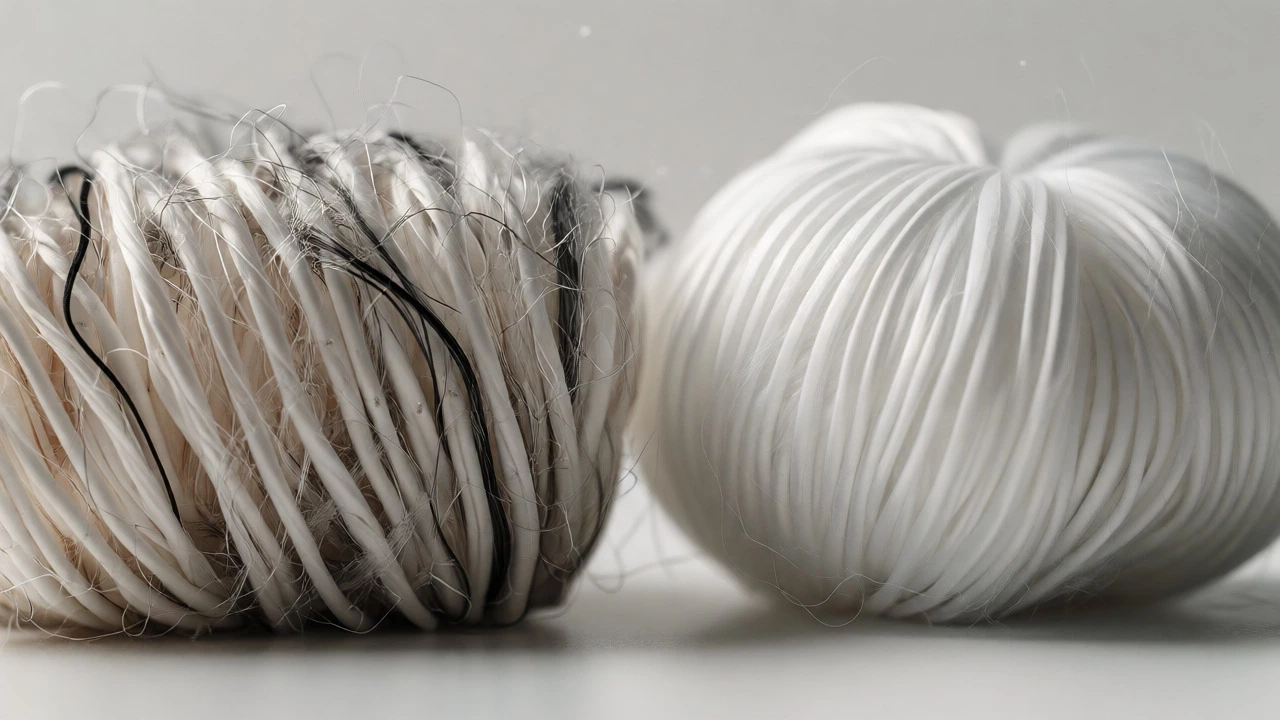
Let's start at the source. Not all cotton is created equal, and this is where the first major price jump happens. The cheapest t-shirts on the market often use short-staple cotton or blends mixed with polyester. Short-staple fibers are shorter strands of cotton fiber. They break easily during spinning, resulting in a weaker yarn that pills quickly and feels rough against the skin. To keep costs down, manufacturers mix this lower-grade cotton with synthetic fibers like polyester, which is essentially plastic derived from petroleum.
On the other end of the spectrum, premium brands use long-staple cotton varieties like Supima or Egyptian Giza cotton. These fibers are longer, stronger, and smoother. A shirt made from 100% long-staple cotton requires higher-quality raw materials, which can cost two to three times more per pound than commodity cotton. Furthermore, if the brand claims to be sustainable, they might use organic cotton. Growing organic cotton without synthetic pesticides and fertilizers yields less crop per acre but protects soil health. This lower yield drives up the price of the raw material before a single thread is even spun.
Labor Costs: The Human Element Often Ignored
If you think the fabric is the biggest cost driver, think again. In many cases, labor is the most undervalued component in the global supply chain. For a mass-produced t-shirt sold in Western markets, the actual money going to the person sewing the garment can be as little as 1% to 3% of the retail price. If you buy a $10 shirt, the seamster might have earned cents for their work.
When a company charges $40 or $50 for a tee, a significant portion of that markup goes toward ensuring fair wages. Ethical manufacturing certifications, such as those provided by Fair Trade USA or B Corp standards, require factories to pay living wages, provide safe working conditions, and limit overtime. In countries like Bangladesh, Vietnam, or Portugal, labor laws vary wildly. A brand committed to transparency pays a premium to audit these factories and ensure workers aren't being exploited. This isn't charity; it's the true cost of human labor. When you see a high price tag, ask yourself: who got paid fairly to make this?
Manufacturing Complexity and Quality Control
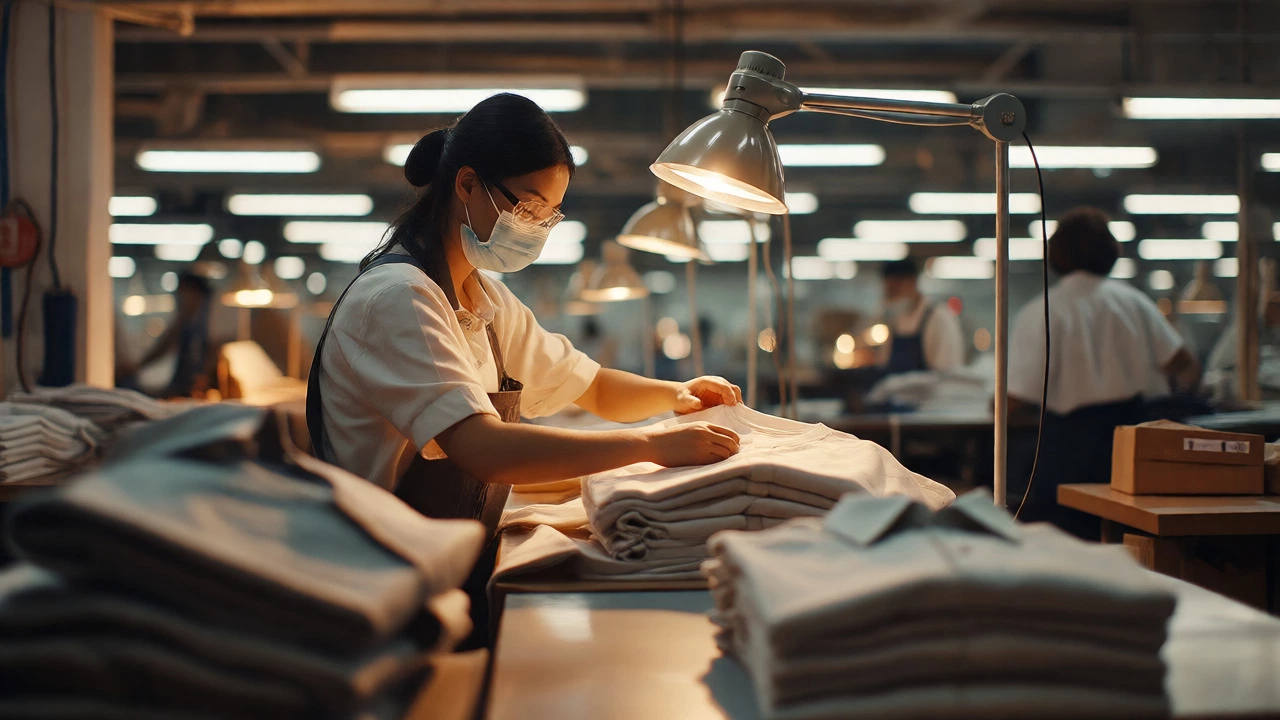
Making a t-shirt sounds simple-cut, sew, done. But achieving consistency at scale is incredibly difficult. High-end brands invest heavily in pattern grading and fit testing. A generic tee might use one standard pattern for all sizes, leading to boxy shoulders or awkward sleeve lengths. A premium brand will hire technical designers to create specific fits for different body types, testing prototypes repeatedly until the drape is perfect.
Then there is the construction itself. Look at the seams. Cheap shirts often use overlock stitching with no reinforcement, meaning the shoulder seams can unravel after a few washes. Higher-priced shirts typically feature taped necklines to prevent stretching and double-needle stitching on hems and sleeves. These details add minutes to the assembly line time, increasing labor costs directly. Additionally, quality control checks become more rigorous. Instead of sampling one shirt per thousand, a premium manufacturer might inspect every tenth unit, rejecting batches that don't meet strict color-fastness or shrinkage standards. That rejection rate costs money, which is passed on to you.
Branding, Marketing, and Retail Margins
Here is the uncomfortable truth: not all of your money goes into the shirt. A significant chunk covers the brand's existence. Design teams, marketing campaigns, social media management, and website hosting all cost money. If a brand sponsors an influencer or runs ads on Instagram, those costs are baked into the product price.
Retail margins also play a huge role. Traditional brick-and-mortar stores need to cover rent, staff salaries, and utilities. If you buy a shirt from a local boutique in Auckland, the shop owner likely bought it wholesale at half the retail price. That margin allows them to stay open. Direct-to-consumer (DTC) brands try to cut out the middleman, offering lower prices for similar quality, but they still spend heavily on shipping and returns handling. Returns are expensive. Processing a return costs a company roughly 66% of the original shipping cost plus restocking fees. Brands with generous return policies factor this risk into their base price.

Is It Worth Paying More?
This brings us to the value proposition. Is a $50 t-shirt five times better than a $10 one? Physically, maybe not quite five times. But economically, yes. Consider the cost per wear. A $10 fast-fashion tee might lose its shape, fade, or develop holes after 15 washes. That’s about $0.66 per wear. A $50 premium tee, properly cared for, can last 50 to 70 washes while retaining its color and fit. That drops the cost per wear to under $1.00 initially, but decreases significantly over time. Plus, you avoid the frustration of a shrinking collar or a see-through fabric.
There is also the psychological aspect. Wearing a well-fitted, durable garment feels better. The fabric breathes better because natural fibers like cotton absorb moisture, whereas polyester traps sweat. If you live in a warm climate like New Zealand, that comfort difference is tangible. You aren't just paying for a logo; you're paying for longevity, comfort, and ethics.
How to Spot Overpriced Hype
Just because a shirt is expensive doesn't mean it's worth it. Some brands charge a premium solely for a small embroidered logo. How do you tell if you're getting good value? Check the GSM (grams per square meter). A decent heavyweight tee starts around 180gsm. Anything under 140gsm is likely thin and flimsy unless it's designed for athletic wicking. Check the label for fiber content. Avoid "poly-cotton" blends if you want breathability. Look for reinforced seams. And finally, research the brand's supply chain transparency. If they can't tell you where the cotton was grown or who sewed the shirt, you're likely paying for marketing, not manufacturing quality.
Why are organic cotton t-shirts more expensive?
Organic cotton costs more because it yields less per acre than conventional cotton since it cannot use synthetic pesticides or fertilizers. It also requires more manual labor for weeding and pest control. Additionally, organic certification processes add administrative costs to the supply chain.
Do expensive t-shirts last longer?
Generally, yes. Higher-priced t-shirts usually use longer-staple cotton fibers that resist pilling and breaking. They also often feature reinforced stitching and heavier fabric weights (GSM), which maintain structural integrity through more wash cycles compared to lightweight fast-fashion alternatives.
What does GSM mean in t-shirts?
GSM stands for Grams per Square Meter. It measures the weight and thickness of the fabric. A standard lightweight tee is around 120-140 GSM. Mid-weight tees are 150-180 GSM, and heavyweight premium tees are 190-220+ GSM. Higher GSM usually indicates greater durability and opacity.
Are direct-to-consumer brands cheaper than retail brands?
Often, yes. Direct-to-consumer (DTC) brands sell directly to customers online, bypassing wholesale distributors and physical retail stores. This removes the traditional retail markup, allowing DTC brands to offer higher quality materials at lower prices than traditional department store equivalents, though they may incur higher individual shipping costs.
Does the country of origin affect the price?
Yes. Manufacturing in countries with higher labor standards and wages, such as Portugal, Japan, or the United States, results in higher production costs compared to countries with lower minimum wages like Bangladesh or Vietnam. However, higher-cost regions often offer faster turnaround times and stricter quality control.