Boyfriend Shirt Style Matcher
Your Styling Strategy
Recommended Sizing:
Key Accessories:
Why this works:
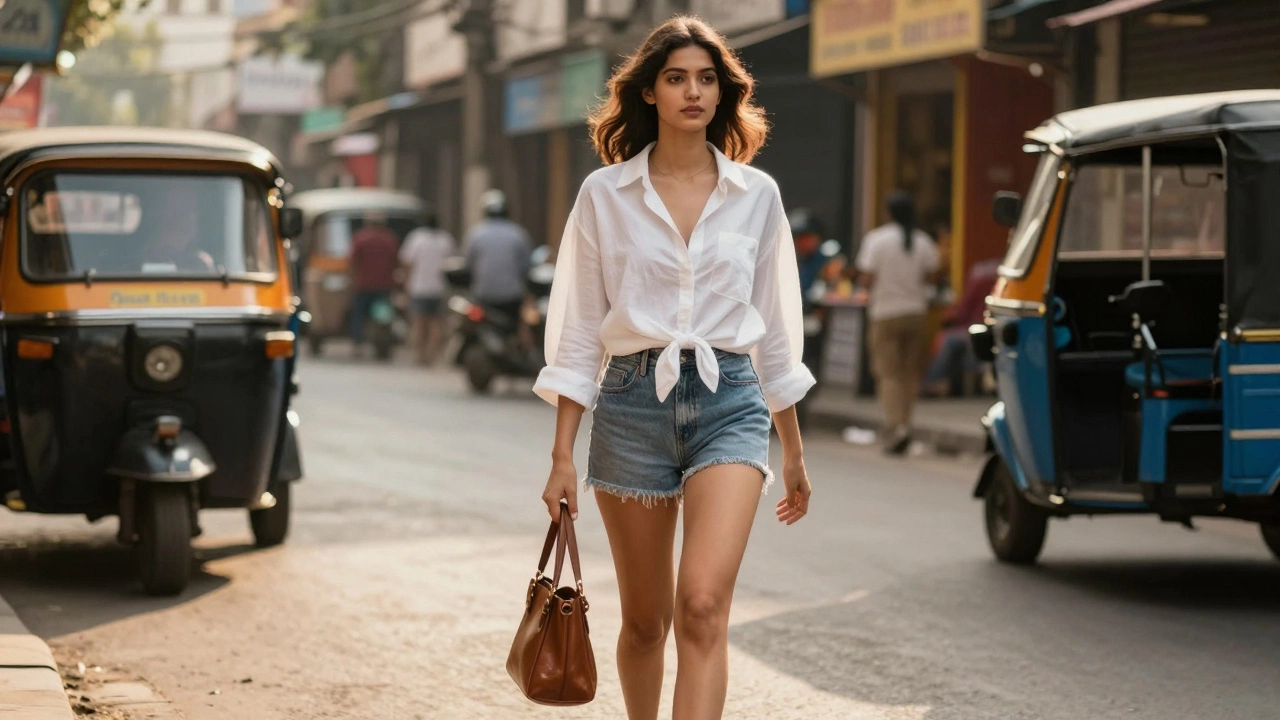
Walk down any street in Auckland or scroll through your social media feed, and you’ll see it: a girl rocking a t-shirt that clearly belongs to someone else. It’s baggy, maybe a bit long, and definitely not tailored to her frame. For years, this look was dismissed as a lazy morning outfit or a sign that she just couldn’t find her own clothes. But today, wearing a boyfriend shirt is one of the most intentional, dominant styles in global fashion. So, why do girls wear guys shirts? Is it just about comfort, or is there something deeper going on?
The answer isn’t simple. It’s a mix of physical comfort, psychological signaling, economic sense, and a rebellion against traditional gender norms. Let’s break down exactly why this trend has stuck around for decades and why it’s more popular than ever in 2026.
The Comfort Factor: Why Fit Matters Less Than Feel
Let’s start with the most obvious reason: men’s shirts are comfortable. Women’s fashion has historically prioritized aesthetics over ease. Think about it-women’s tops often feature tighter cuts, delicate fabrics like silk or thin cotton blends, and intricate details like buttons, zippers, or lace that can dig into the skin. A standard men’s t-shirt, by contrast, is usually made from heavier, durable cotton jersey. It’s cut loosely to allow for movement, with wider armholes and a relaxed torso fit.
For many women, especially those who work long hours or live active lifestyles, the relief of slipping into a garment that doesn’t restrict breathing or require constant adjustment is unmatched. This isn’t just anecdotal; textile studies have shown that looser fits reduce skin irritation and heat retention compared to tight-fitting synthetic blends common in fast fashion. When you’re tired after a long day, the last thing you want is a top that feels like a second skin. You want an embrace, not a constraint. That’s what a guy’s shirt provides.
Are men's shirts actually more durable than women's?
Yes, generally. Men's basic tees are often constructed with higher GSM (grams per square meter) cotton, meaning the fabric is thicker and less likely to stretch out or tear after repeated washing. Women's fashion tees frequently use thinner, cheaper materials to achieve specific draping effects, which reduces longevity.
Psychological Signaling: Borrowing Masculinity
Fashion is never just about cloth; it’s communication. Wearing a partner’s shirt sends a subtle but powerful message. Psychologists call this "borrowed masculinity." By wearing clothing coded as male, women can project traits traditionally associated with men: strength, authority, stability, and protection. It’s a form of non-verbal armor. In professional settings or public spaces where women might feel vulnerable, a loose, structured shirt can create a sense of anonymity and security.
There’s also the element of intimacy. If the shirt belongs to a partner, it carries their scent and presence. It’s a comforting reminder of connection. Even if the shirt is bought new, the style evokes the idea of a protective figure. This taps into deep-seated cultural narratives about safety and care. It’s not about wanting to be a man; it’s about accessing the perceived benefits of masculine presentation without sacrificing femininity entirely. Many women pair these oversized shirts with feminine accessories-delicate jewelry, heels, or makeup-to balance the look, creating a "soft power" aesthetic.

Economic Sense: One Shirt, Two Ways
Let’s talk money. Fast fashion has made clothes cheaper, but quality has dropped. A well-made men’s plain white tee or graphic shirt often costs less than a comparable women’s fashion top because it lacks complex tailoring. Moreover, men’s sizes are more standardized. A size Medium in men’s is relatively consistent across brands, whereas women’s sizing can vary wildly between stores, making online shopping a gamble.
Buying a men’s shirt offers versatility. It can be worn as a dress, tucked into jeans, knotted at the waist, or layered under a blazer. This "one piece, multiple looks" approach appeals to consumers trying to build capsule wardrobes. In an era where sustainability is a major concern, choosing a durable, versatile garment that lasts years rather than months is a smart financial and environmental decision. Why buy three trendy, fragile tops when one sturdy guy’s shirt can serve you through seasons?
Rebellion Against Gender Norms
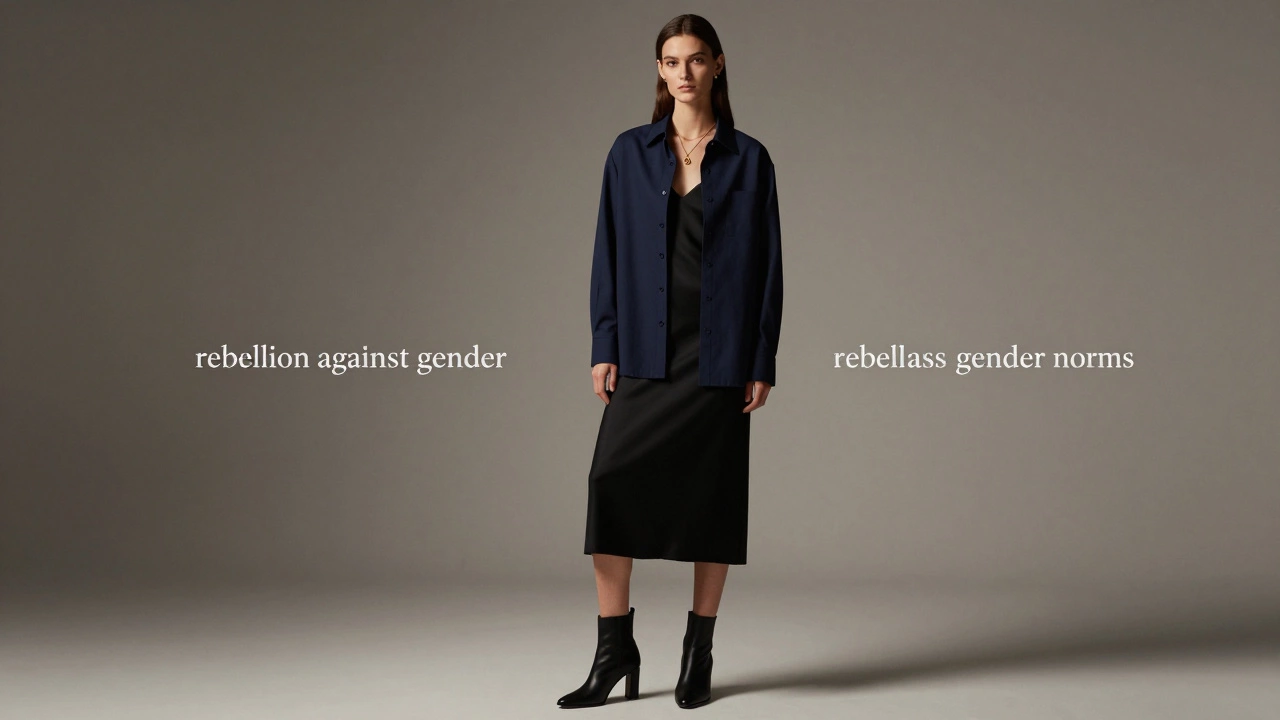
Historically, women were expected to dress in ways that emphasized their curves and fragility. Corsets, tight skirts, and restrictive dresses limited movement and reinforced societal roles. The shift toward wearing men’s clothing began in earnest in the early 20th century with figures like Coco Chanel introducing trousers and simpler silhouettes. Today, wearing a guy’s shirt is a continuation of that rebellion. It rejects the idea that women must always be "put together" or visually appealing to others.
This trend aligns with broader movements toward gender-neutral fashion. Brands are increasingly releasing unisex lines, acknowledging that clothing shouldn’t be strictly divided by biological sex. By wearing a guy’s shirt, women participate in dismantling rigid gender binaries. It’s a small act of defiance that says, "I choose how I present myself, regardless of traditional expectations." This resonates strongly with younger generations who value authenticity and individuality over conformity.
The Aesthetic Appeal: Effortless Chic
Finally, let’s address the visual aspect. There’s a certain allure to the "effortless" look. In a world where everyone is curated and polished on social media, looking slightly undone can be refreshing. An oversized shirt creates interesting proportions. It elongates the legs when paired with shorts or leggings, and it adds volume to the upper body, balancing out narrower shoulders or hips. This silhouette is flattering on many body types because it doesn’t cling to problem areas.
Stylists love this look because it’s easy to accessorize. Add a belt to define the waist, throw on a denim jacket for texture, or slip into sneakers for a casual vibe. The simplicity of the shirt allows other elements of the outfit to shine. It’s a canvas rather than a statement piece. This flexibility makes it a staple in both high-end designer collections and everyday street style.
| Attribute | Men's T-Shirt | Women's Fashion Tee |
|---|---|---|
| Fabric Weight | Heavier, durable cotton (180-200 GSM) | Lighter, thinner blends (120-150 GSM) |
| Fit | Loose, boxy, relaxed | Tailored, fitted, curved hem |
| Price Point | Generally lower for basics | Higher due to design complexity |
| Versatility | High (dress, layer, casual) | Medium (specific outfits only) |
| Sizing Consistency | Standardized across brands | Varies significantly by brand |
How to Style It: Beyond Just Throwing It On
If you’re thinking of joining the trend, here’s how to make it work for you. First, choose the right size. Go one or two sizes up from his usual fit, or stick to his regular size if you prefer a less dramatic drape. Second, consider the length. If it’s too long, try knotting it at the front or tucking it partially into high-waisted pants. Third, play with layers. Wear it open over a tank top for a breezy look, or button it up for a modest vibe. Finally, don’t forget footwear. Sneakers keep it casual, while ankle boots or heels elevate the outfit for evening wear.
The key is intentionality. Don’t just wear it because it’s convenient; wear it because it expresses who you are. Whether you’re seeking comfort, making a statement, or saving money, there’s a valid reason behind every choice. And that’s what makes this trend so enduring. It’s not a fad; it’s a fundamental shift in how we think about clothing, gender, and self-expression.
Is wearing a guy's shirt considered unprofessional?
It depends on the workplace. In creative industries or casual offices, it’s perfectly acceptable. In conservative corporate environments, it might be seen as too informal. To make it work professionally, opt for a solid color, ensure it’s clean and wrinkle-free, and pair it with tailored trousers or a blazer.
What if I don't have a partner whose shirt I can borrow?
You don't need a partner! Many retailers sell "unisex" or "men's" sized tees specifically for this look. Look for brands that offer extended sizing or simply buy a men's large or extra-large in your favorite color. Thrift stores are also great places to find affordable, high-quality options.
Does this trend apply to all body types?
Yes, but styling adjustments help. Petite frames may want to avoid overly long shirts that overwhelm their height; cropping or tucking helps. Curvier bodies might appreciate the coverage and lack of clinging fabric. Experiment with different lengths and fits to find what flatters your unique shape.
Why is this trend more popular now than in the past?
Social media has amplified visibility. Influencers showcase how to style oversized shirts creatively, making it aspirational rather than just practical. Additionally, growing awareness of gender fluidity and sustainability has made unisex fashion more socially acceptable and environmentally conscious.
Can men wear women's shirts too?
Absolutely. The reverse trend exists, though it’s less common. Men wearing women’s shirts can signal sensitivity or challenge traditional masculinity. As fashion becomes more inclusive, these boundaries continue to blur, allowing everyone to explore diverse styles.