Suit Value Calculator
Configure Your Suit
Value Analysis
Enter details above to calculate the cost-per-wear and longevity value of your suit.
- Fabric & Materials: ~40%
- Labor & Craftsmanship: ~30%
- Brand & Retail Markup: ~30%
You walk into a store, see a jacket that looks identical to the one on the rack next to it, but one tag says $400 and the other says $2,500. You feel ripped off. Or maybe you’re confused. Why is there such a massive gap? It’s not just markup. It’s physics, math, and labor.
Men's suits are complex garments constructed from multiple layers of fabric, interlining, and structural elements. Unlike a t-shirt, which might require two pieces of cloth sewn together, a high-quality suit involves over 30 separate pattern pieces. The cost isn't arbitrary; it reflects the time, skill, and materials required to create a garment that moves with your body rather than against it.
The Hidden Cost of Fabric
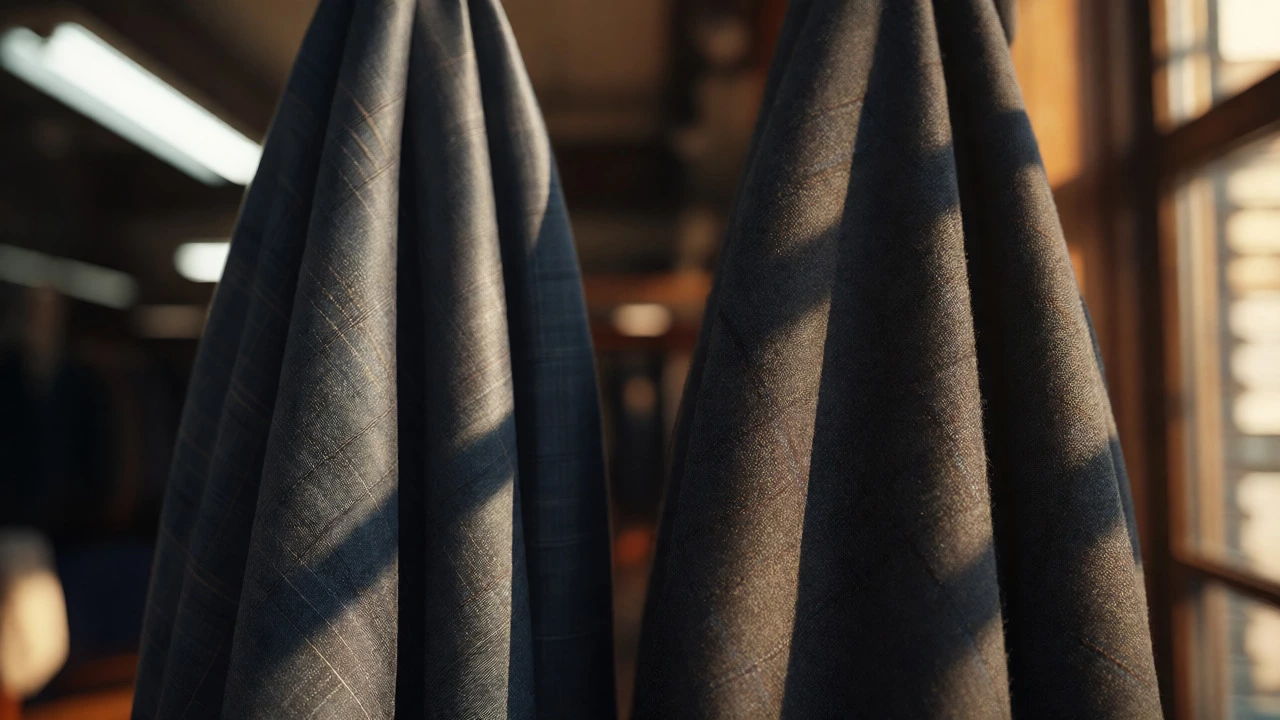
Fabric is usually the biggest single component of a suit’s price, often accounting for 30-40% of the total cost. But not all wool is created equal. When you buy a cheap suit, you’re likely getting polyester blends or low-grade wool with short fibers. These fabrics pill quickly, trap heat, and look shiny under harsh office lighting.
High-end suits use Super 110s to Super 180s wool. This number refers to the fineness of the fiber diameter measured in microns. Finer fibers mean a softer hand-feel and better drape. But here’s the catch: finer wool is more fragile. A Super 150s fabric requires careful handling and dry cleaning. Mills like Loro Piana or Scabal charge premium prices because they source specific sheep breeds, often from Australia or New Zealand, where the climate produces the finest fleece.
Beyond wool, consider lining. Cheap suits use Bemberg (cupro) or even polyester linings. Luxury brands use full silk linings or breathable viscose. Silk costs significantly more per yard and requires skilled hands to install without puckering. If you run your hand inside a cheap jacket, it feels slippery and static-prone. Inside a good one, it feels smooth and cool. That tactile difference is money.
Labor Is Not Cheap, And It Shouldn’t Be
If you think the fabric drives the price, think again. Labor is where the real value hides. A mass-produced suit might take 15 minutes to assemble using automated cutters and assembly-line stitching. Each worker does one tiny task-sewing a pocket, attaching a button-over and over. Speed is the priority.
A bespoke or high-end ready-to-wear suit can take 40 to 60 hours of manual labor. Master tailors spend days cutting patterns by hand, fitting muslin prototypes, and adjusting for posture asymmetries. In cities like London, Milan, or even Auckland, skilled tailors earn respectable wages. Their expertise isn’t replaceable by machines yet. While industrial sewing machines speed up straight seams, curved seams, lapel rolling, and shoulder construction still rely on human touch.
| Construction Type | Approximate Hours | Primary Method | Skill Level Required |
|---|---|---|---|
| Fused (Off-the-Rack) | 1-2 hours | Automated assembly line | Low |
| Half-Canvassed | 4-6 hours | Mixed machine/hand finish | Medium |
| Full-Canvassed | 10-15 hours | Heavy hand-finishing | High |
| Bespoke | 40+ hours | Predominantly hand-sewn | Master Artisan |
Canvas: The Skeleton of the Suit
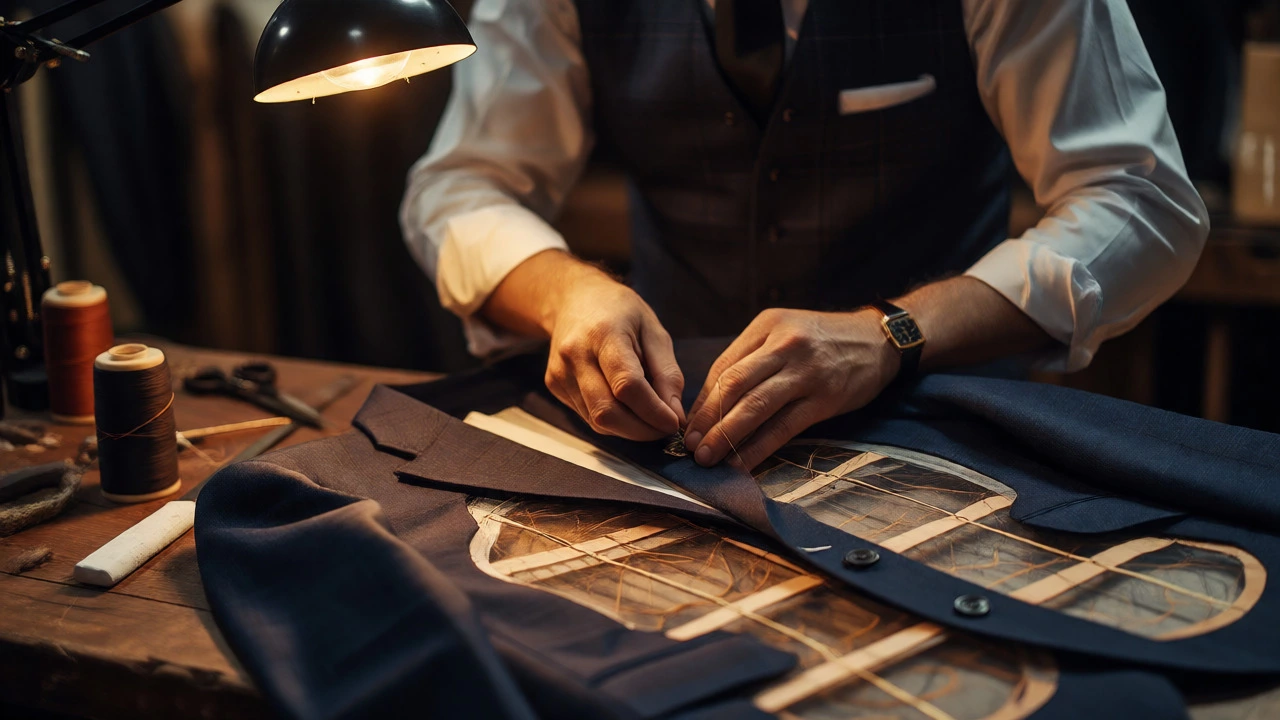
This is the part most guys ignore until their jacket starts bubbling after three years. The canvas is the layer between the outer fabric and the lining. It gives the jacket shape and structure.
Cheap suits use fused construction. They glue a synthetic interfacing to the wool with heat. It’s fast and cheap. But over time, especially if you sweat or wear it frequently, the glue breaks down. The front panels bubble and wrinkle permanently. You can’t fix this. It’s disposable.
Quality suits use floating canvases made of horsehair, wool, and cotton blends. Horsehair provides resilience-it bounces back to its original shape. This allows the chest area to mold to your body over time, creating a personalized fit. Installing a floating canvas requires hand-stitching. Machines can’t replicate the subtle tension needed to keep the lapel rolling naturally. That extra labor adds hundreds of dollars to the final price, but it extends the life of the jacket by decades.
Branding and Retail Markup
Let’s be honest: you pay for the label too. Brands like Tom Ford, Brioni, or Zegna invest heavily in marketing, flagship stores, and celebrity endorsements. A $3,000 suit might have $800 worth of materials and labor. The rest covers rent in prime locations, staff salaries, advertising campaigns, and profit margins.
Direct-to-consumer brands like Indochino or Spier & Mackay try to cut out the middleman. They offer lower prices for similar construction by selling online and reducing physical footprint. However, they lack the fitting experience of traditional tailors. You save money, but you lose the service aspect. Is the convenience worth the risk of an imperfect fit? That depends on how much you know about your own measurements.

Customization vs. Off-the-Rack
Why does a bespoke suit cost $5,000 while an off-the-rack one is $800? Customization. Bespoke means the pattern is drafted from scratch for your unique body. Most men aren’t symmetrical. One shoulder might be higher. Your posture might lean forward. Off-the-rack suits assume average proportions. If you deviate, you pay a tailor $200-$400 to alter it. Even then, you’re fighting the original design.
Bespoke eliminates these compromises. The cutter accounts for your stance, arm length, and torso curve. Multiple fittings ensure perfection. This process takes months. You’re paying for patience and precision. For many professionals, a well-fitted bespoke suit projects confidence that no amount of brand prestige can match.
How to Get Value Without Breaking the Bank
You don’t need to spend $5,000 to get a great suit. Here’s how to prioritize:
- Focus on Fit First: A $500 half-canvassed suit tailored perfectly beats a $2,000 ill-fitting designer suit every time. Budget $150-$250 for alterations.
- Check the Canvas: Pinch the bottom of the lapel. If you feel a separate layer moving independently from the outer fabric, it’s canvassed. Good sign. If it feels stiff and glued, it’s fused.
- Natural Fibers Only: Avoid polyester blends. Stick to 100% wool, cashmere, or linen. They breathe better and last longer.
- Buy Classic Styles: Trends fade. Navy and charcoal wool suits remain relevant for decades. Peak lapels and two-button jackets are safe bets.
Remember, a suit is an investment in your professional image. Cheap suits look cheap within a year. Quality suits age gracefully. Calculate the cost-per-wear. If you wear a $2,000 suit twice a week for five years, it costs less per day than a coffee. A $300 suit replaced annually costs more and looks worse each time.
Is a bespoke suit worth the extra cost?
Yes, if you wear suits regularly and have non-standard body proportions. Bespoke offers superior fit, comfort, and longevity. For occasional wearers, high-quality made-to-measure options provide a better balance of cost and customization.
What is the difference between half-canvas and full-canvas suits?
A full-canvas suit has a floating canvas layer throughout the entire front panel, offering better shape retention and durability. A half-canvas suit uses fused interfacing below the chest, making it cheaper and lighter but less resilient over time.
Why do Italian suits cost more than American ones?
Italian suits often feature lighter construction, softer shoulders, and luxurious fabrics sourced from regional mills. The craftsmanship emphasizes elegance and movement, requiring more hand-finishing techniques compared to structured American cuts.
How long should a good quality suit last?
With proper care and rotation, a high-quality full-canvas wool suit can last 5-10 years. Fused suits typically degrade visually within 1-3 years due to bubbling and fabric wear.
Do expensive suits hold their resale value?
Generally, no. Unlike watches or cars, suits depreciate quickly once worn. However, top-tier brands like Kiton or Brioni retain some value among collectors, but expect to recover only 20-30% of the original price.