Chore Coat Material Finder
What matters most to you?
Select your preferences to find the perfect chore coat material.
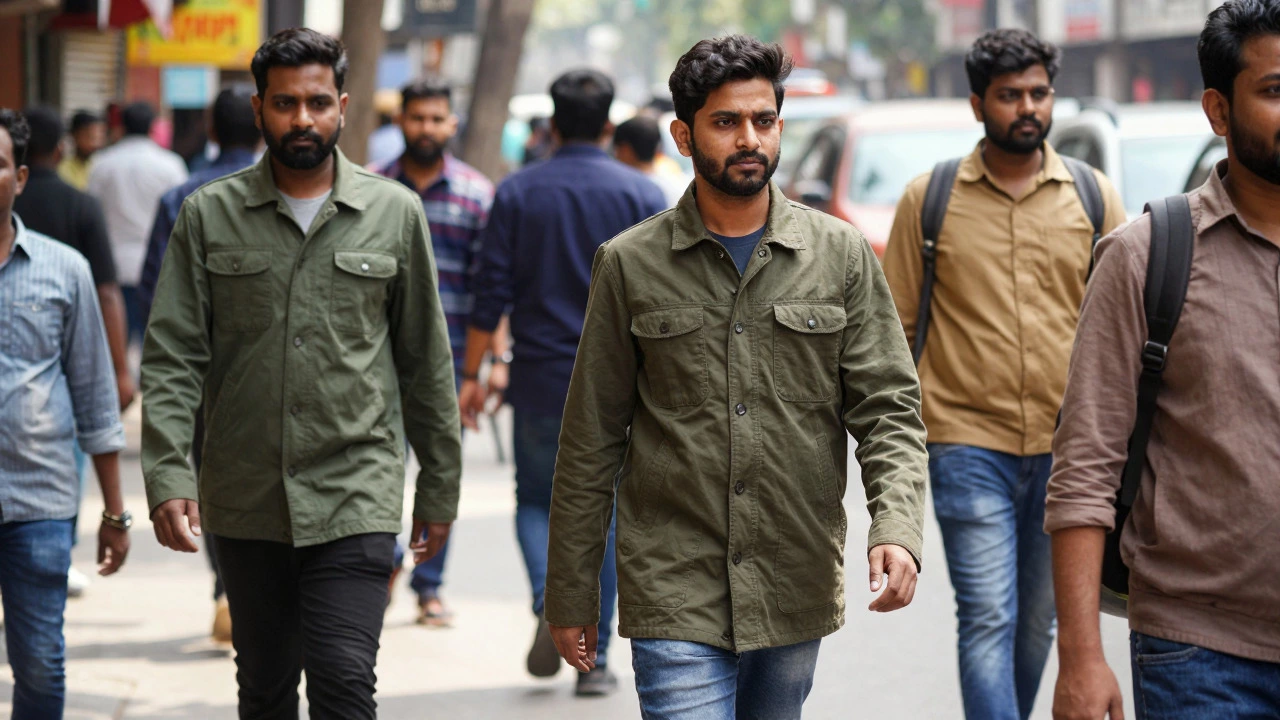
You’ve probably noticed it. Walk down any street in Auckland, scroll through your Instagram feed, or browse the latest drops from major retailers, and you’ll see them: heavy-duty jackets with large patch pockets, buttoned cuffs, and a rugged, utilitarian look. They aren’t leather biker jackets, and they aren’t sleek bomber styles. They are chore coats, once reserved for farmhands and factory workers, now dominating the casual wardrobe. It’s not just a fleeting micro-trend; it feels like a permanent shift in how we dress. But why has this specific piece of workwear become the go-to outer layer for everyone from tech workers to creative directors?
The Origins of the Chore Coat
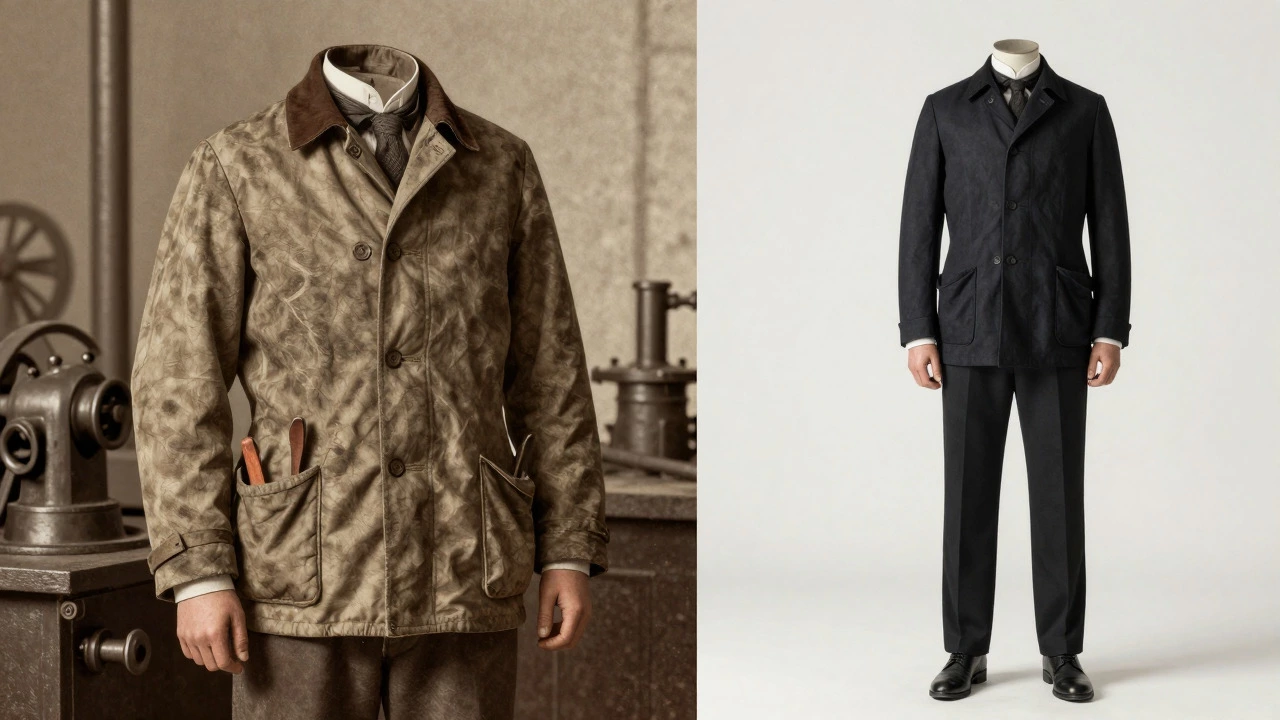
To understand why the chore coat is everywhere today, you have to look at where it came from. Unlike the tailored suit or the military-inspired trench coat, the chore coat was born purely out of necessity. In the late 19th century, American workwear brands like Benjamin Martin began producing durable garments for laborers who needed protection against dirt, grease, and rough conditions.
The original design was simple but brilliant. It featured a waist-length cut to allow freedom of movement, heavy cotton duck canvas material that could withstand abrasion, and large patch pockets designed to hold tools without bulging awkwardly. The double-button closure on the front flap kept debris out, while the buttoned cuffs prevented sleeves from catching on machinery. This wasn’t fashion; it was functional armor for the working class. Over decades, variations emerged, including the carhartt jacket and the duck jacket, each tweaking the fit or fabric slightly for different trades.
From Factory Floor to Fashion Runway
So, how did a garment meant for manual labor end up in high-end boutiques? The transition didn’t happen overnight. It started with the subcultures that valued authenticity and durability. In the mid-20th century, skaters, surfers, and musicians adopted workwear because it lasted longer than fast-fashion alternatives. These groups created a cultural cachet around the aesthetic of "worn-in" and "lived-in."
Then came the influence of designers like Ralph Lauren and later, Japanese heritage brands like Visvim and Kapital. They took the basic silhouette of the chore coat and elevated it. They experimented with premium fabrics-indigo-dyed denim, waxed canvas, and even wool blends-and refined the cuts to be more flattering for everyday wear. By the 2010s, luxury fashion houses had fully embraced the trend, placing chore coats on runways alongside evening gowns and suits. This validation signaled to the broader public that workwear was no longer just for the job site; it was acceptable, even desirable, in social settings.
Why the Chore Coat Fits Modern Life
There’s a practical reason behind the style appeal. We live in an era where versatility is king. People want clothes that can transition from a morning commute to a weekend hike without needing a change. The chore coat excels here. It’s structured enough to look put-together over a t-shirt and jeans, yet relaxed enough to pair with chinos or cargo pants.
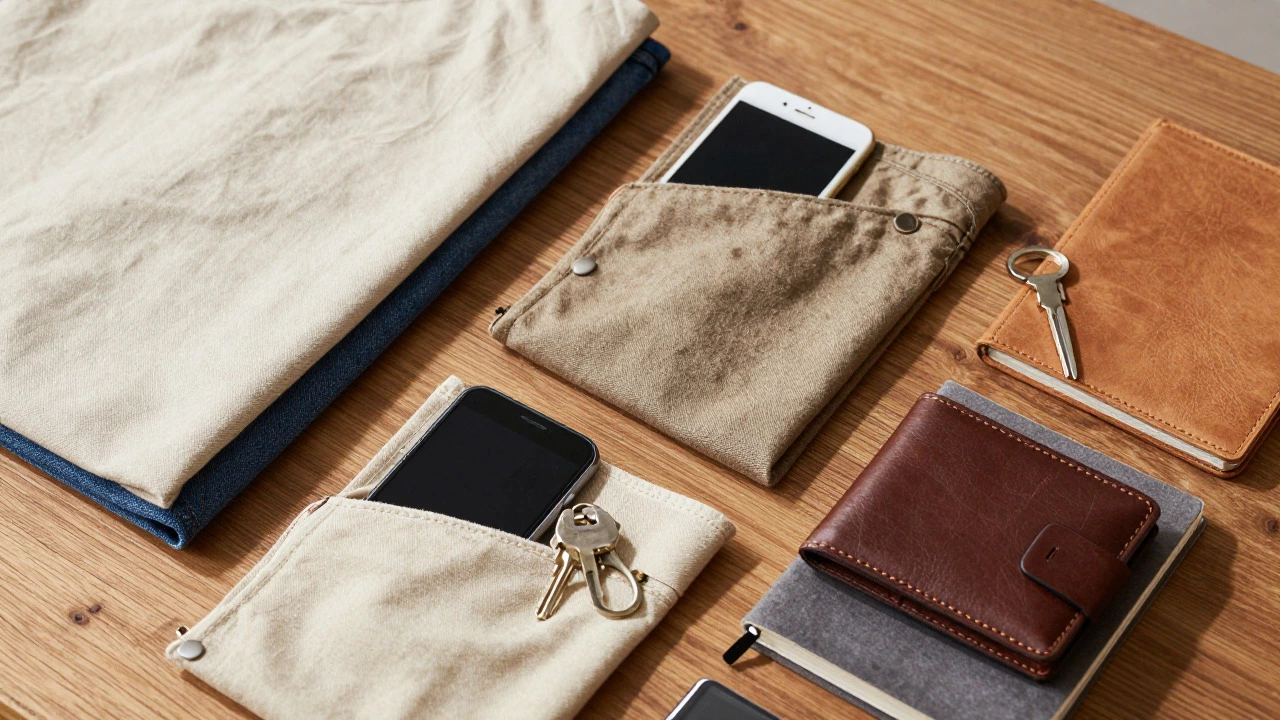
Consider the pocket situation. Most modern jackets lack sufficient storage. A chore coat typically features two large chest pockets and often additional interior ones. You can carry your phone, wallet, keys, and maybe a small notebook without needing a bag. For someone navigating a city like Auckland, where weather changes rapidly, having a lightweight but protective layer that also serves as a mobile organizer is incredibly appealing. It solves a real problem while looking good doing it.
Material Matters: Choosing Your Fabric
Not all chore coats are created equal. The fabric you choose dictates how the jacket ages, how it performs in different climates, and its overall weight. Understanding these differences helps you pick the right one for your lifestyle.
| Material | Durability | Best For | Break-in Period |
|---|---|---|---|
| Cotton Duck | High | All-season use, urban environments | Medium (softens over time) |
| Denim | Very High | Heavy wear, developing unique fades | Long (stiff initially) |
| Waxed Canvas | High | Rainy climates, outdoor activities | Low (ready to wear) |
| Wool Blend | Medium | Cooler months, smarter casual looks | None |
If you’re in a humid climate, avoid heavy wool unless it’s a light blend. Cotton duck offers the best balance of breathability and toughness. Denim is iconic but can feel hot in summer. Waxed canvas is fantastic for rain but requires maintenance to keep the water repellency intact. Knowing these trade-offs ensures your investment lasts.
Styling the Chore Coat Without Looking Costumey
One risk with strong silhouettes like the chore coat is looking like you’re wearing a costume rather than clothes. The key is balance. Since the jacket itself is visually heavy and detailed, keep the rest of your outfit simple.
- Pair with basics: A plain white or black t-shirt works perfectly. Avoid loud patterns or logos that compete with the jacket’s structure.
- Mix textures: Combine the ruggedness of the chore coat with softer materials like knit sweaters or smooth trousers. This contrast adds depth to the outfit.
- Watch the proportions: Chore coats are usually cropped at the waist. If you wear wide-leg pants, ensure the jacket isn’t too boxy, or you might look top-heavy. Slimmer fits work well with both skinny and straight-leg jeans.
- Footwear matters: Boots complement the workwear vibe naturally. Sneakers can soften the look for a more casual daytime feel. Avoid formal dress shoes unless you’re aiming for a very specific smart-casual edge.
Sustainability and Longevity
In a world obsessed with fast fashion, the chore coat represents a counter-movement. Because they are built to last, these jackets encourage a "buy less, buy better" mentality. A well-made chore coat can easily last ten years or more if cared for properly. This longevity reduces waste and saves money in the long run. Brands are increasingly highlighting their use of organic cotton, recycled materials, and ethical manufacturing processes, aligning the product with modern consumer values. When you buy a chore coat, you’re not just buying a jacket; you’re investing in a piece of clothing history that respects both the wearer and the planet.
Is the Trend Here to Stay?
Trends come and go, but certain staples endure. The chore coat has already proven its staying power by moving from niche subculture to mainstream acceptance. Its functionality gives it an advantage over purely aesthetic trends. As long as people value practicality, durability, and timeless style, the chore coat will remain relevant. It’s not about chasing what’s new; it’s about appreciating what works. Whether you’re heading to the office, meeting friends for coffee, or tackling a weekend project, this jacket adapts to your life rather than forcing you to adapt to it.
What is the difference between a chore coat and a denim jacket?
While both are workwear staples, a chore coat is typically made from cotton duck canvas and features a looser, more utilitarian fit with larger patch pockets. A denim jacket is made from denim fabric, often has a more fitted silhouette, and usually includes snap buttons instead of traditional buttons. The chore coat is generally heavier and more focused on tool storage.
How do I clean a chore coat?
Most cotton and denim chore coats can be machine washed cold on a gentle cycle. Turn the jacket inside out to protect the exterior finish. Avoid using bleach. For waxed canvas coats, spot clean with a damp cloth and re-wax periodically to maintain water resistance. Always check the care label for specific instructions.
Are chore coats suitable for women?
Absolutely. Many brands now offer women-specific fits that taper at the waist and adjust sleeve lengths. However, many women also prefer unisex or men's cuts for a relaxed, oversized look. It depends on personal preference and desired silhouette.
Can I wear a chore coat in the summer?
Lightweight cotton chore coats are breathable enough for mild summer evenings or air-conditioned environments. Heavy waxed canvas or thick denim may be too warm for hot days. Look for lighter weights and unlined versions if you plan to wear it in warmer weather.
Why are chore coats so popular right now?
The popularity stems from a combination of factors: the rise of remote work requiring versatile clothing, a growing appreciation for sustainable and durable goods, and the enduring appeal of authentic, heritage-inspired fashion. It bridges the gap between function and style effectively.