Thermal Insulation Simulator
Thermal Comfort Analysis
Calculated using wind-chill and insulation factors.
Status:
Adjust settings to calculate...
Expert Recommendations:
- No recommendations yet.
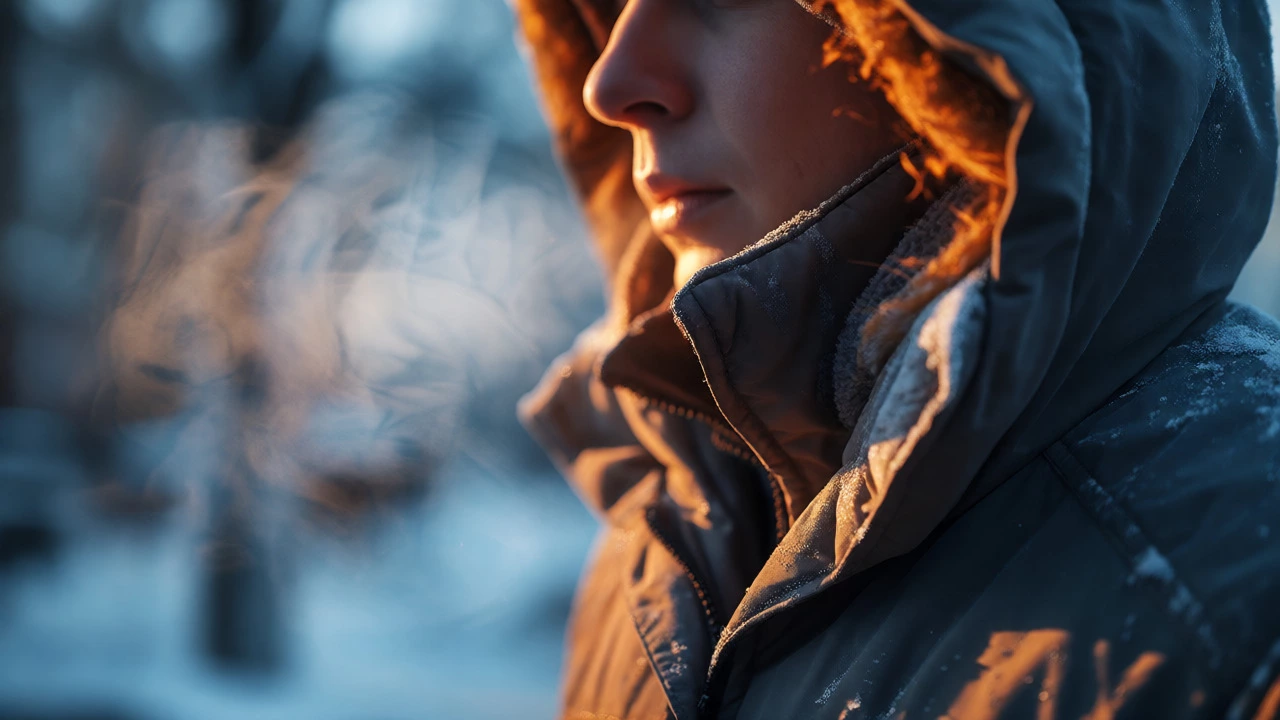
You step outside, and the air bites. It’s not just uncomfortable; it’s physically draining. Your body immediately starts fighting to keep your core temperature at that sweet spot of 37°C (98.6°F). So, why do we reach for a jacket when the mercury drops? Is it just fashion, or is there actual physics keeping you alive?
The short answer: a jacket doesn’t generate heat. It traps it. Think of it less as a heater and more as a high-tech blanket you can wear. If you understand how this works, you’ll stop buying the wrong gear and start staying warm with half the weight in your bag.
The Physics of Heat Loss
To understand why a jacket matters, you have to know how you lose heat. Your body is a furnace, constantly burning calories to produce energy. But without protection, four main thieves steal that warmth away from you:
- Conduction: Direct contact with something colder than you. Sitting on a cold bench pulls heat right out of your thighs.
- Convection: Moving air strips away the thin layer of warm air hovering next to your skin. This is why wind makes 10°C feel like 5°C.
- Radiation: You emit infrared energy. In open spaces, up to 60% of your heat loss happens this way if you’re not insulated.
- Evaporation: Sweat turning into vapor takes massive amounts of energy with it. Wet clothes are cold clothes.
A good jacket disrupts all four. It creates a barrier against conduction, blocks wind to stop convection, reflects some radiation back to your body, and manages moisture so sweat doesn’t freeze you. Without it, your body burns through fuel rapidly, leading to shivering, fatigue, and eventually hypothermia.
Trapping Air: The Real Insulator
Here’s the counter-intuitive truth: the material of your jacket isn’t what keeps you warm. Air is. Specifically, still air trapped within the fibers of the fabric.
Down feathers work because they create thousands of tiny pockets that hold air in place. Synthetic fills like PrimaLoft mimic this structure. When you compress a puffer jacket, you squeeze the air out, and it stops insulating. That’s why wearing a tight compression shirt under a down vest often feels colder than wearing a loose hoodie underneath-it restricts the loft needed to trap that crucial dead air space.
| Insulation Type | Warmth-to-Weight Ratio | Performance When Wet | Best For |
|---|---|---|---|
| Down Feathers | Excellent | Poor (loses loft) | Cold, dry climates |
| Synthetic Fill | Good | Retains ~80% warmth | Damp, active conditions |
| Wool | Moderate | Retains warmth | Variable temperatures |
| Fleece | Fair | Quick drying | Mid-layer insulation |
If you live in Auckland, where rain is frequent and humidity is high, pure down might leave you disappointed unless it’s treated with hydrophobic coatings. Synthetic jackets shine here because their fibers don’t clump together when wet, maintaining those air pockets even in drizzle.

Windproofing vs. Breathability
This is where most people get it wrong. They buy a thick wool coat thinking it’s warm, then stand in a gale and freeze. Why? Because wool is porous. Wind cuts right through it, blowing away your trapped air layer. Convection wins every time.
A technical shell or windbreaker acts as a shield. It stops moving air from stripping your thermal boundary. But here’s the catch: if you block wind completely, you also block airflow. If you’re hiking uphill, you’ll sweat. If that sweat can’t escape, it condenses inside your jacket. Now you’re wet. And water conducts heat 25 times faster than air. Suddenly, your "warm" jacket is stealing heat via evaporation and conduction.
The best modern jackets balance these opposing forces. Look for features like pit zips (underarm vents) or laser-cut perforations. These allow excess heat and moisture to escape while keeping the bulk of the wind out. It’s a dynamic system, not a static wall.
The Layering System Logic
No single jacket does everything perfectly. That’s why outdoor experts preach the three-layer system. Understanding this helps you pick the right outerwear for specific cold-day scenarios.
- Base Layer: Wicks sweat off your skin. Merino wool or synthetic fabrics. Never cotton-cotton holds moisture and kills you in the cold.
- Mid-Layer: Provides insulation. Fleece, down vests, or heavy knits. This is where the heat trapping happens.
- Outer Layer (Shell): Protects from wind and rain. Hard shells are waterproof but less breathable; soft shells are stretchy and breathable but less waterproof.
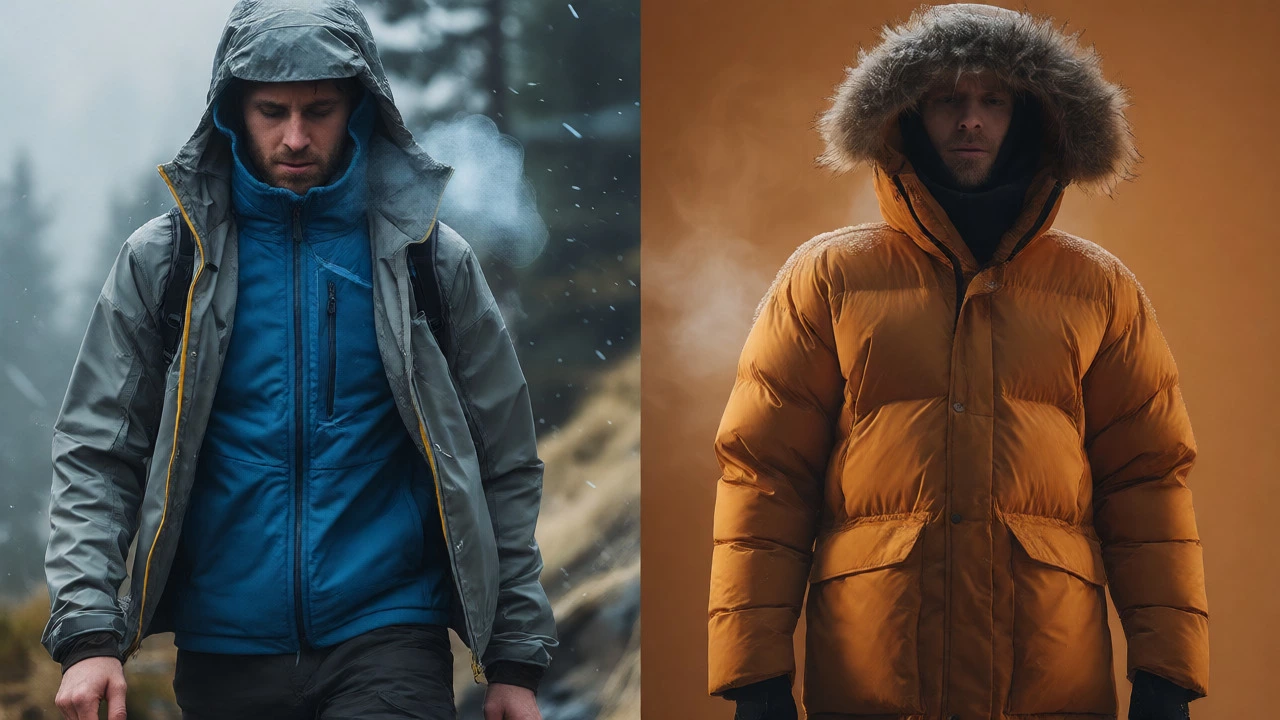
On a mild cold day (say, 12°C), you might only need a base layer and a wind-resistant softshell. On a freezing, wet day (2°C), you’d stack all three. A heavy winter parka combines the mid and outer layers into one bulky unit. Convenient for city commuting, terrible for hiking because you can’t adjust easily. If you start sweating, you can’t unzip a parka’s insulation without unzipping the whole thing.
Beyond Warmth: Psychological and Safety Benefits
We often ignore the non-thermal reasons we wear jackets. There’s a concept called "enclothed cognition." Essentially, what you wear affects how you think and act. Putting on a structured blazer makes you feel more authoritative. Zipping up a rugged field jacket can make you feel more prepared and resilient.
From a safety standpoint, visibility matters. Many cold-weather jackets come in bright colors or have reflective strips. In winter, days are shorter. Walking home in the dark? A jacket with hi-vis elements makes you visible to drivers. Contrast this with a black wool coat, which absorbs light and makes you a ghost on the road.
Also, consider pocket utility. In summer, you carry little. In winter, you need gloves, hats, scarves, phones, keys, and wallets. A well-designed jacket integrates secure pockets, keeping essentials accessible without digging through bags. This reduces friction in your daily routine, making the cold slightly less annoying.
Choosing the Right Jacket for Your Climate
Not all cold is created equal. A dry -5°C in Christchurch feels different from a wet 5°C in Wellington. Here’s how to match your gear to the threat:
- Dry Cold: Prioritize loft. Down jackets are unbeatable here. They pack small and provide massive warmth per gram.
- Wet Cold: Prioritize water resistance. Go for Gore-Tex membranes or waxed canvas. Avoid untreated down.
- Windy Cold: Prioritize windproofing. Even a thin nylon shell over a fleece beats a thick knit sweater exposed to wind.
- Active Cold: Prioritize breathability. Softshells with mechanical stretch and venting options prevent overheating during movement.
Remember, the goal isn't to be hot. Being too hot causes sweating, which leads to chilling later. Aim for neutral comfort. If you’re shivering when you first step out, you’re underdressed. If you’re sweating after two minutes, you’re overdressed. Adjust accordingly.
Does a black jacket keep you warmer than a white one?
In terms of radiative heat absorption from the sun, yes, black absorbs more heat. However, in typical cloudy winter conditions, color has negligible impact on warmth compared to insulation thickness and windproofing. The primary function of the jacket is trapping body heat, not absorbing solar radiation.
Why do I still feel cold in a thick jacket?
You likely have gaps. Heat escapes through the neck, wrists, and hem. Ensure your jacket has adjustable cuffs and a high collar. Also, check your base layer-if it’s cotton and damp, no amount of outer insulation will help. Moisture management is critical.
Is leather better than synthetic for cold weather?
Leather is excellent at blocking wind due to its density, but it offers poor insulation on its own. It needs a lining (like shearling or quilted polyester) to be truly warm. Synthetics with dedicated insulation are generally lighter and more versatile for active use, while leather suits stationary urban settings better.
How does humidity affect jacket performance?
High humidity reduces the effectiveness of evaporative cooling, meaning you might feel clammy rather than cold initially. However, if sweat cannot evaporate, it accumulates in the fabric. This increases thermal conductivity, pulling heat away from your body faster. Breathable membranes are essential in humid cold environments.
Can I wash my down jacket?
Yes, but carefully. Use a front-loading machine (no agitator) and specific down detergent. Regular detergents strip natural oils from feathers, reducing loft. Tumble dry low with tennis balls to break up clumps and restore air pockets. Improper washing can permanently ruin insulation efficiency.