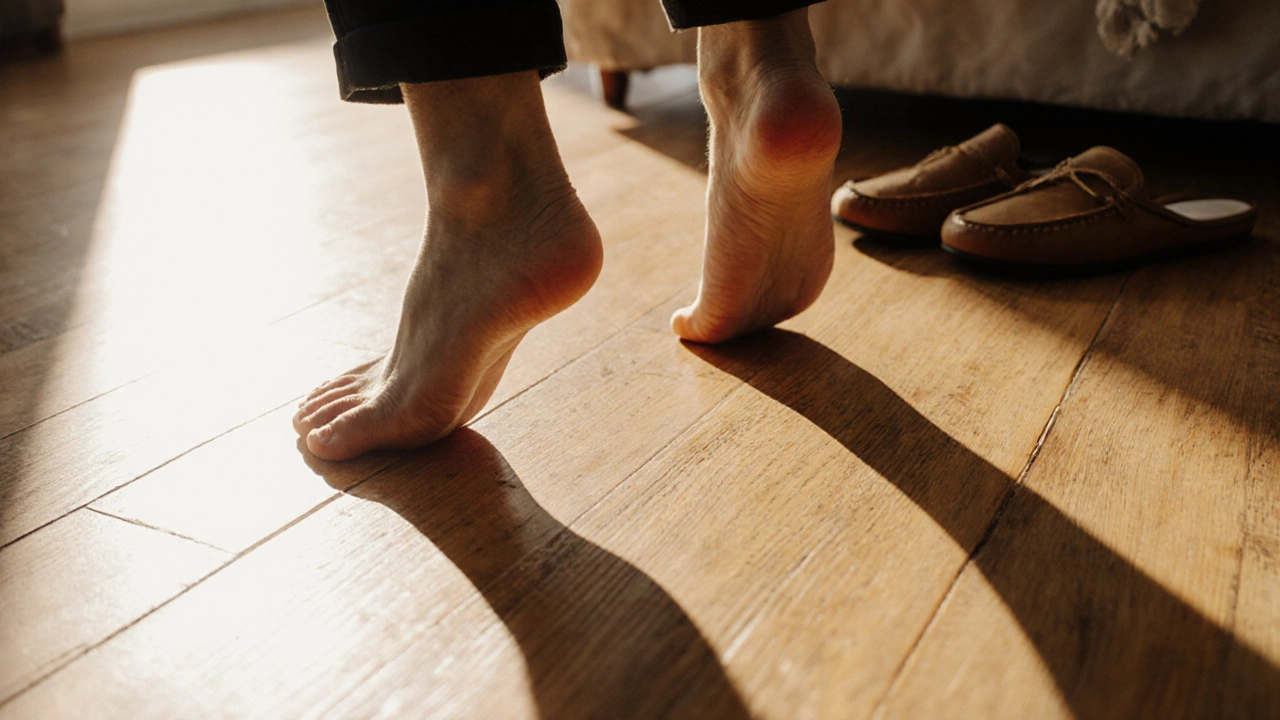
Is it better to walk barefoot or with slippers at home?
Should you walk barefoot or wear slippers at home? Learn the real pros and cons for foot health, safety, and long-term comfort-backed by podiatry research and real-life experience.
moreWhen it comes to foot comfort, barefoot, walking without shoes to let your feet move naturally. Also known as natural foot movement, it’s more than just a trend—it’s a return to how human feet were meant to function. On the other side, slippers, light, indoor footwear designed for casual wear and minimal support. Often used at home, they’re a middle ground between bare feet and rigid shoes. The real question isn’t which is "better," but which works for your feet right now.
Going barefoot strengthens foot muscles, improves balance, and helps your arches develop naturally. Studies show people who walk barefoot regularly have fewer foot deformities like bunions and plantar fasciitis. But barefoot doesn’t mean walking on rough concrete all day—it means letting your feet feel the ground when it’s safe. Slippers, on the other hand, offer cushioning and warmth, but many are too loose, too soft, or lack arch support. That’s why so many people end up with sore heels or tired arches after wearing them all day. The best slippers mimic barefoot movement—flexible, flat, and wide at the toes. Brands like Xero Shoes and Vivobarefoot prove you don’t need thick soles to feel protected.
Here’s the thing: your feet aren’t broken. They just got used to being trapped. If you’re used to wearing shoes all day, jumping straight into barefoot walking can hurt. Start slow—ten minutes on grass, then more. Slippers can be a bridge. Choose ones with zero heel drop, no arch support (yes, really), and a thin sole that lets you feel the ground. If your slippers squish when you step, they’re working against you. And if you’re buying slippers, don’t go a size bigger thinking it’ll be more comfortable. That’s how you get stubbed toes and tripping hazards.
Some people swear by barefoot walking for back pain. Others say slippers saved their feet after surgery. Both can be right. It’s not about ideology—it’s about what your feet need today. If you’re standing all day, maybe slippers with a firm sole are your friend. If you’re walking on sand or dirt, barefoot might be your best move. The posts below cover everything from how to measure your foot for the perfect slipper fit, to why some people feel better barefoot after years of pain. You’ll find real stories, practical tips, and no marketing fluff—just what works for real feet.
Should you walk barefoot or wear slippers at home? Learn the real pros and cons for foot health, safety, and long-term comfort-backed by podiatry research and real-life experience.
more