Lululemon Fabric: What It Is, Why It Matters, and What Alternatives Work
When people talk about Lululemon fabric, a high-performance, sweat-wicking, four-way stretch material used in yoga pants and activewear. Also known as Luon, it's the reason so many people pay premium prices for leggings that don’t sag, cling, or show sweat. But here’s the thing—Lululemon doesn’t invent new fibers. They mix existing ones—nylon, spandex, polyester—in precise ratios and treat them with proprietary finishes to make them feel like a second skin. That’s what you’re really paying for: the blend, the feel, and the fit.
What makes Lululemon fabric stand out isn’t magic—it’s engineering. The fabric stretches in all directions so you can squat deep or reach overhead without the waistband rolling. It pulls sweat away from your skin and dries fast, so you don’t feel sticky during a hot yoga class. It’s also opaque enough that you don’t need to wear black undergarments, and it holds its shape after dozens of washes. Compare that to cheap polyester blends that pill after a month or cotton that turns into a wet sponge during a run. That’s why people keep coming back.
But you don’t need to buy Lululemon to get similar results. Brands like Athleta, Beyond Yoga, and even Amazon Essentials use the same performance fabric, synthetic blends designed for movement, moisture control, and durability in athletic wear. Also known as technical fabric, it’s the backbone of modern activewear. The difference? Price. Lululemon charges for brand, fit, and customer service. Other brands charge for the fabric and call it a day. If you’ve ever worn a pair of leggings that ride up, lose elasticity, or turn see-through when you bend over—you know how much this matters. And if you’ve ever paid $100 for leggings and had them fall apart after six months, you know that not all "performance" fabric is created equal.
What you’ll find in the posts below isn’t a brand list. It’s a practical guide to what makes fabric work—whether it’s Lululemon’s proprietary blend or a $30 alternative. You’ll learn how to spot real performance fabric versus marketing hype, why some materials trap heat even when they claim to wick moisture, and how to pick leggings that last longer than your motivation to work out. No fluff. Just what you need to know before you spend your next dollar on activewear.
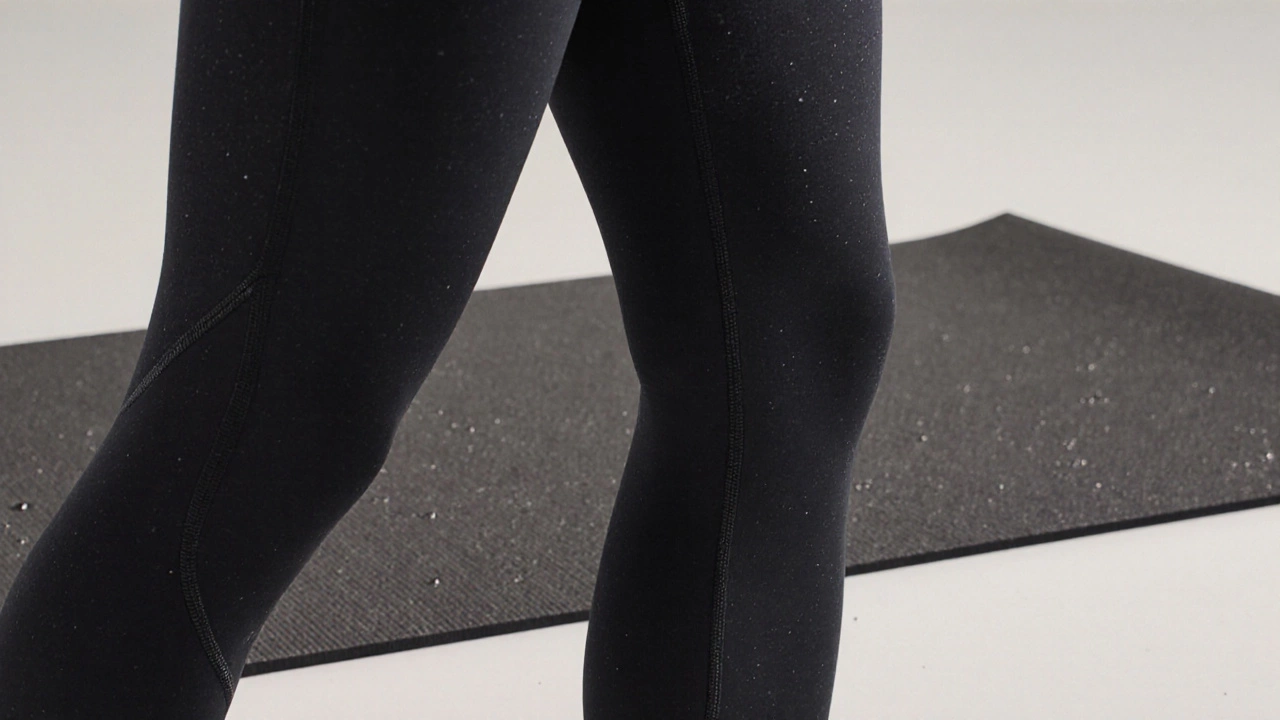
Why Is Lululemon So Expensive? The Real Reasons Behind the Price Tag
Lululemon's high prices come from proprietary fabrics, obsessive fit testing, lifetime warranties, and zero discounts. It's not branding - it's engineering and experience built to last.
- posted by Elliot Marwood
- 17 November 2025
- Comments [ 0
]
-
Sportswear
more