OSHA Compliant Shoes: What They Are and Why They Matter
When you hear OSHA compliant shoes, footwear that meets safety standards set by the U.S. Occupational Safety and Health Administration to protect workers from hazards like falling objects, electrical shocks, and slippery floors. Also known as safety boots or protective footwear, they’re not optional gear—they’re the line between a normal day and a trip to the ER. These aren’t fashion pieces. They’re engineered tools, built to handle concrete, steel, chemicals, and long hours on your feet.
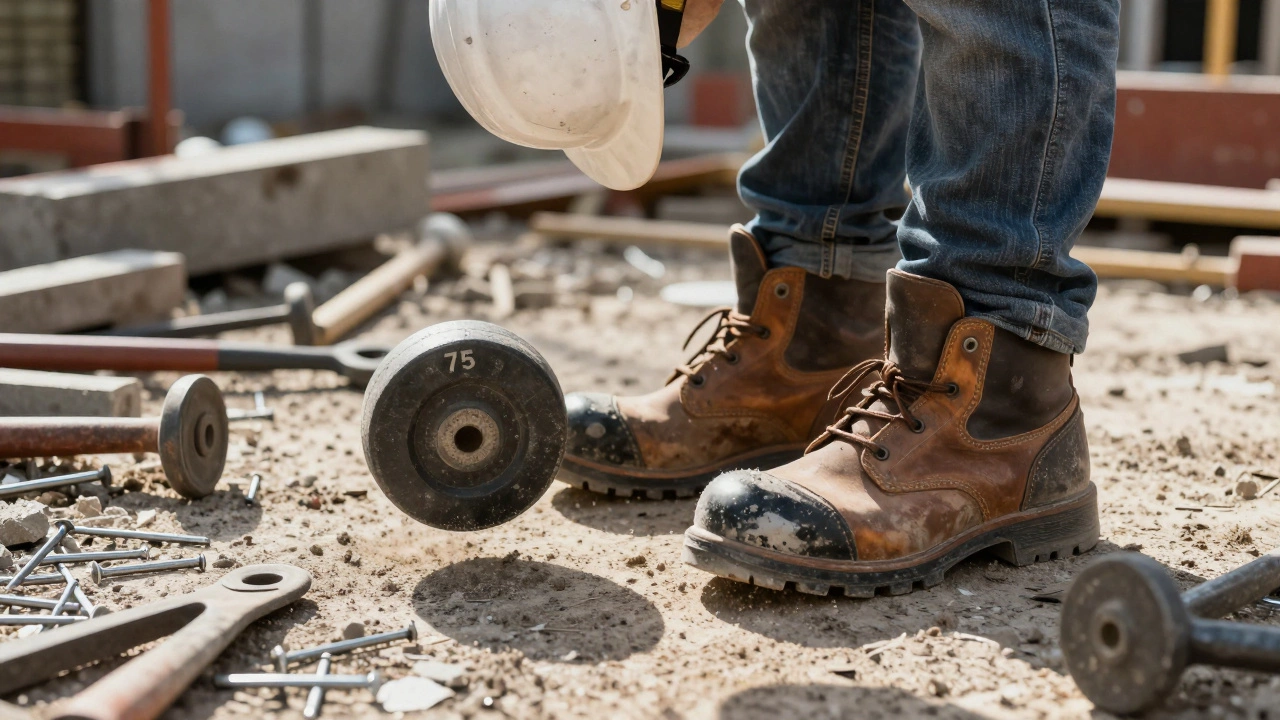
OSHA doesn’t write the exact specs for shoes. Instead, it says employers must provide footwear that meets ANSI/ASTM standards, industry benchmarks for protective footwear that define impact resistance, compression ratings, electrical hazard protection, and slip resistance. If a shoe has a label saying it meets ASTM F2413, it’s passing the test. That means a steel toe that can take a 75-pound drop, a sole that won’t slip on wet oil, or insulation that blocks 18,000 volts. You won’t find that in a regular sneaker. And if you’re working in construction, warehousing, manufacturing, or even a kitchen with slick floors, you need this level of protection.
Not all safety shoes are the same. Some have composite toes—lighter than steel but just as strong. Others come with puncture-resistant midsoles for sharp nails or glass. Some are waterproof. Others are designed for extreme heat or cold. The right pair depends on your job. A warehouse worker needs different protection than an electrician or a chef. And OSHA requires employers to assess the risks in your workplace and match the footwear to those risks. It’s not a one-size-fits-all rule—it’s a tailored safety plan.
What you’re looking at in this collection aren’t just product reviews or style guides. These are real-world stories from people who’ve worn these shoes day in and day out. You’ll find guides on how to tell if your boots actually meet the standards, what brands deliver real comfort under pressure, and why a $50 pair might be worse than no shoes at all. There’s advice on sizing—because even the best safety shoe won’t help if it pinches your toes. You’ll see how foot health ties into safety, how worn-out soles create hidden dangers, and why comfort isn’t a luxury—it’s a requirement for staying alert and injury-free.
These posts don’t just tell you what OSHA compliant shoes are. They show you how to pick them, how to make them last, and how to know when it’s time to replace them. No marketing fluff. No hype. Just what works on the ground.
What Are OSHA Compliant Shoes? A Clear Guide for Workers
OSHA compliant shoes are safety footwear that meet ASTM F2413 standards to protect against impact, compression, punctures, and slips. Learn what features matter most for your job and how to spot real safety shoes.
- posted by Elliot Marwood
- 1 December 2025
- Comments [ 0
]
-
Work Footwear
more