Safety Footwear Standards: What You Need to Know for Real Protection
When you hear safety footwear standards, official rules that define how work shoes must protect feet in dangerous environments. Also known as protective work shoe regulations, these aren’t suggestions—they’re the minimum bar for staying alive on a construction site, factory floor, or warehouse. If your boots don’t meet them, you’re not just risking blisters—you’re risking broken toes, crushed feet, or worse.
These standards aren’t made by guesswork. They come from labs that drop heavy weights on shoes, pour chemicals on soles, and test for electrical resistance. In the U.S., OSHA, the federal agency that enforces workplace safety rules. Also known as Occupational Safety and Health Administration, it doesn’t write the shoe specs itself—it says employers must provide footwear that meets standards set by ASTM International, the group that creates detailed technical specs for everything from steel toes to slip-resistant soles. Also known as American Society for Testing and Materials, it . In India, the equivalent is the Bureau of Indian Standards (BIS), with IS 15294 for safety footwear. These specs cover everything: impact resistance, compression resistance, puncture protection, and even electrical hazard ratings. But here’s the catch—just because a boot says "safety" doesn’t mean it meets any of them. Look for the stamped certification mark. No mark? Skip it.
What’s often ignored? Comfort. A shoe that meets every safety standard but digs into your heel after two hours isn’t helping anyone. That’s why real-world safety isn’t just about compliance—it’s about consistency. If your feet hurt, you’re more likely to take them off, skip them, or wear something that doesn’t protect you at all. That’s why the best safety footwear balances strict standards with ergonomic design. Brands that get this right—like those featured in our posts on best shoes for bad feet or boot fit guide—don’t just check boxes. They listen to people who stand all day.
You’ll find posts here that dig into real examples: how to tell if your boots actually meet the standards, why some "safety" shoes fail in humid climates, and what materials hold up under real abuse—not just lab tests. We don’t talk about marketing buzzwords. We talk about what’s stamped on the sole, what your feet feel after 10 hours, and who actually tests these things before they hit the shelf. Whether you’re a worker, a safety officer, or just someone who needs to know what to buy, this collection cuts through the noise. What matters isn’t the brand logo—it’s the code on the inside of the shoe.
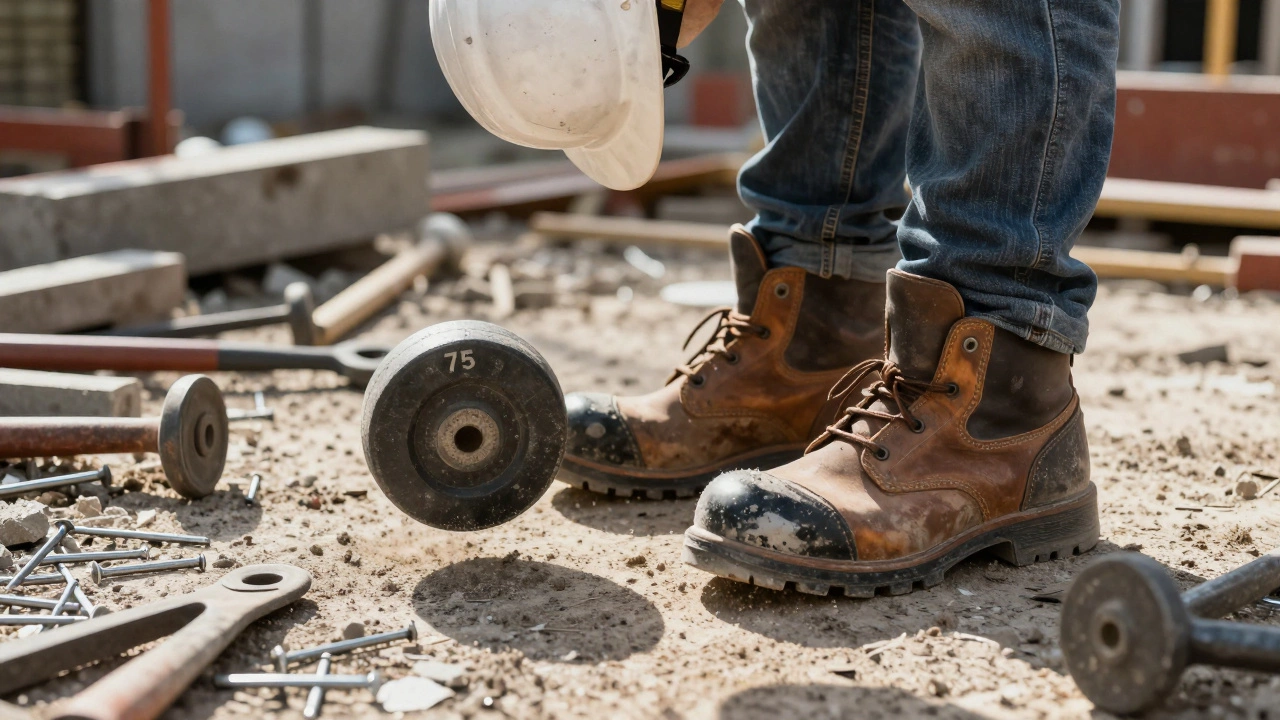
What Are OSHA Compliant Shoes? A Clear Guide for Workers
OSHA compliant shoes are safety footwear that meet ASTM F2413 standards to protect against impact, compression, punctures, and slips. Learn what features matter most for your job and how to spot real safety shoes.
- posted by Elliot Marwood
- 1 December 2025
- Comments [ 0
]
-
Work Footwear
more