Steel Toe Boots: Safety, Comfort, and What to Look For
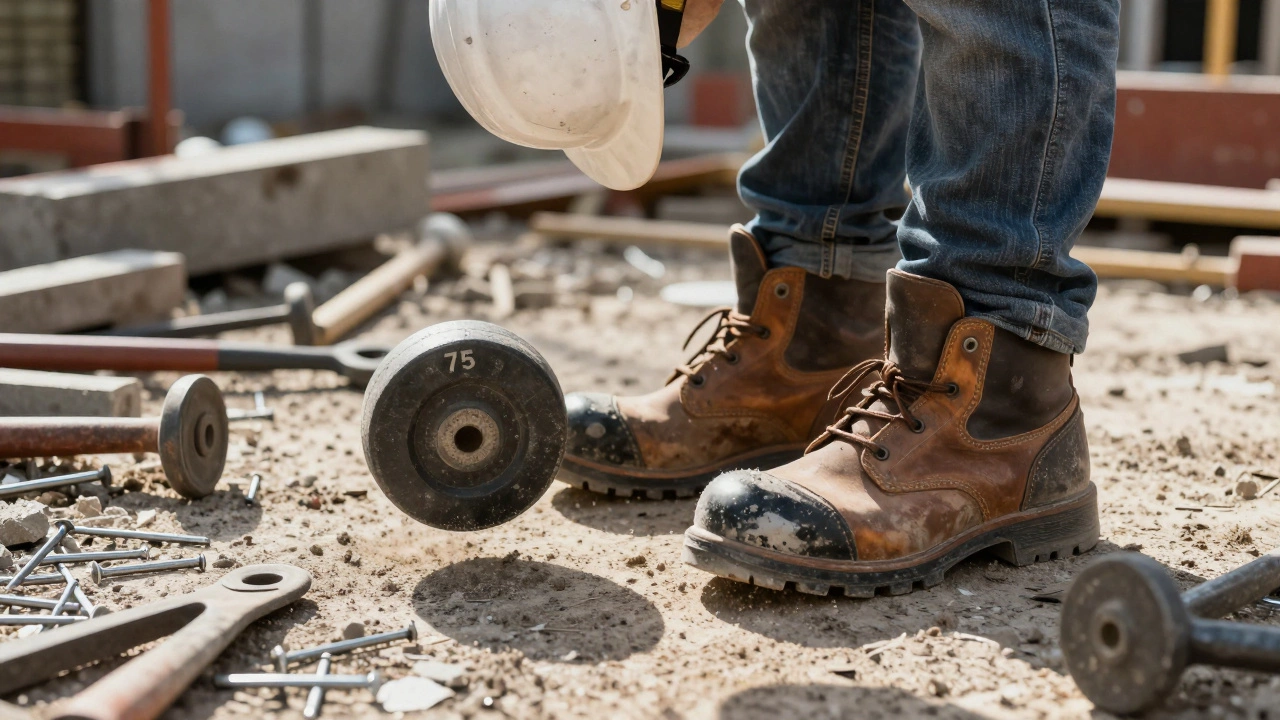
When you're walking into a construction site, warehouse, or factory, your feet need more than just style—they need steel toe boots, a type of safety footwear with a reinforced toe cap to protect against heavy objects and compression. Also known as safety boots, they’re not optional gear in many jobs—they’re the line between a minor bump and a broken bone. These aren’t just heavy shoes. They’re engineered tools designed to handle impacts, crushing forces, and sharp materials you can’t always see coming.
What makes a good pair? It’s not just the steel cap. The real difference comes from the footbed, the inner sole that supports your arch and absorbs shock, the outsole, the bottom layer that grips the ground and resists oil, heat, or slippery surfaces, and how well the whole thing fits your foot. A boot with a steel toe that pinches your toes or rubs your heels won’t keep you safe—it’ll just make you want to take it off. That’s why the thumb rule for boots matters: if you can slide your thumb between your heel and the back of the boot, it’s likely the right fit. Too tight? You’ll get blisters. Too loose? Your foot slides, and you lose control.
People think steel toe boots are all the same—big, clunky, and uncomfortable. But that’s not true anymore. Modern versions use lightweight alloys, breathable linings, and cushioned midsoles that make them feel closer to sneakers than work gear. Brands like Ecco and Clarks, known for comfort in everyday shoes, now make steel toe models that don’t sacrifice safety for support. And if you’ve got bad feet—plantar fasciitis, bunions, or swelling—you’ll find options built for relief, not just protection.
These boots aren’t just for men or construction workers. Women in manufacturing, logistics, and even farming wear them every day. And they’re not just for winter or rough terrain. There are steel toe boots made for hot weather, wet floors, and long shifts on concrete. The key is matching the boot to your job, your foot, and your daily grind—not just picking the cheapest pair on sale.
Below, you’ll find real guides on how to pick the right fit, what to avoid when buying, and which brands actually deliver comfort without cutting corners on safety. Whether you’re new to safety footwear or you’ve been wearing them for years, there’s something here that’ll help you step forward without pain.
What Are OSHA Compliant Shoes? A Clear Guide for Workers
OSHA compliant shoes are safety footwear that meet ASTM F2413 standards to protect against impact, compression, punctures, and slips. Learn what features matter most for your job and how to spot real safety shoes.
- posted by Elliot Marwood
- 1 December 2025
- Comments [ 0
]
-
Work Footwear
more